

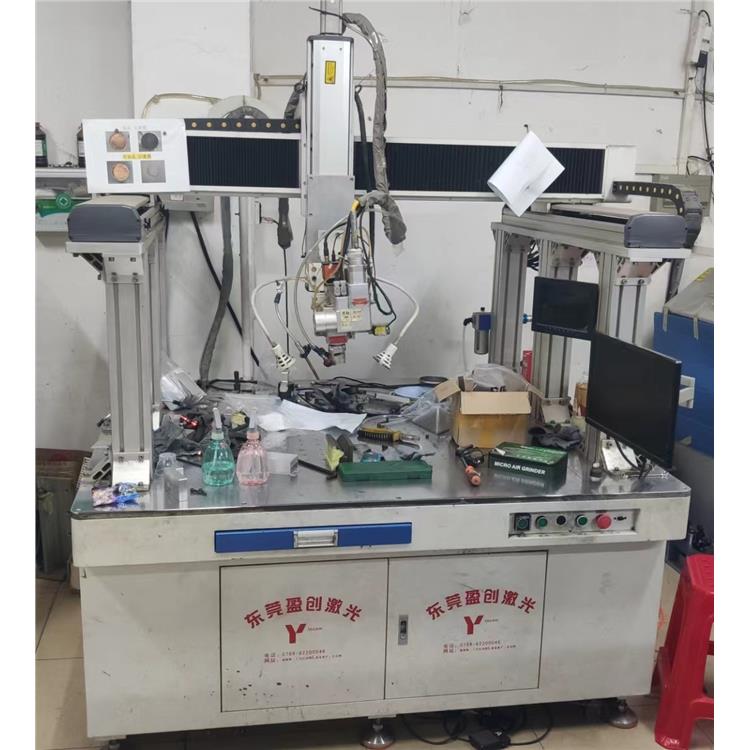














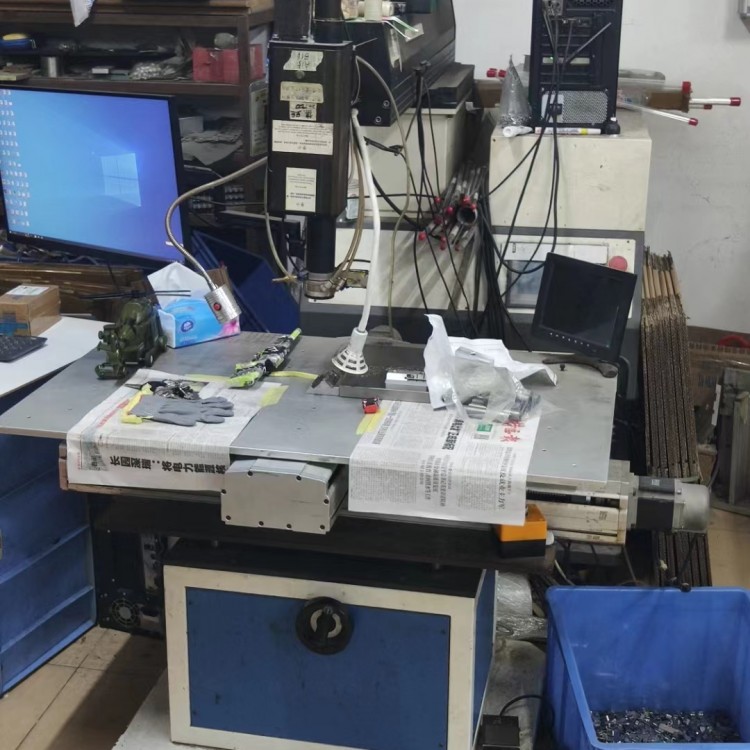

Aluminum alloy products are widely used in modern manufacturing due to their advantages such as light weight, high strength, and corrosion resistance, particularly excelling in fields like aerospace, automotive, and electronics. Laser welding, as an efficient and precise joining technology, has gradually become one of the mainstream methods for aluminum alloy welding in recent years.
The primary advantages of laser welding aluminum alloys include fast welding speed, minimal heat-affected zone, and high welding quality. Traditional welding methods such as arc welding and spot welding often result in issues like thermal cracks and welding deformation when welding aluminum alloys. However, laser welding, due to its high energy density, can locally melt the welding material in a shorter time, thereby reducing heat input and lowering thermal stress and deformation during the welding process. Moreover, laser welding enables deep penetration welding, enhancing the density and strength of the weld.
During laser welding, solid-state lasers, fiber lasers, or CO2 lasers are typically used. The appropriate laser wavelength and power can be adjusted based on the thickness and composition of the aluminum alloy. During welding, the laser beam is highly focused, causing the aluminum alloy to melt quickly at the welding point. Additionally, adding filler wire can enhance the strength and stability of the weld.

During the laser welding process of aluminum alloys, it is crucial to pay attention to key technical parameters such as welding speed, focal position, laser power, and the type and flow rate of protective gas. Argon is commonly used as the protective gas to prevent oxidation reactions and ensure welding quality. Moreover, the laser power and welding method should be adjusted according to the different types of aluminum alloys (such as A2024, A6061, etc.) to optimize the welding effect.
Despite the many advantages that laser welding technology has shown in aluminum alloy welding, it still faces some challenges, such as high equipment investment costs and stringent skill requirements for operators. Therefore, research and innovation remain a crucial direction for further development of laser welding technology.
In summary, laser welding offers significant advantages for joining aluminum alloy materials. With the advancement of technology and continuous improvement in manufacturing processes, the application of laser welding technology in the production of aluminum alloy products will become even more widespread, providing robust support for lightweight and high-performance development across various industries.



















