

















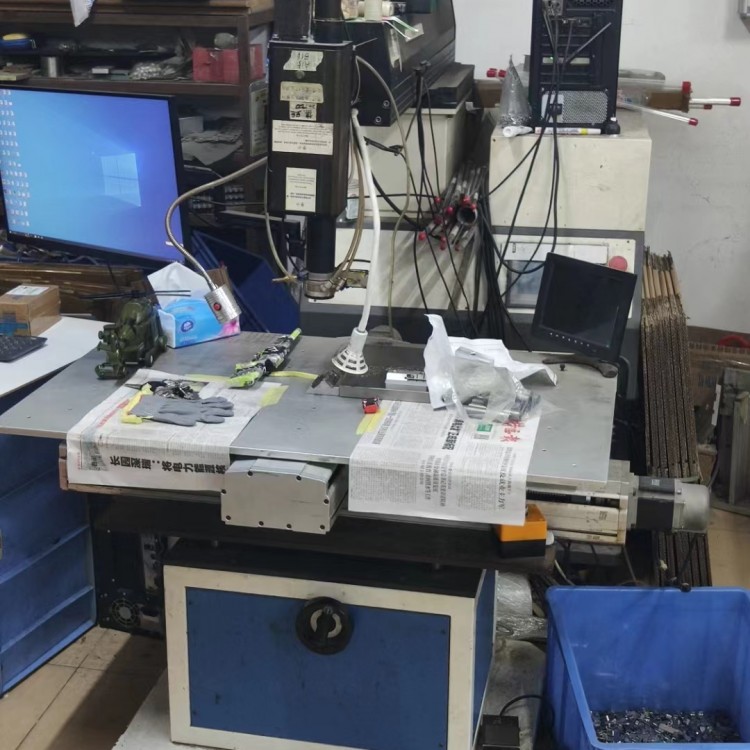


Principle of laser welding
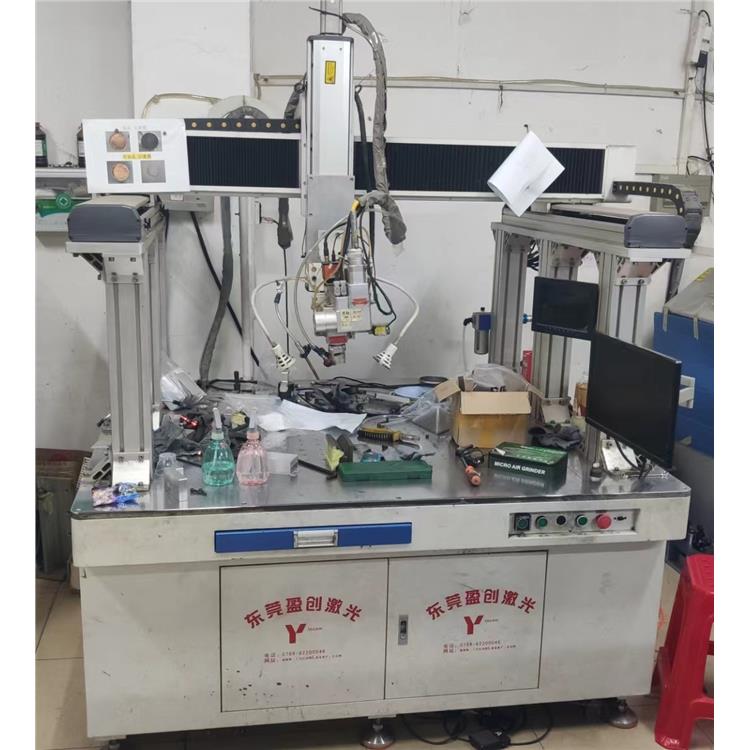
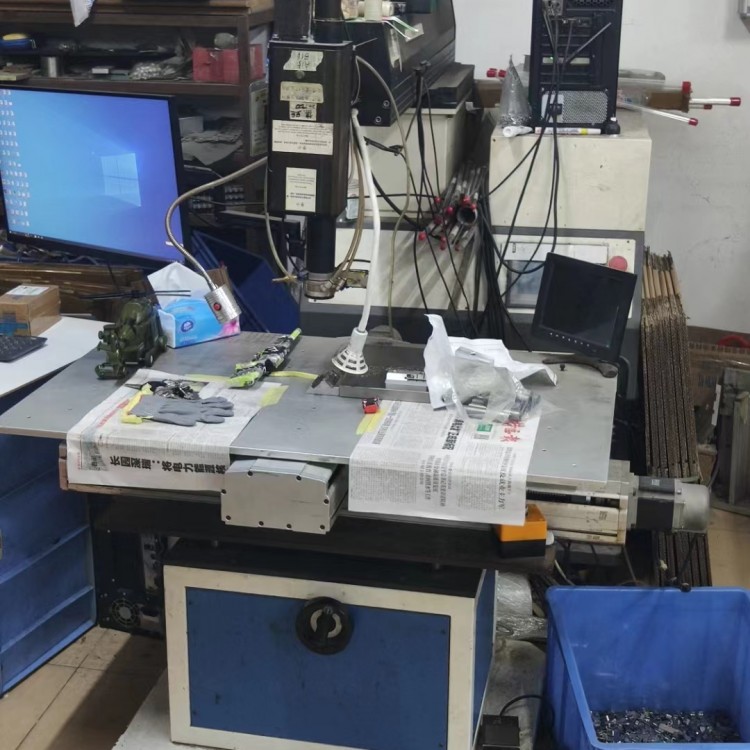
Laser Source: Laser welding commonly employs fiber laser, CO2 laser, or solid-state laser.
Focus: The laser beam is focused onto the welding area through an optical system, forming a high-temperature molten pool.
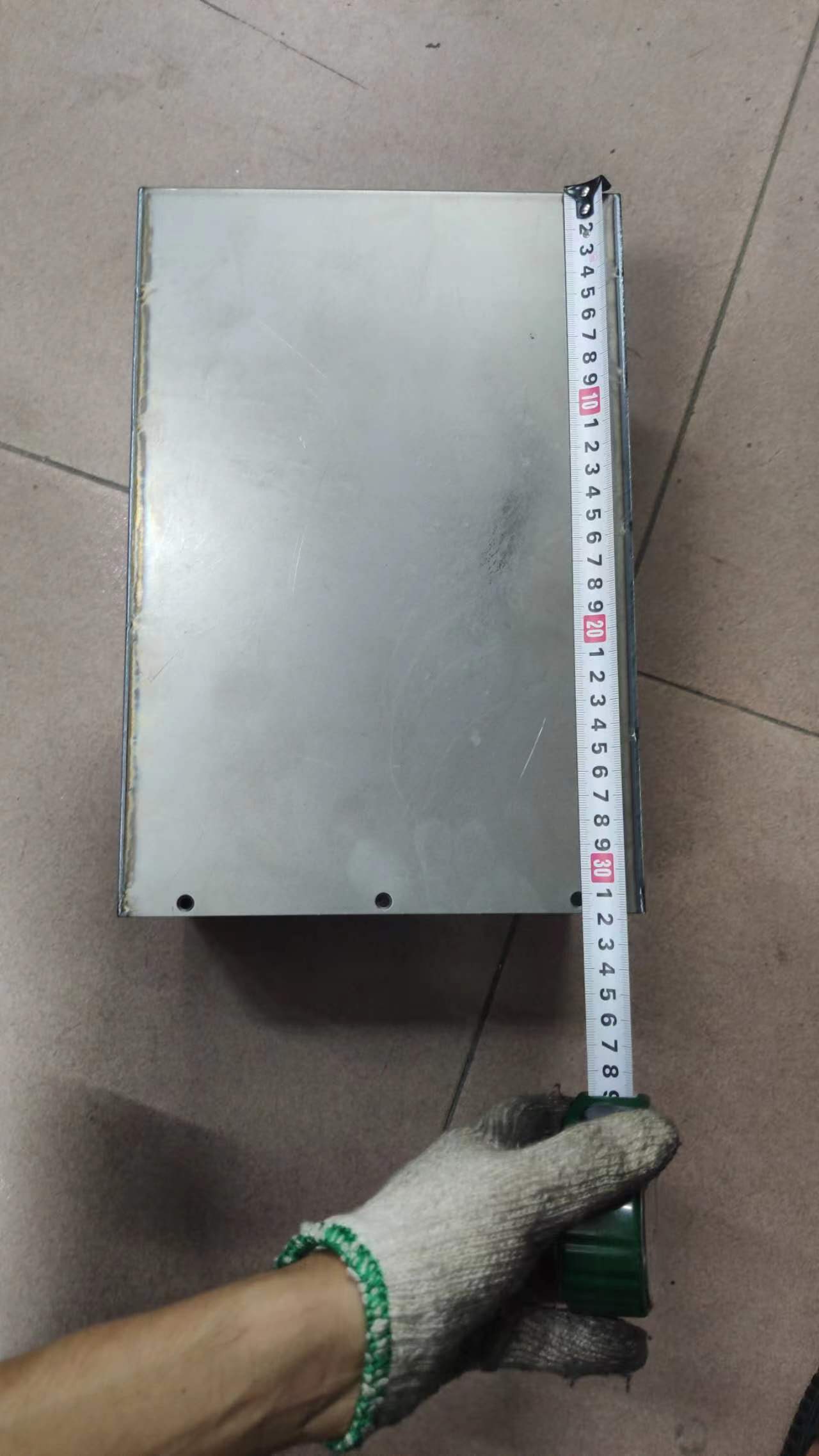
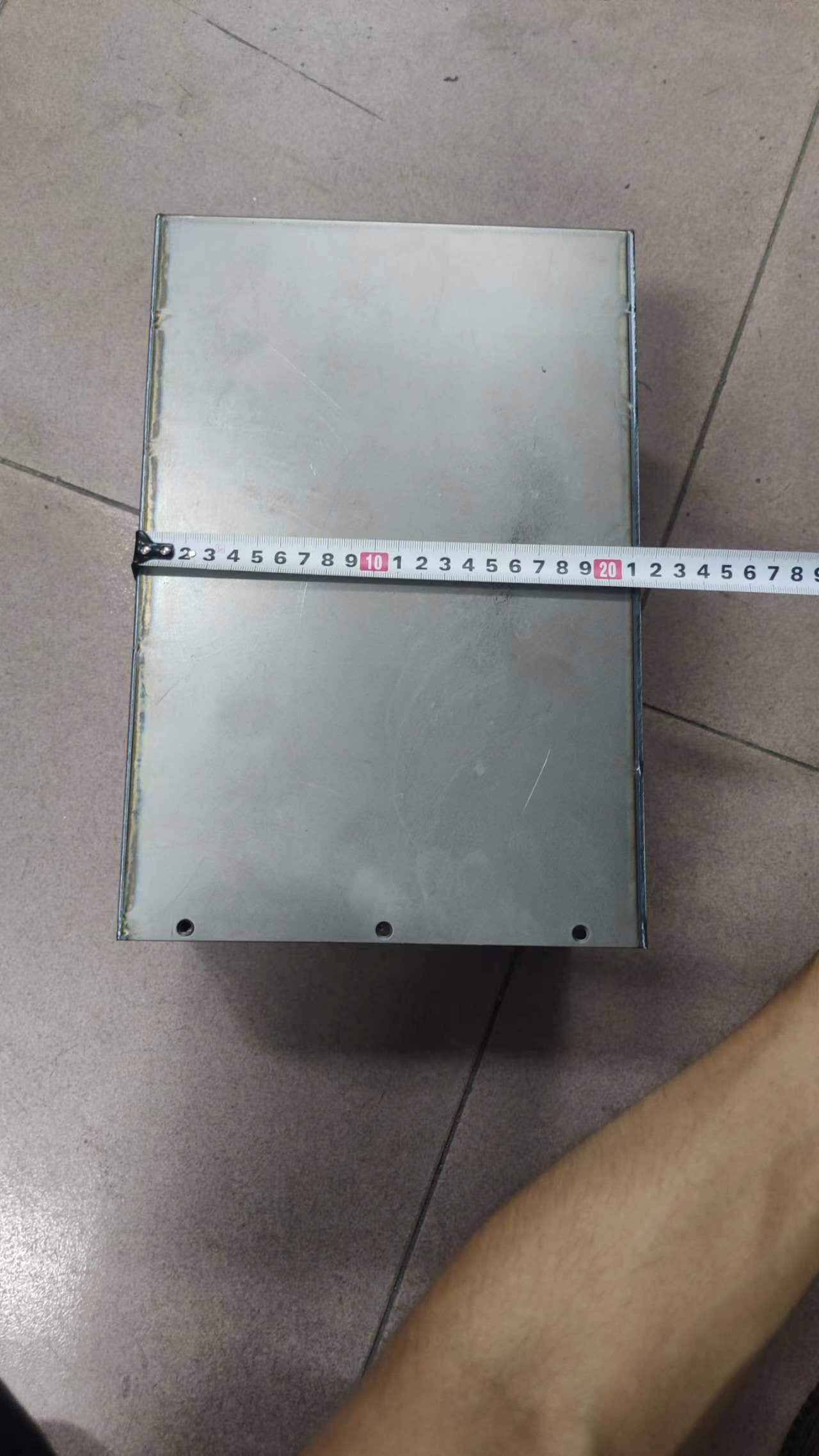
Welding Process: A laser beam is directed onto the joint of iron products, causing the metal to rapidly melt and form a weld. Upon cooling, the molten metal solidifies, creating a robust焊接joint.
2. Advantages
High Precision: Laser welding achieves high precision welding, suitable for complex shapes and small-sized parts.
Small Heat Affected Zone: Laser welding has a relatively small heat affected zone, reducing material deformation and stress.
Fast welding speed: Laser welding is quick, suitable for mass production.
High level of automation: Laser welding can be integrated with automated equipment to enhance production efficiency.
3. Applicable Materials
Iron and its alloys: Laser welding is suitable for various iron products, including carbon steel, stainless steel, and alloy steel, etc.
Other Metals: In addition to iron products, laser welding can also be used for welding aluminum, copper, and other metal materials.
4. Application Fields
Automotive Manufacturing: Welding for body structural components, undercarriage, and engine parts.
Mechanical Manufacturing: For assembly of machinery and connection of parts.
Electronics Industry: Used for welding electronic components, such as circuit boards and connectors.
Construction Industry: Used for welding and assembly of steel structures.
Welding Technology
Welding parameters: Laser power, welding speed, focal position, and protective gas, among others, should be optimized based on the material and welding requirements.
Protective Gas: Typically, inert gases such as argon, nitrogen, or carbon dioxide are used to prevent oxidation and contamination during the welding process.




















