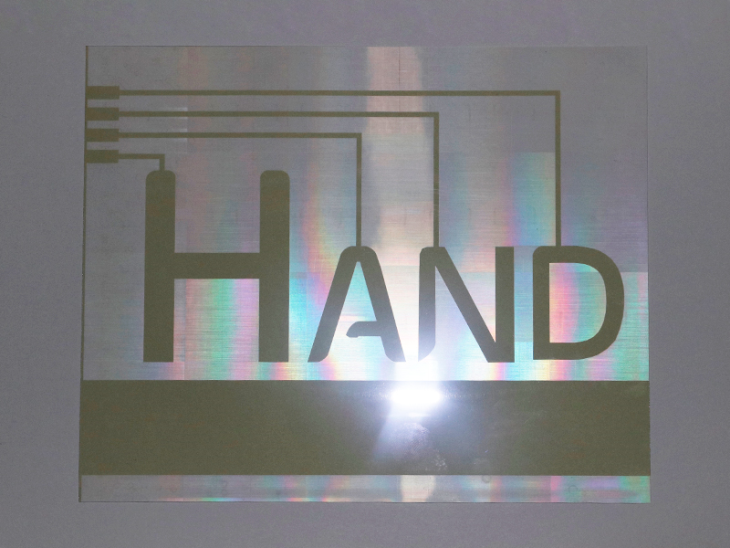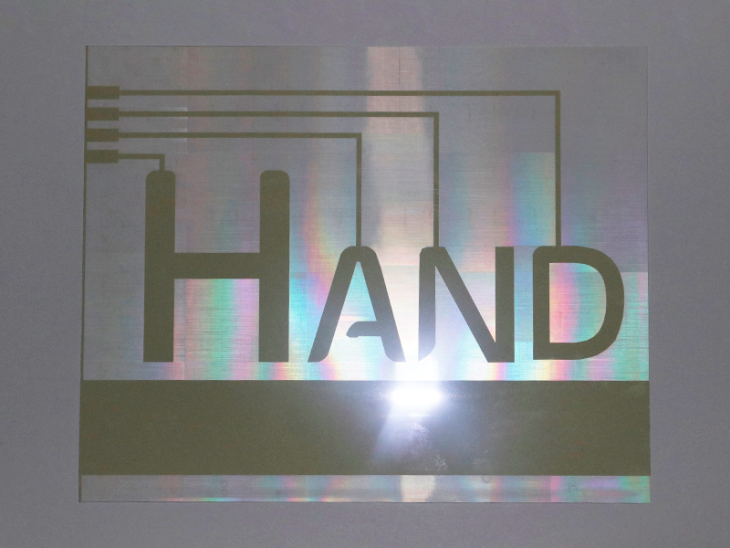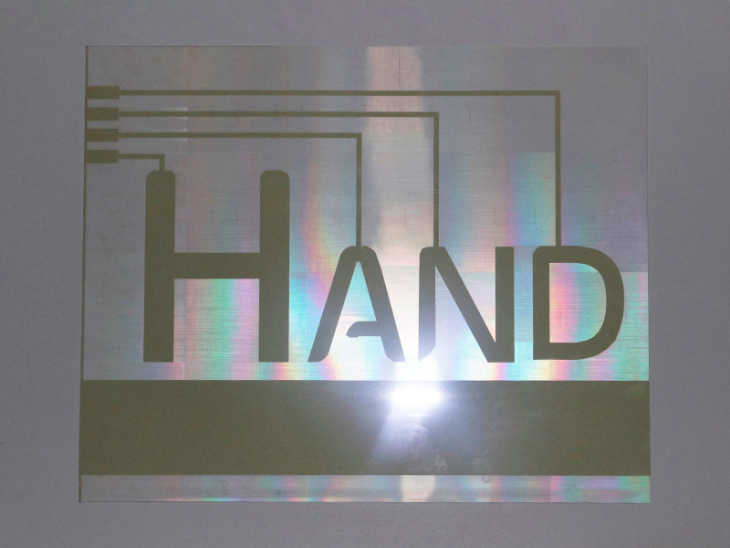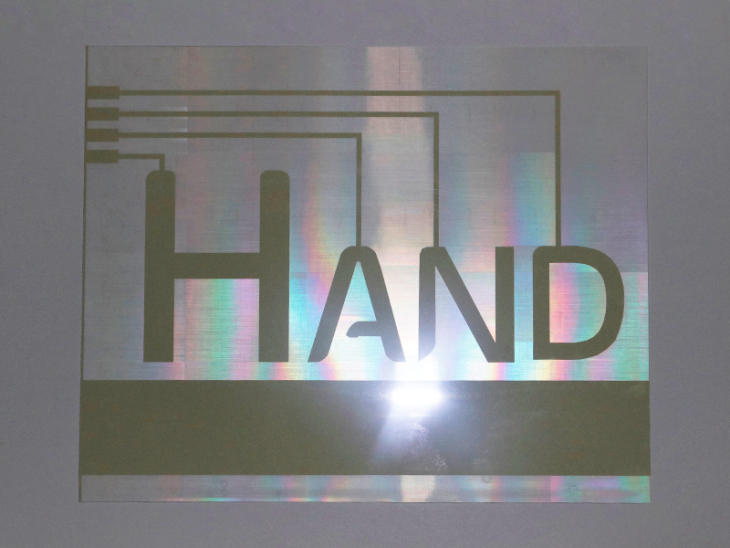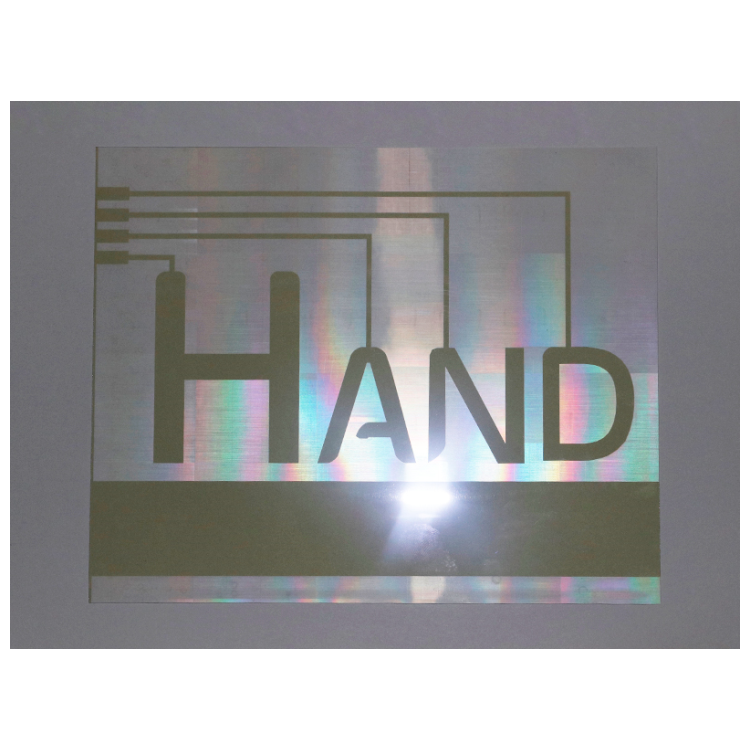











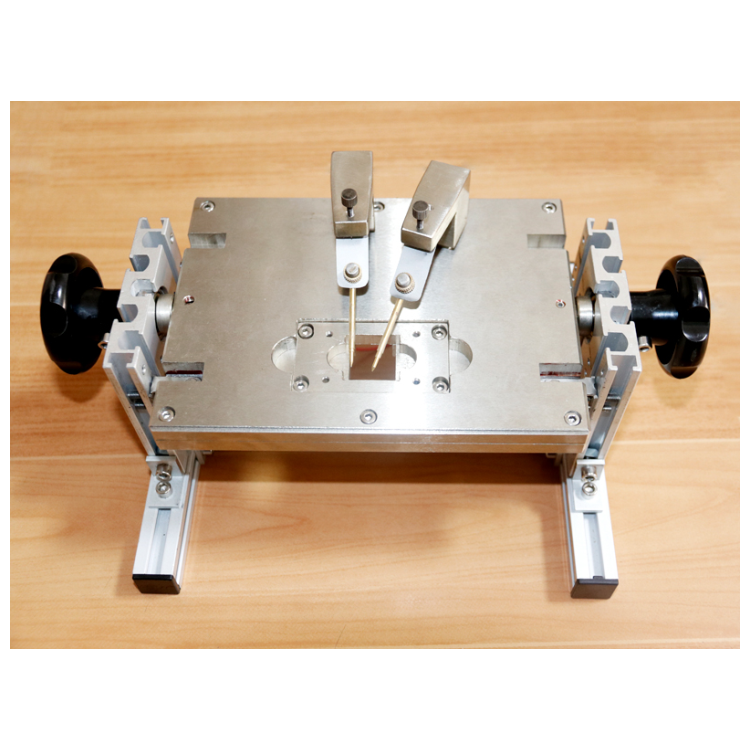


PET FilmSurface coating removalMethod:
One. Corona Treatment
By corona treatment, the surface molecular structure of the substrate is rearranged, creating more polar sites, which is conducive to attaching foreign substances. To prevent the dyne value of PET substrates from degrading over time, a secondary corona treatment should be applied to the PET substrate surface during spraying and printing. However, due to its high cost and complex operation, it is not adopted by small and medium-sized enterprises.
Section 2: Flame Treatment
By covering the PET surface with a flame treatment head, it instantly reaches a high temperature of 1000 degrees Celsius. Under this high temperature, the PET surface's macromolecules undergo oxidation reactions, producing polar groups, thereby enhancing its adhesion. The flame treatment temperature and the distance between the flame and PET contact can lead to under-burning or surface scorching due to poor operation and contact issues.
3. PET Accelerator/Priming Coat
1. Apply 10-15μ of PET accelerator/undercoat spray (coating) on the PET surface, then roll it up after drying. The coated film can be reprinted or coated with other paints at any time within one year.
2. Utilize PET accelerator/undercoat as the base agent, which allows for the addition of color paste, gold and silver powder, conductive material, and magnetic material for screen printing, spraying, and printing on PET materials.
3. PET Promoter/Undercoat offers low cost, easy operation, and is widely used in film printing, keyboard sheet material screen printing, conductive and magnetic coating carriers, model pre-coating, and other PET materials.