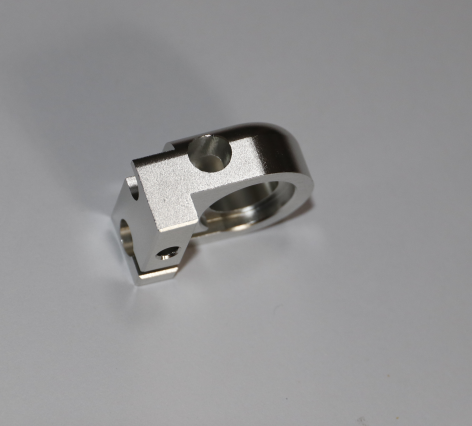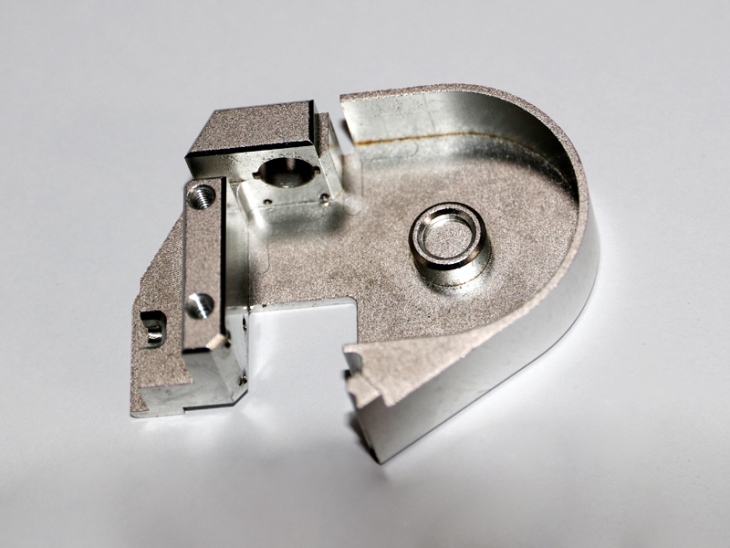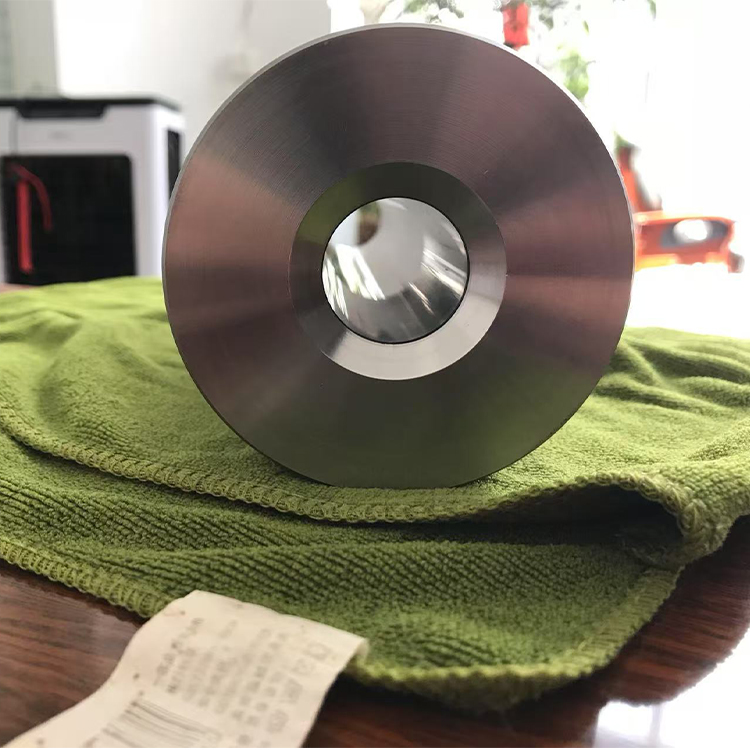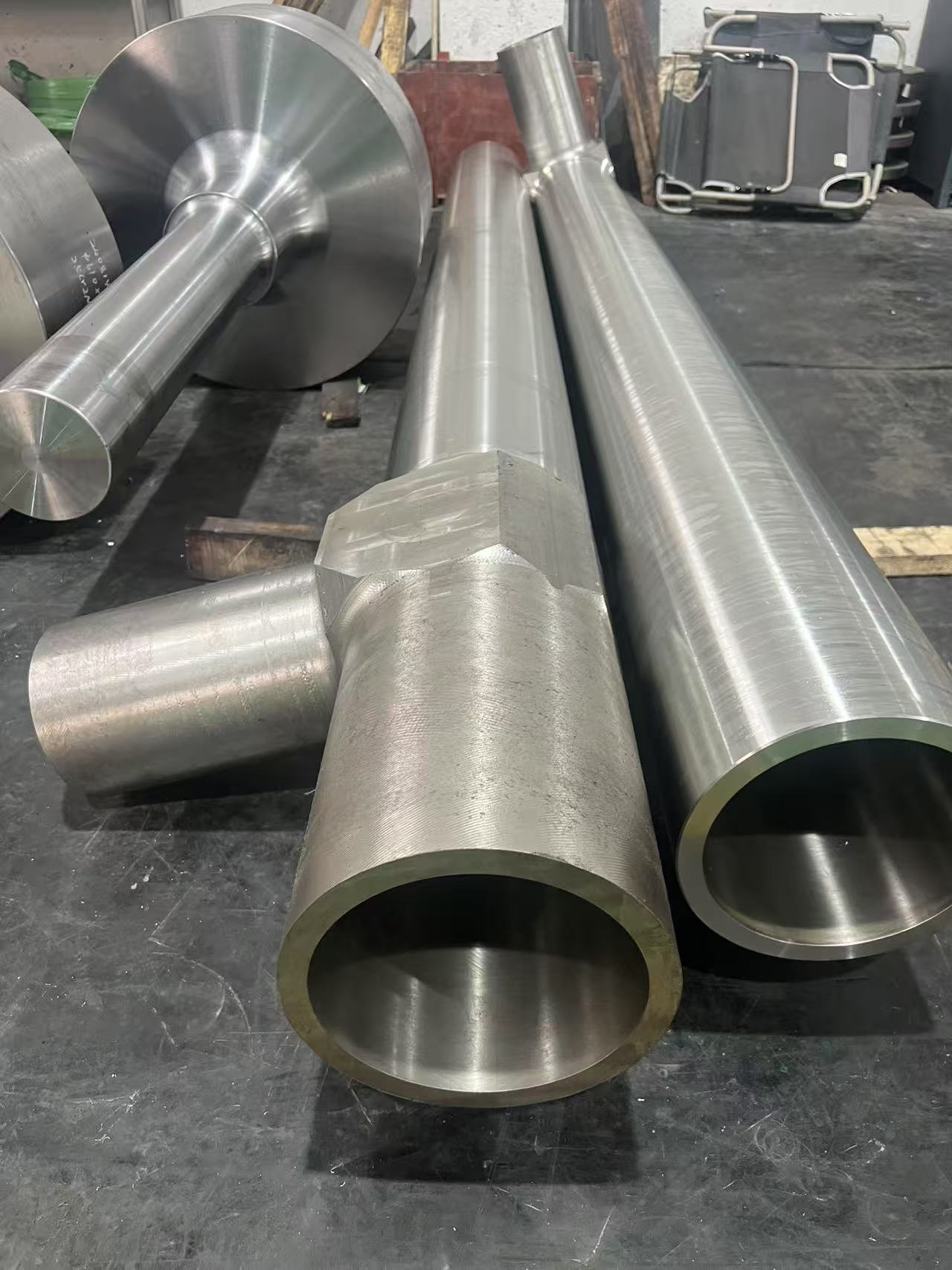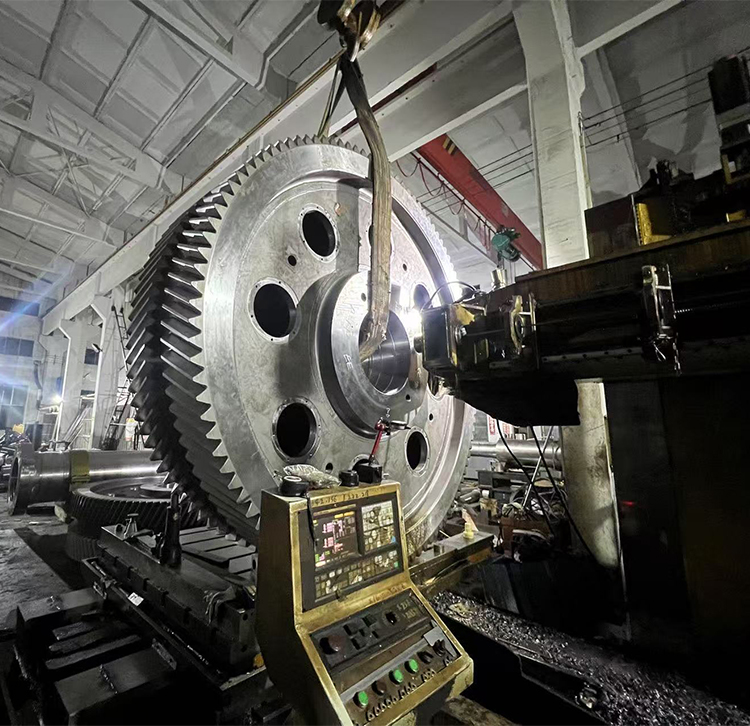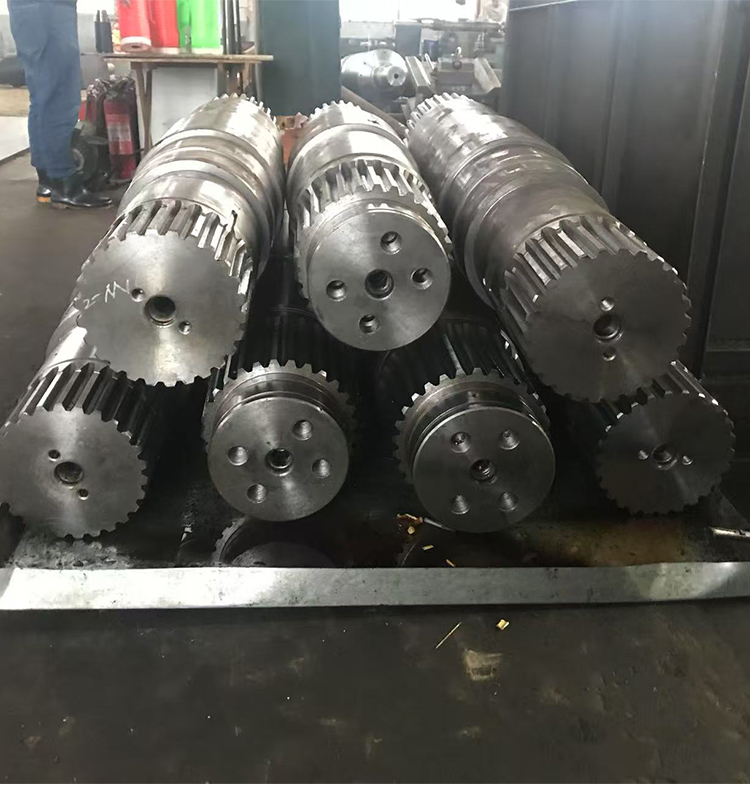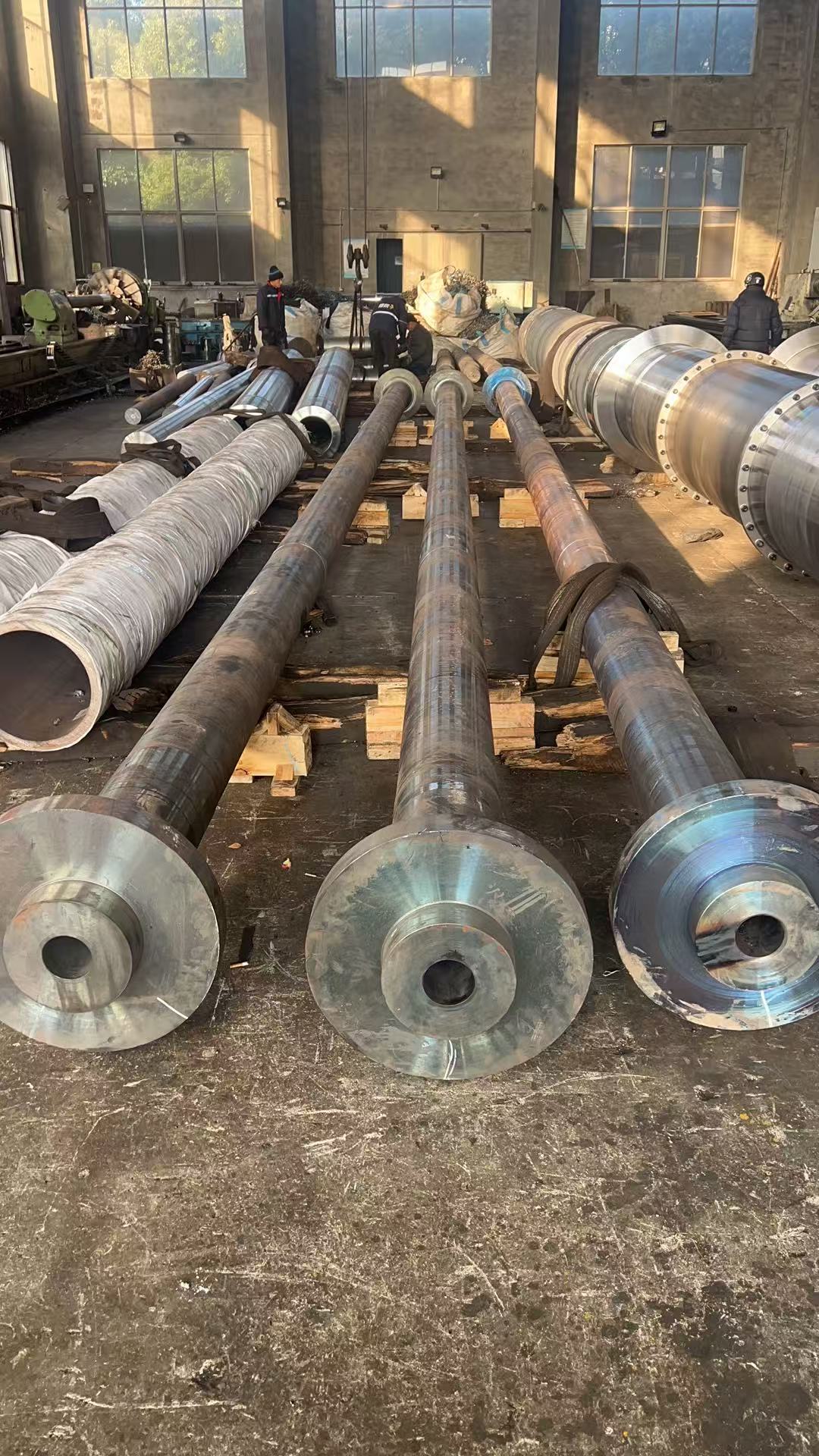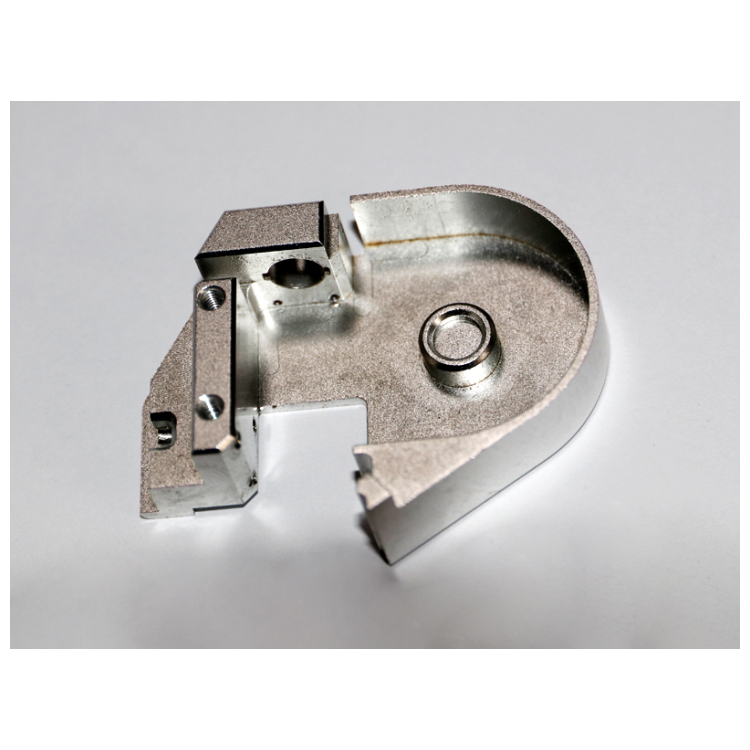


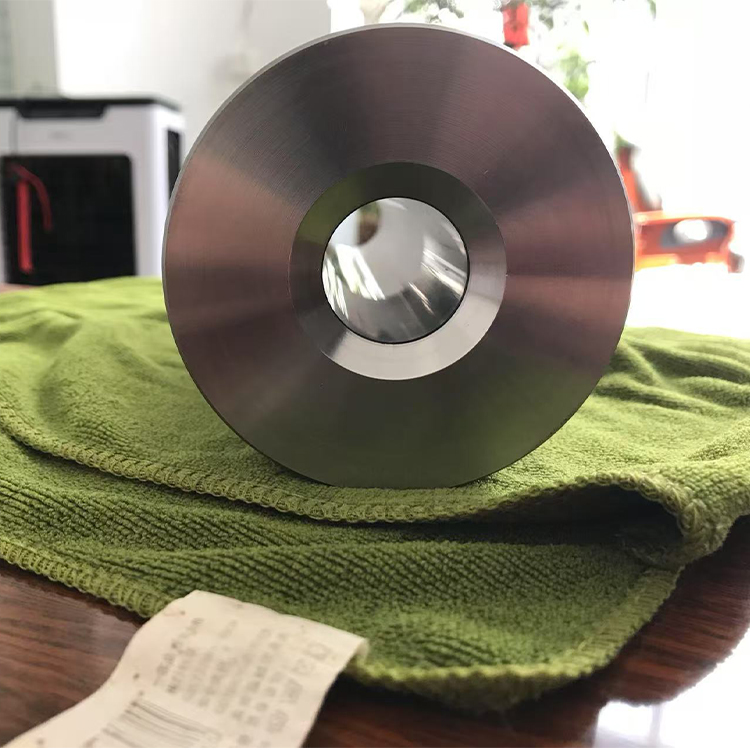
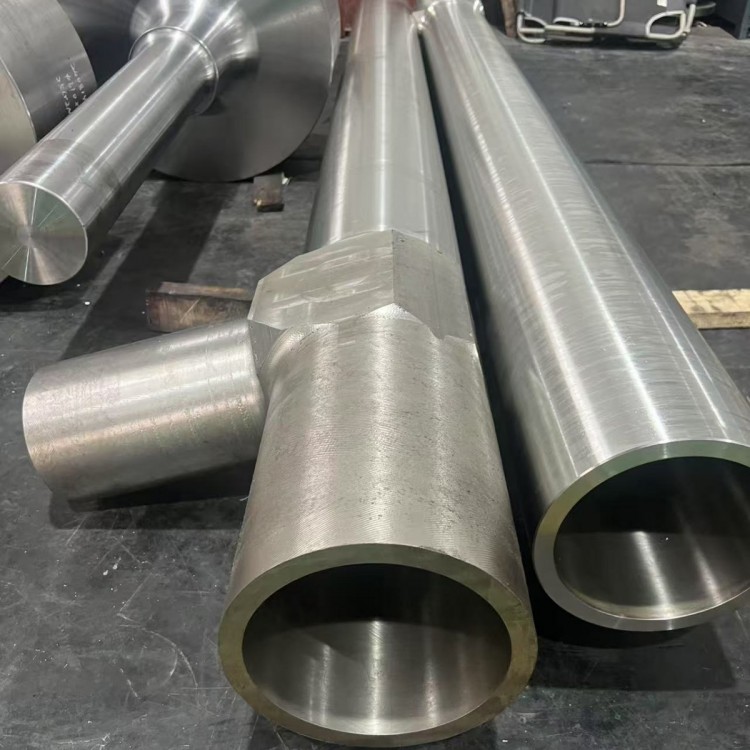







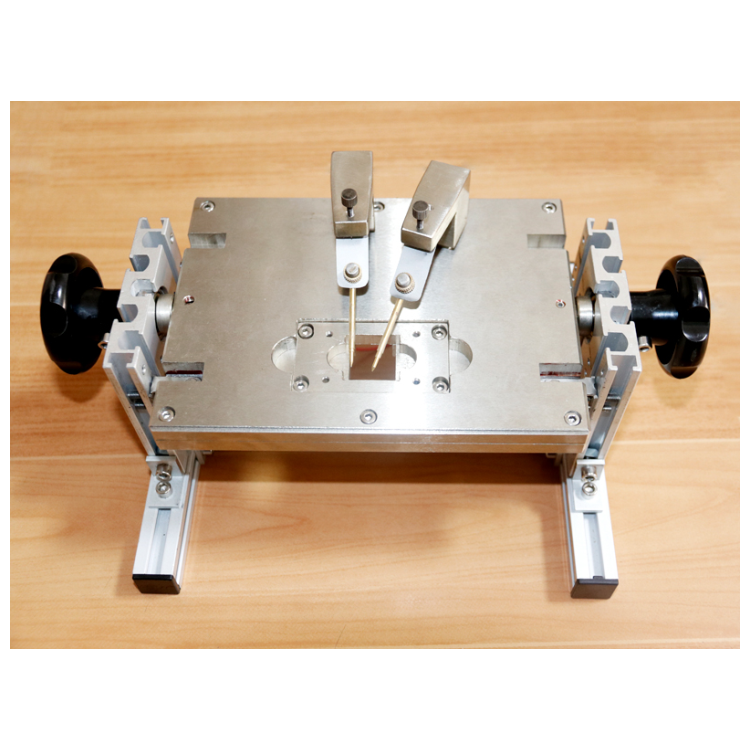


Precision metal partsMaterial can be cut to fit production needs, followed by small parts that can be sheared or CNC machined. Precision metalwork for container assembly certainly requires blanking presses, then welding, sandblasting, and painting before the components are finished. A reminder: small parts also need to be electroplated or painted after sanding. Bulk processing of precision metalwork is more common, so the manufacturing methods and lead times for precision metalwork differ from those of standard product processing.
Precision metal parts processing technology:
1. The processing technology route is highly uncertain; a part or product can have various processes, and the production process requires a wide variety of machinery and fixture types.
2. Hardware manufacturing companies, primarily engaged in decentralized processing, heavily rely on workers' technical proficiency for product quality and production yield. Their level of automation is mainly at the unit level, such as CNC machines and flexible manufacturing systems.
3. Product components are generally selected through a combination of self-manufacturing and outsourcing. For example, special processes like electroplating, sandblasting, oxidation, and silk-screening laser engraving are outsourced to external manufacturers.
4. With a high demand for parts, the workshop often requires filling out numerous material requisition forms and will see production orders arranged in a "linear" pattern. If process management is involved, a substantial number of process transfer forms will also need to be completed.