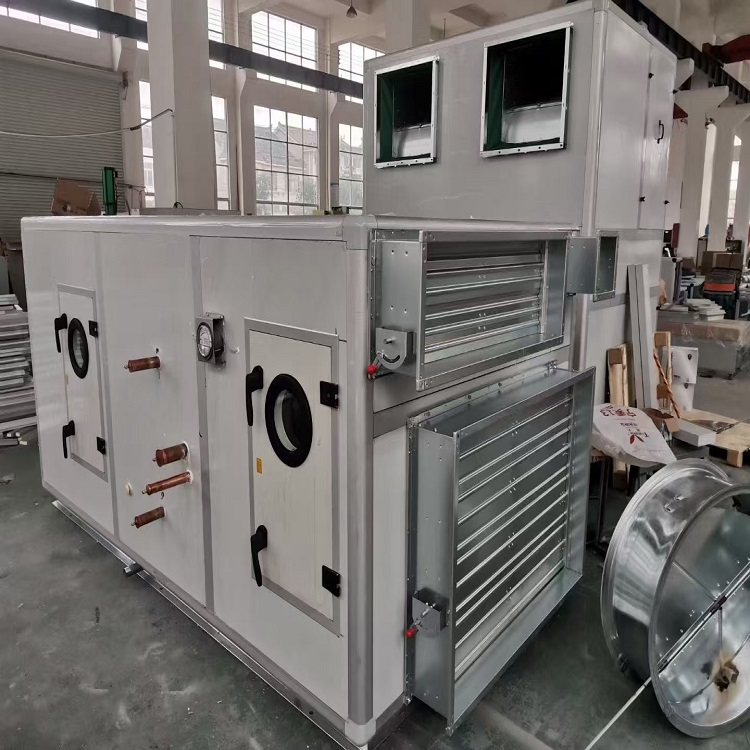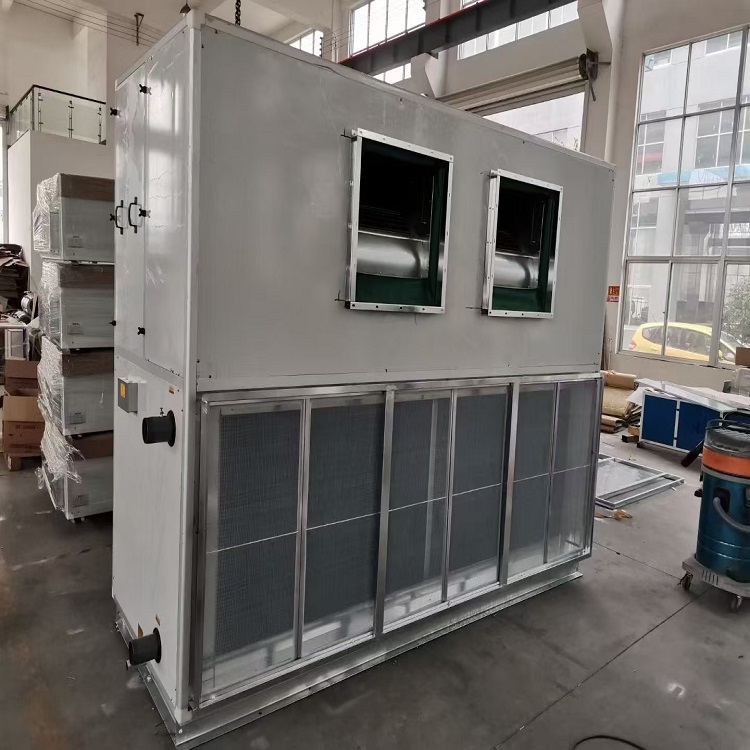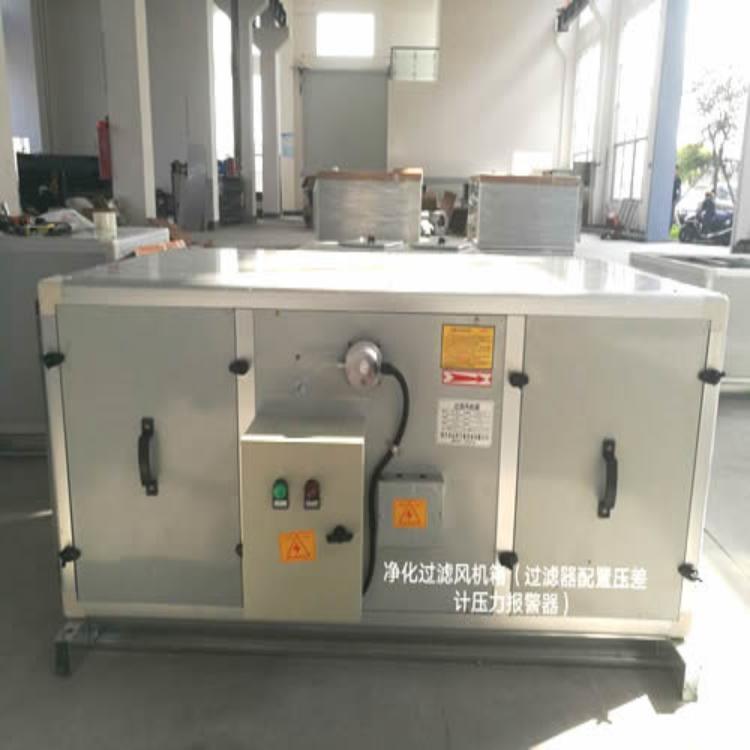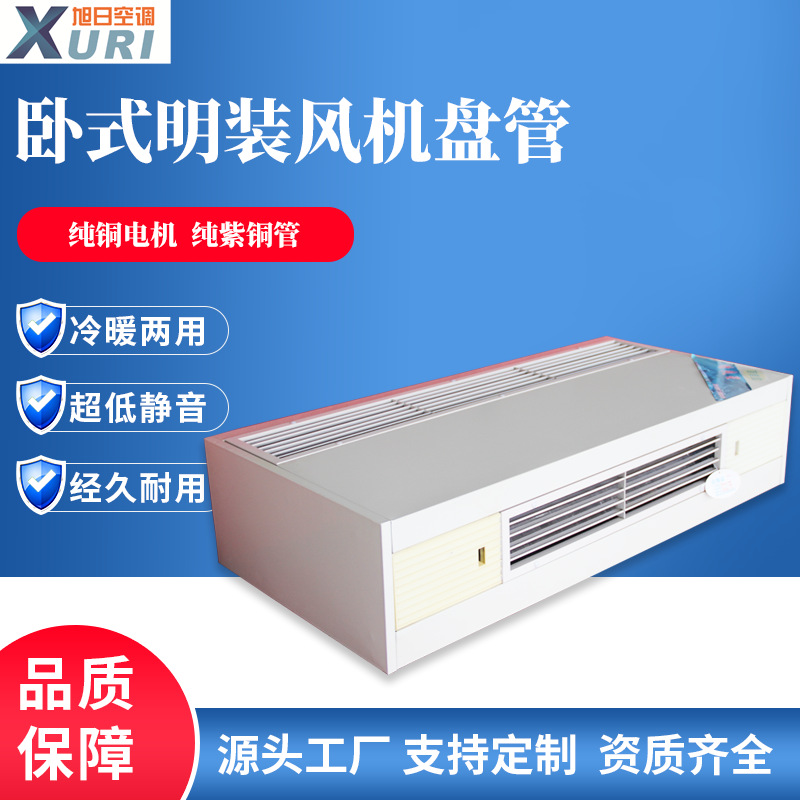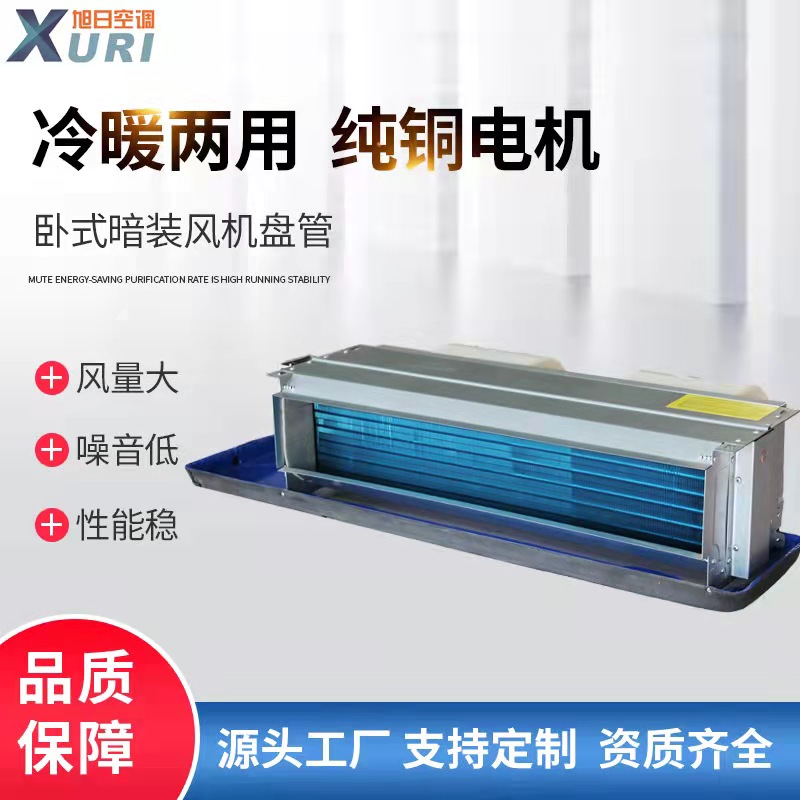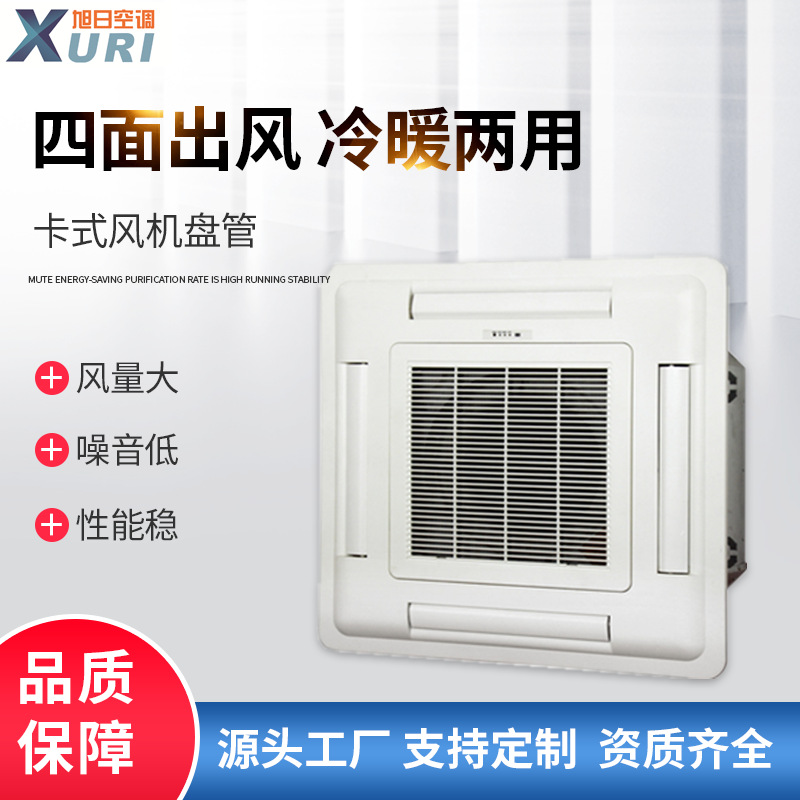




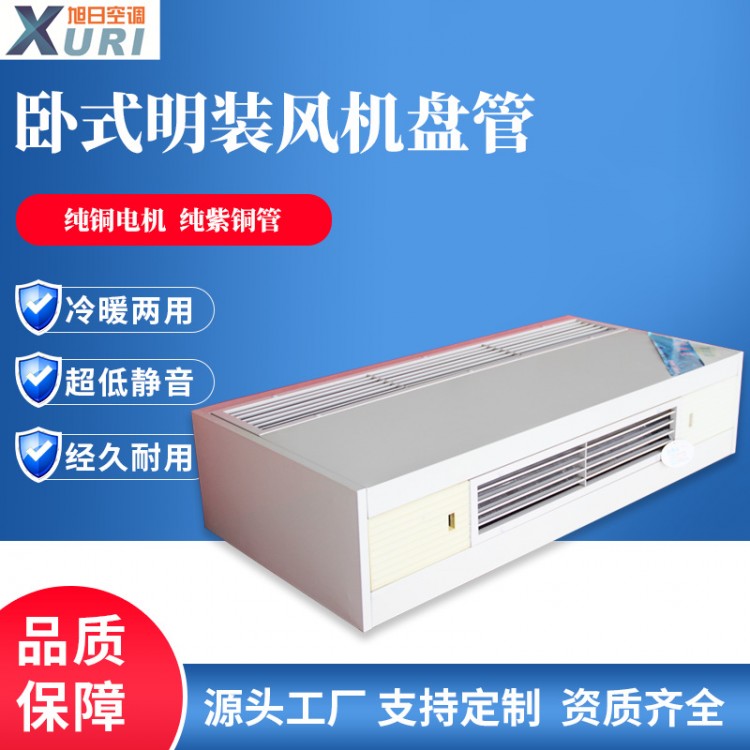





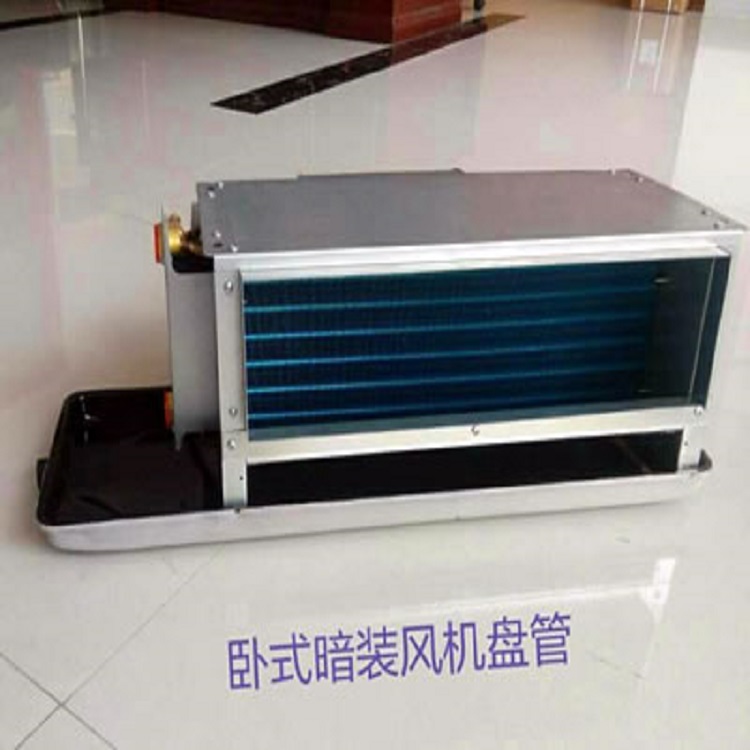

Surface cooler, also known as a surface cooler, is a device used for heating or cooling air.
The working principle of the evaporative cooler is based on the heat exchange principle. It allows heat transfer fluid or refrigerant (such as refrigerant, water, ethylene glycol solution, antifreeze, etc.) to flow through the inner cavity of the metal pipe, while the air to be treated flows over the outer wall of the metal pipe. Through the heat conduction of the metal pipe, it achieves heat exchange between the air and the fluid medium, thereby achieving the purpose of heating or cooling the air.
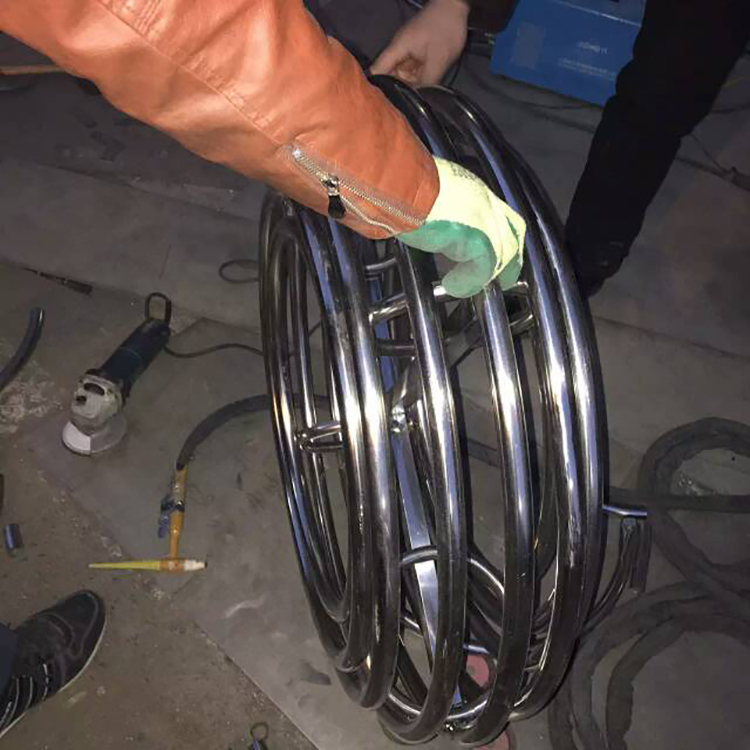
The evaporative cooler is mainly divided into water-cooled and evaporative types. Its structure typically consists of multiple parallel metal pipes (such as copper pipes), with refrigerant or other fluid mediums flowing inside the pipes. The exterior of the pipes is covered with fins to increase surface area and enhance heat exchange efficiency.
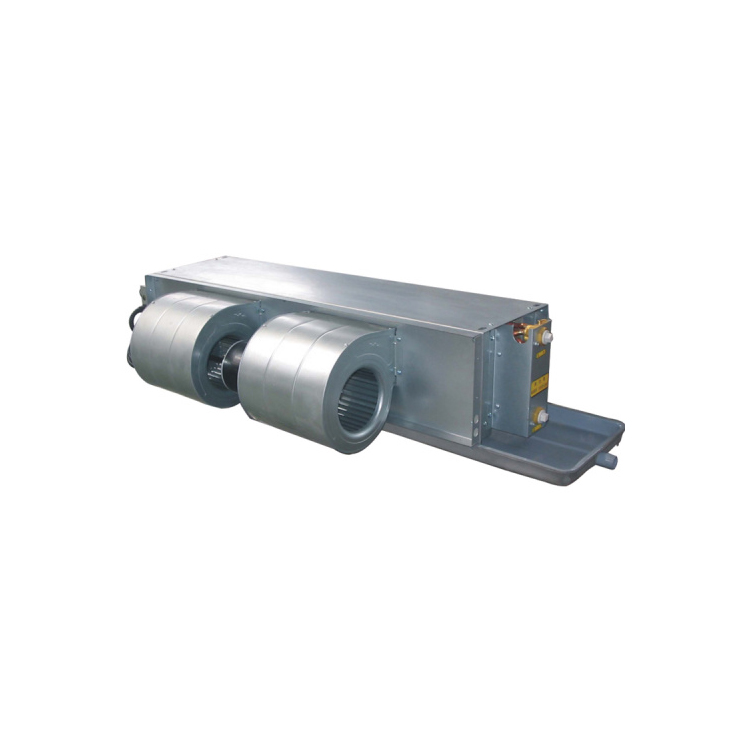
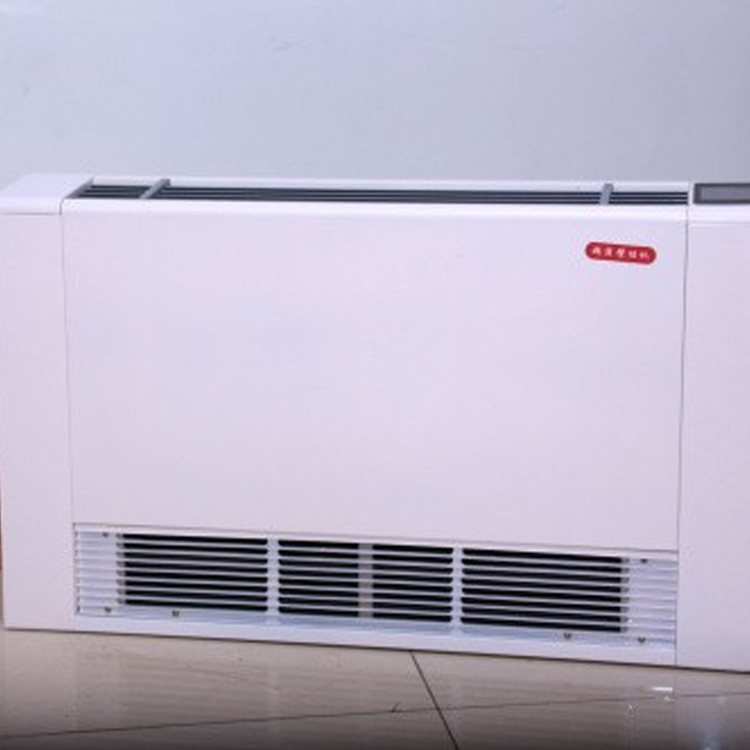
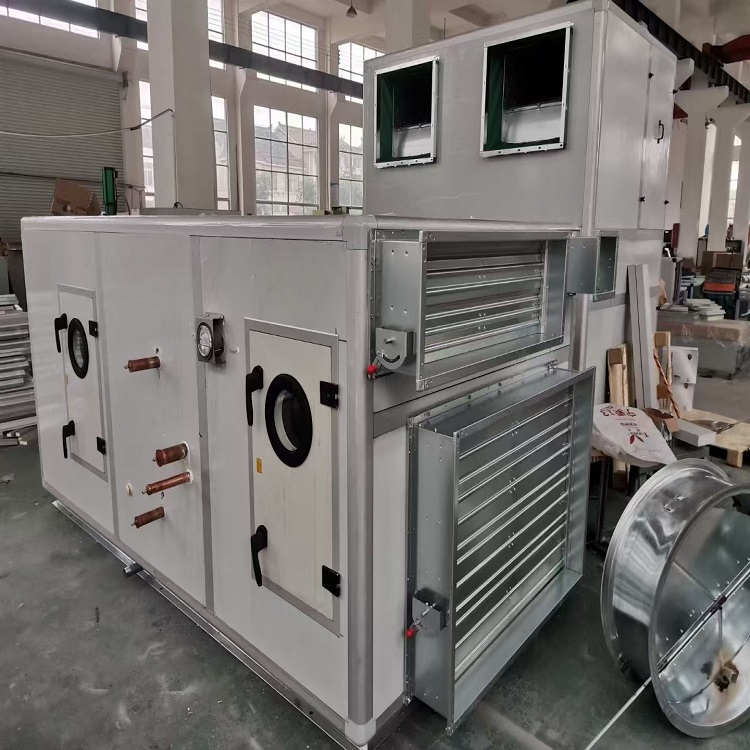
Cooling coils are widely used in various air conditioning systems and are one of the key components. By circulating the refrigerant within the cooling coil, the warm indoor air is cooled as it passes through, achieving the effect of temperature reduction. Additionally, cooling coils are suitable for various architectural and industrial applications, such as offices, shopping malls, and data centers, meeting different cooling requirements in various scenarios.
Cooling coils, as a crucial heat exchange equipment, play a vital role in air conditioning systems. Understanding their working principle, types and structures, functions and applications, as well as precautions and maintenance, can help in better usage and maintenance of cooling coils, ensuring their smooth operation and extending their service life.