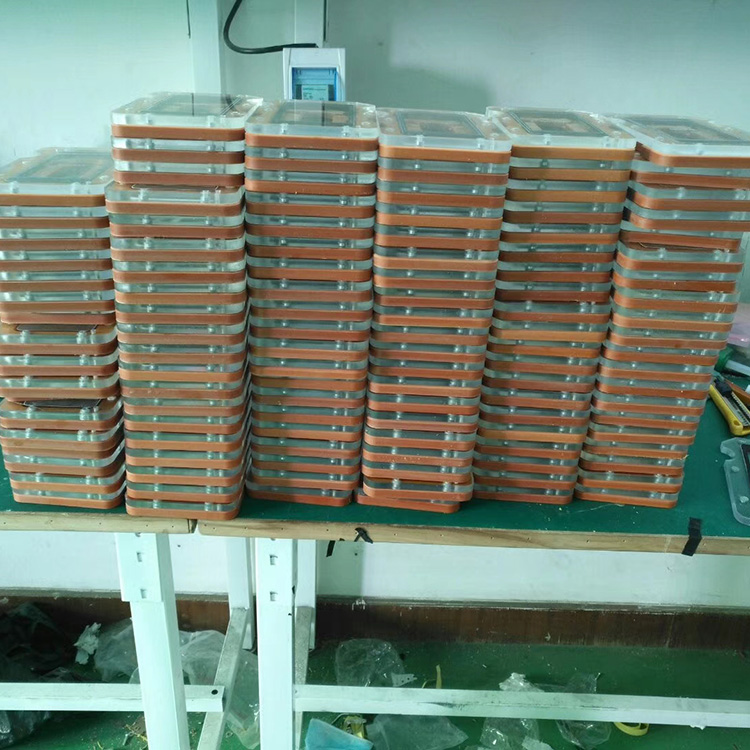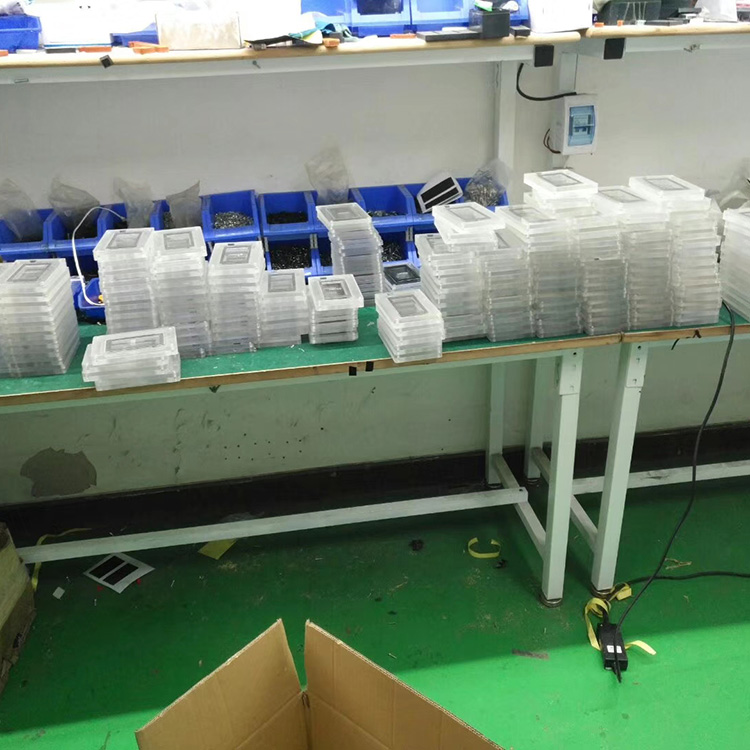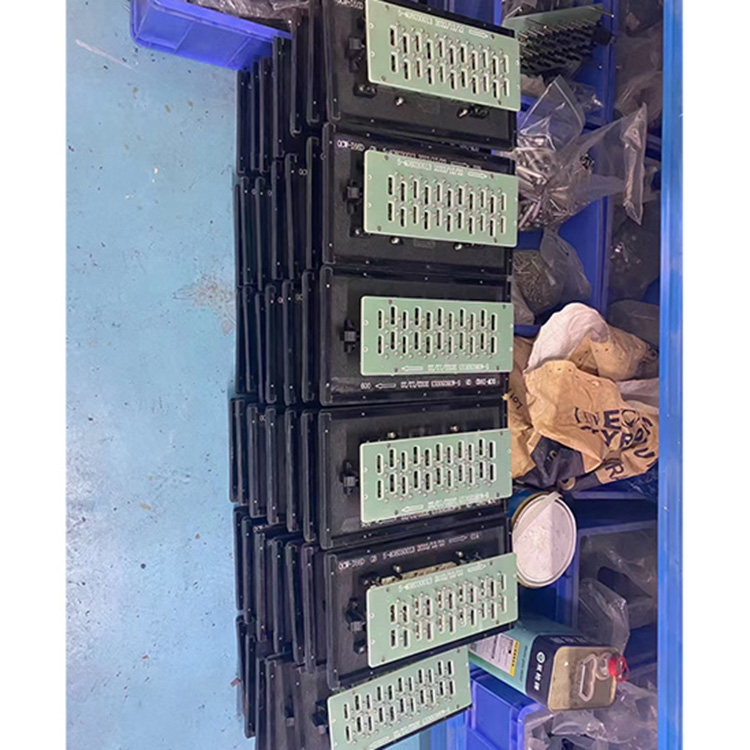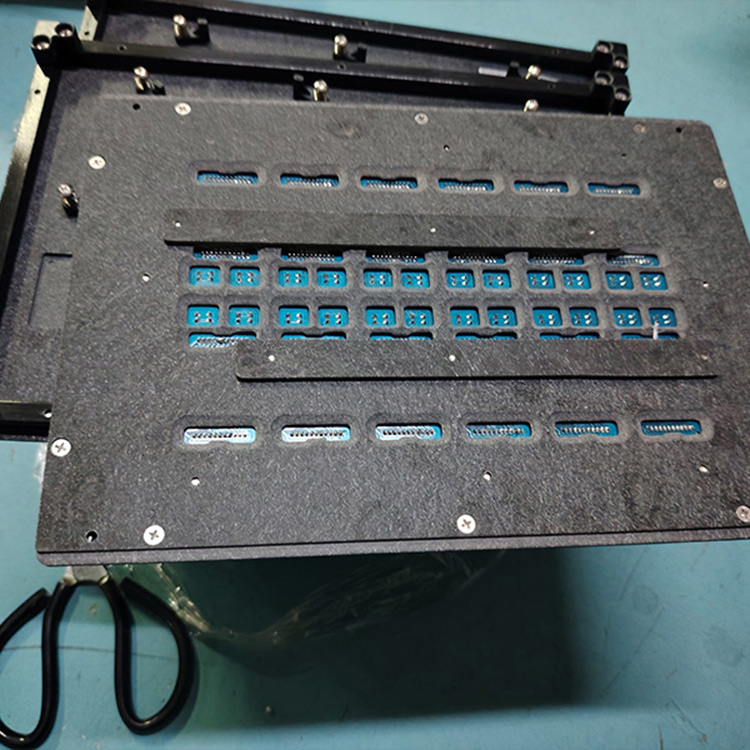







1. Welding seams for water tanks, material: As per stampingStainless Steel Water TankTechnical specifications preparation: The tank accessories are made from ordinary carbon steel plate and shaped steel, welded with LB304NI8.0 welding rods. The quality should comply with the current standards for "Carbon Structural Steel" and "Carbon Steel Welding Rods".
Top, side, and bottom panels of the LB304 stainless steel sheets are joined by butt welding (the top panel with an I-groove weld, the bottom and side walls with V-groove welds). Other welds are corner welds, and there should be no cross intersections between welds, nor should they overlap with reinforcing ribs. The welding machine used is the LB-2-300 type stainless steel water tank welder, which features both electric and argon welding capabilities.
2. Full Water Test
After the water tank is manufactured, fill it completely with water. After 2 to 3 hours, gently tap along the weld seams about 150mm away from each side using a lead hammer weighing between 0.5 to 1.5 kilograms. No leakage indicates passing quality; if any leaks are found, the weld must be re-sealed and tested again.
Scope
Stainless steel water tanks are suitable for large hotels, restaurants, government agencies, apartments, scientific research and teaching buildings, as well as food processing and electronic industries that have high requirements for water quality. (Note: Caution when using in water with high chloride ion content.)
Product Features
1. Stainless steel water tanks typically use SUS304-grade stainless steel sheets, which offer stable physical and chemical properties, ensuring no contamination of water quality and maintaining cleanliness and hygiene.
2. Stamped stainless steel water tanks, featuring high strength, light weight, neat appearance, and elegant aesthetics.
3. Water tank panels are generally made of 3042B sheet with 8.0% nickel content or higher, featuring a smooth and attractive surface that is easy to clean.
4. With a dense oxide layer on the surface, it boasts excellent corrosion resistance and good sealing properties.
5. High impact resistance and strong seismic performance.
6. Compare with other types of water tanks.
WeChat Official Account

Scan to follow Official Account