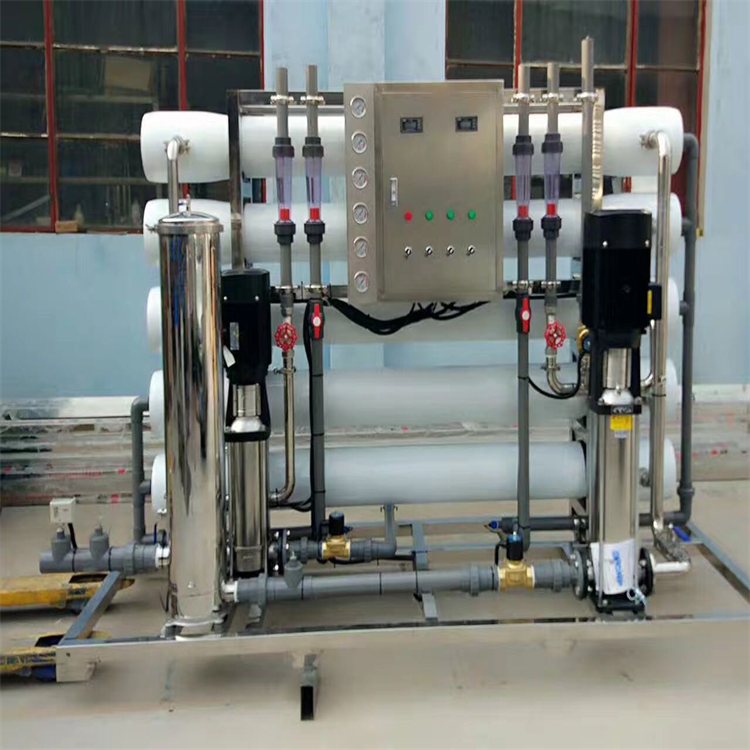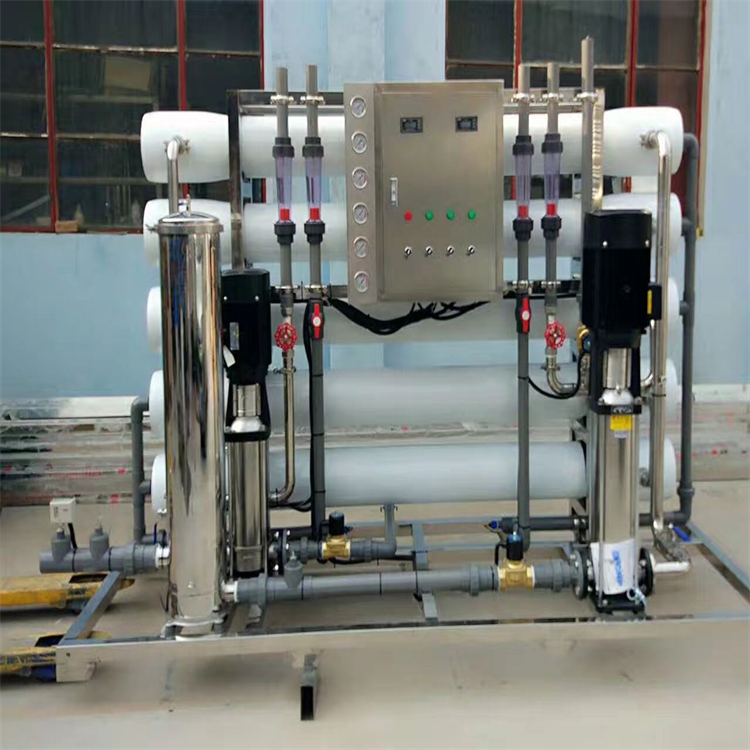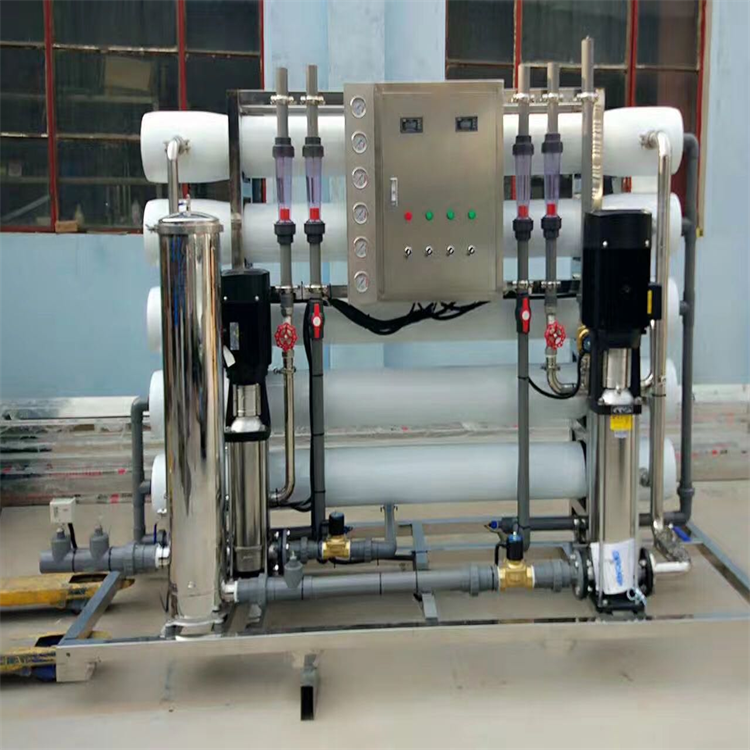

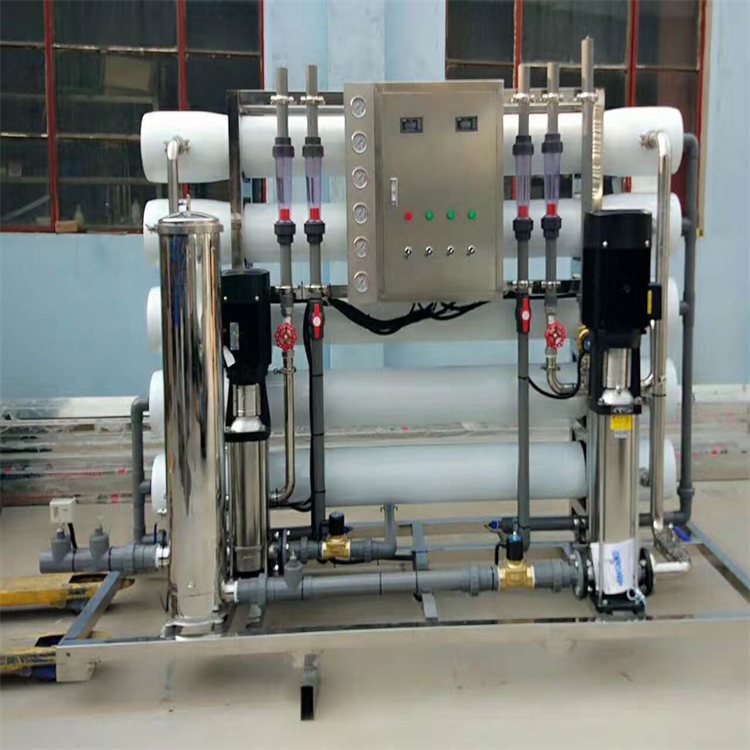
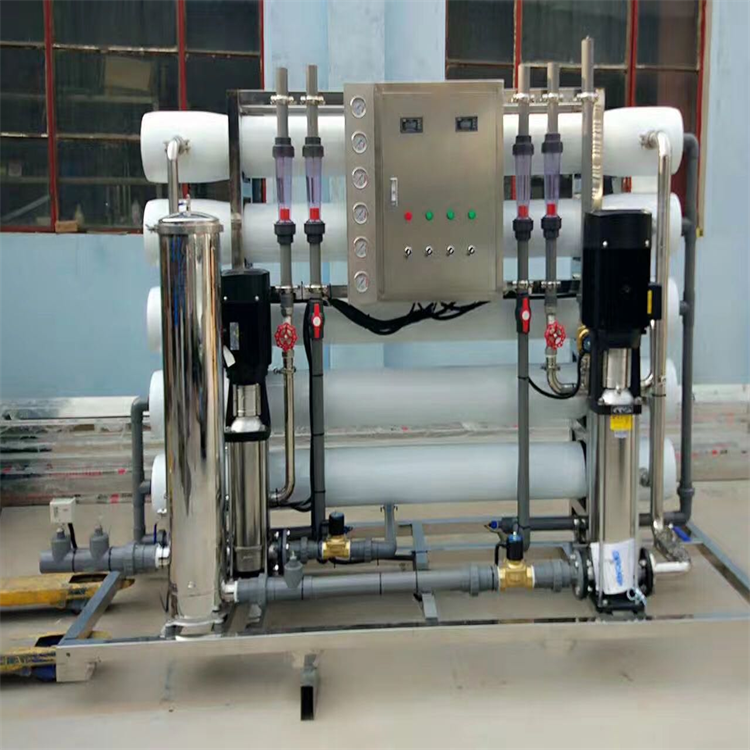
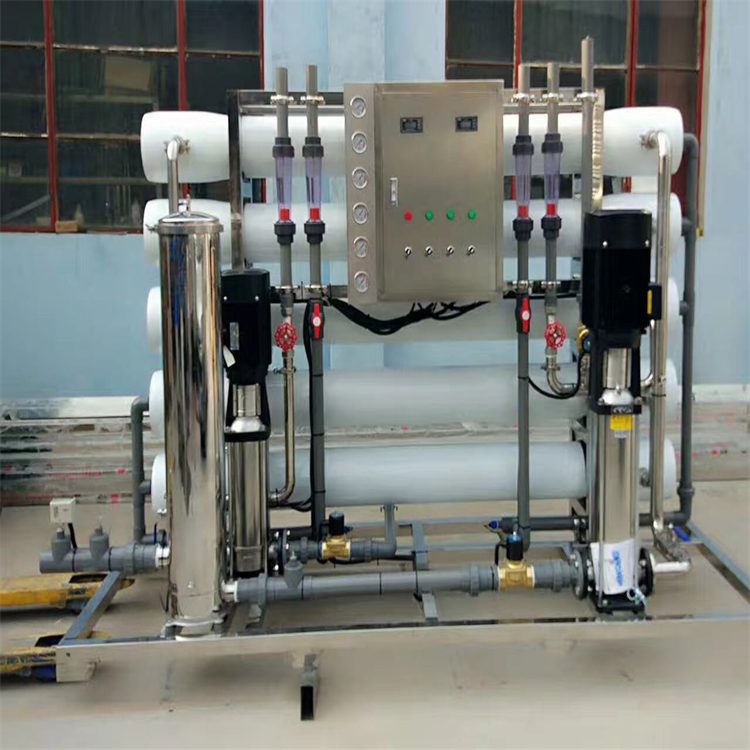








Reverse osmosis is a method that reverses the natural osmosis process. Osmosis and reverse osmosis are both achieved through a semi-permeable membrane. When two solutions of different concentrations are separated by a semi-permeable membrane, the solvent of the less concentrated solution will pass through the membrane into the side of the solution, a phenomenon known as osmosis. When an external pressure is applied to the side of the concentrated solution, the osmosis rate will decrease. When this pressure reaches a certain value, the osmosis process will stop, reaching an osmotic balance. The external pressure required to maintain this balance is called the osmotic pressure. When the pressure on the side of the concentrated solution is increased further, exceeding the osmotic pressure, the solvent will reverse its original osmotic direction, passing from the concentrated solution side through the semi-permeable membrane into the side of the less concentrated solution. This is called reverse osmosis. In water purification systems, pressure is applied to the concentrated solution to counteract the osmotic pressure, forcing water to pass through the reverse osmosis membrane (RO membrane) and be collected, resulting in pure water.