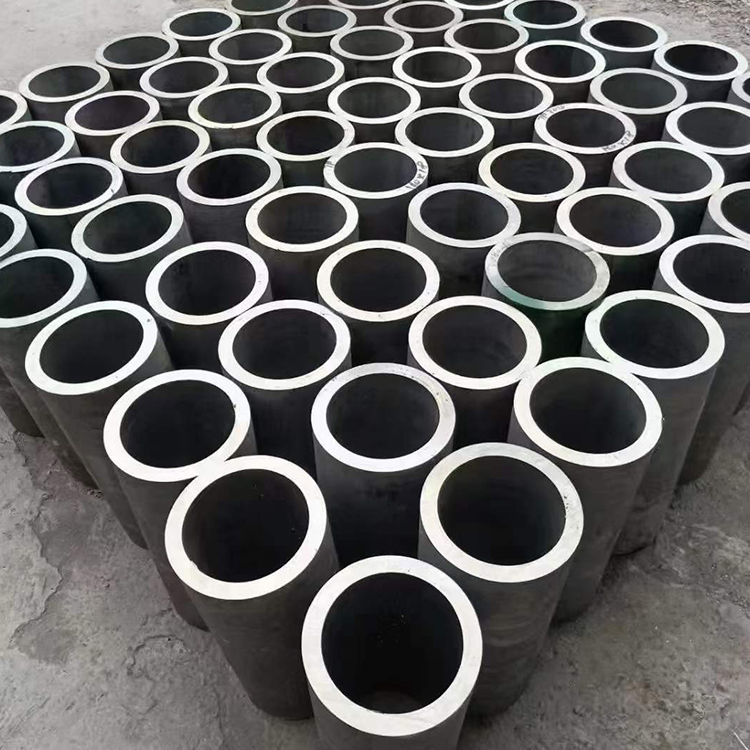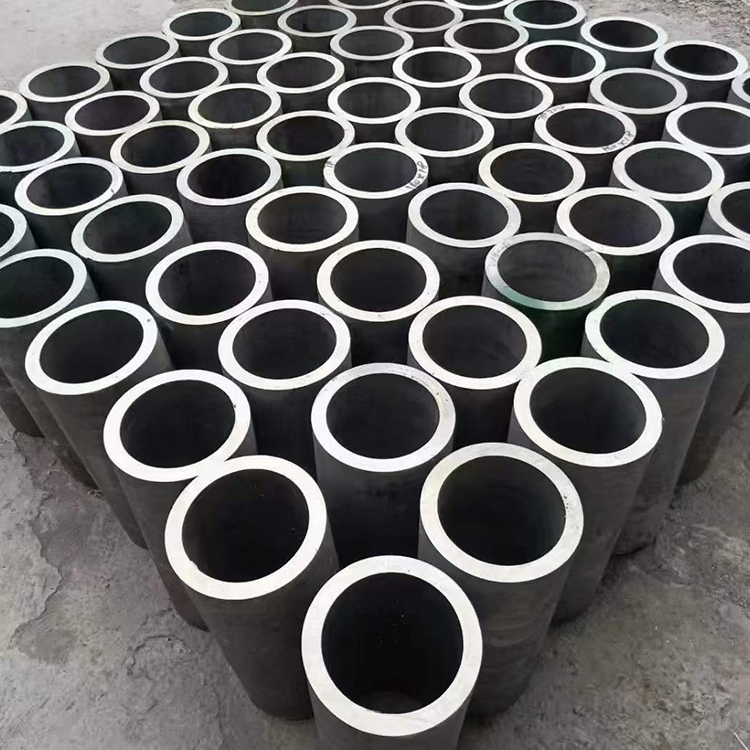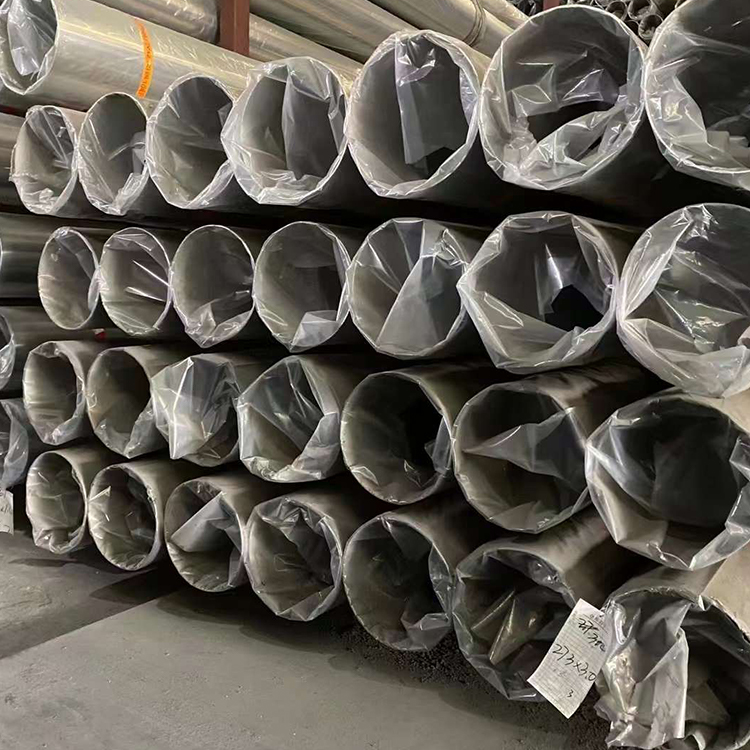

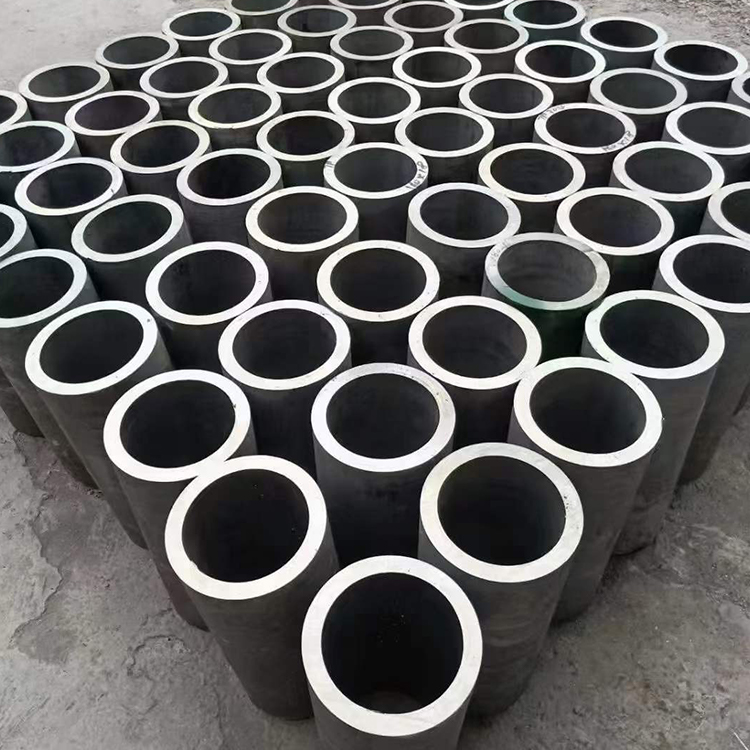

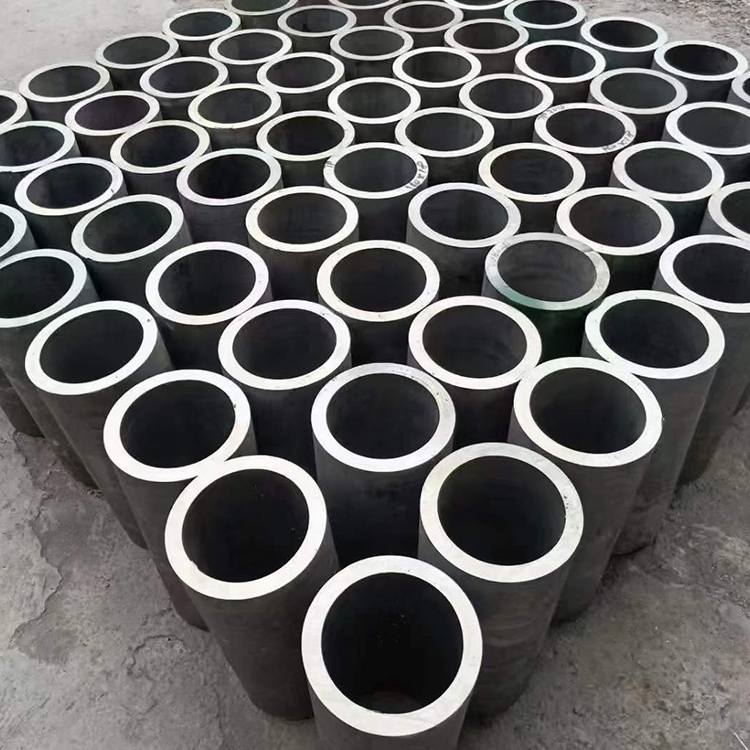







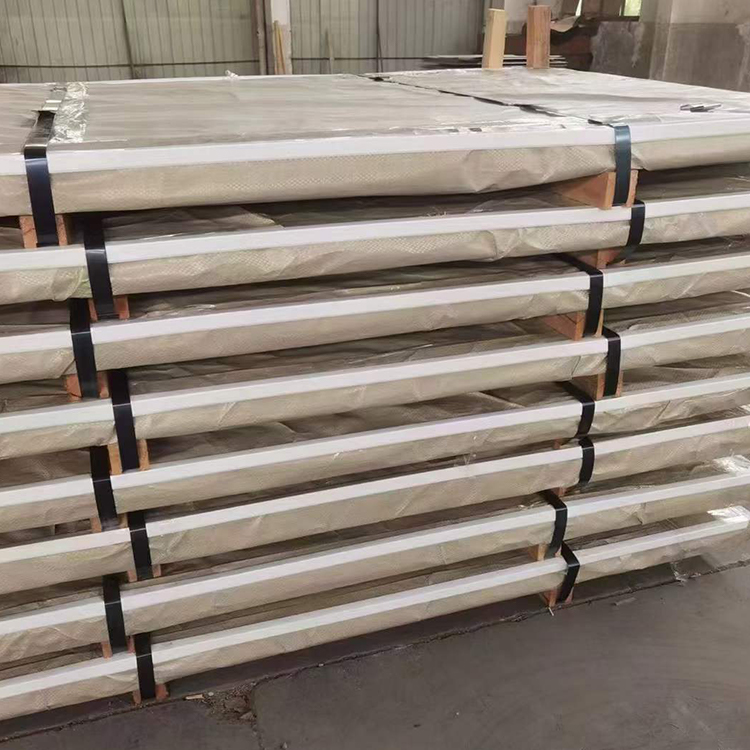
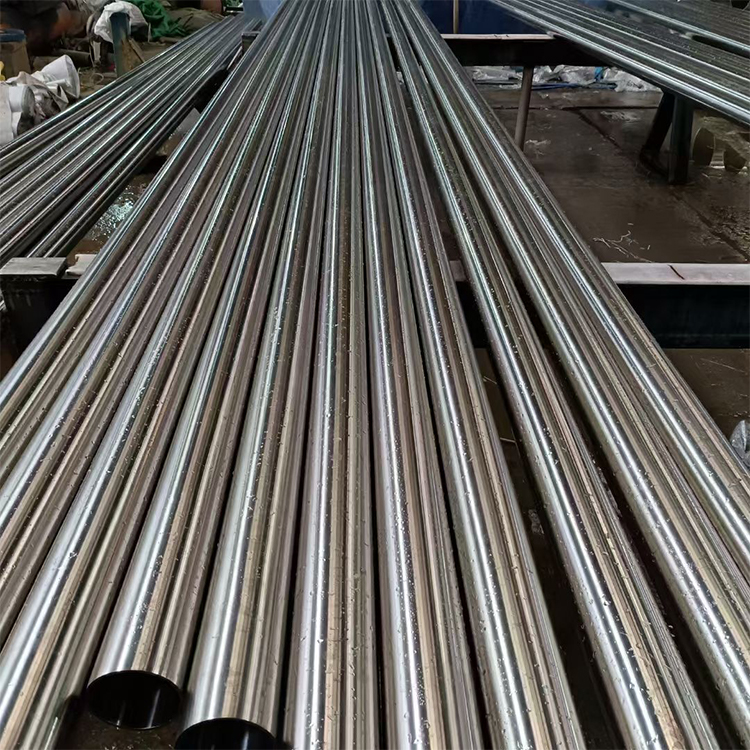
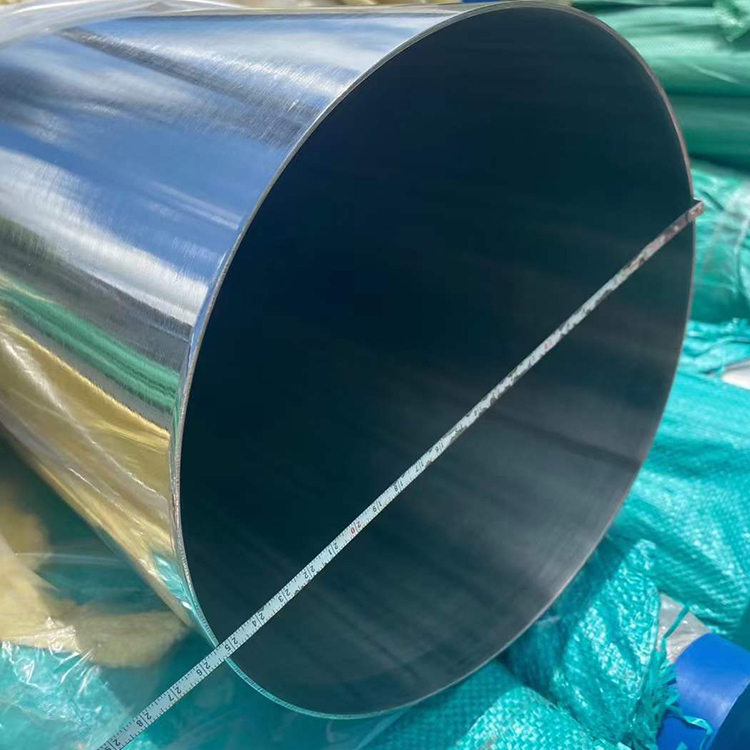
Stainless steel seamless tubes are long strips of steel with hollow cross-sections and no seams around them. The thicker the wall thickness of this material, the greater its economy and practicality; however, thinner walls increase processing costs. The manufacturing process of stainless steel seamless tubes determines their limitations, generally resulting in lower precision, such as uneven wall thickness, low brightness on the inner and outer surfaces, high fixed-length costs, and potential presence of pits or black spots on the surfaces, which are difficult to remove. Additionally, their inspection and shaping processes require offline handling. Despite these limitations, stainless steel seamless tubes demonstrate their superiority in high-pressure, high-strength, and mechanical structural applications.
In terms of material, the commonly used 304 stainless steel seamless pipe complies with national standards GB/T14976-2002 (Seamless steel pipes for fluid conveyance), GB/T14975-2002 (Seamless steel pipes for structural use), and GB/T13296-91 (Seamless steel pipes for boilers and heat exchangers). These pipes undergo rigorous testing before shipment to ensure compliance with the technical specifications of national standards. The features of 304 stainless steel seamless pipes include being free of sand holes, sand pores, black spots, and cracks, with smooth welds.
In summary, stainless steel seamless pipe is a tube material with significant advantages in specific application fields, although it has limitations in some aspects, it performs exceptionally well in high-pressure, high-strength, and mechanical structural applications.