







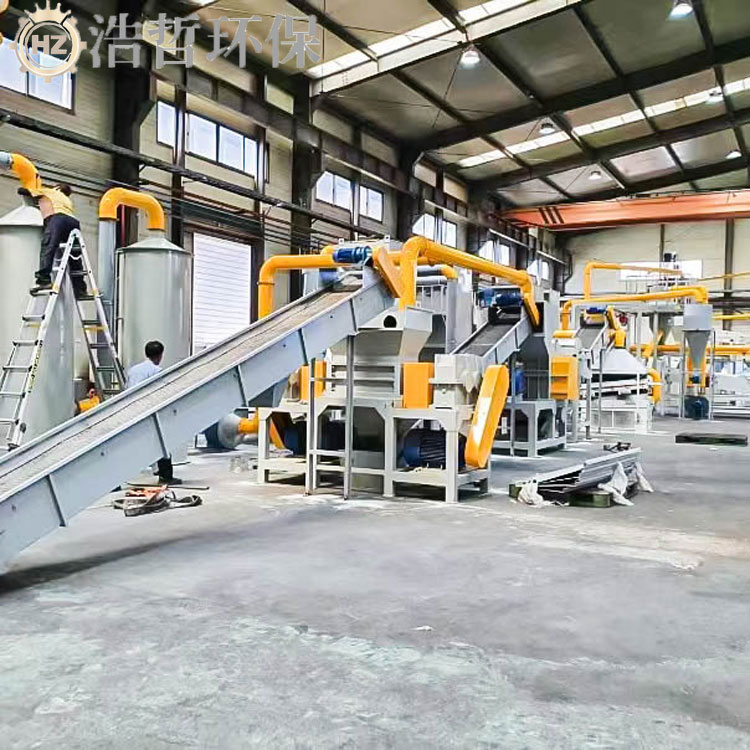
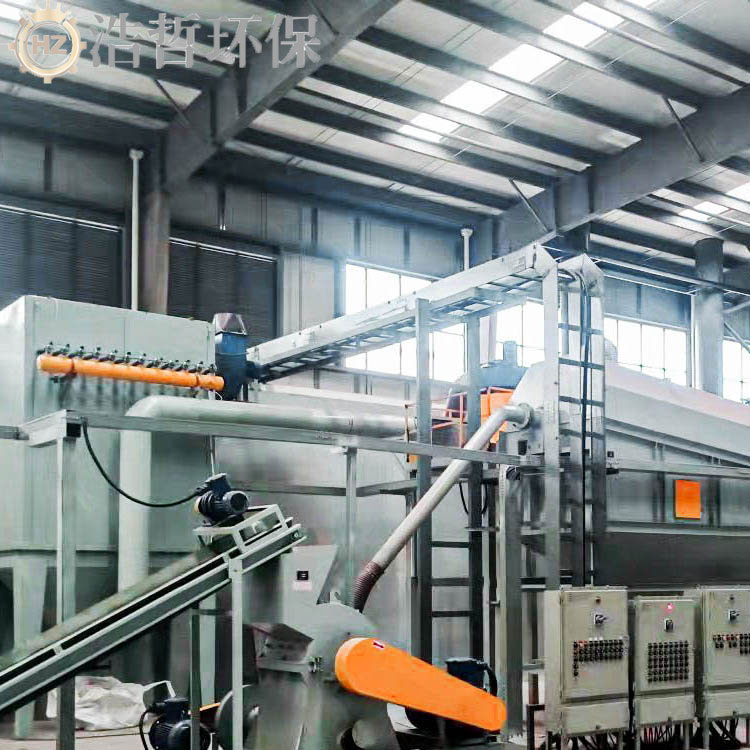
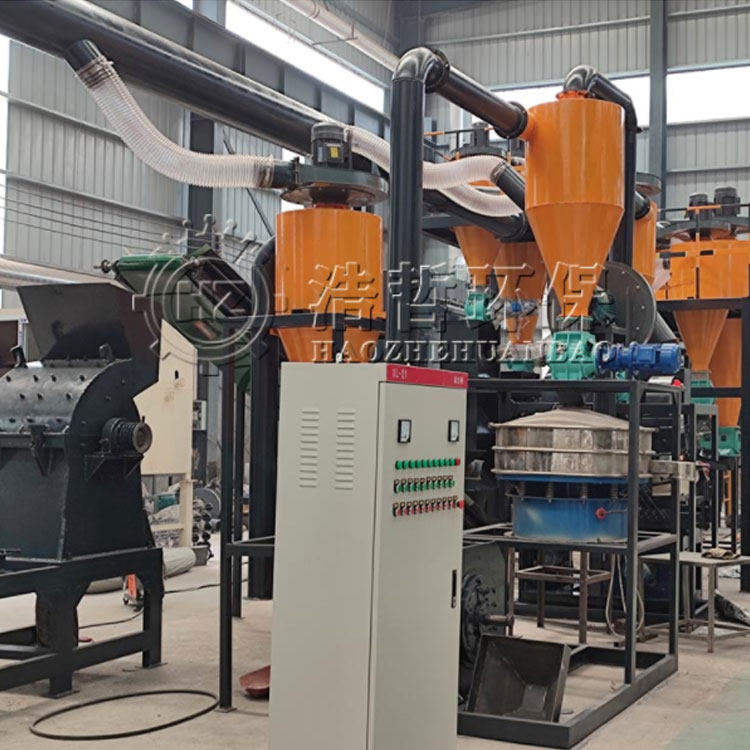
The copper (about 35% content) in the cathode of mobile phone lithium batteries is an important raw material widely used in production. The carbon powder adhered to it can be used as an additive in plastics, rubber, and others. Therefore, effectively separating the cathode composition materials of waste lithium batteries plays a driving role in maximizing the resource utilization of waste lithium batteries and eliminating their corresponding environmental impact. Common methods for the resource recovery of waste lithium batteries include hydrometallurgy, pyrometallurgy, and mechanical physical methods. Compared to hydrometallurgy and pyrometallurgy, mechanical physical methods do not require chemical reagents and have lower energy consumption, making it an environmentally friendly and efficient method. The authors of this article, based on the structural characteristics of the lithium battery cathode, have conducted separation and enrichment research using a combination of crushing, screening, and air classification processes to achieve the separation and recovery of copper, aluminum, and carbon powder from the cathode of waste lithium batteries.
Working Principle of Mobile Lithium Battery Recycling and Treatment Equipment:
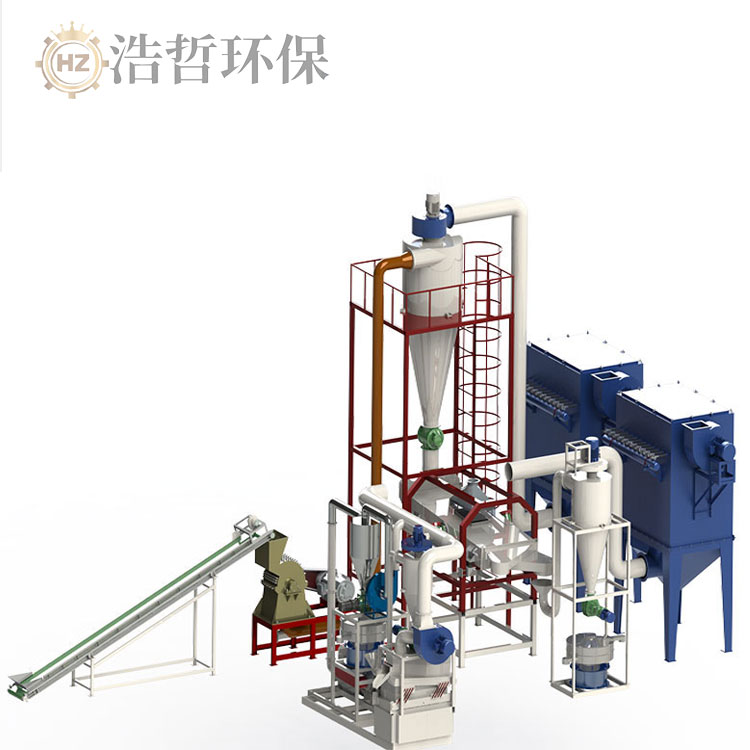
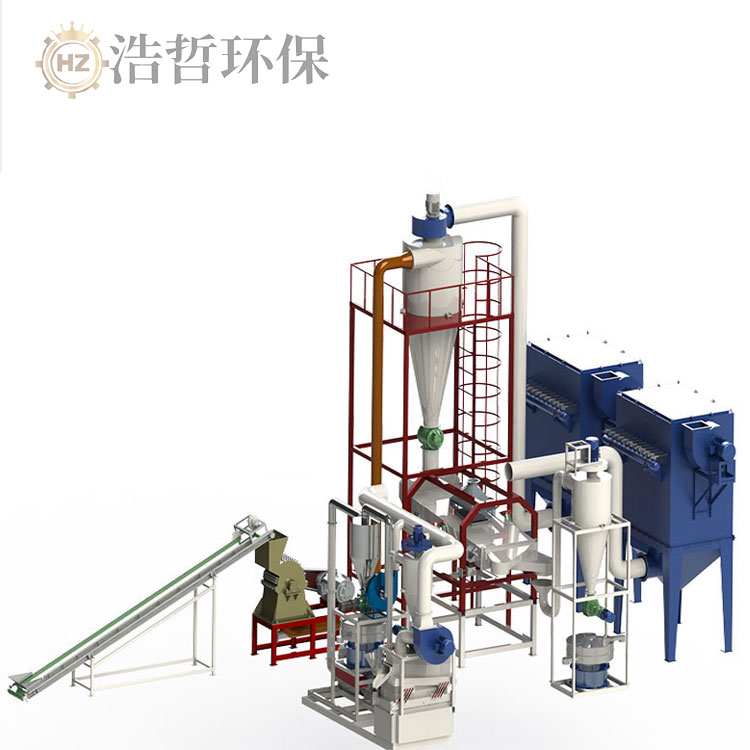
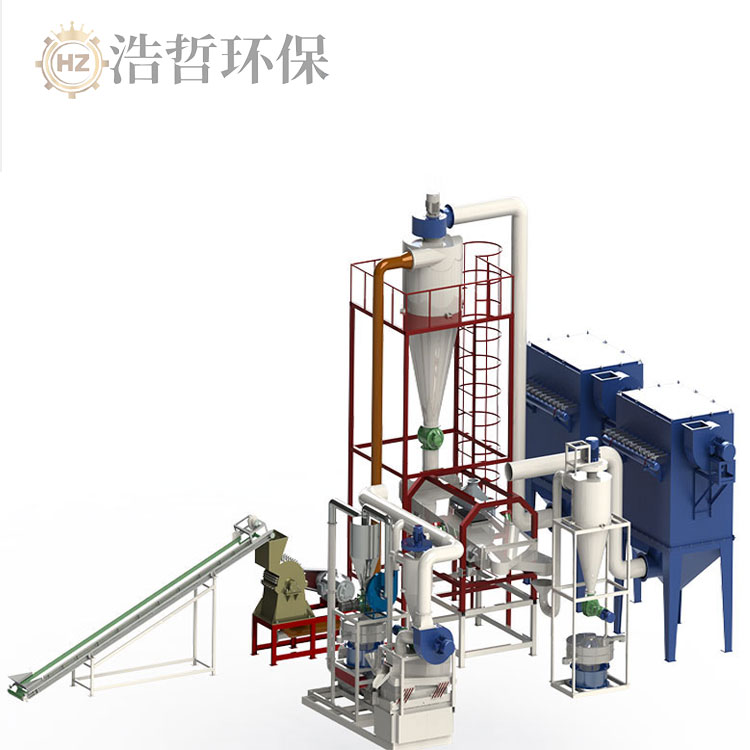
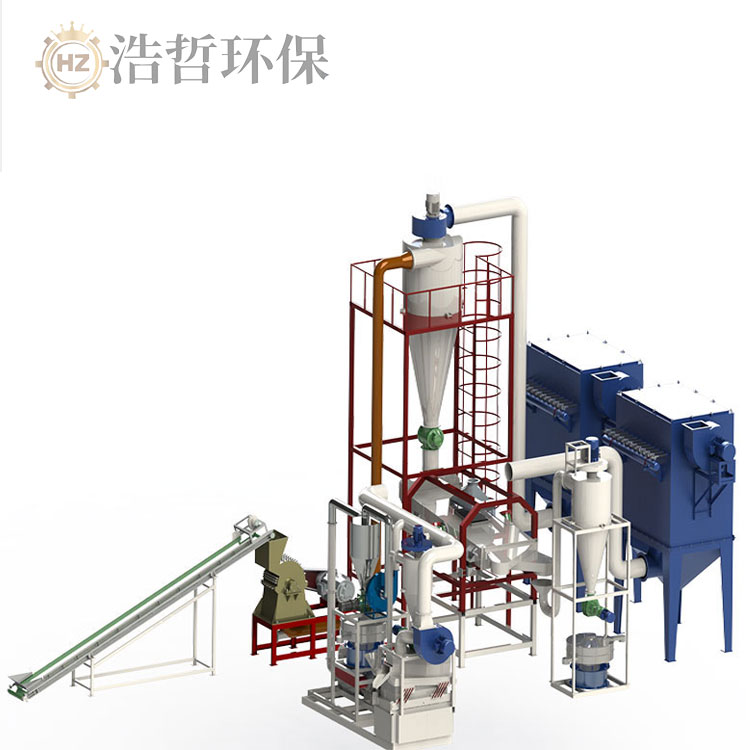
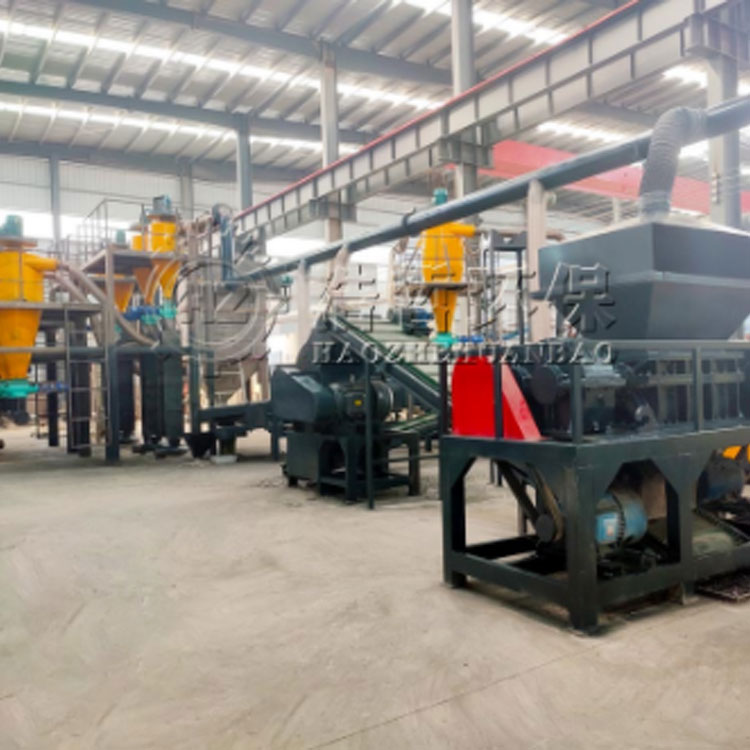
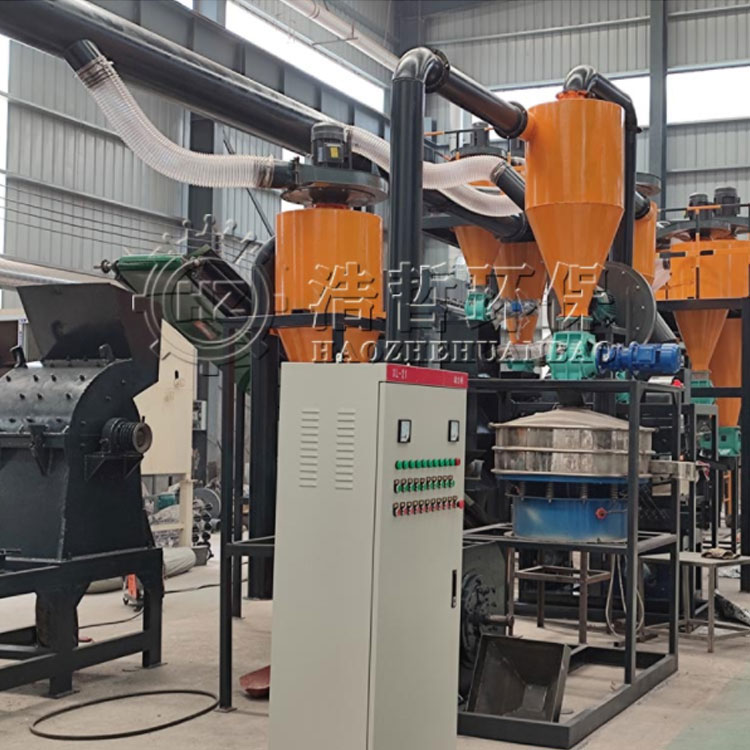
Based on the material characteristics of the anode and cathode structures of lithium-ion batteries, specifically the copper and carbon powder composition, a combined process of tearing machines, wind separators, hammer-milling crushing, vibration screening, and air classification is employed to separate and recycle the negative electrode materials from waste lithium-ion batteries.
Mobile Lithium-ion Battery Recycling and Processing Equipment Features:
1. A combined process of hammer vibration crushing, vibration screening, and air classification can achieve the resource utilization of copper and carbon powder in waste lithium battery anode materials.
2. Positive and negative pole materials can be effectively stripped from each other through hammer vibration crushing, followed by preliminary separation of copper foil from carbon powder through vibration screening based on particle size and shape differences. The results of hammer vibration stripping and screening separation show...
3. The equipment is primarily used by lithium-ion battery manufacturers for the separation of positive and negative electrode materials from scrapped lithium batteries, for the purpose of recycling. The complete set operates under vacuum conditions, ensuring no dust leakage.
Operating Principle: The whole lithium battery is first mechanically disassembled, the shell separated, and the separator removed. The positive and negative electrode materials are then crushed to less than 10mm using a coarse crusher. Subsequently, they are shredded and stripped in a micro-pulverizer, followed by separation treatment in a micro-powder classifier. The tailings are collected by the downstream cyclone separator and pulse dust collector.
Common Lithium Battery Categories:
Lithium-ion batteries can be categorized into several types (soft-pack, plastic casing, aluminum casing, and 18650 zinc-plated casing). Depending on the material of the lithium-ion batteries, we tailor our production process to their specific characteristics.