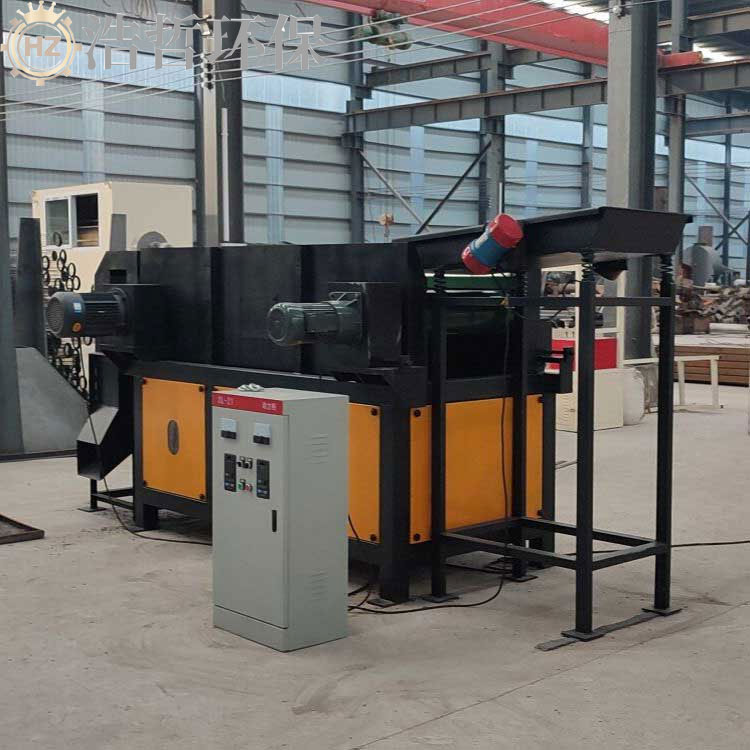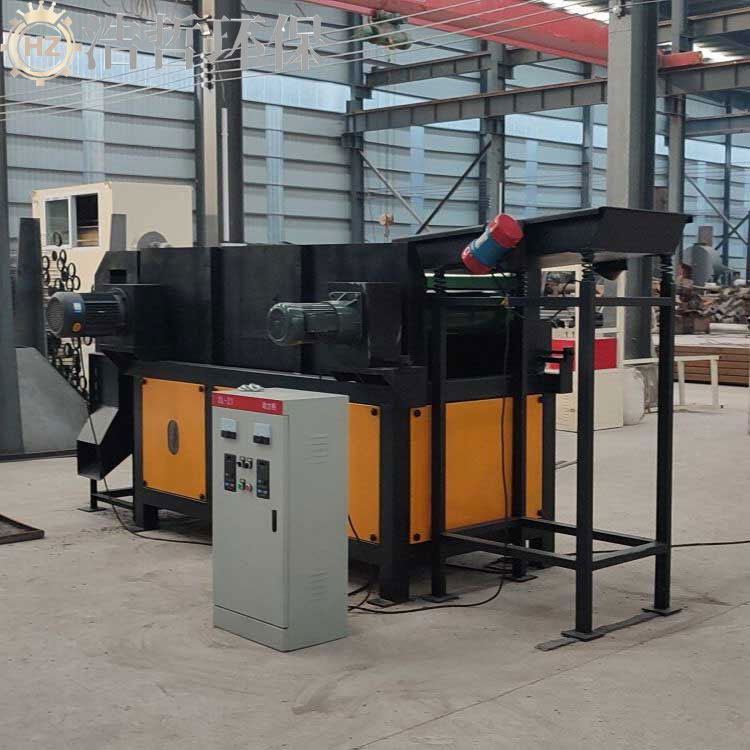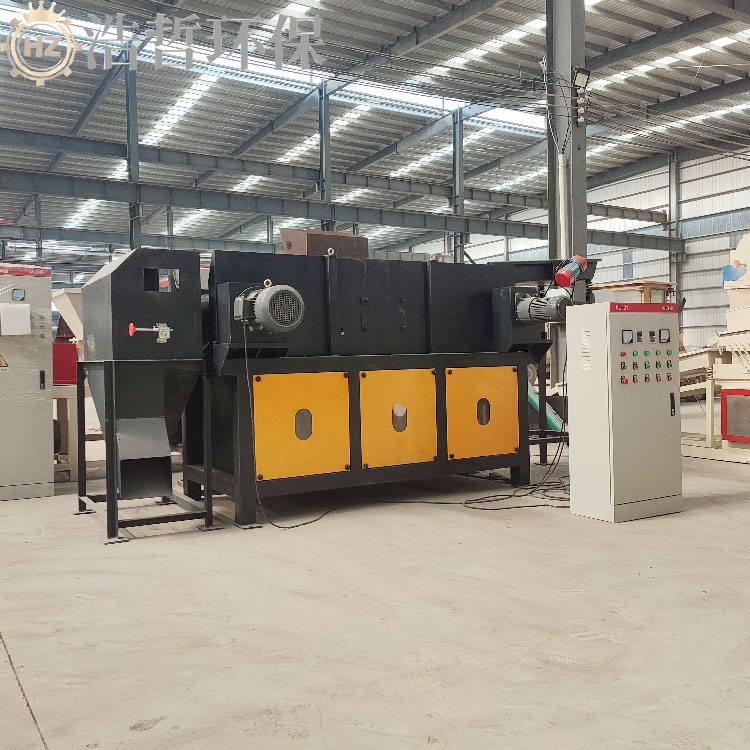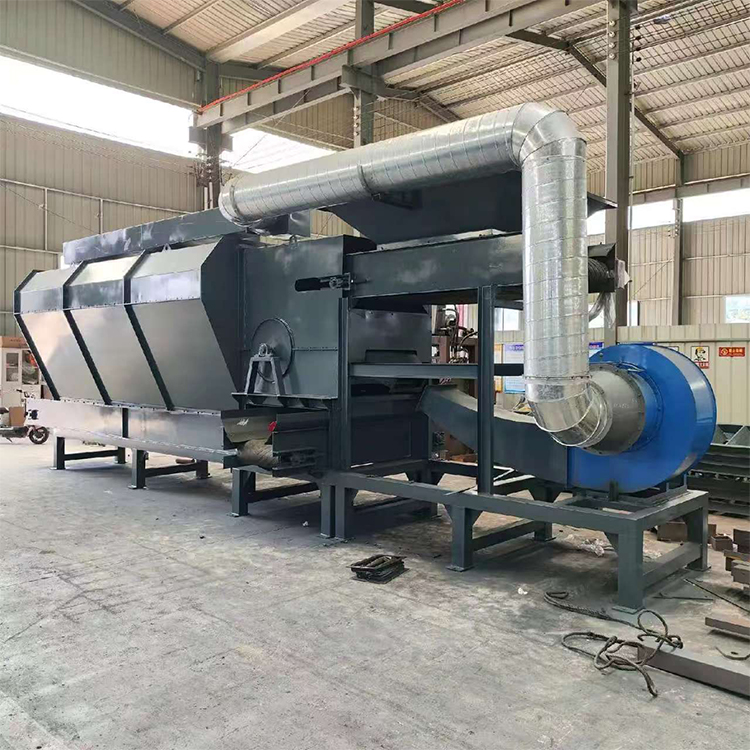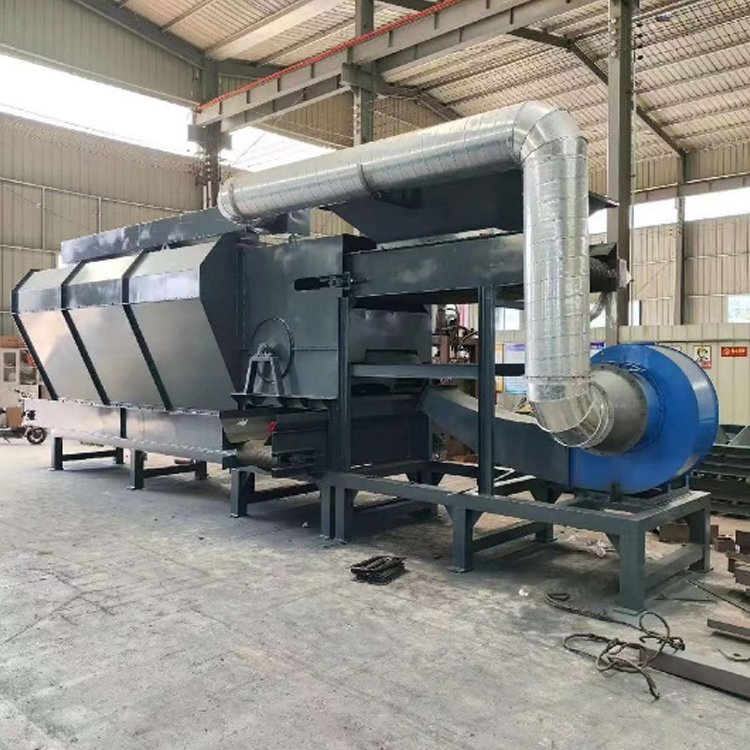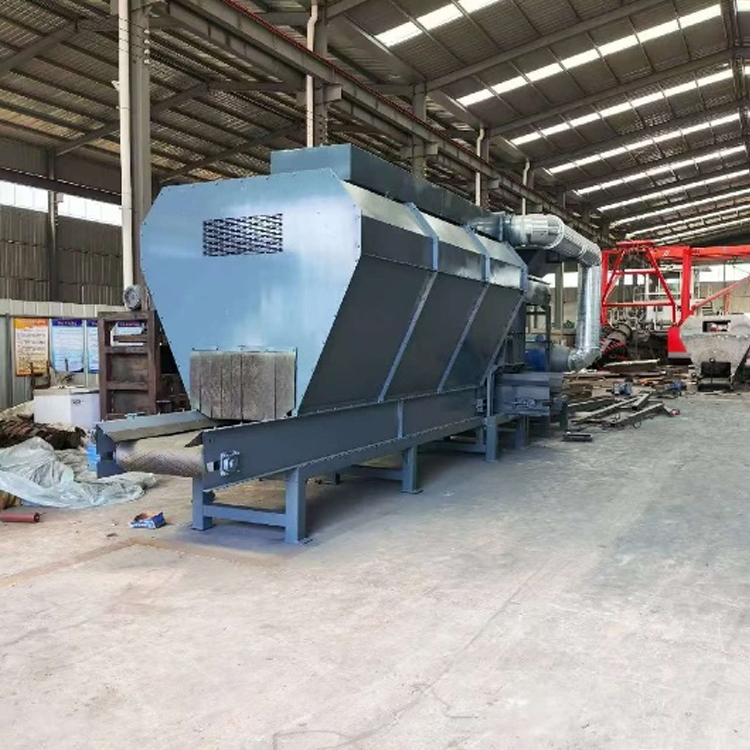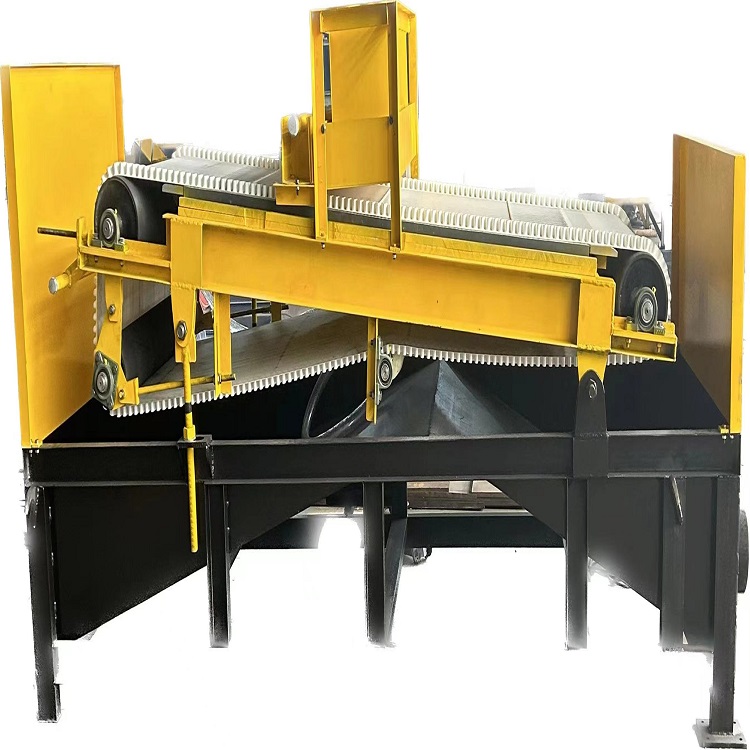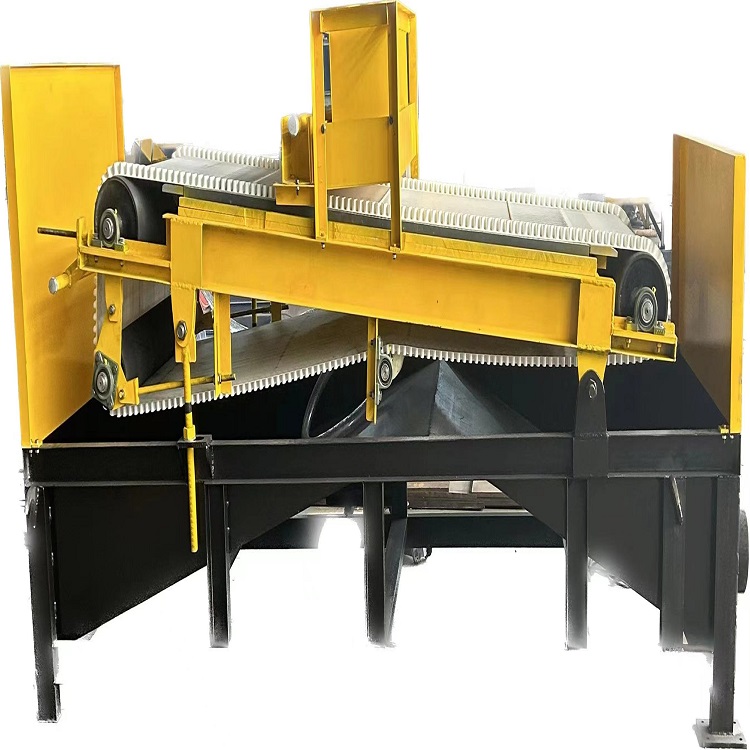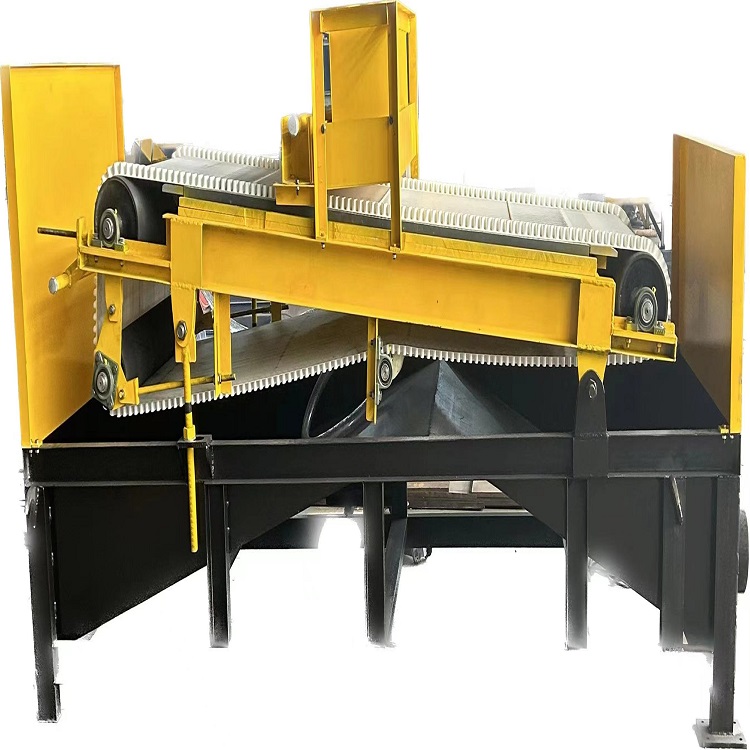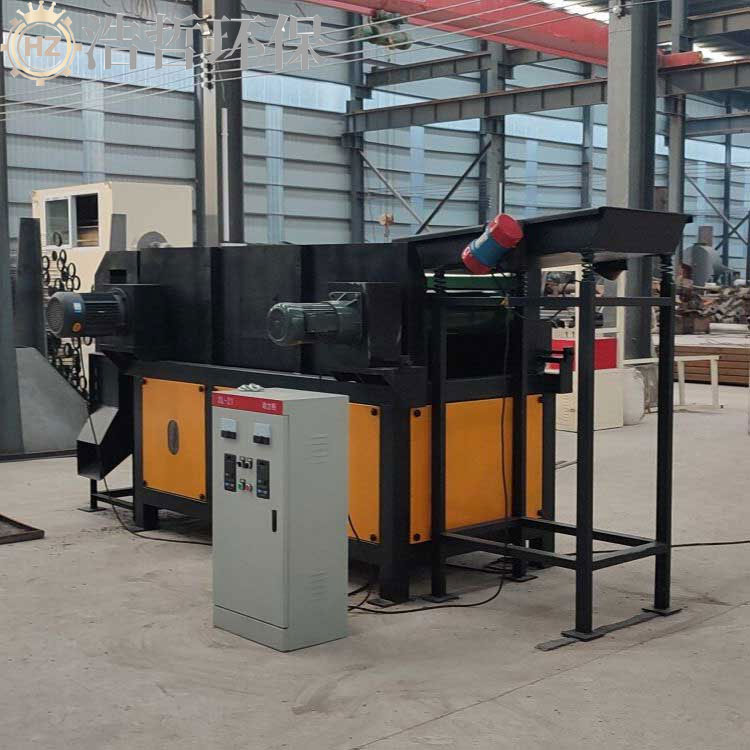

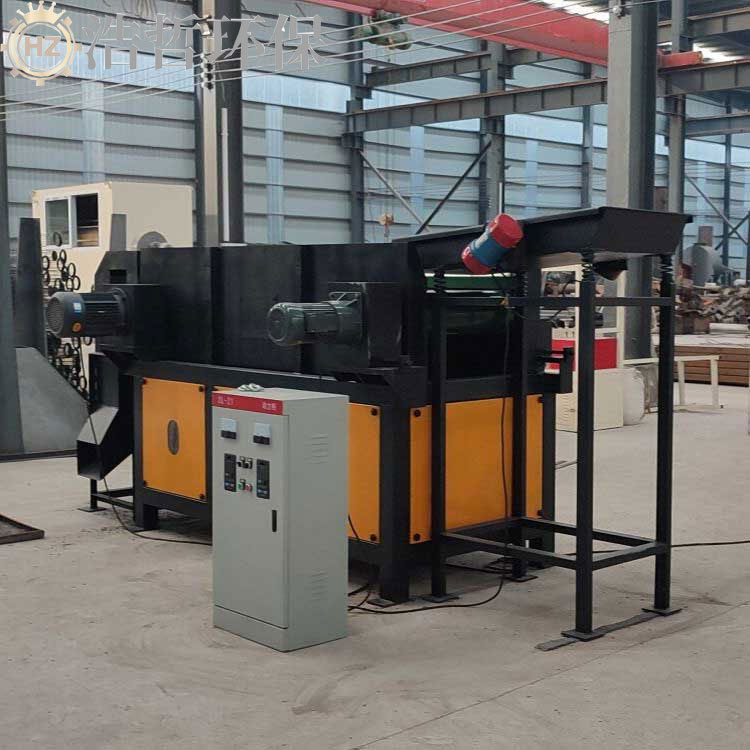
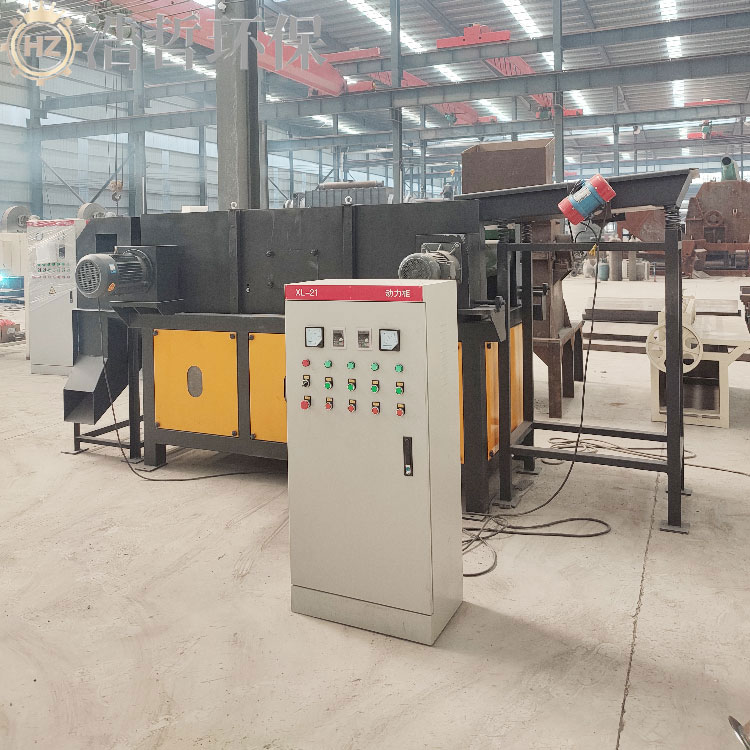
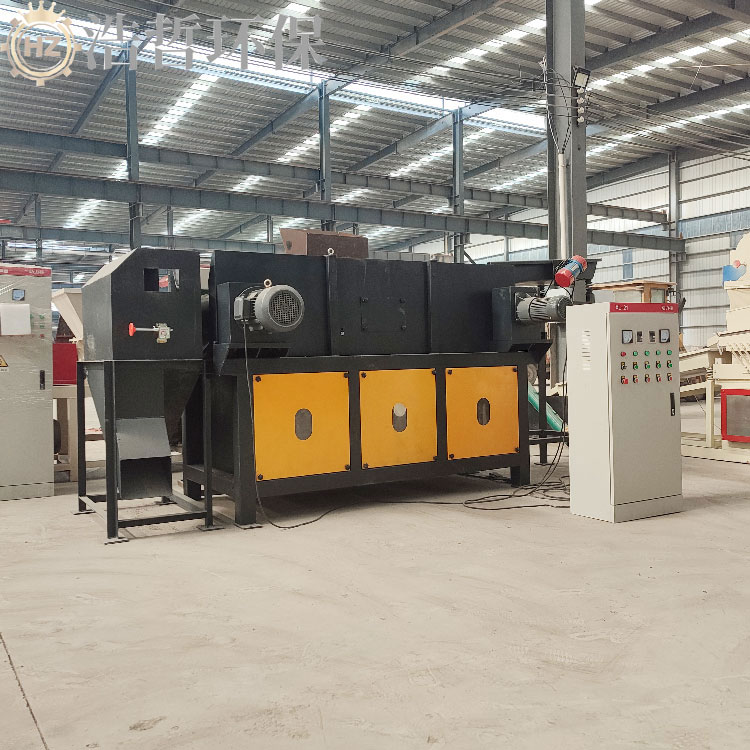


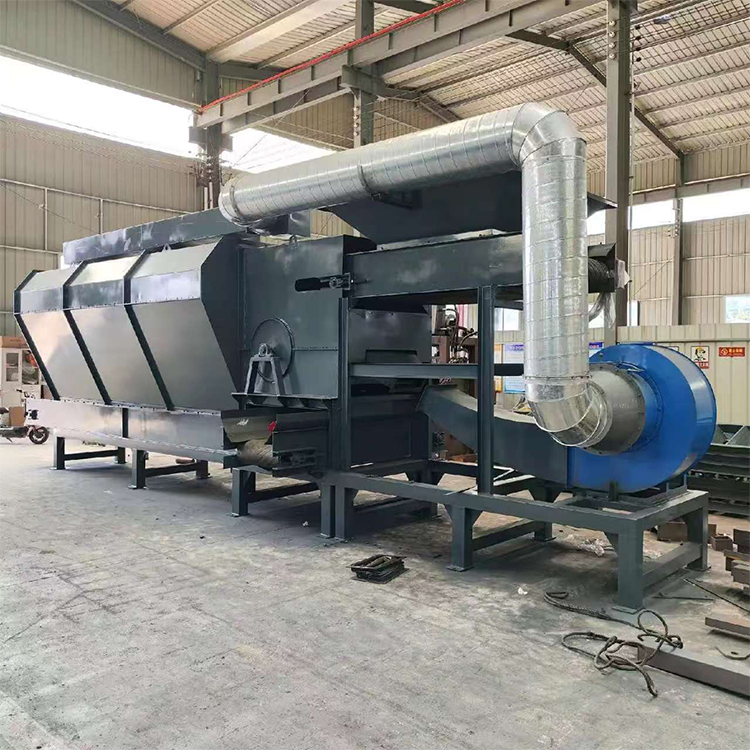






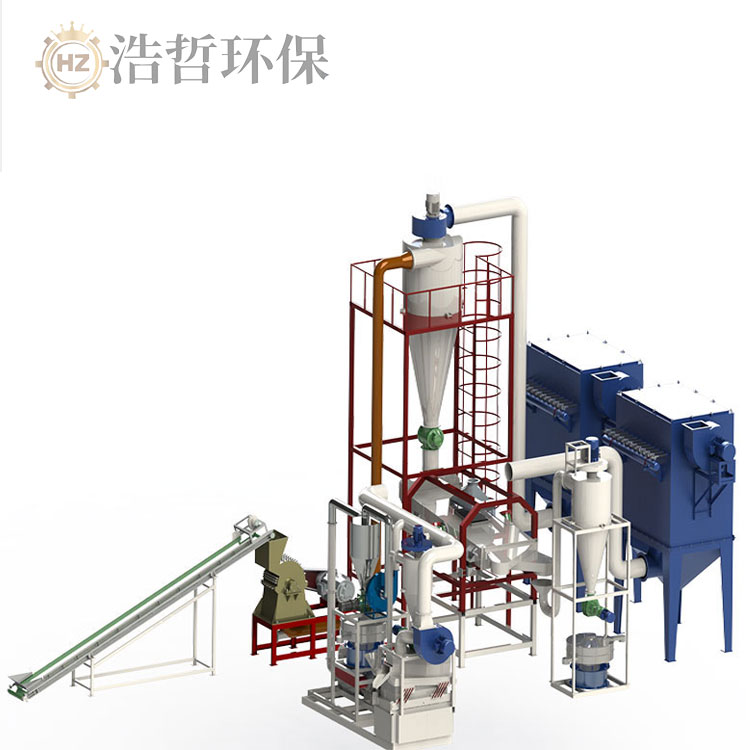
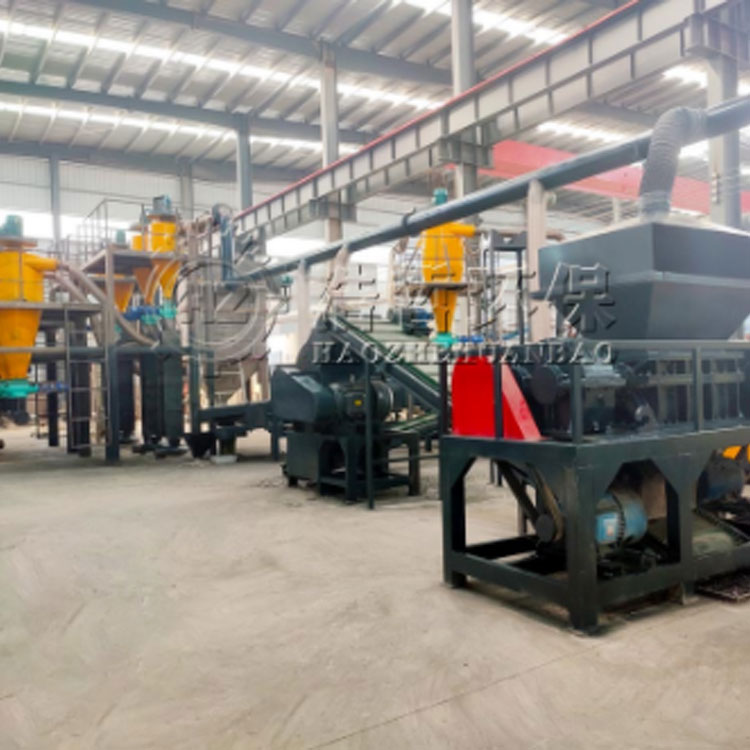
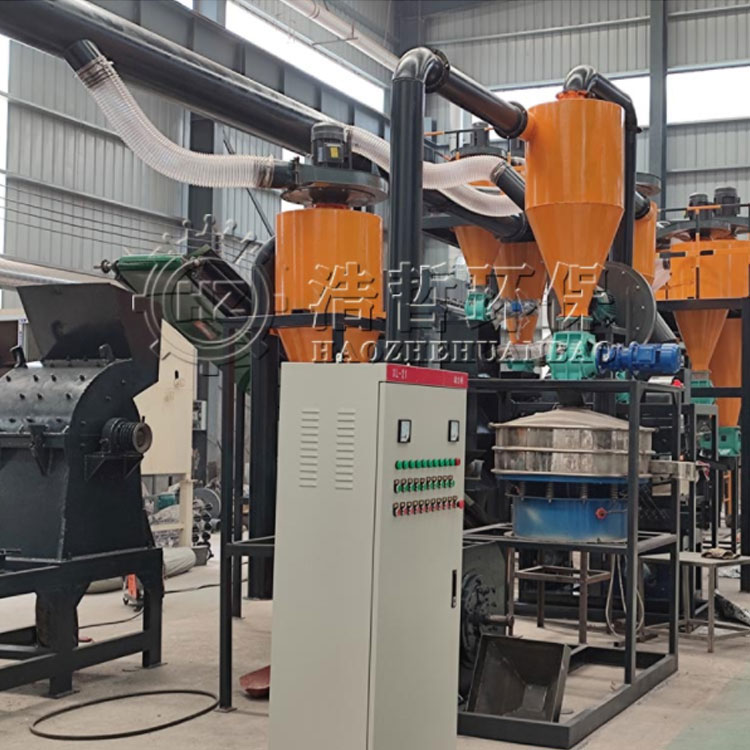
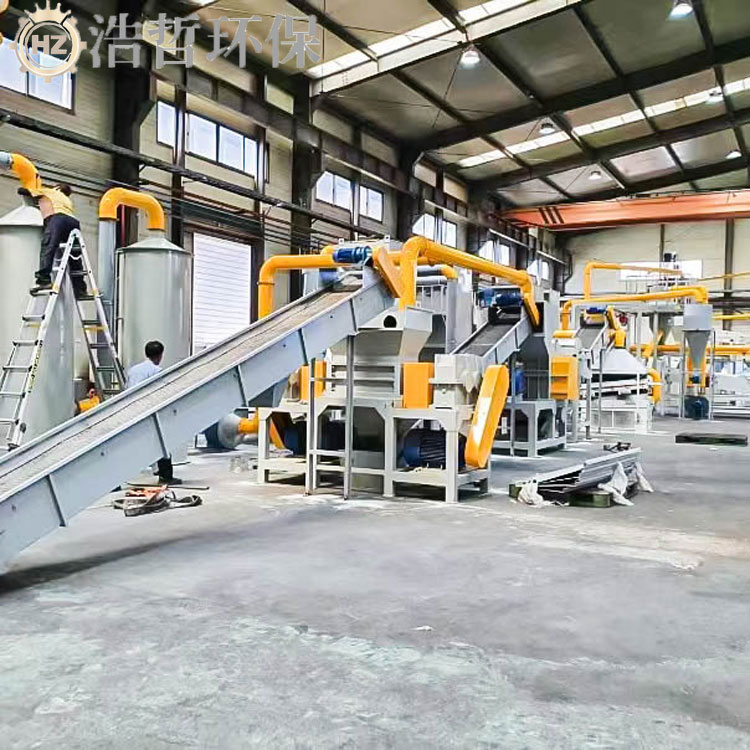
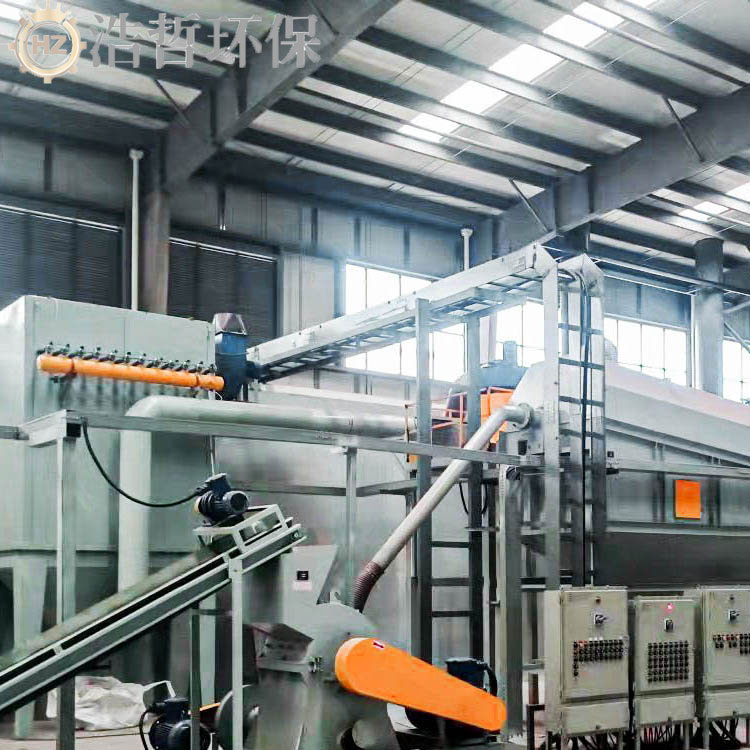
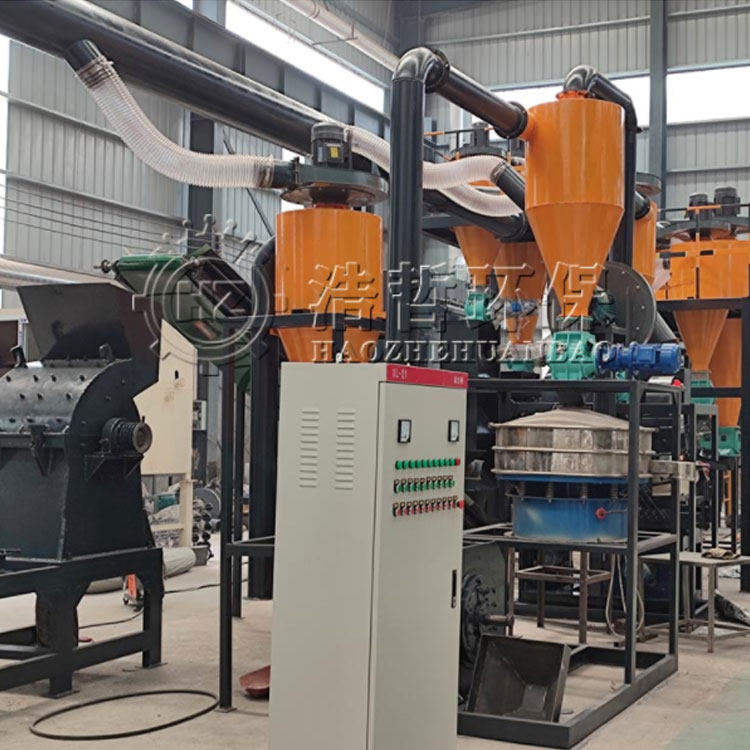
An eddy current separator is an effective method for non-ferrous metal recycling. It boasts excellent sorting performance, strong adaptability, reliable mechanical structure, lightweight construction, strong repulsion (adjustable), high sorting efficiency, and large processing capacity. It allows for the separation of certain non-ferrous metals from electronic waste. Eddy current separators are primarily used in the recycling and processing production line of electronic waste for sorting out non-ferrous metals like copper and aluminum from mixed materials. They can also be widely applied in the field of environmental protection, especially in the non-ferrous metal recycling industry.
Vortex current separator operating features
1. Equipped with an intelligent touch control cabinet system and variable frequency control for smoother and more reliable operation.
2. Equipped with PLC programmable control, one-touch start, easy operation;
3. Bearings are imported, offering long service life and smooth operation.
4. The magnetic roller is equipped with an effective magnetic system protection to prevent the magnetic system from detaching during high-speed operation.
5. The entire machine is crafted with special technology, precision engineered, with extremely low noise and vibration during operation.
6. The entire unit is equipped with various detection and alarm systems, providing real-time monitoring of the operation status of each key component.
Operating Principle
The eddy current separator operates by generating a high-frequency alternating strong magnetic field on the surface of the separation magnetic roller. When conductive non-ferrous metals pass through the magnetic field, eddy currents are induced within the metals. These eddy currents themselves generate a magnetic field opposite in direction to the original field, achieving the separation purpose.
The principle of operation for the eddy current separator
Eddy current separators are a sorting technology that utilizes the different electrical conductivities of materials. Their sorting principle is based on two key physical phenomena: an alternating magnetic field that always accompanies an alternating electric field (Faraday's law of electromagnetic induction); and a current-carrying conductor generates a magnetic field.
During operation, an eddy current separator generates a high-frequency alternating strong magnetic field on the surface of the sorting roller. When conductive non-ferrous metals pass through the magnetic field, eddy currents are induced within the metals. These eddy currents generate a magnetic field opposite to the original field. Non-ferrous metals (such as copper, aluminum, etc.) are repelled by the magnetic field and leap forward along the direction of conveyance, achieving separation from other non-metallic substances and fulfilling the sorting purpose. The primary criterion for distinguishing an eddy current separator is the ratio of material conductivity to density; materials with a higher ratio are easier to separate than those with a lower ratio.