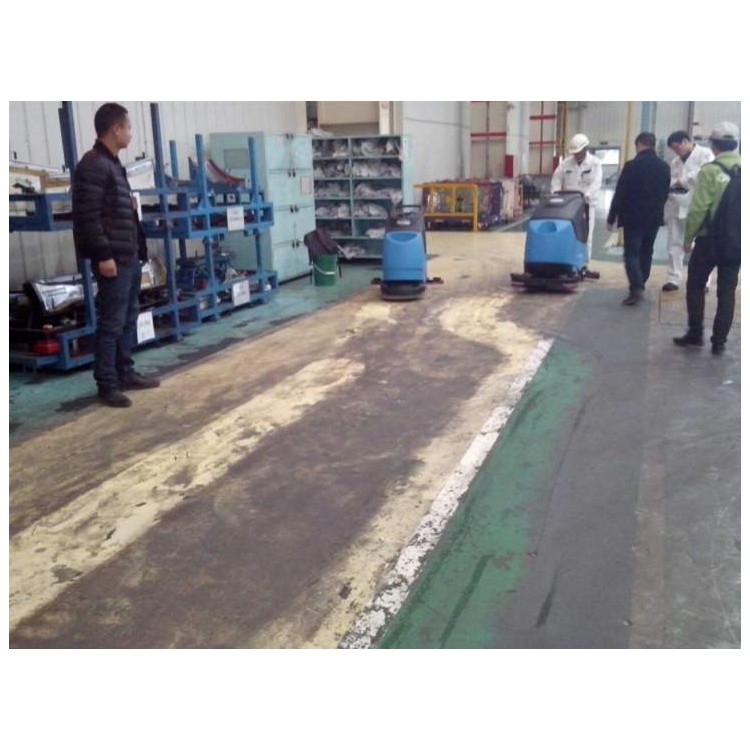


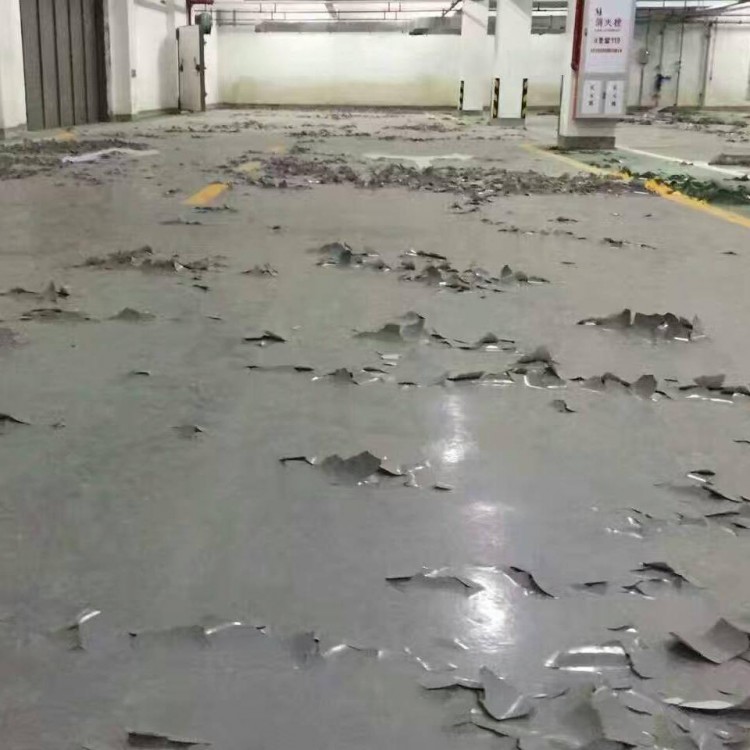












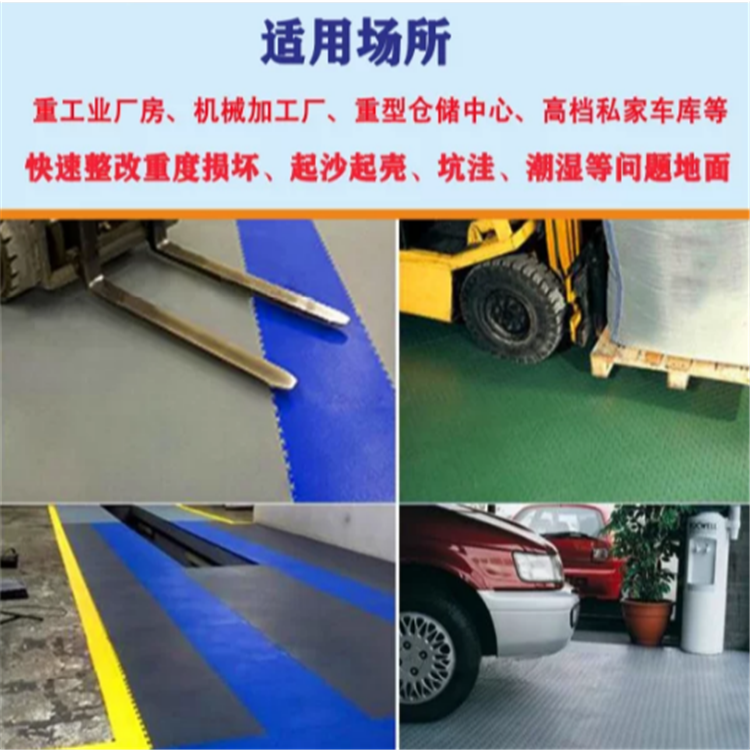


Epoxy flooring, wear-resistant flooring, concrete densifying sealer flooring, and cement self-leveling flooring are collectively known as the four major industrial floorings. Now, different solutions have been tailored for various types of flooring. Each solution addresses common issues with existing floors, such as sanding, unevenness, cracks, oil stains, dirt, and strong acid/alkaline corrosion, offering a range of treatment and renovation services.

One: Epoxy Floor Coating
Process
Site preparation: Dust removal, sanding, and repair to be done according to on-site conditions
2. Epoxy Prime Coat: Apply a single coat of highly penetrating and strong-adhesive epoxy primer to enhance surface adhesion. Depending on actual needs, apply several coats as required, ensuring a smooth surface free of holes, spatula marks, and sanding marks.
3. Epoxy Topcoat: Two coats of solvent-based epoxy or anti-slip topcoat rolled on
4. Completion of Construction: No personnel allowed for at least 24 hours; no heavy loads for 72 hours.
2: Abrasion-Resistant Flooring
Process
Site preparation, remove efflorescence
2. Spraying Material: Apply the specified amount of wear-resistant material onto the concrete surface in the initial setting stage. Once the wear-resistant material has hardened to a certain stage, proceed with the second application of wear-resistant material.
3. Refurbishing and Polishing Work: After the wear-resistant material absorbs moisture, perform at least three mechanical stone refurbishing operations (adjust the speed of the mechanical operation according to the hardening condition of the concrete; the slow mechanical operation should be done in a crisscross pattern).
4. Floor Surface Polishing: Use refinishing machinery to grind and polish the floor surface.
Note that the prerequisite for the renovation plan is to re-pour not less than 3 cm of fine-grained concrete on the regular cement floor, with a concrete grade of C25 or higher; commercial concrete is recommended.
Three: Self-leveling Cement Floor
Process
1. Surface treatment, remove impurities and floating dust, abrade the aged layer of weathering and erosion on the ground level to expose fresh layers and repair larger holes.
2. Fully dust-free
3. Apply primer, diluted 1:1 with water, with a dosage of 100-150 grams per square meter.
4. Proceed with the normal self-leveling cement application procedure once the primer has dried.
Four: Concrete Sealer and Hardener Floor
Process
1. Preliminary Treatment: Before construction, clean and remove debris, oil stains, and protective agent residues from the ground. Repair any holes and cracks in the ground.
2. Polish the floor, then clean it thoroughly with water. Use a vacuum cleaner to remove any remaining wastewater.
3. After the concrete sealant has been brushed on and the surface has dried, begin applying the sealant again. Use a roller or sprayer to evenly spread the sealant over the floor, repeating this process 2-3 times. Then, wash the floor to remove any excess material from the surface.
4. Ultra-fine polishing (mirror finish), to further enhance the floor's luster and brightness, achieving a mirror-like effect, use a high-gloss polishing machine with diamond abrasive discs ranging from 500 to 3000 grit for floor polishing.