















The PLC multi-point synchronous lifting hydraulic system is divided into five parts: hydraulic pump station, PLC computer control system, hydraulic system, displacement and pressure detection, and human-machine interface operating system. This system integrates the hydraulic lifting system, computer PLC signal processing, displacement monitoring, bridge structural analysis, and construction technology, and carries out comprehensive technology development on the integrated system. The core is to design computer PLC signal processing and hydraulic systems based on the summary of bridge structural analysis and construction technology, input displacement signals from external monitoring facilities, output hydraulic system oil quantity control signals, and utilize multiple jacks at the terminal to achieve the purpose of balanced, safe, and efficient bridge lifting. The lifting and lowering precision error does not exceed ±0.5mm, and the lifting load includes: 50 tons to 1000 tons, with lifting heights ranging from 10mm to 500mm.
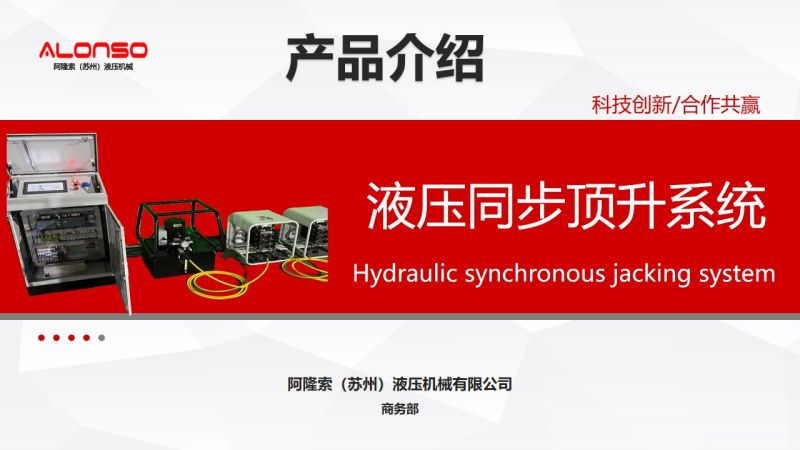
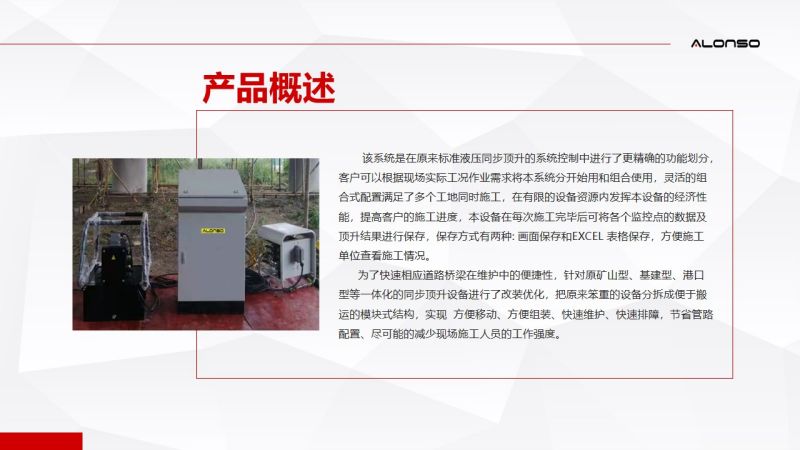
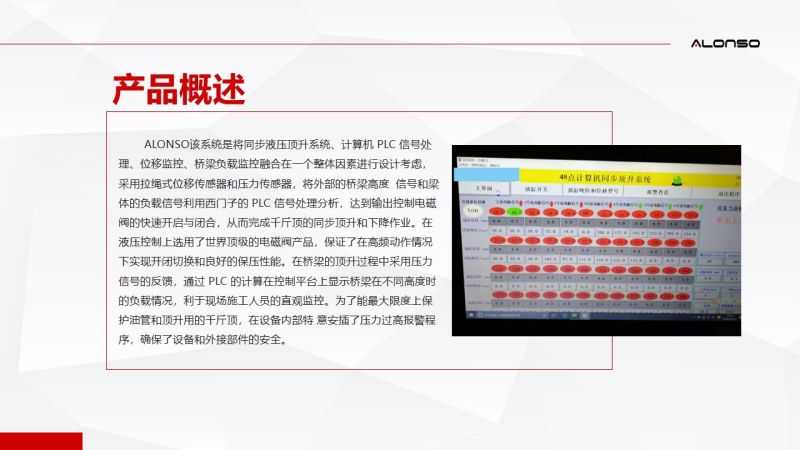
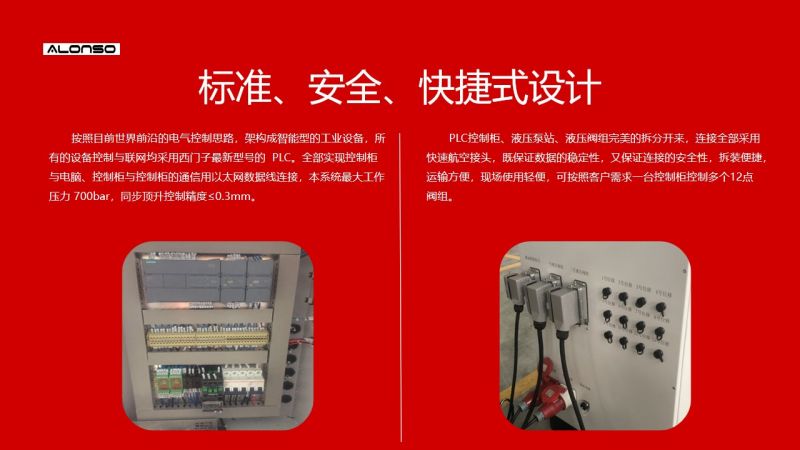
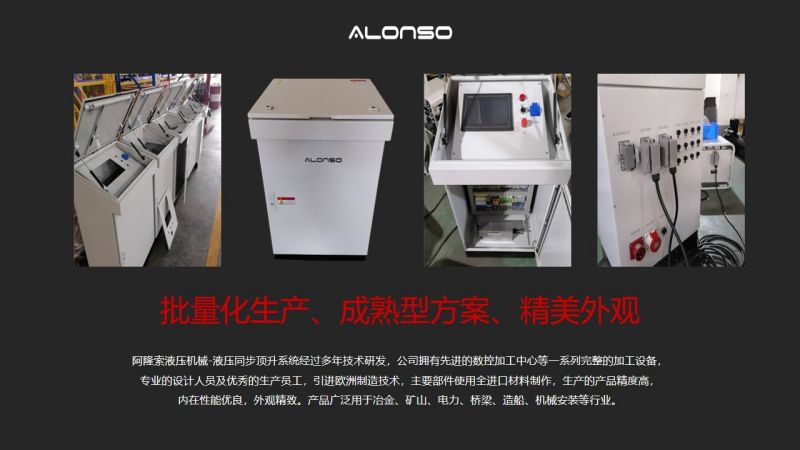
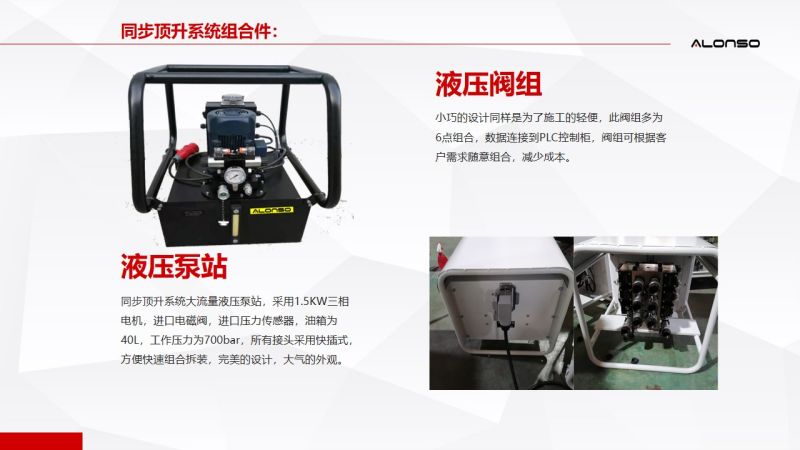
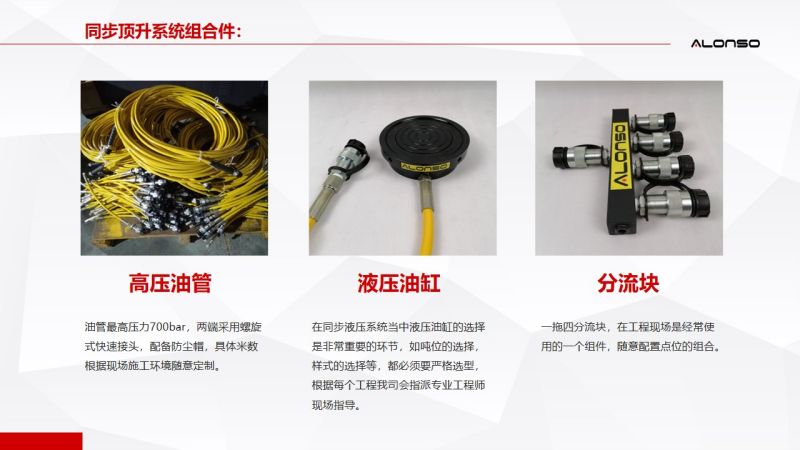

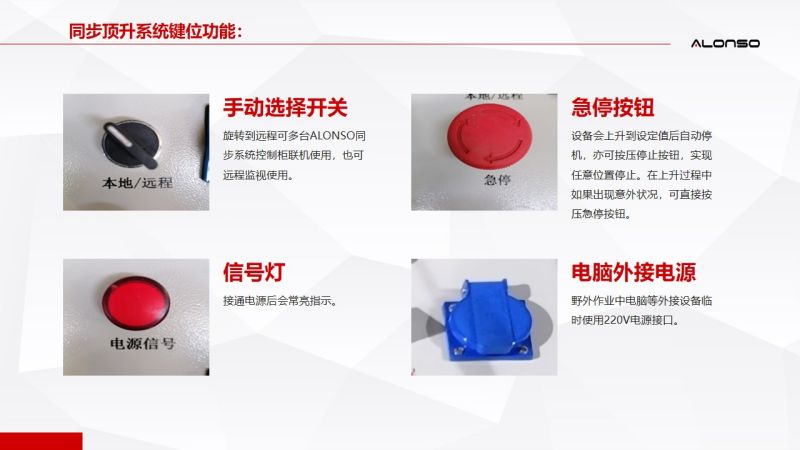

PLC Synchronization Hoisting System Features: High-speed zeroing, low-speed hoisting with adjustable lifting and lowering speeds; External (or internal) hydraulic jack with displacement, pressure sensors, and equalizing valves, ensuring high reliability in harsh working conditions; Overload protection function of the equalizing valve, preventing common cylinder expansion accidents during multi-cylinder hoisting; Advanced oil supply speed regulation and heavy-load leading hydraulic circuit for high-precision synchronization during hoisting, and also ensures high-precision synchronization during loaded lowering; Simple and intuitive operation, allowing adjustment of the working side roll and pitch attitudes; Compatible with color touchscreens for real-time display of lifting displacement and load, as well as industrial control computers for recording the entire construction process; Expandable to 32 or more points for multi-point synchronization, maintaining multi-point position synchronization and allowing user-defined load distribution adjustment among supports.

















