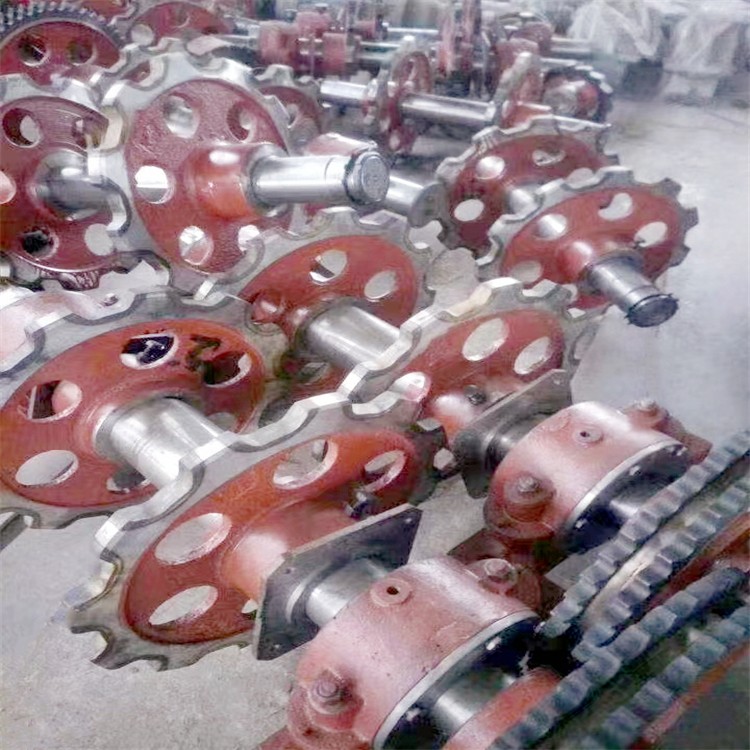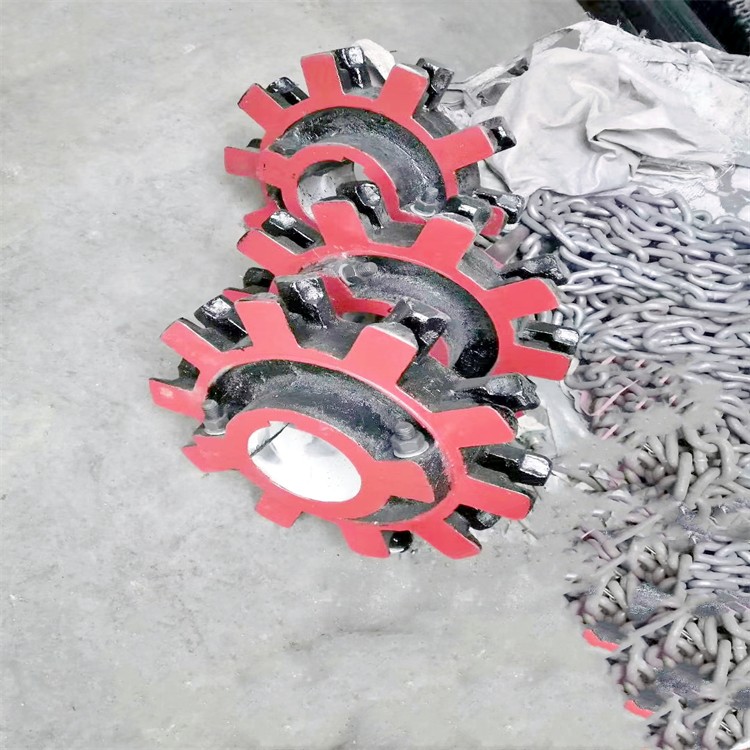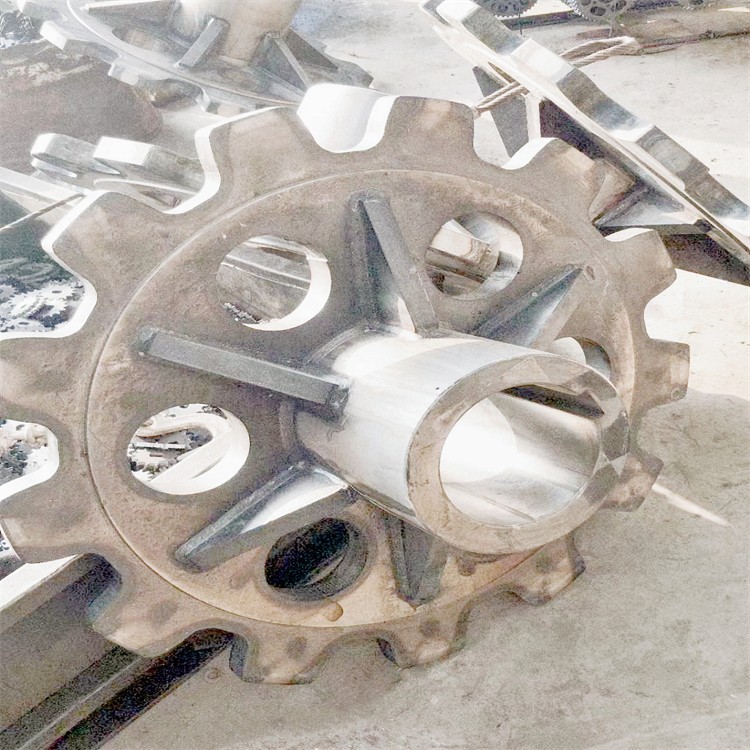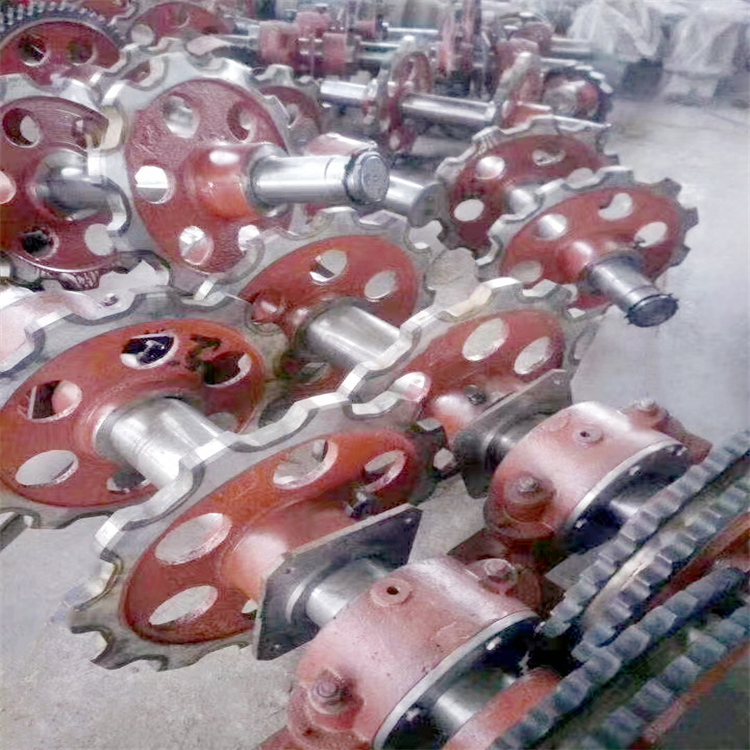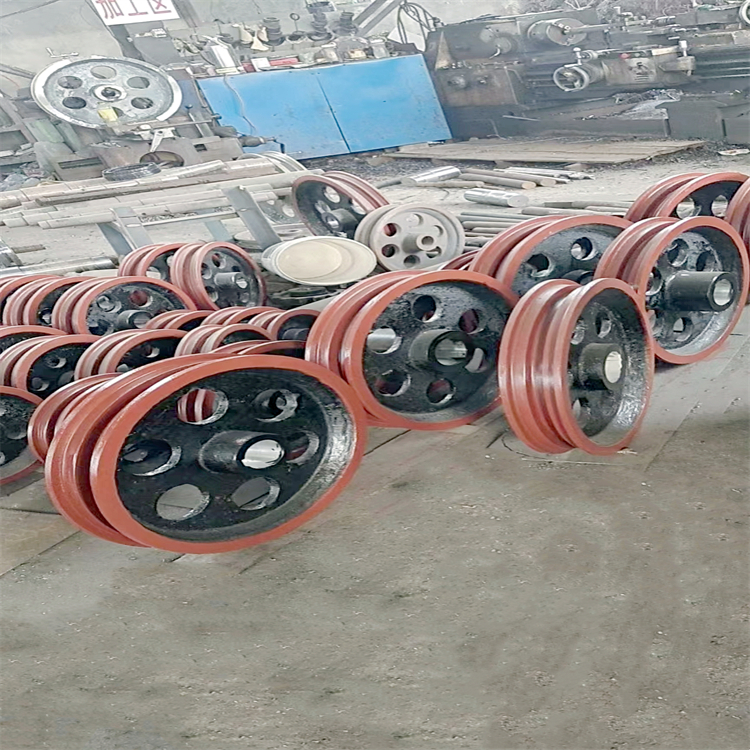


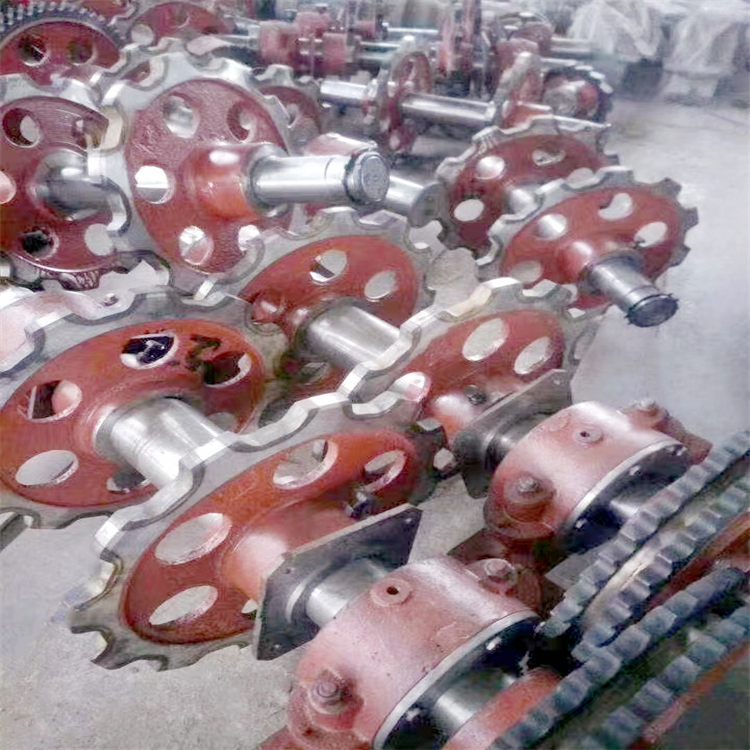

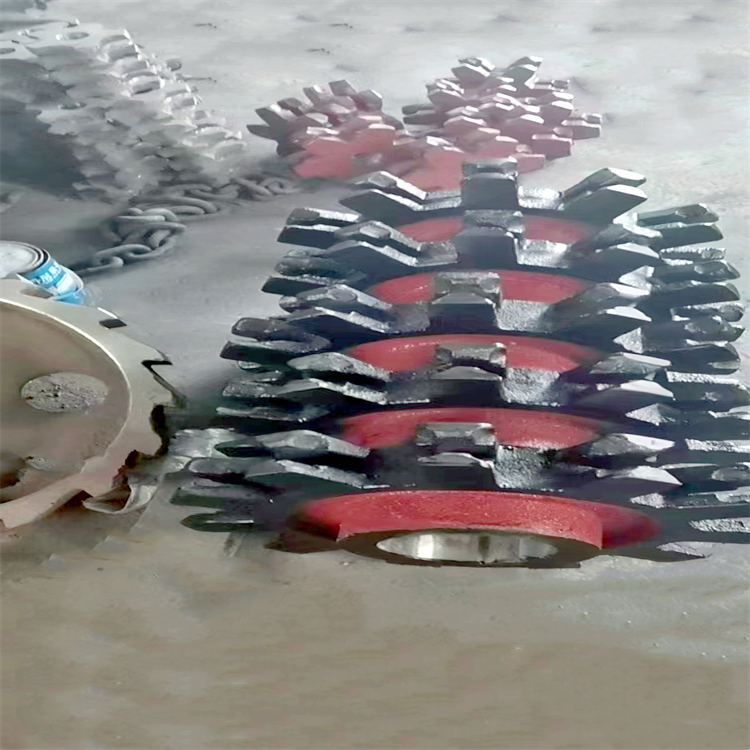












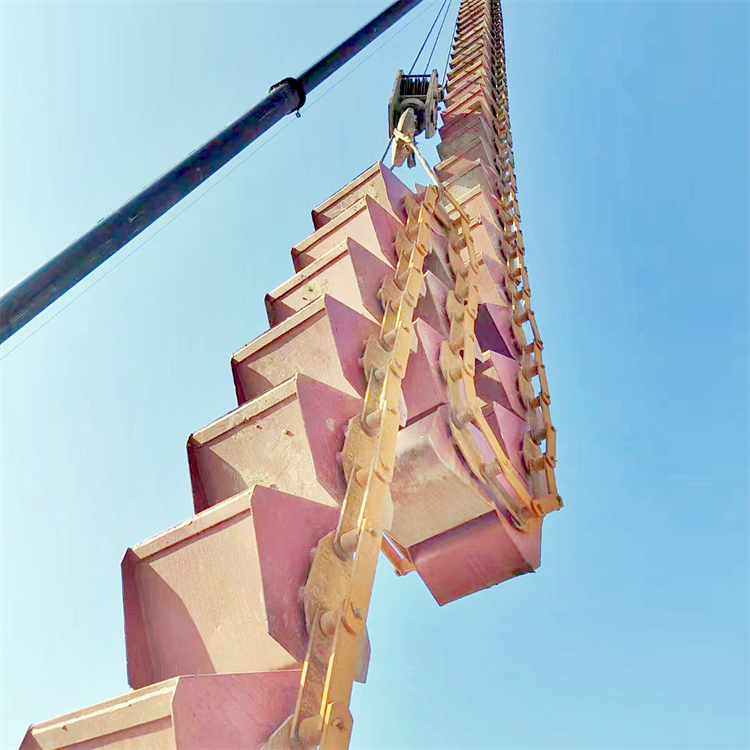

Board chain hoist sprockets, hoist transmission sprockets, bucket elevator sprockets. This series of hoists comes in various specifications from NE15 to NE800. The hoisting capacity ranges from 15 to 800 m3/h.
Operating Principle: The NE series bucket elevator is a gravity-fed unit where the material flows into the hopper and is elevated by a plate chain. Under the action of gravity, the material is automatically discharged. This series offers a wide range of specifications (NE15 to NE800, totaling 11 models) with broad capacity. It also boasts high production efficiency and low energy consumption, making it a viable replacement for other types of elevators. Key parameters are listed in the table below. The machine features a fully enclosed housing with a low chain speed, almost no backflow, resulting in minimal power loss and low noise, as well as a long service life. A smaller equipment capacity and blockage of the discharge chute can increase the production capacity of the downstream mechanical equipment. 5. Slow lifting speed requires adjusting the speed ratio of the drive wheels. 6. Material is not fully filled into the hopper. 7. Partial unloading in the lifting section results in the elevator not meeting the design output requirements. 8. Backflow in the hopper, where some of the material ejected from the hopper returns to the base instead of entering the discharge pipe. Backflow is a common reason for lower output in many elevators. To check for backflow, place your ear against the elevator cylinder and listen for the sound of falling rain. The intensity and density of the sound can help judge the extent of backflow, a method particularly effective for iron housing elevators. 9. Incorrect material measurement methods or errors, check the meter, verify the material's density, and re-adjust the calculation method.