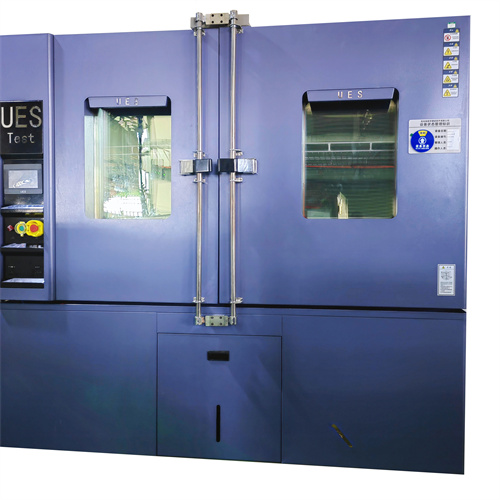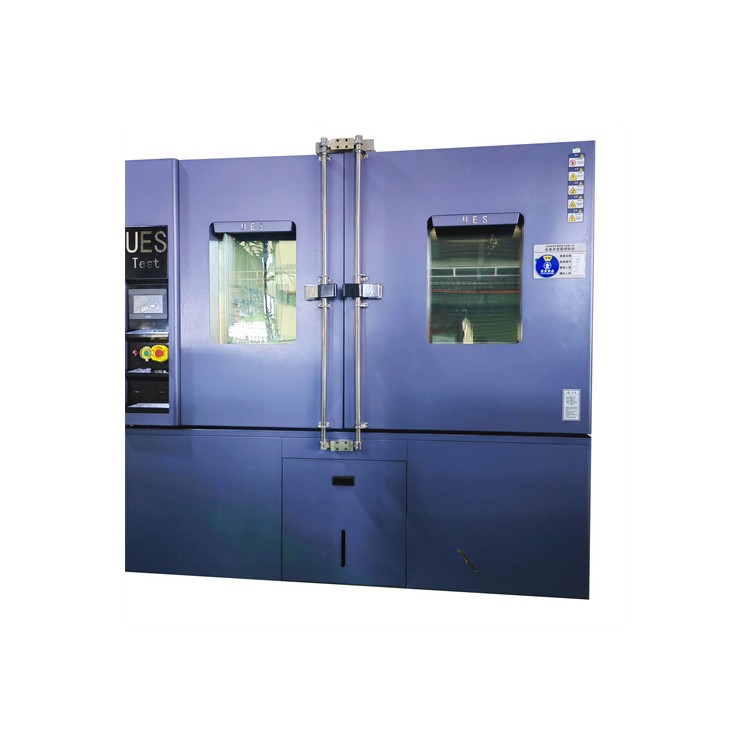

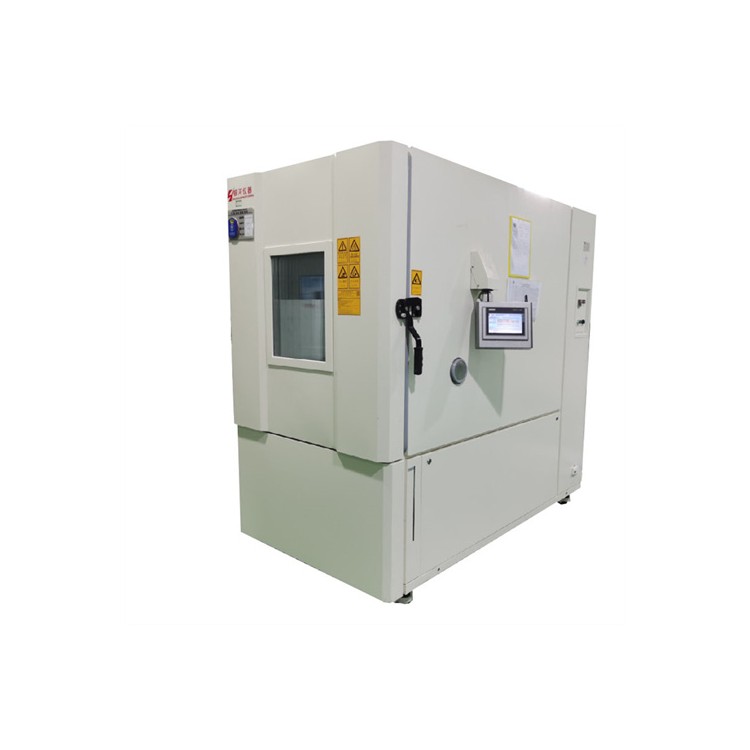














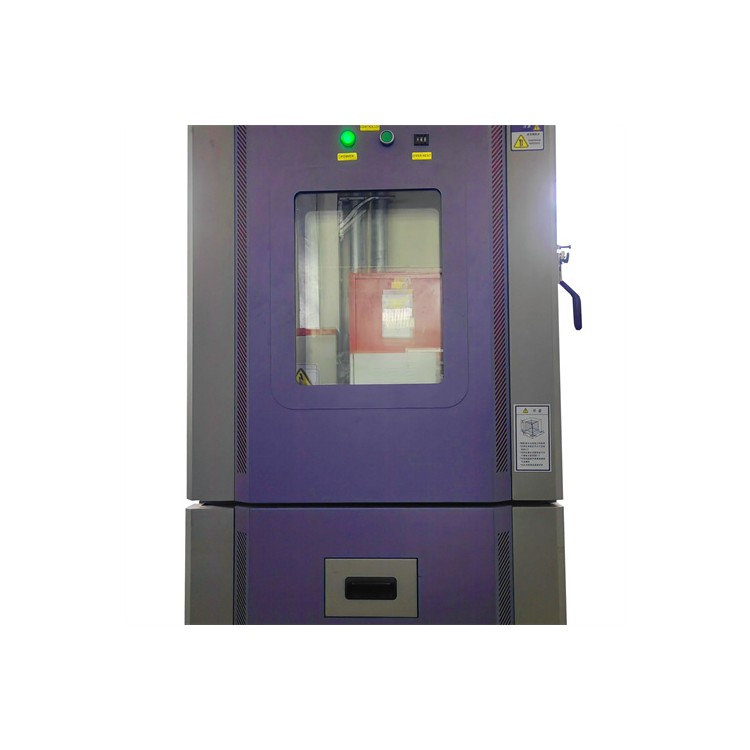
Low-temperature test standard; third-party testing

GB/T 2423.1: Environmental Tests for Electrical and Electronic Products
IEC 60068-2-1 : Environmental Testing-Part 2-1:Tests-Test A:Cold
GB/T 28046.4: Environmental Conditions and Tests for Electrical and Electronic Equipment of Road Vehicles
ISO 16750-4 :Road vehicles-Environmental conditions and testing for electrical and electronic equipment-Part4:Climatic Loads
GJB 150.4A: Equipment Laboratory Environmental Test Methods
RTCA DO-160G : Environmental Conditions and Test Procedures for Airborne Equipment
Low-temperature testing is an environmental reliability testing method, primarily used to evaluate a product's adaptability and stability under low-temperature conditions. Its standards mainly refer to international and national relevant standards such as GB/T2423 and IEC60068.
The primary purpose of this test is to simulate the low-temperature conditions that products may encounter during transportation, storage, and use, to detect any changes in performance and potential defects. By setting specific low-temperature conditions and storage durations, the adaptability of the product in complex environments can be assessed.
Generally, low-temperature testing is applicable to various types of products, particularly those that operate in extreme environments, such as instruments, electronic devices, and automotive parts. Low-temperature testing enables companies to understand the environmental adaptability of their products, providing crucial support for product development, manufacturing, and quality control.
In summary, low-temperature testing standards are a crucial means to evaluate product environmental adaptability, helping to ensure stable performance and quality of the product under various conditions.
High-Temperature Testing Standards; Third-Party Testing
GB/T 2423.2: Environmental Tests for Electrical and Electronic Products
IEC 60068-2-2 :Environmental Testing-Part 2-2:Tests-Test B:Dry heat
GB/T 28046.4: Environmental Conditions and Tests for Electrical and Electronic Equipment of Road Vehicles
ISO 16750-4 :Road vehicles-Environmental conditions and testing for electrical and electronic equipment-Part4:Climatic Loads
GJB 150.3A: Equipment Laboratory Environmental Test Methods
RTCA DO-160G :Environmental Conditions and Test Procedures for Airborne Equipment
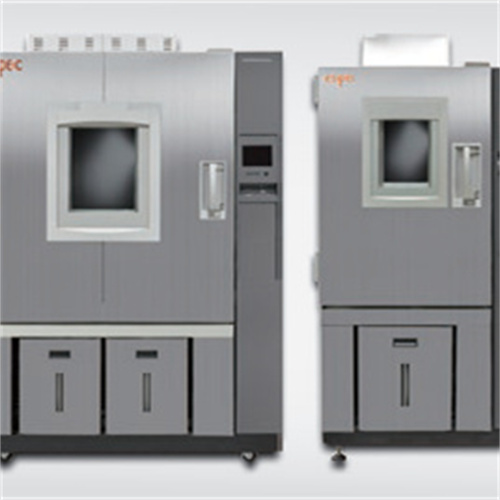
High-temperature testing is a crucial environmental adaptability test, designed to evaluate a product's performance stability and reliability under high temperature and humidity conditions. This test is typically conducted by third-party testing agencies to ensure the objectivity and accuracy of the test results.
During high-temperature testing, the product is placed in an environment with high temperature and humidity. After a certain period of operation, its performance is inspected. This test can uncover potential issues in high temperature and humidity conditions, such as reduced insulation performance of electrical components and material aging, allowing for timely improvements and optimizations.
The third-party testing facility boasts professional testing equipment and experienced engineers for high-temperature tests. We can tailor detailed testing plans based on product characteristics and test requirements, and record and analyze the test data. Additionally, the third-party testing agency can provide objective and impartial test reports, offering robust support for product quality control and market entry.
In summary, high-temperature testing is a crucial environmental adaptability test. The involvement of third-party testing agencies ensures the objectivity and accuracy of the test results, providing a strong guarantee for product quality control and market access.

High-temperature testing facilities are institutions dedicated to researching and executing performance evaluations of products under high-temperature conditions. These tests are crucial for ensuring product reliability and stability under such conditions, particularly in industries such as automotive, aerospace, and electronics.
The responsibilities of a high-temperature testing facility include designing and executing various complex experimental programs to simulate the effects of real-world high-temperature environments on products; collecting and analyzing data to assess product performance and durability; and providing recommendations for improvement and optimization to enhance product quality and customer satisfaction. Additionally, it is necessary to continuously update and refine equipment and technology to keep pace with the evolving market demands and technological advancements. Therefore, a high-temperature testing lab requires a technically proficient team, state-of-the-art equipment, and a rigorous quality control system to deliver reliable service solutions and earn the trust and support of clients!
Suzhou Ebfu (Photo) - Low Temperature Testing Company - Hebei Low Temperature Testing provided by Suzhou Ebfu Testing Technology Co., Ltd. "Reliability Testing, Vibration Testing, Shock Testing" choose Suzhou Ebfu Testing Technology Co., Ltd., located at: Building 1, Floor 3, No. 2008, Diamond Road, Weitang Town, Xiangcheng District, Suzhou City. For many years, Ebfu Testing has been committed to providing excellent service to our clients. Contact: Yan Yan. Welcome to call, write, or visit for business discussions. Ebfu Testing looks forward to becoming your long-term partner!