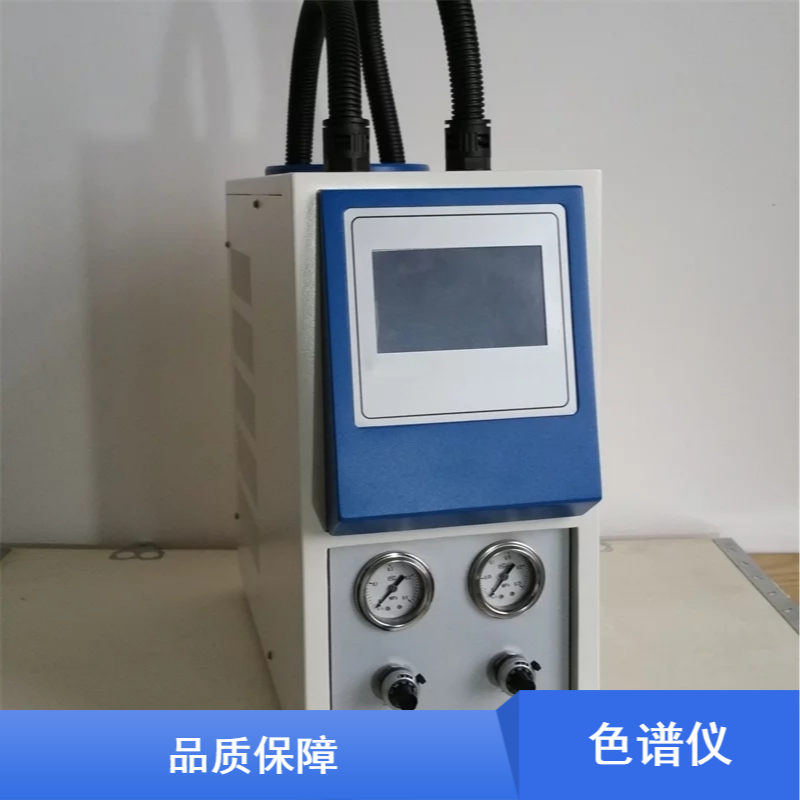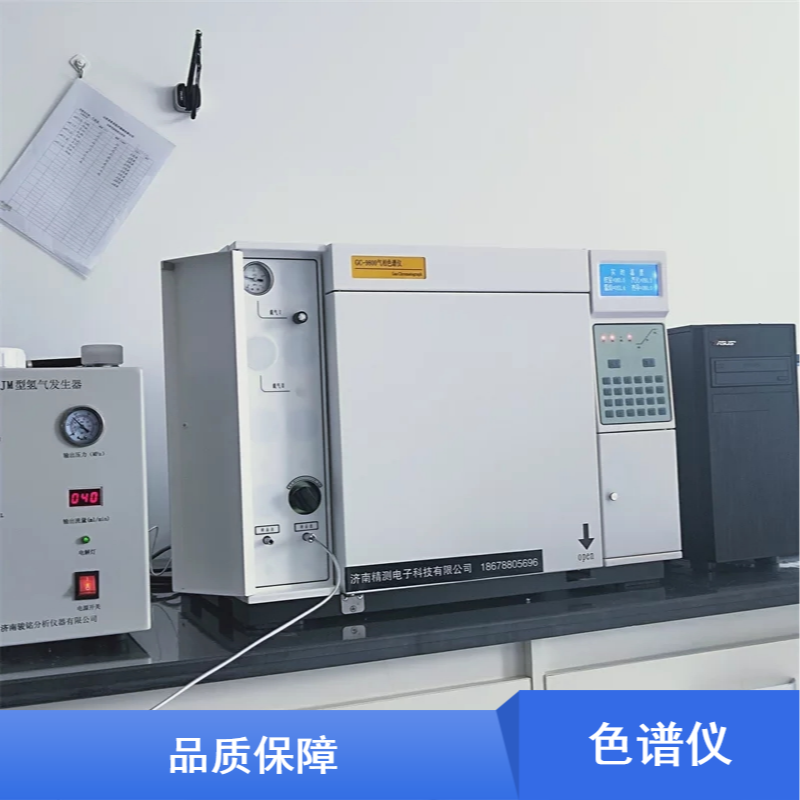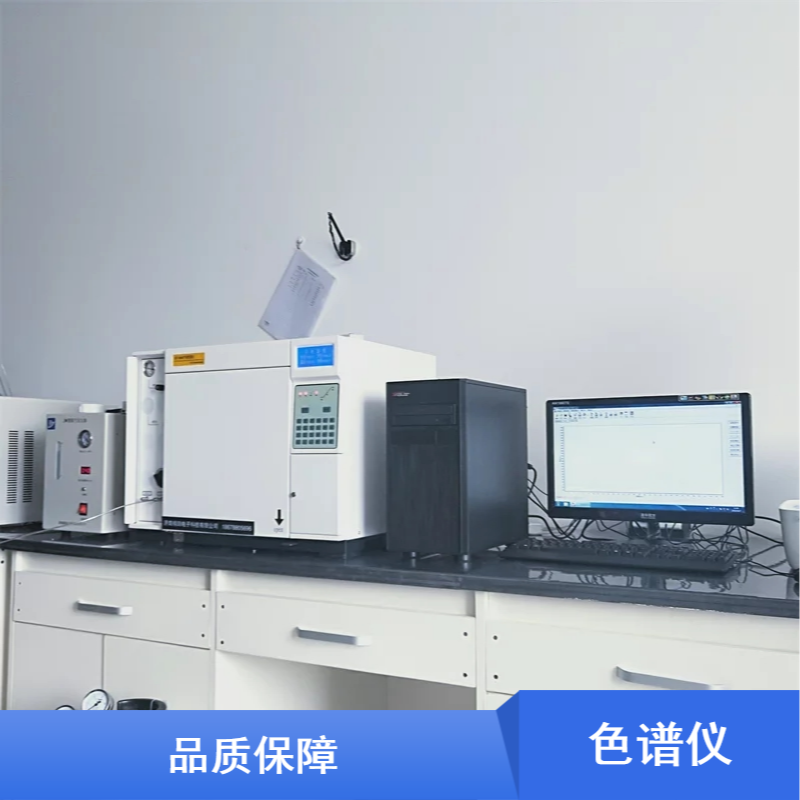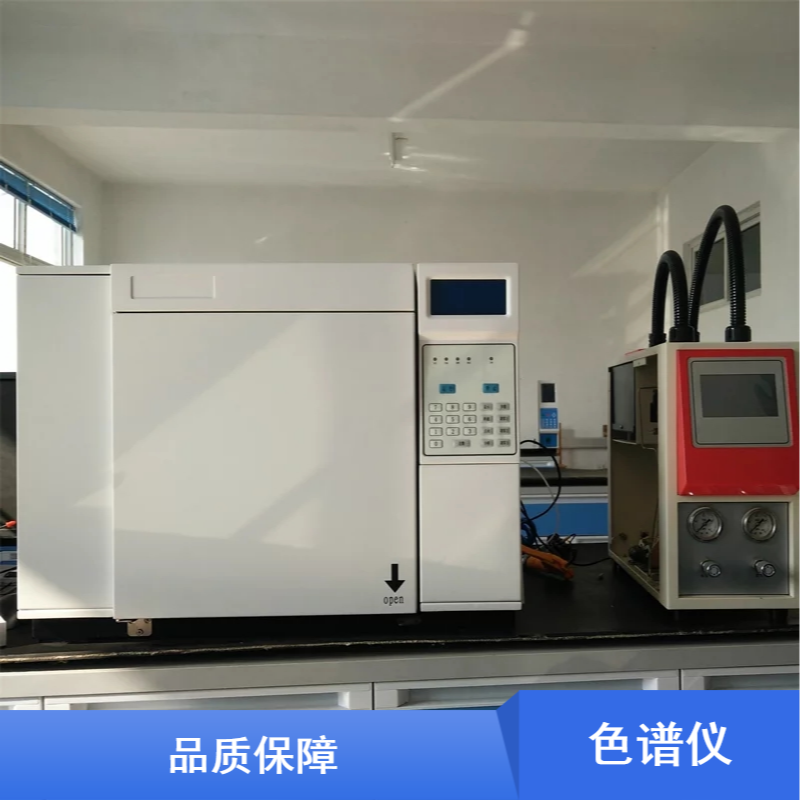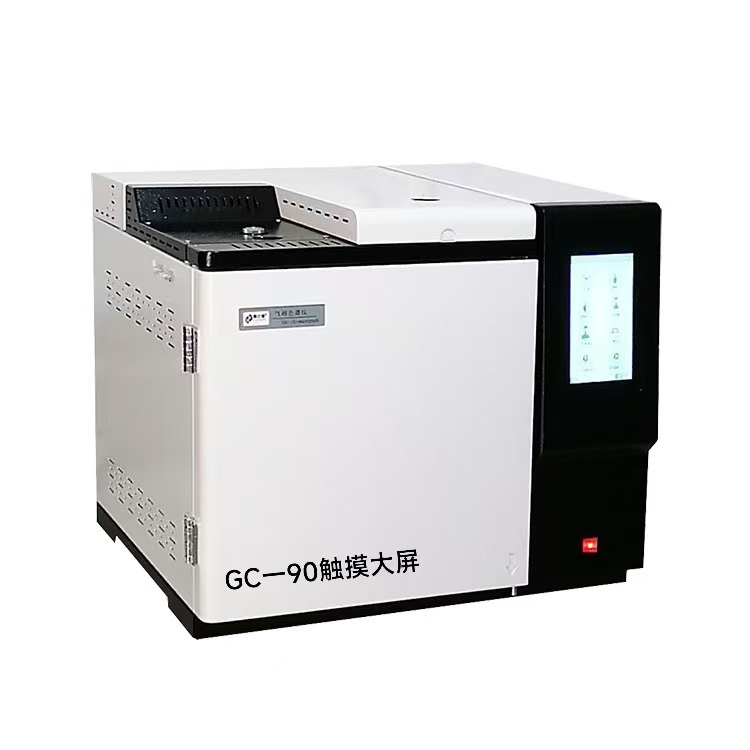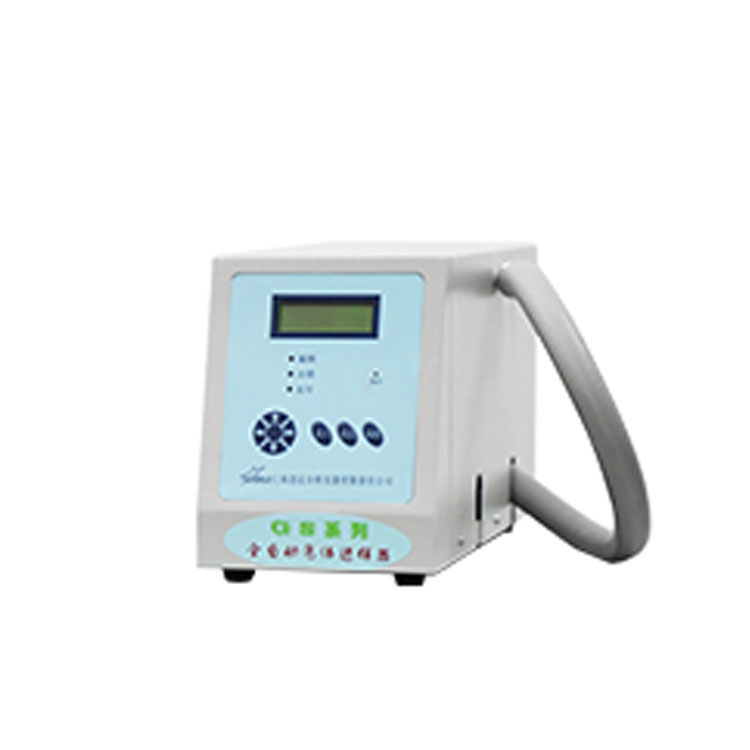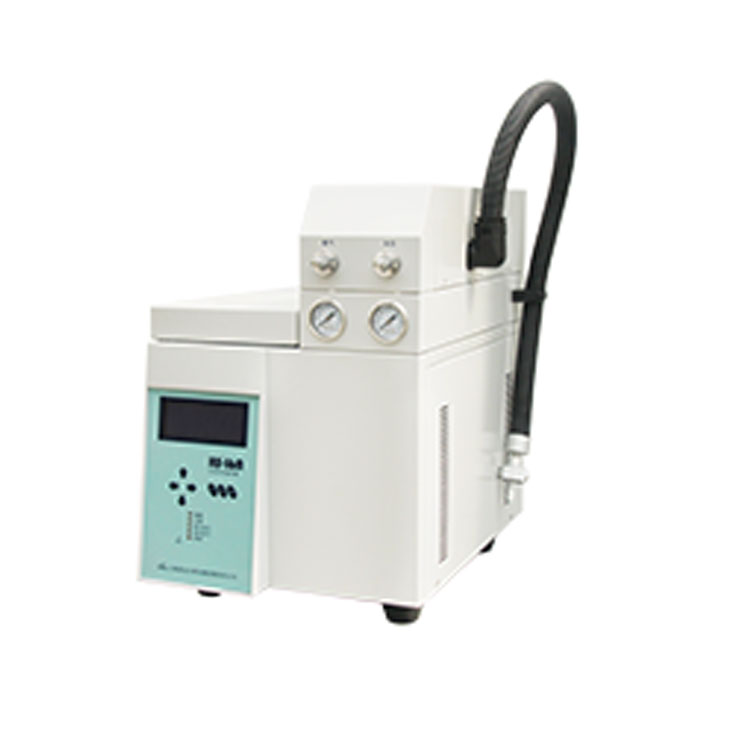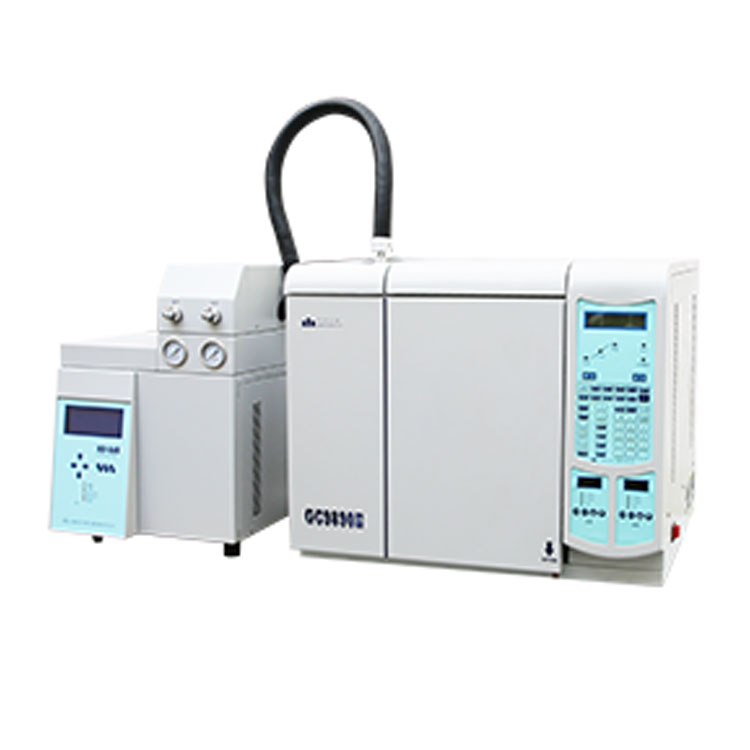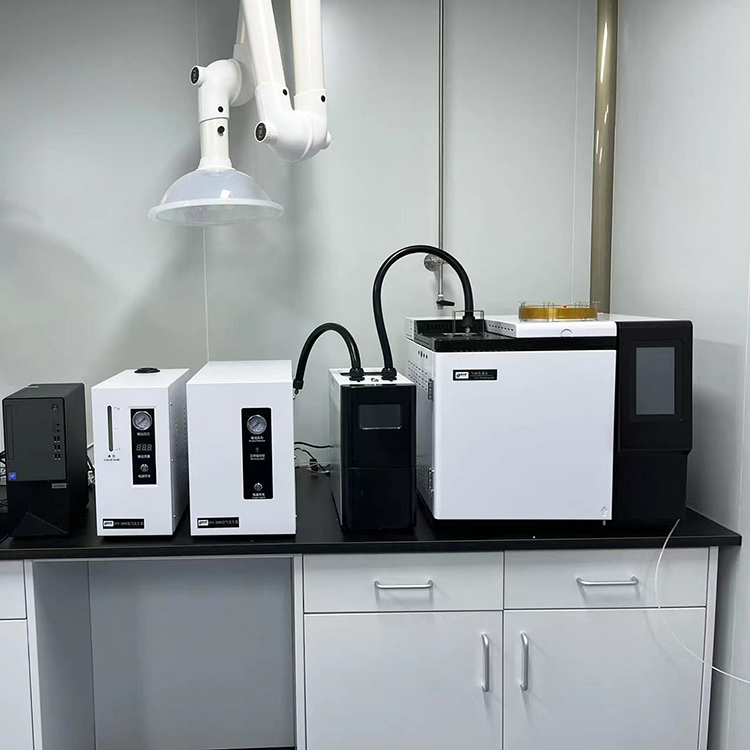
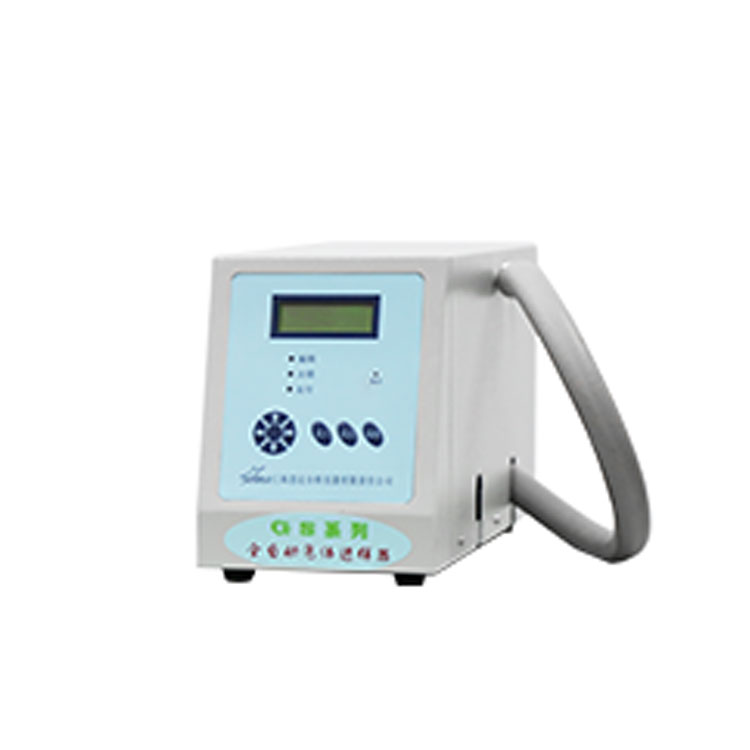








Introduction: This instrument complies with the following standards:
Testing in food meets GB-5009.266-2016 standards.
Meets requirements for: spirits, white wine, yellow wine, wine components including acetaldehyde, ethyl acetate, n-propanol, sec-butanol, ethyl acetal, isobutanol, n-butanol, butyl acetate, isoamyl alcohol, amyl acetate, lauryl acetate, hexyl acetate, and others, totaling 30 different components.


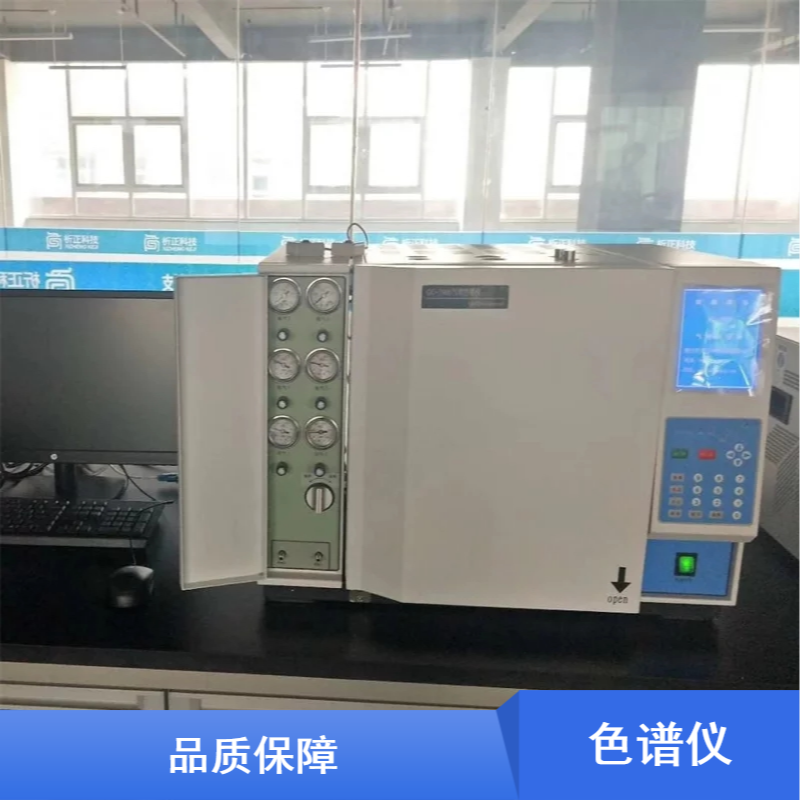
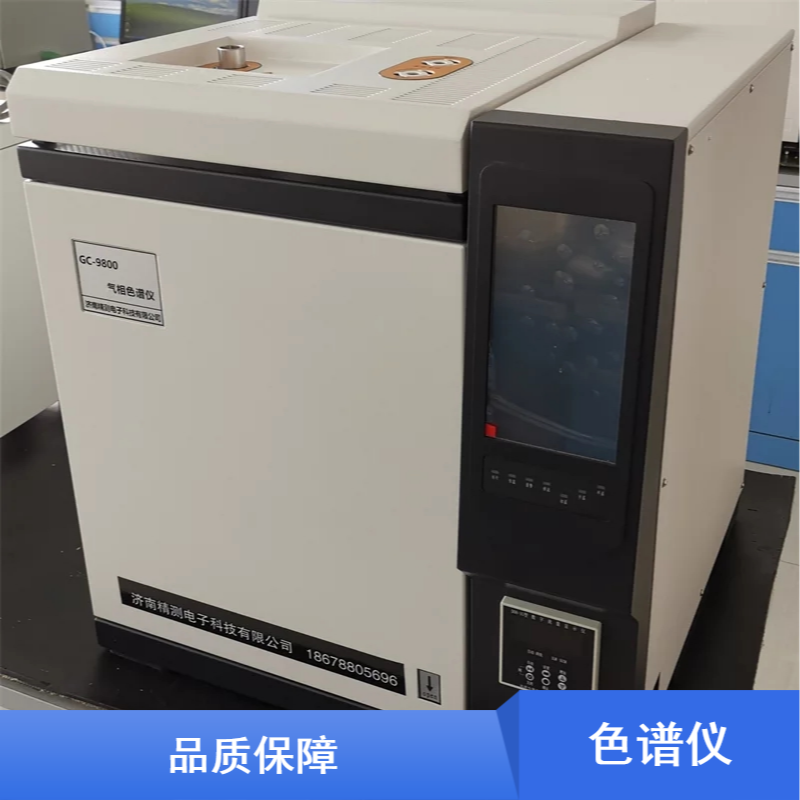

Main Configuration:
Column Filling with Constant Temperature
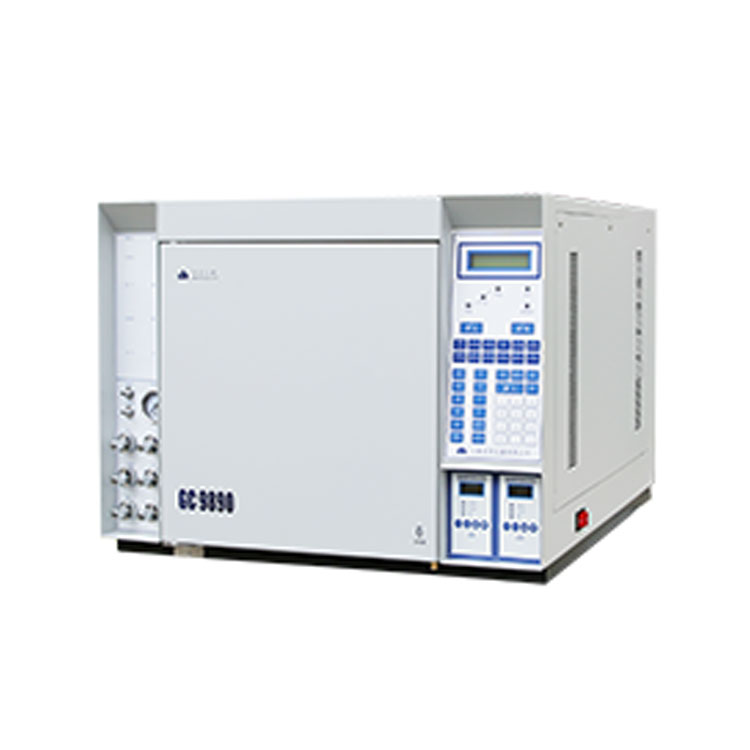
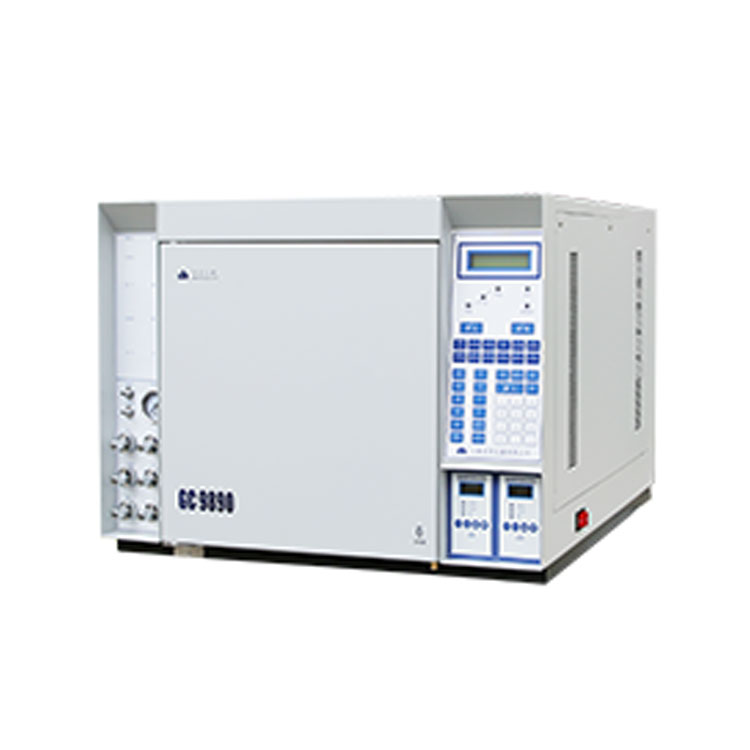
GC9800 Gas Chromatography Main Unit (Single Filling Column with Single FID Detector)
2. Chromatography Workstation
Two: Rapid Analysis of Capillary Column Type
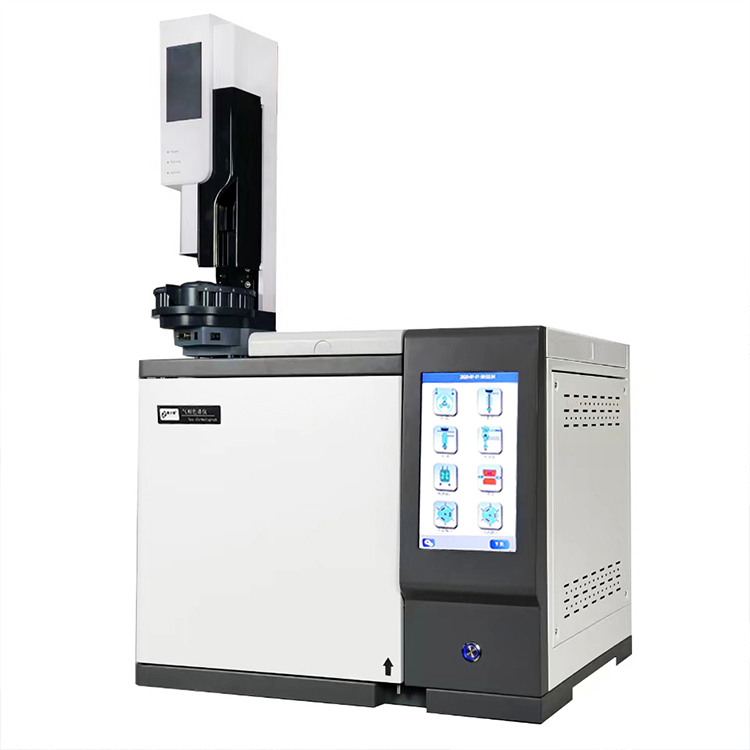
Gas Chromatography Main Unit (Capillary分流/不分流 injection, FID detector, 8-stage programmable temperature rise with automatic back door opening)
2. Chromatography Workstation
3. 30m × 0.32mm Capillary Chromatography Column for Wine Analysis
Testing Method
Two: Large-bore capillary column for determining alcohol esters in wine
Method Principle: This method utilizes a large-bore white spirit capillary column and is detected by a hydrogen flame ionization detector.
Analyzed Components: C2 to C6 and over 20 other types
Features: Compared to packed columns, it boasts higher separation efficiency, faster separation speed, and better inertness; compared to small-bore capillary columns, it has a larger column capacity, less stringent requirements for injection technique, and can avoid the discriminatory effect caused by分流. The analysis time is approximately 15 minutes.

Applicable to various fields including scientific research and education, oil, chemical industry, biochemical, food safety, hygiene, environmental monitoring, and judicial investigations.