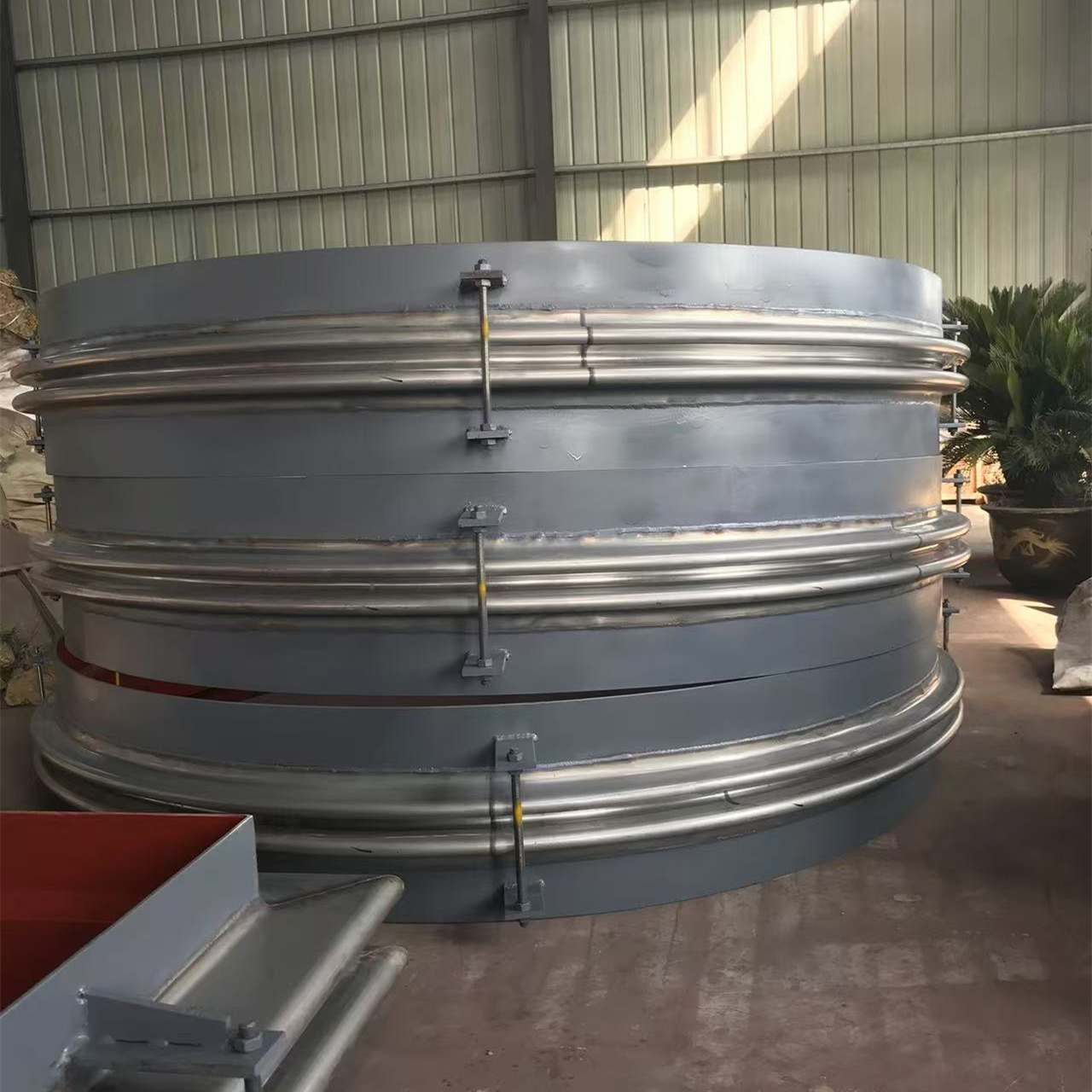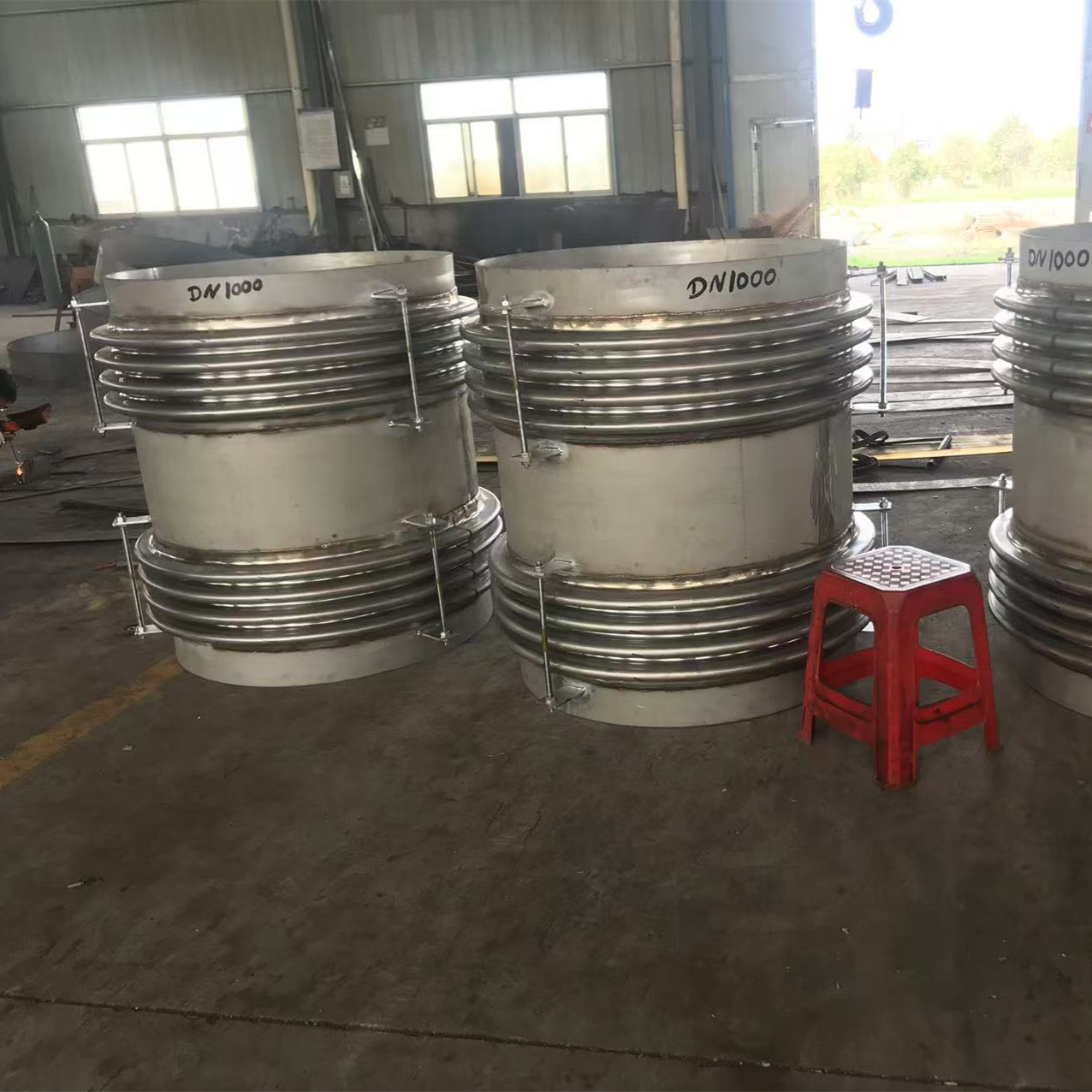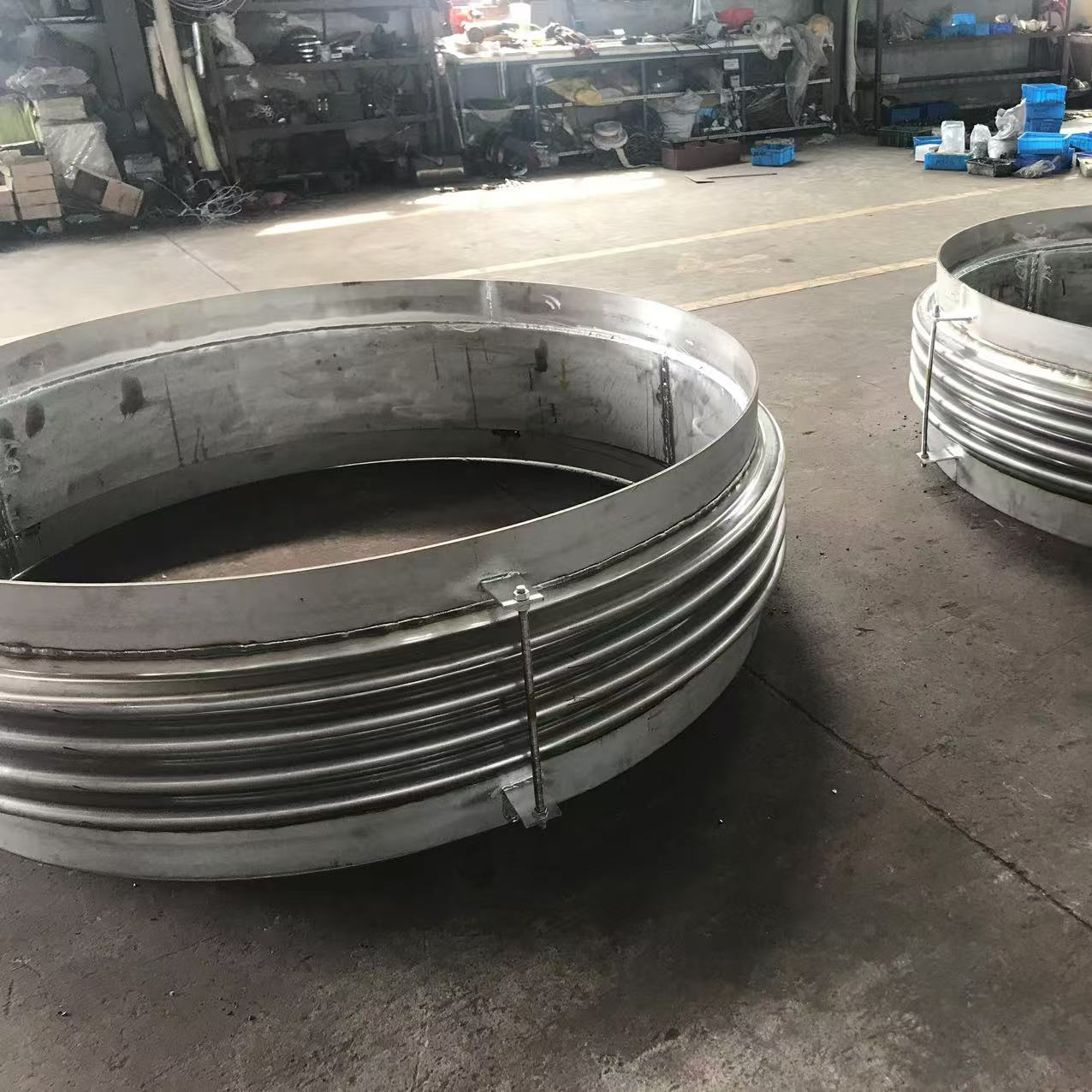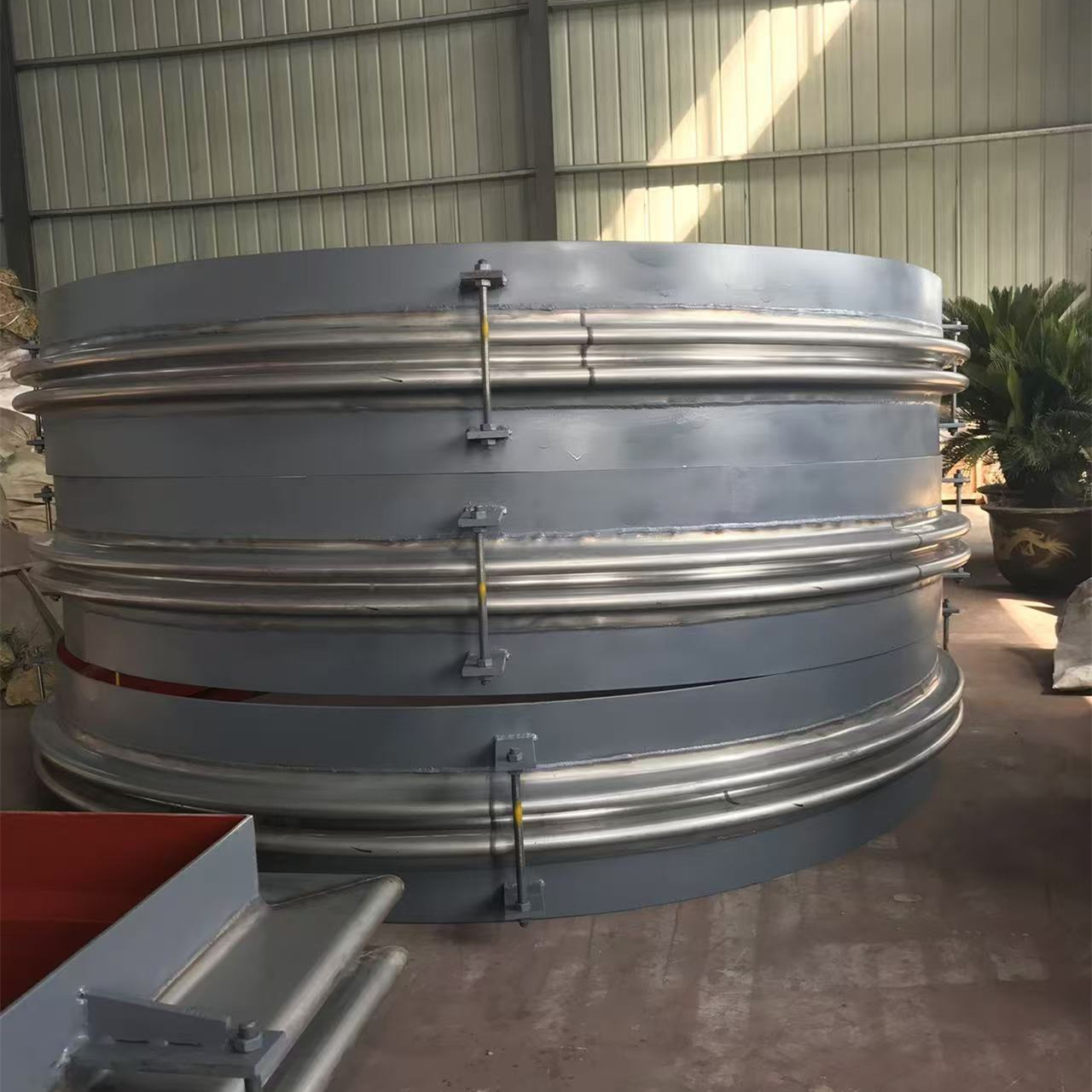
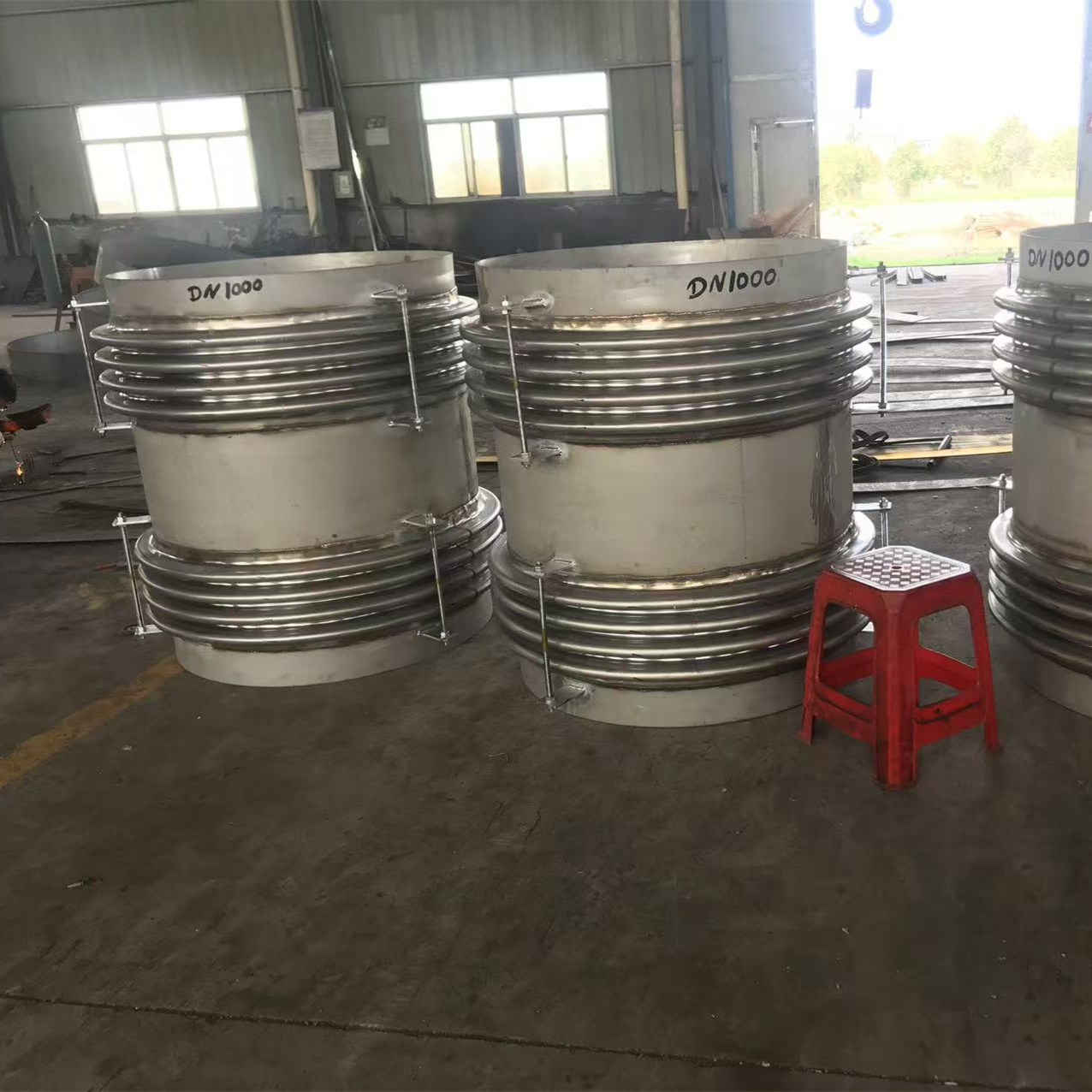









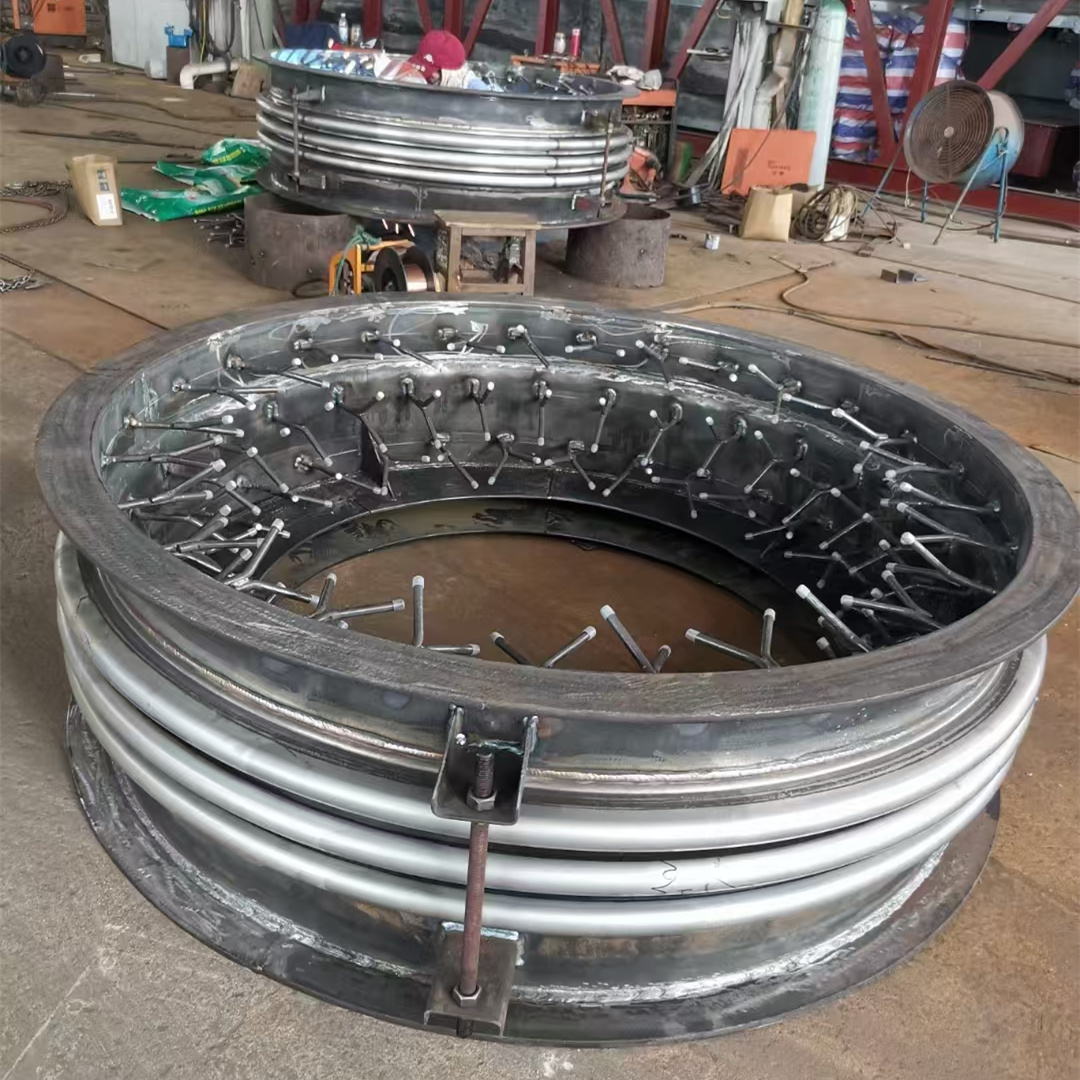
1. Compensation Function: Under the same shape and size conditions, the compensation function of non-metallic expansion joints is significantly greater than that of metallic expansion joints. Particularly for lateral displacement compensation, the compensation function is almost an order of magnitude larger than that of metallic expansion joints. 2. Compensation Resistance: Like an elastic body, it generates resistance after being compressed or stretched. The resistance of metallic expansion joints is much greater than that of non-metallic ones. This excessive resistance is detrimental to the system, as it can damage the surrounding equipment. 3. High-Temperature and Corrosion Resistance: The material of non-metallic expansion joints not only has excellent high-temperature resistance but also acid and alkali resistance. Carbon structural steel typically reaches its yield limit at zero at 600°C, and further increase in temperature leads to oxidation and scaling. Carbon steel is prone to cracking during operation, and stainless steel expansion joints can experience low-leakage point corrosion in low-temperature environments, and their cost is also quite substantial. 4. Insulation and Energy-Saving Performance: The structure of non-metallic expansion joints inherently has insulation properties. In contrast, metallic expansion joints lack this feature, and an additional insulation layer is required on the outer surface to achieve insulation. 5. Maintenance and Replacement Performance: No maintenance is required within the normal service life cycle; replacing non-metallic expansion joints is much more convenient than replacing metallic ones.