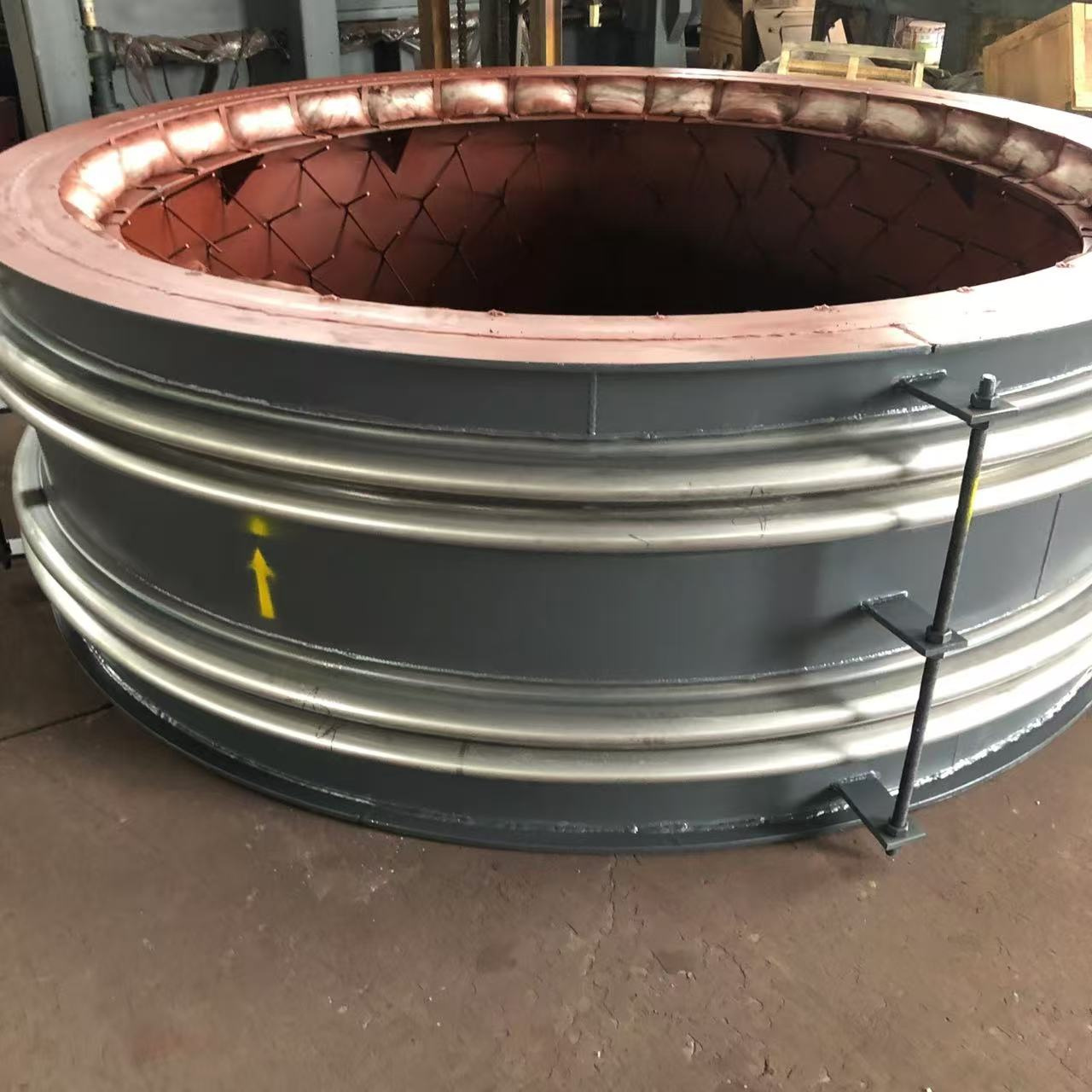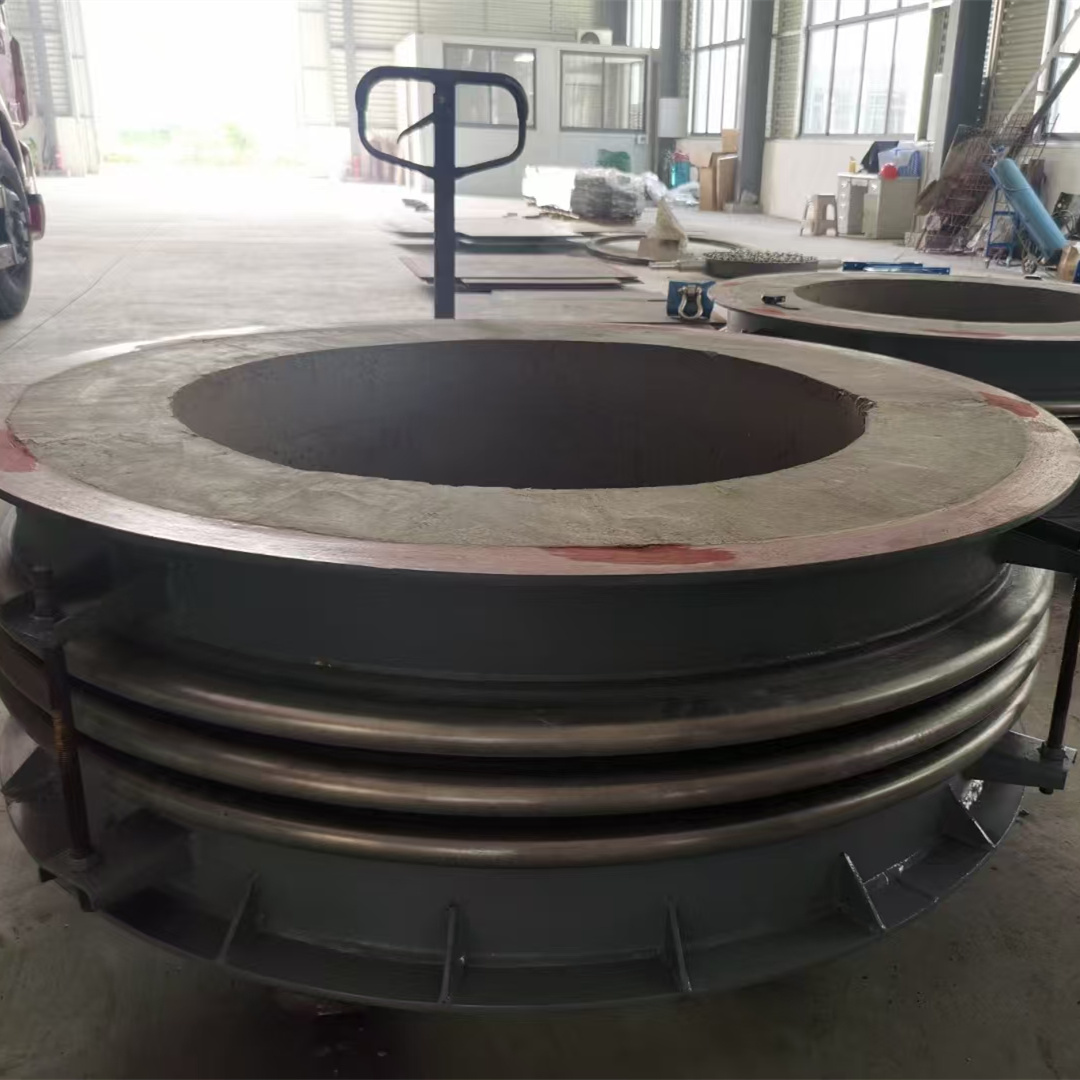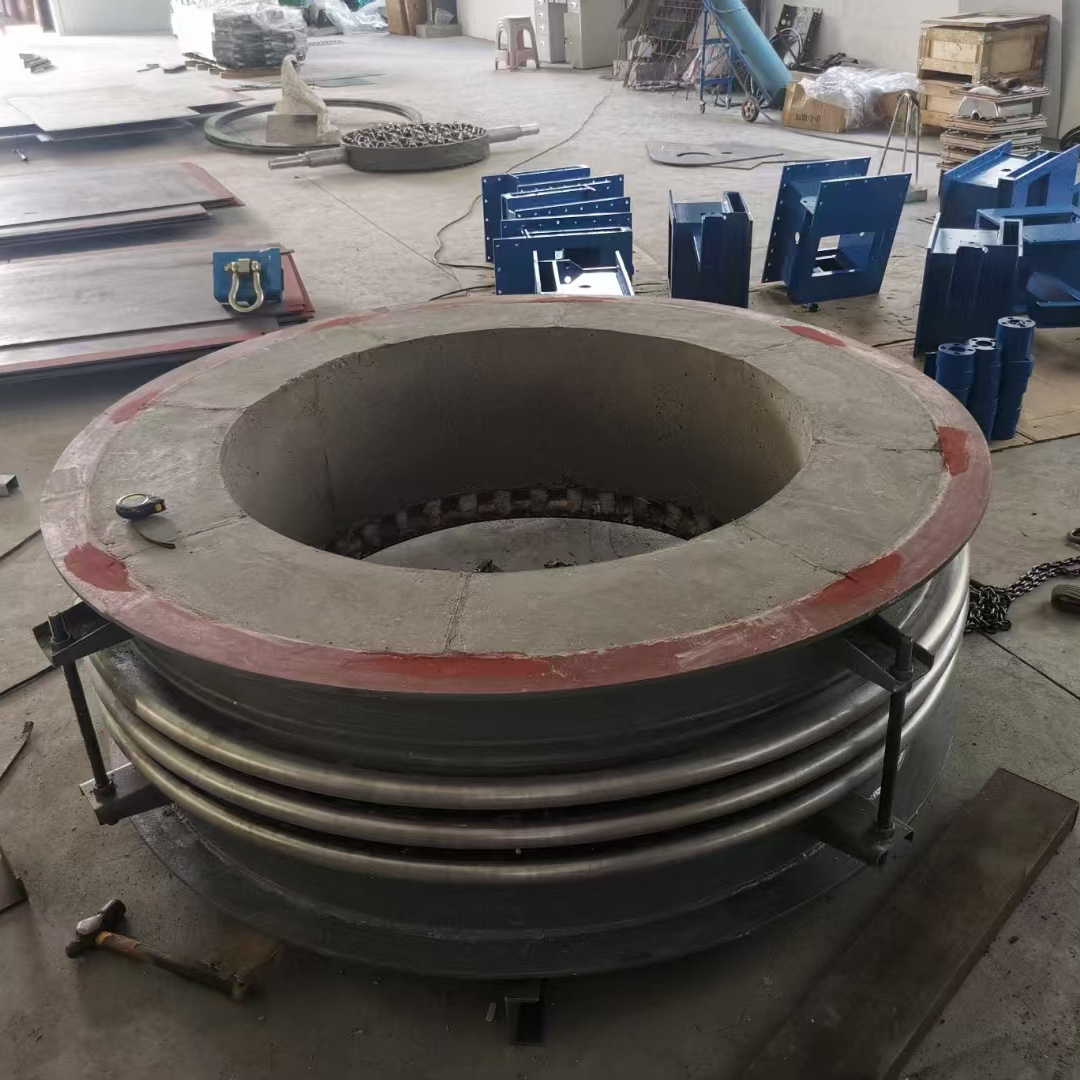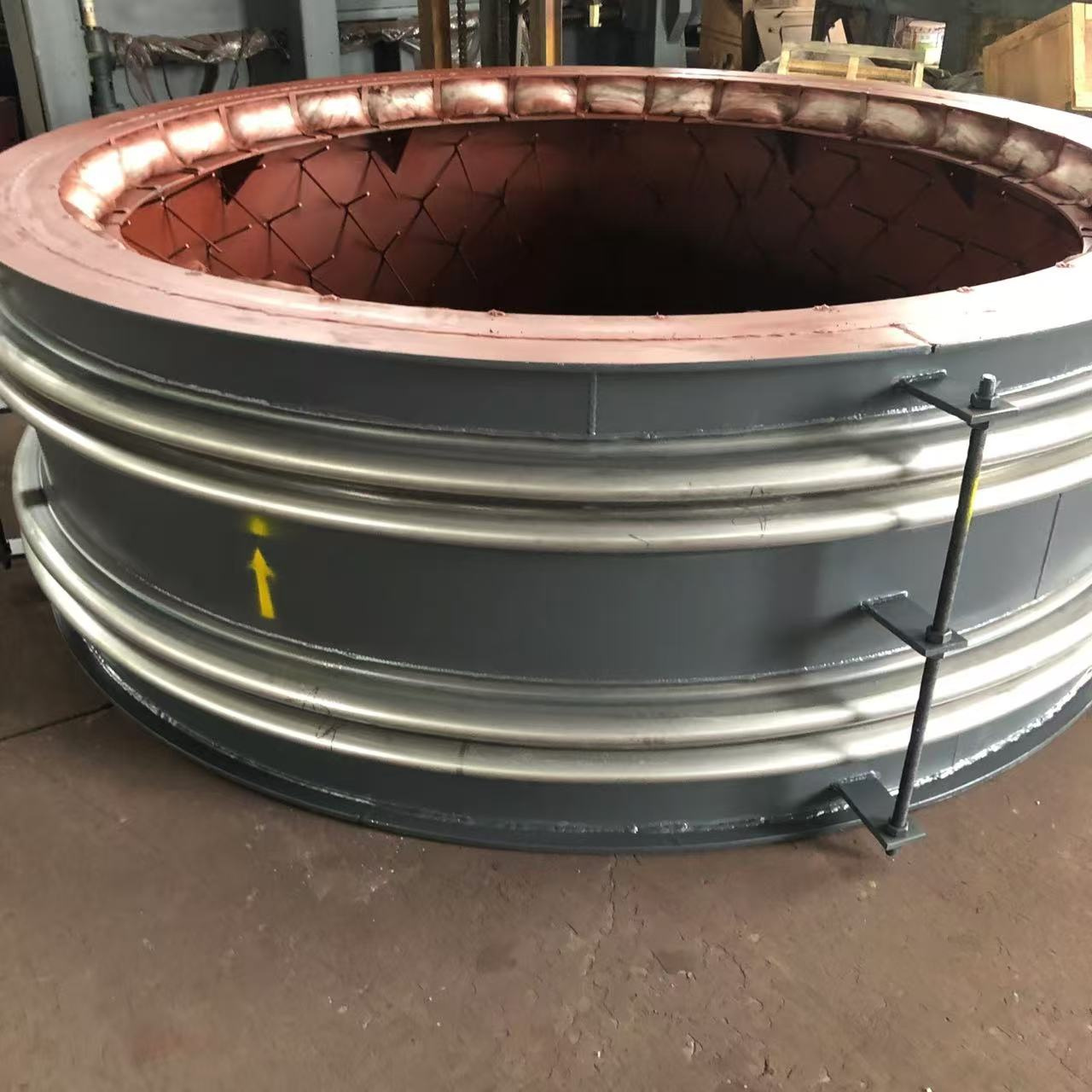
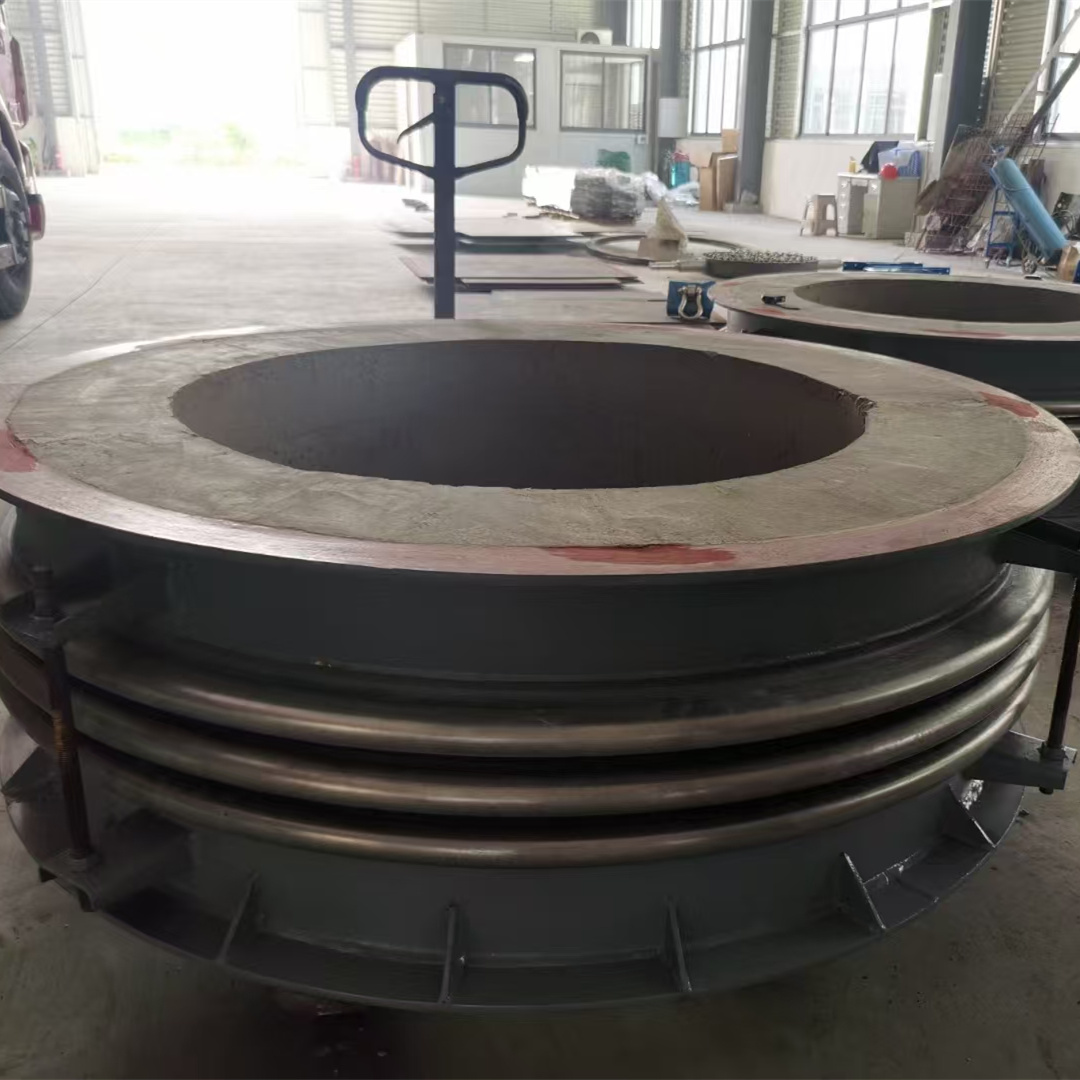









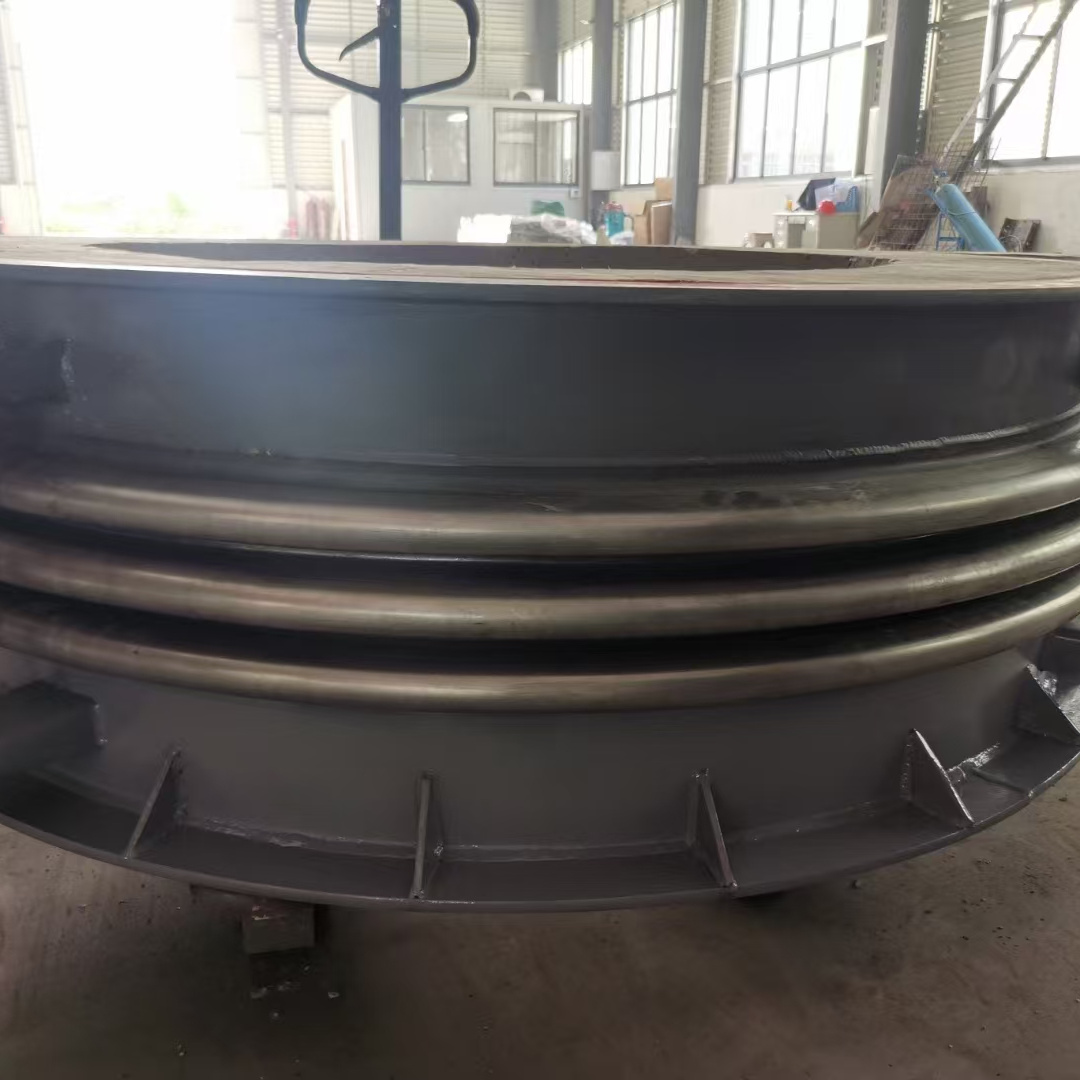
Expansion joints are flexible components that effectively compensate for axial deformation. For instance, the expansion joints welded to the shell of a fixed tube sheet heat exchanger have high axial flexibility and are prone to deformation, which can compensate for the thermal expansion difference between the tubes and the shell due to different wall temperatures, reducing their axial loads. This in turn minimizes the temperature difference stress between the tubes, tube plates, and shell, thus avoiding strength failure, instability failure, and tube pull-out failure. There are various types of expansion joints, with the most common being bellows, welded ring plates, and clamped shell structures. Among them, bellows expansion joints are the most widely used, while welded ring plate expansion joints are only suitable for atmospheric or low-pressure conditions.