













Corrosion prevention in seamless steel pipes is closely related to their service life. Below, the editor of a seamless steel pipe factory will explain to everyone...Corrosion protection for buried seamless steel pipes is a crucial process to ensure and extend their service life. To better ensure a solid bond between the cable sheath and the wall thickness, it is even more important to thoroughly clean the pipeline.Generally, based on the original factory time, storage and transportation standards, and climate humidity levels, the rust on American standard steel pipes can be categorized into light, medium, and heavy rust.
Rust: Generally, with a shorter original factory date and not stored outdoors, there is only a small amount of thin rust on the pipe surface, which can be manually removed to reveal the metallic texture using steel brushes, sandpaper, and pure cotton yarn.
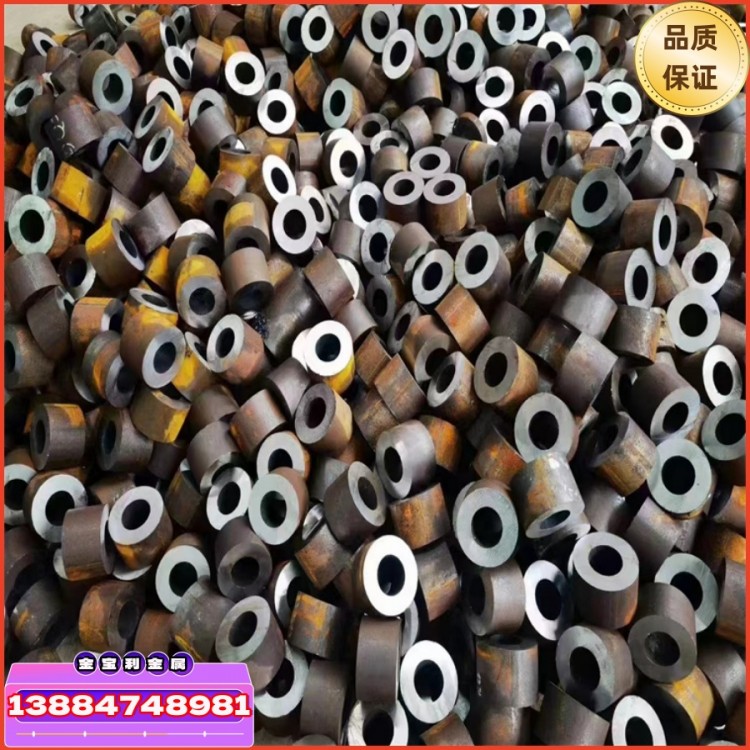
Medium to heavy rust: When the original factory date is long and the product is stored outdoors or has been transported and shipped multiple times, the pipeline surface undergoes air oxidation and rusting, resulting in heavier rust stains. In severe cases, the oxidation scale may fall off.
Severely rusted pipelines are not suitable for sub-water system software. For medium-rust pipe fittings in large quantities, mechanical rust removal methods such as using rust removers or mechanical sandblasting can be employed to enhance labor productivity and reduce environmental pollution to people and gases.
When high anti-corrosion quality is required or both the inner and outer surfaces of the pipe are rusted, organic chemical rust removal can be used, which can reasonably eliminate metal oxides on the inner and outer surfaces of the pipe.
Regardless of the rust removal method used, a protective coating should be applied immediately after rust removal to prevent further oxidation and corrosion from air and gases.