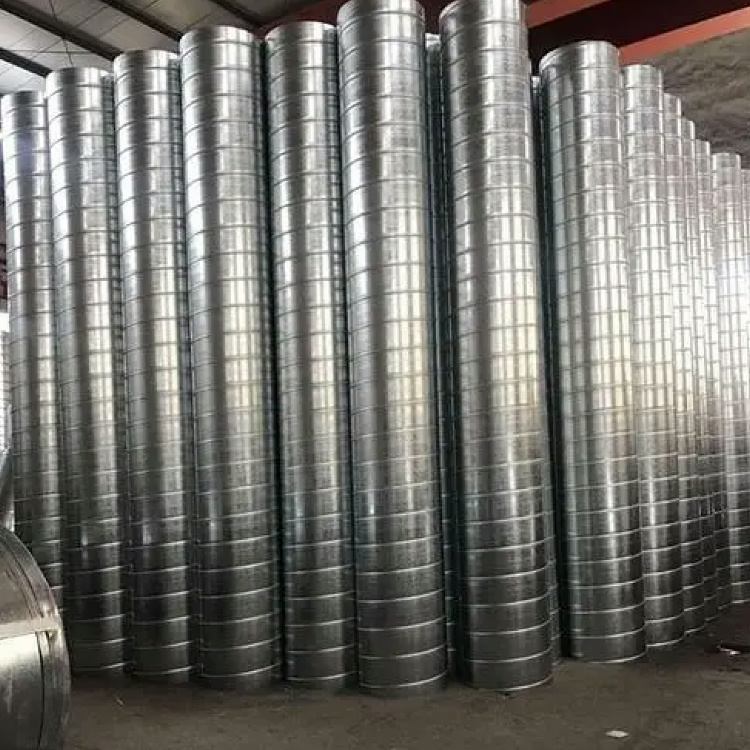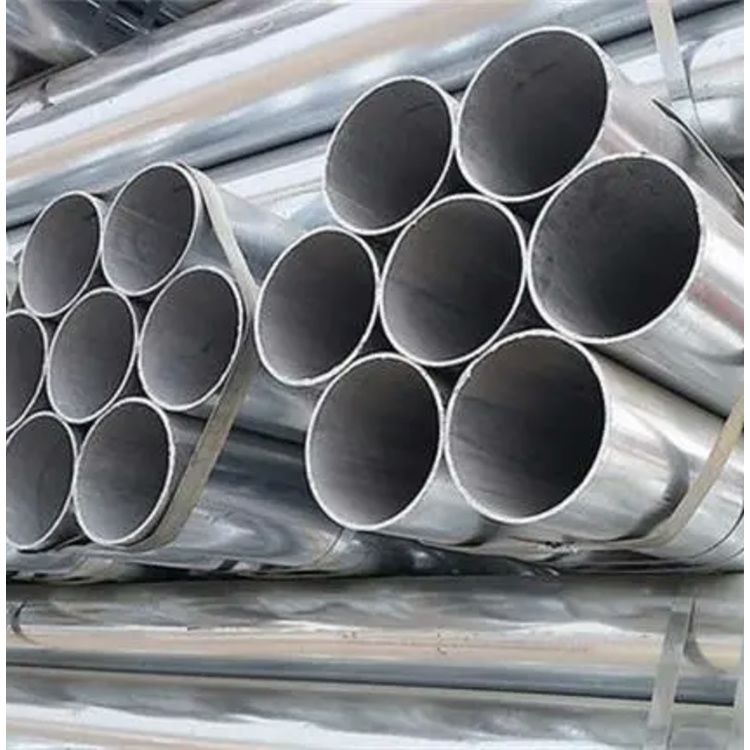

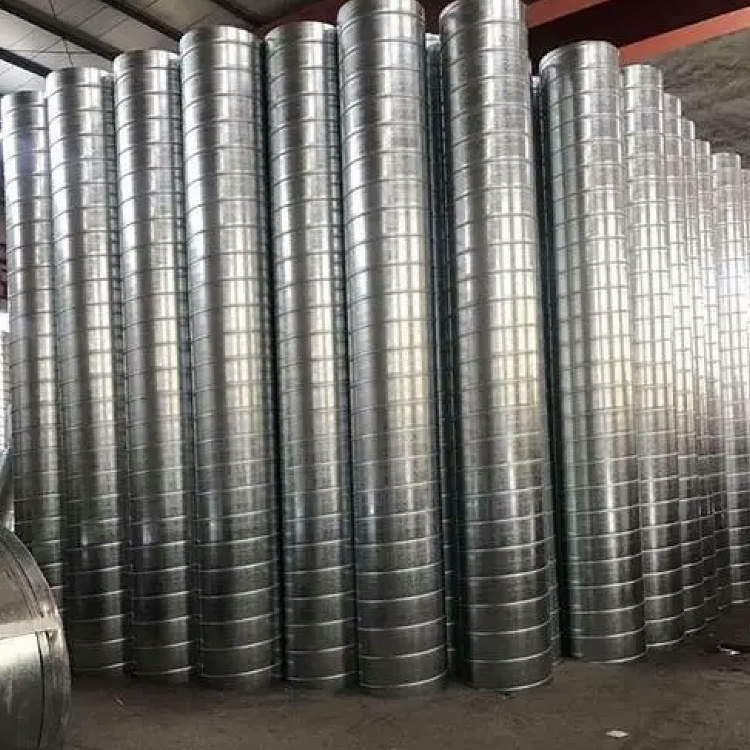

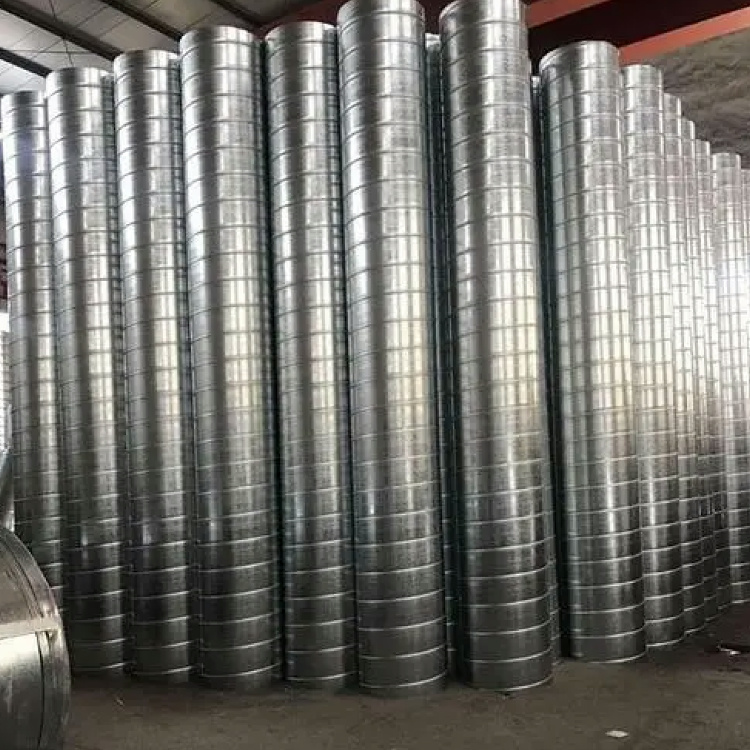

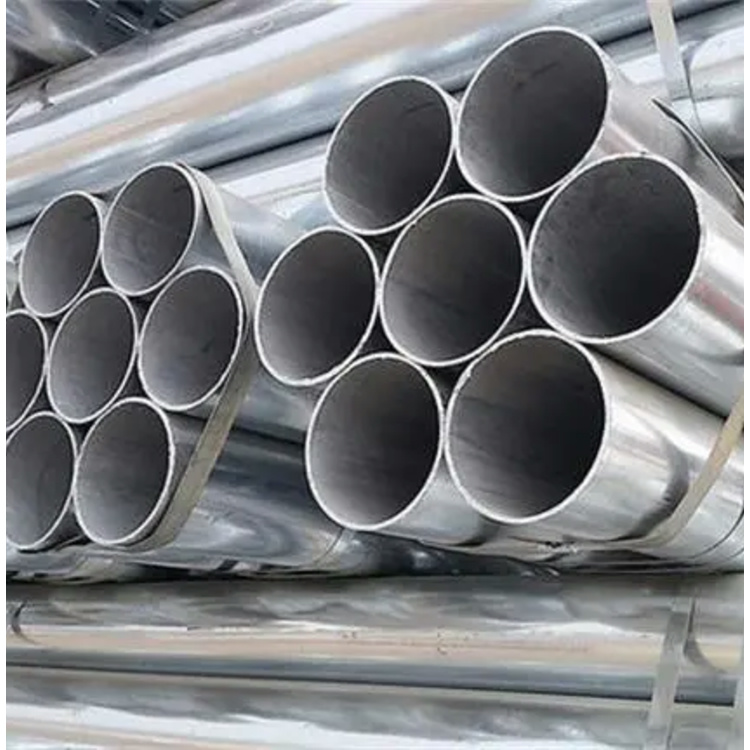


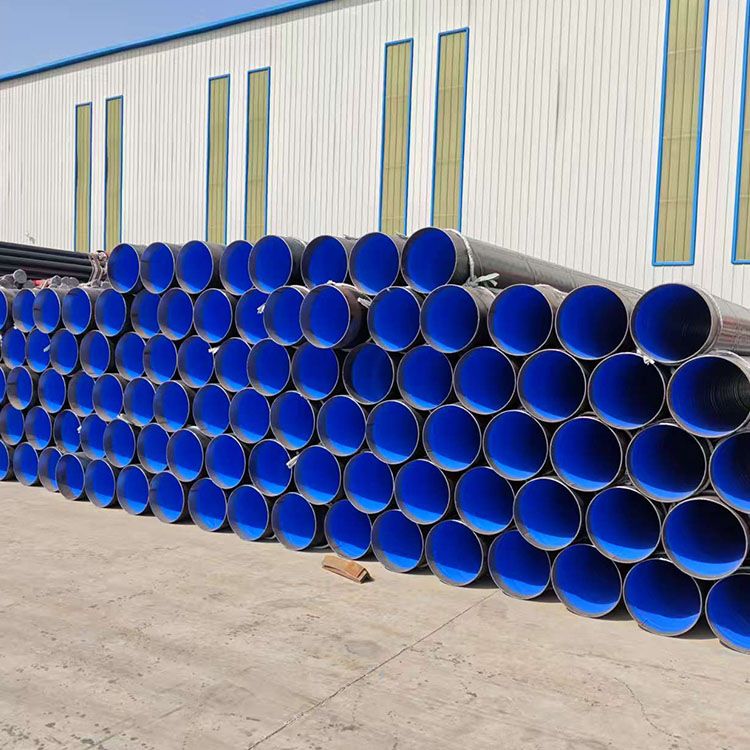








Galvanized steel pipes are categorized into cold galvanized and hot galvanized types. Cold galvanized pipes have been banned, while hot galvanized pipes are still temporarily recommended by the state. In the 1960s and 1970s, developed countries internationally began to develop new pipe materials and gradually banned the use of galvanized pipes. China's Ministry of Construction and other four ministries also issued documents specifying the ban on the use of galvanized pipes as water supply pipes from 2000 onwards. New residential complexes rarely use galvanized pipes for cold water pipes, while some use them for hot water pipes. Hot galvanized steel pipes are widely used in fire protection, electricity, and highways.
Hot-dip galvanized steel pipes are widely used in the manufacturing industries such as construction, machinery, coal mines, chemical industry, electricity, railway vehicles, automotive industry, highways, bridges, containers, sports facilities, agricultural machinery, oil machinery, prospecting equipment, and greenhouse construction.
Galvanized steel pipes are welded pipes with a surface coating of hot-dipped or electro-galvanized zinc. Galvanizing enhances the corrosion resistance of the pipes, extending their service life. These pipes have a wide range of applications, including general low-pressure fluid pipelines for water, gas, oil, and other substances. They are also used in the oil industry, particularly for oil well pipes and oil transport pipes in offshore oil fields. Additionally, they serve as oil heaters, condensers, and coolers in petrochemical coking equipment, as well as support pipes for pier piles and mine tunnel supports.