











Guangdong fiberglass grease interceptor customization, price, order phone number: Dongguan Songshulin Environmental Protection Building Materials Co., Ltd.
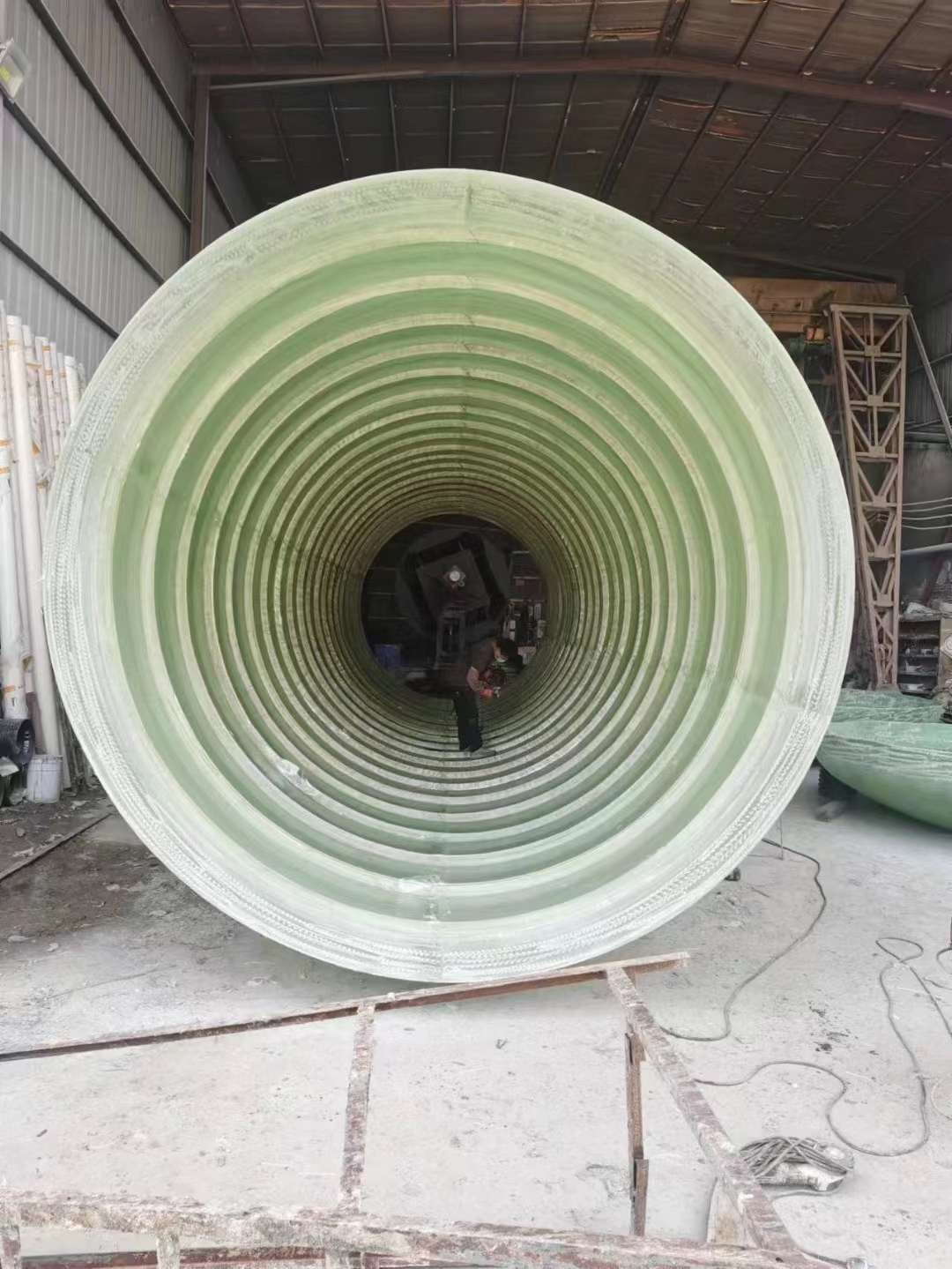
Glass-fiber separator tanks are a new, high-efficiency, and non-powered oil-water separation device developed based on traditional separators. They can recover and reuse over 90% of waste oil, effectively protecting the environment while significantly reducing operating costs. They are widely used for oil-water separation in oily water containing various mineral oils (excluding crude oil), vegetable oils, animal oils, or mixtures thereof, such as in restaurants, hotels, factories, hospitals, schools, government agencies, auto repair shops, machine repair shops, gas stations, and industrial and mining enterprises. They can address the treatment of oily wastewater generated in these places, solve environmental pollution issues, and prevent problems like sewer blockages and wastewater overflow caused by grease solidification during cold seasons.
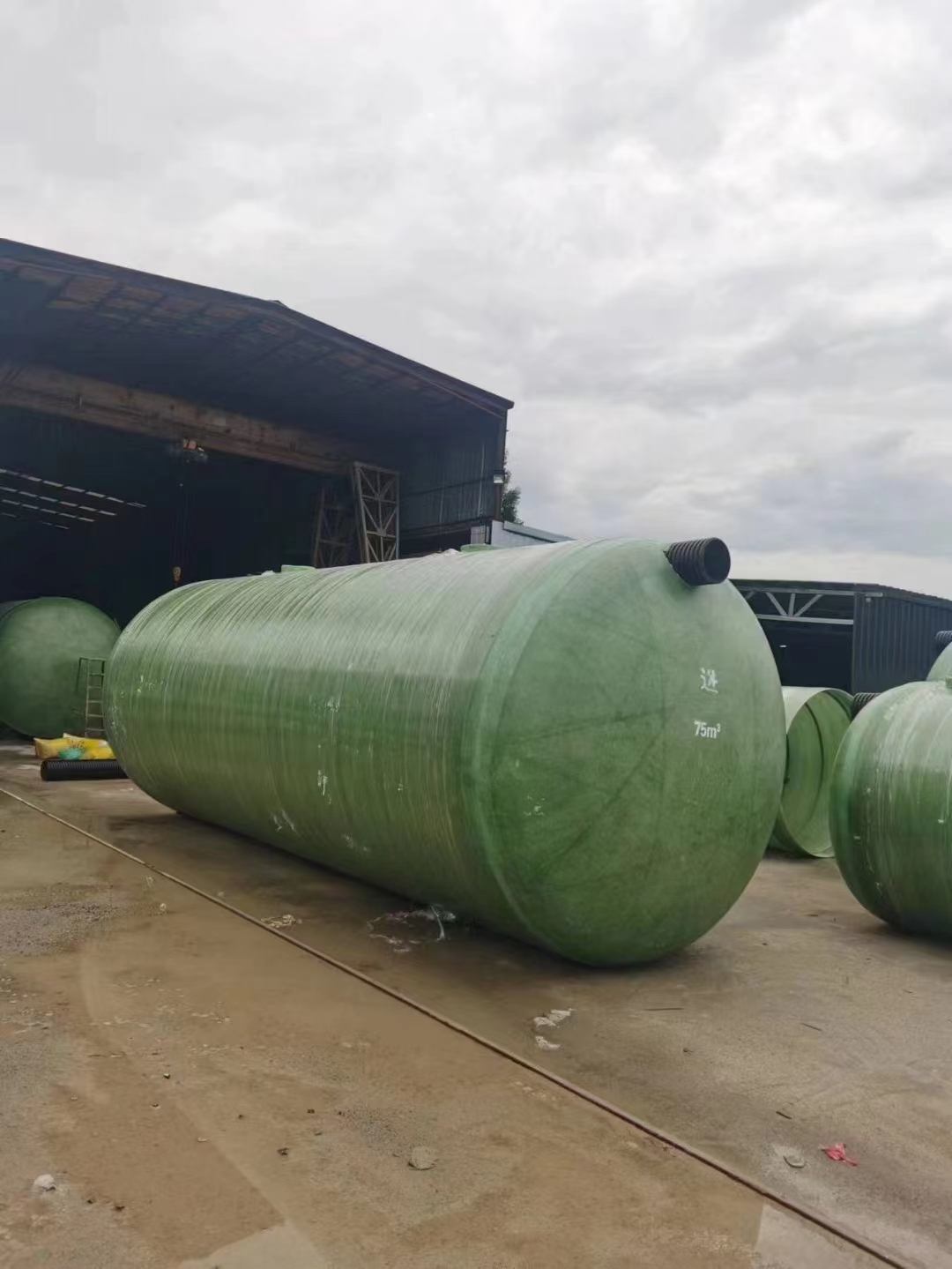
Glass-fiber separator oil ponds offer high separation accuracy, meeting future stringent wastewater discharge standards with low operating costs. Easy to install, no need for professional personnel; users can install it themselves without any need for adjustment, as the equipment is already calibrated and fixed at the manufacturing plant. No power required; the system operates extremely stably without external power or electricity. Maintenance is convenient and easy to clean; the system features flange interfaces, allowing for easy removal of pollutants with a vacuum sludge removal vehicle. Annual maintenance costs can be reduced by over 50% compared to other oil separators, demonstrating strong shock load resistance. This technology achieves a breakthrough in oil-water separation, being space-saving, cost-effective, and with excellent treatment results.
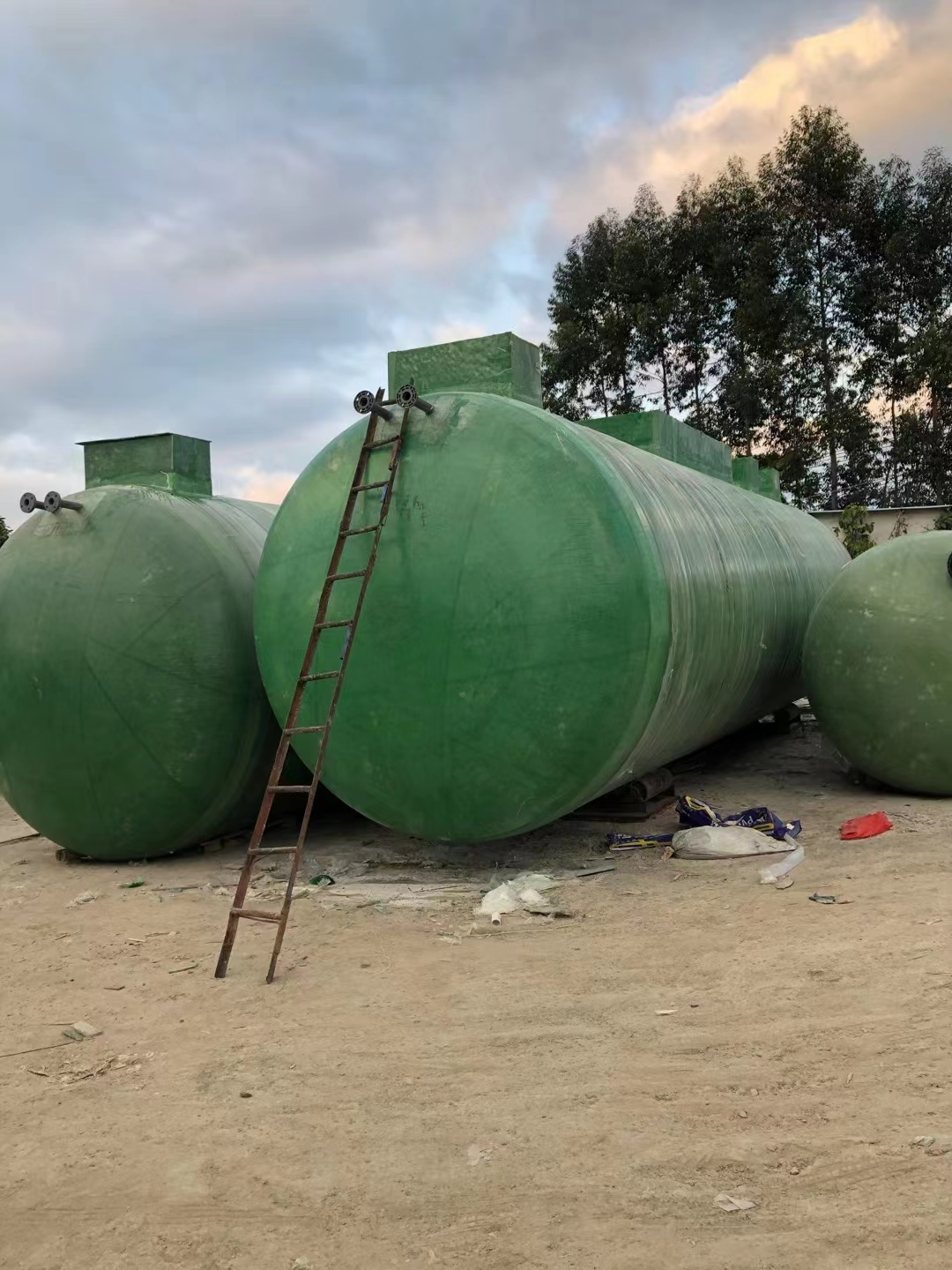
The fiberglass grease interceptor is a "three-stage" passive oil-water separator. Through its internal special device, when oily wastewater enters the first stage, the debris box intercepts the solid waste (such as vegetable leaves, rice particles, etc.). In the second stage, the kinetic energy of the water flow is utilized for continuous collisions, gradually increasing in size, thereby accelerating the movement and separating oils of different densities. In the third stage, the wastewater undergoes turbulent motion along the inclined pipes, separating oil and water due to density differences. Finally, it flows out from the overflow weir and is collected and discharged through the outlet pipe. Meanwhile, oil droplets in the water gather and flow upwards along the upper surface of the inclined pipes, floating in the槽 of the grease interceptor. They are then collected and removed through oil collection pipes or manually.
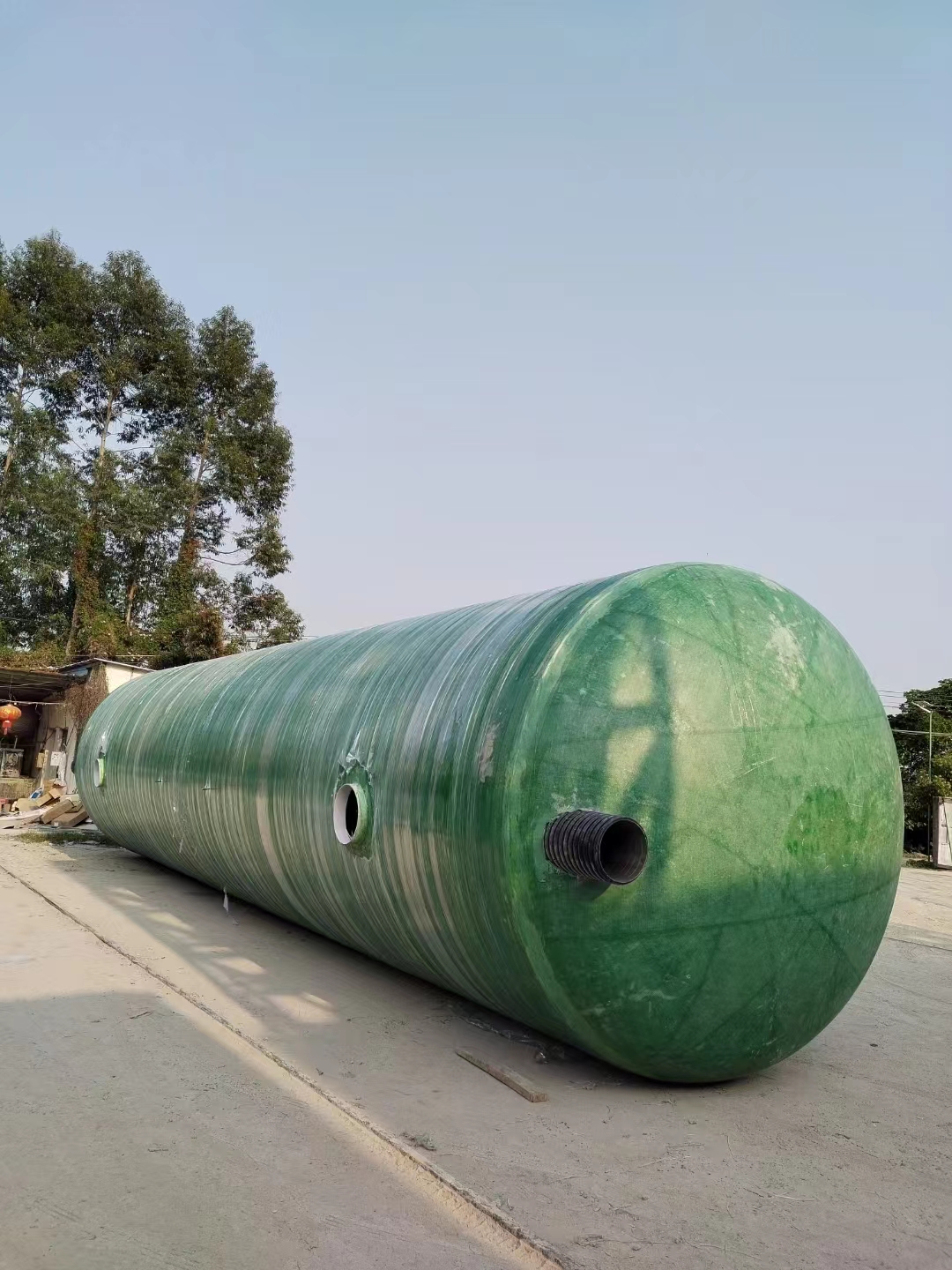
Glass fiber grease separators are widely used for the oil-water separation of oily water containing various mineral oils (except crude oil), vegetable oils, animal oils, or their mixtures. This includes the treatment of oily wastewater generated from restaurants, hotels, factories, hospitals, schools, government agencies, auto repair shops, machine repair shops, gas stations, and industrial and mining enterprises. They are essential grease separation equipment for kitchens and ideal for oil separation in garage drainage pipes.