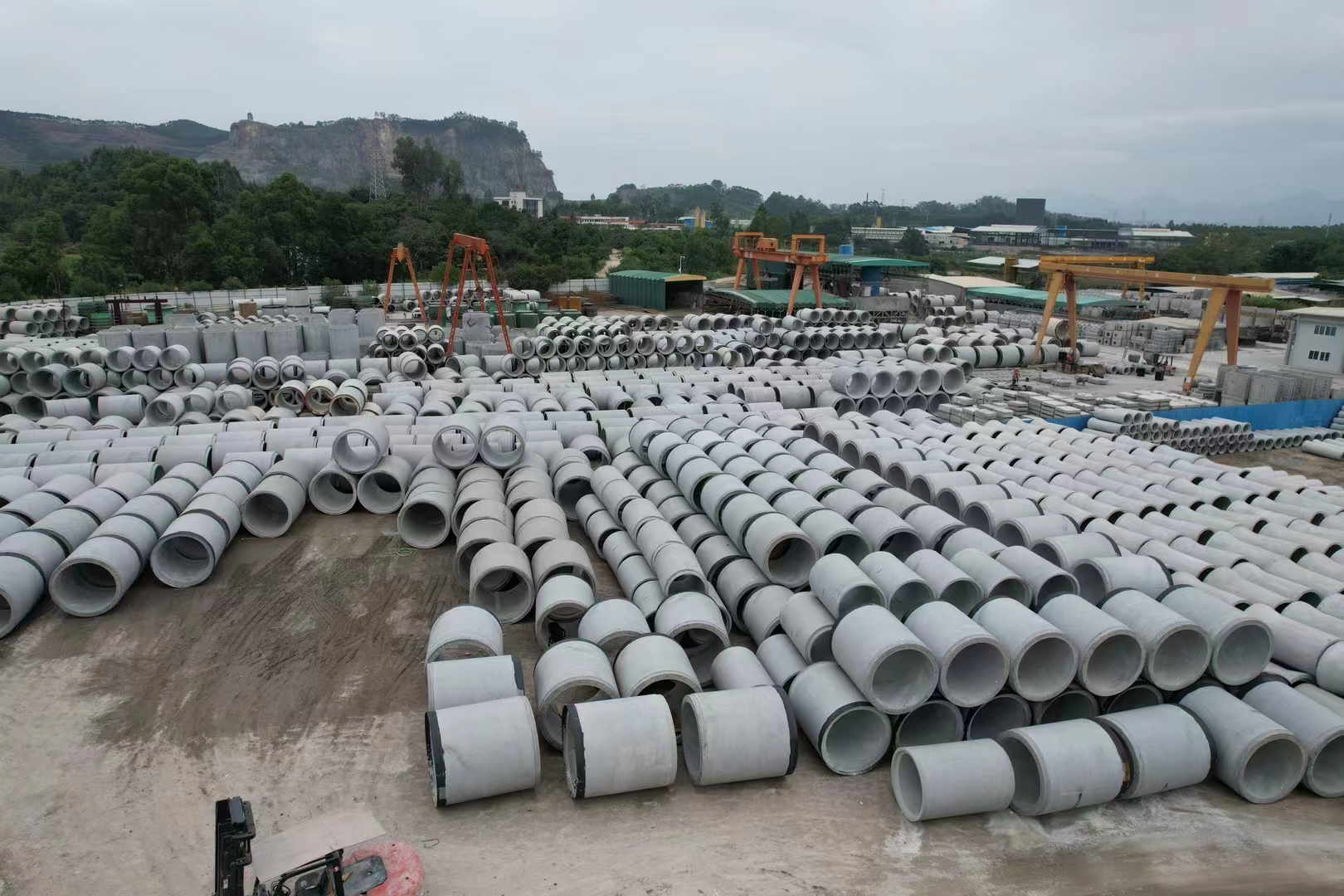











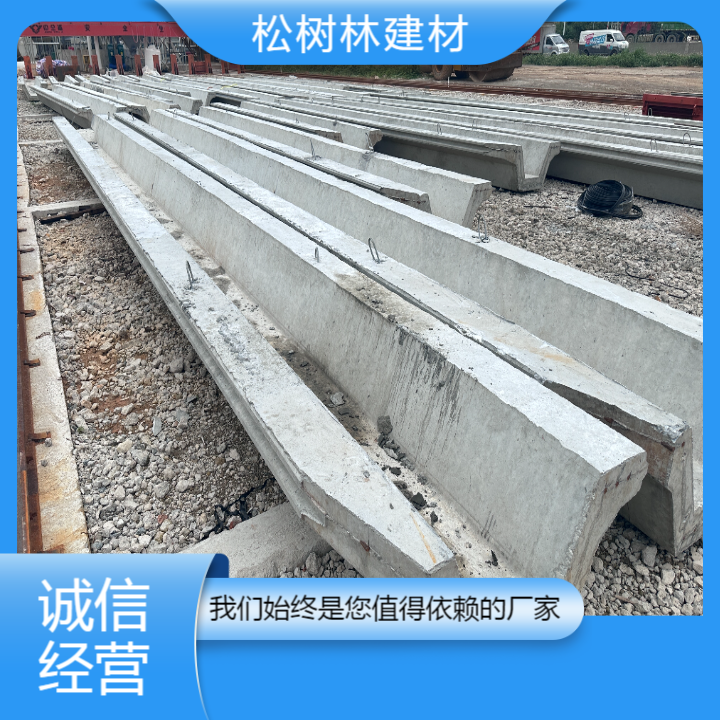
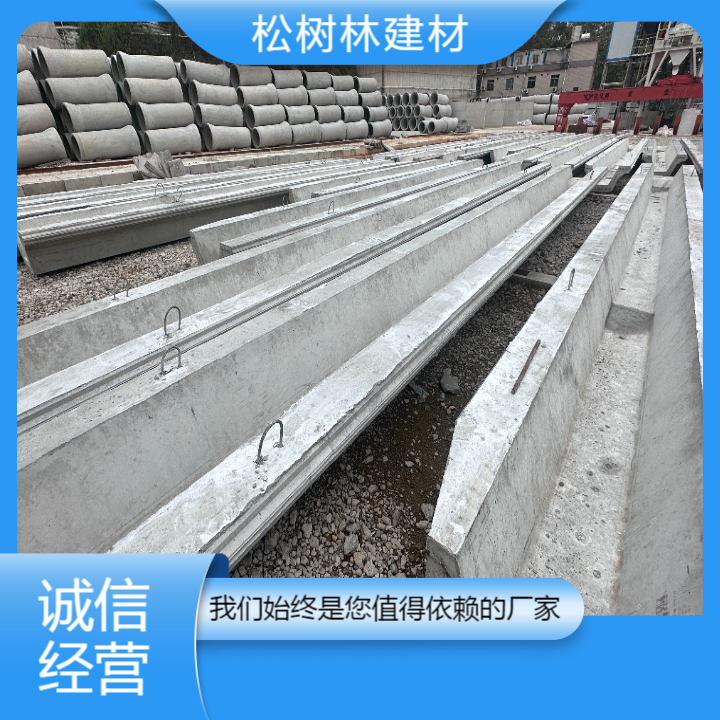
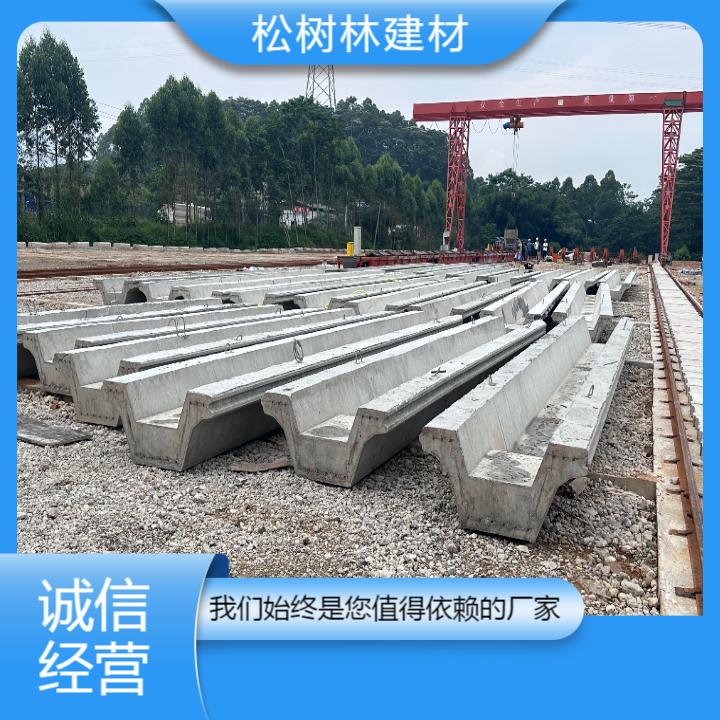
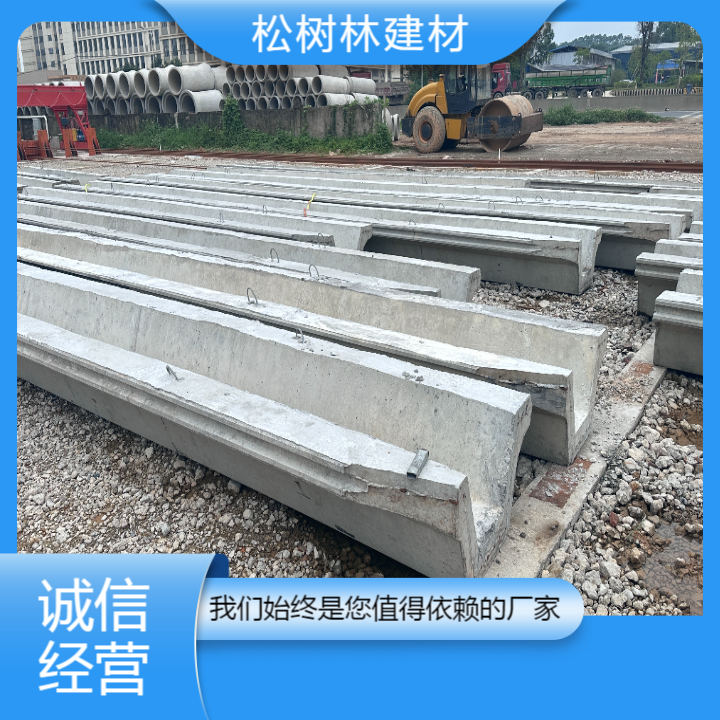

Huizhou Grade II Reinforced Concrete Bevel Pipe Installation, Construction Workers, Bulk Order.
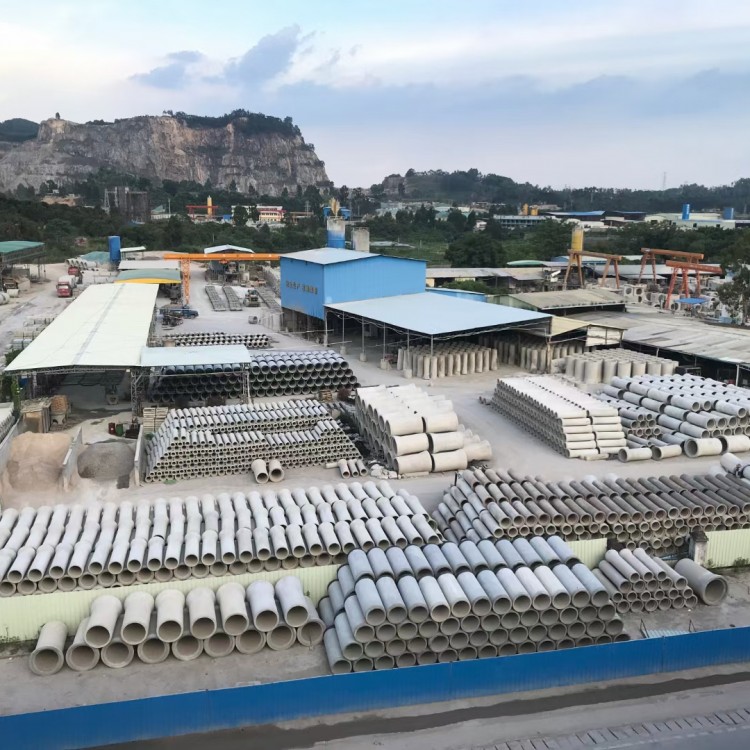
Reinforced concrete socket pipes are widely used in our daily lives, found everywhere. They are used for agricultural irrigation, sewage drainage, pure water supply, wastewater, as auxiliary pipelines, community construction, drainage pipes, and conduit lines.
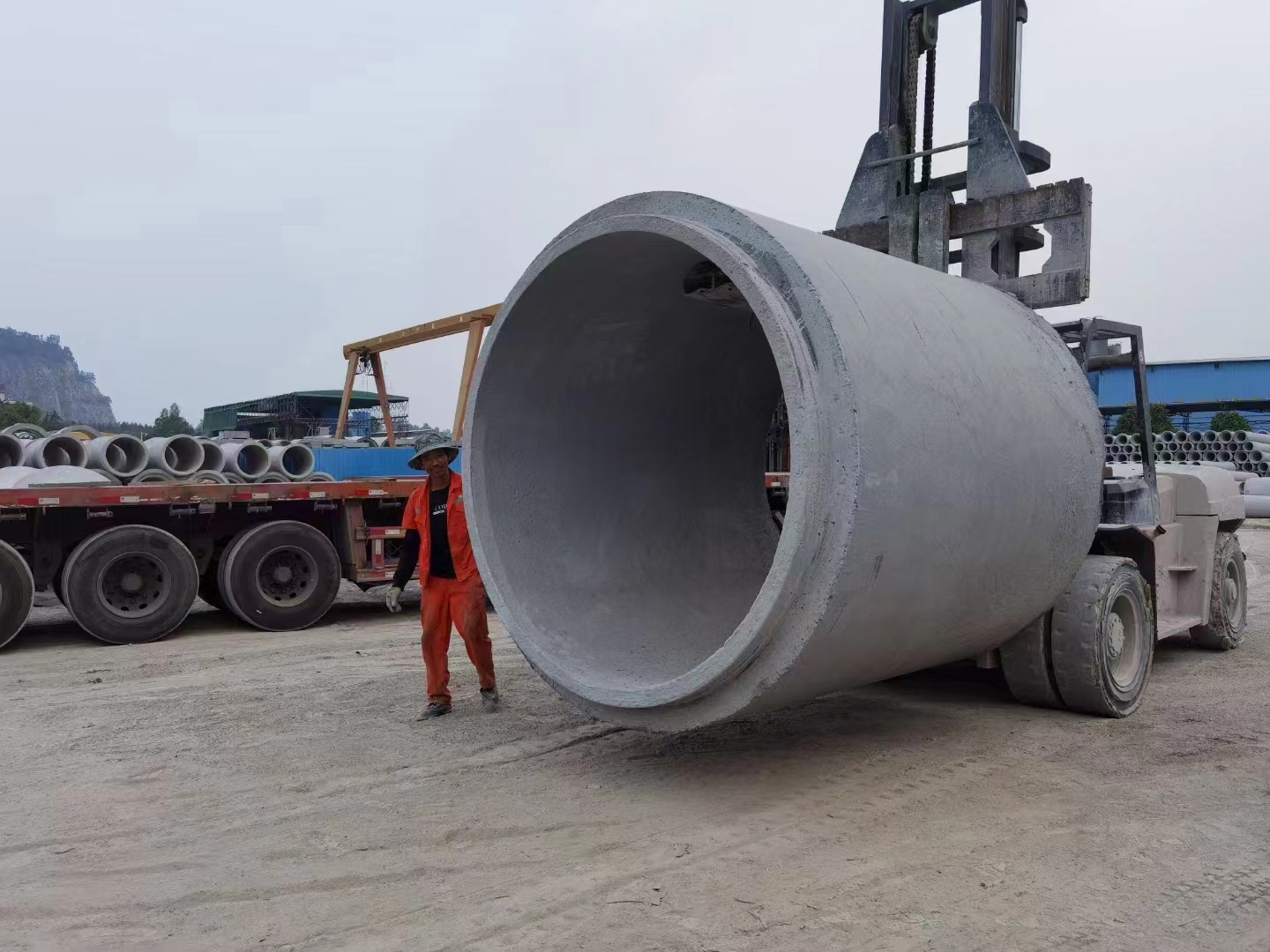
Socketed connection of reinforced concrete pipes, align the female socket with the flow direction of the water, then mate the male socket with the female socket and insert it firmly, wrap with wire mesh, and finally smooth the joint with cement mortar. The flat-ended reinforced concrete pipes should be installed from downstream to upstream. At the joint, ensure proper sealing to prevent leakage. From bottom to top, the pipe's own weight can be utilized to ensure a secure fit.
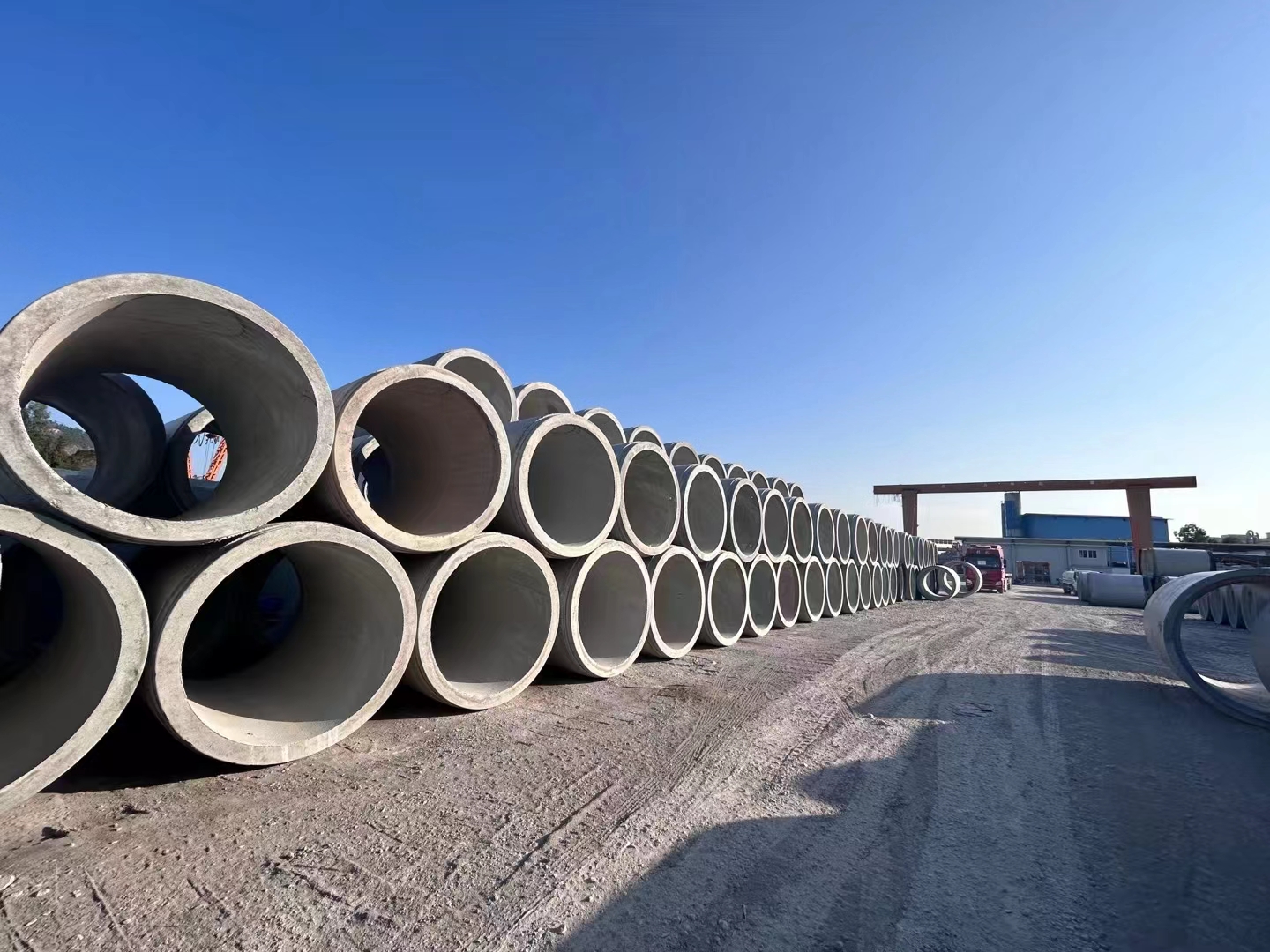
What is the difference between flat-end and bevel-end concrete sleeves?
Difference:
1. For flat joint construction, asphalt fiber rope should be used for filling, with a wire mesh laid on the outside and high-strength mortar used for the joints. For tongue and groove joints, simply fill with asphalt fiber rope and mortar joints are sufficient.
2. Seamless pipes are easy to install but may cause misalignment and pipeline leakage due to settlement. Flanged pipes do not experience this issue.
Concrete pipes can be further divided into flat-end pipes, socket-and-spigot pipes, and bell-and-spigot pipes based on their joint types. Their joint forms include cement mortar flanged joints, steel mesh cement mortar flanged joints, cement mortar socket-and-spigot joints, and rubber ring socket-and-spigot joints.