









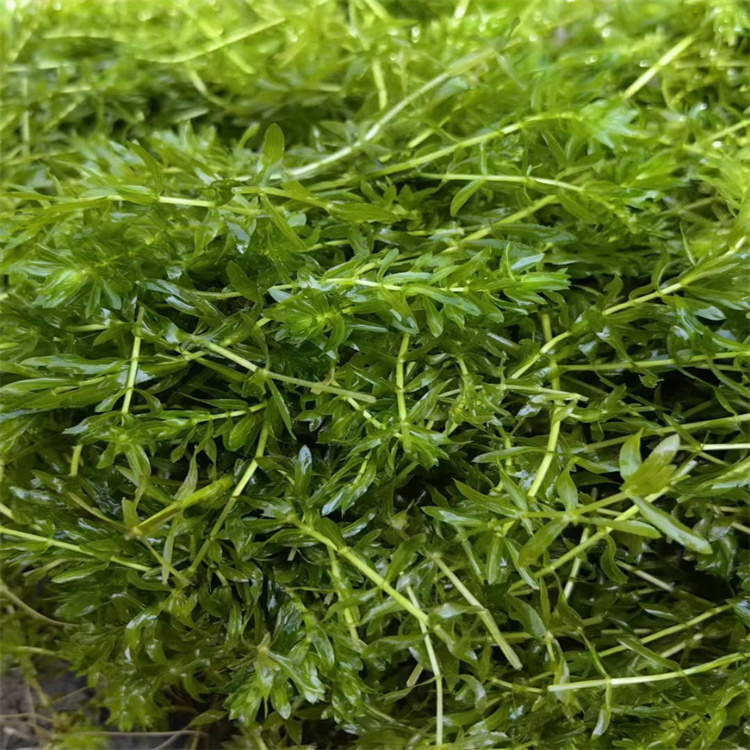
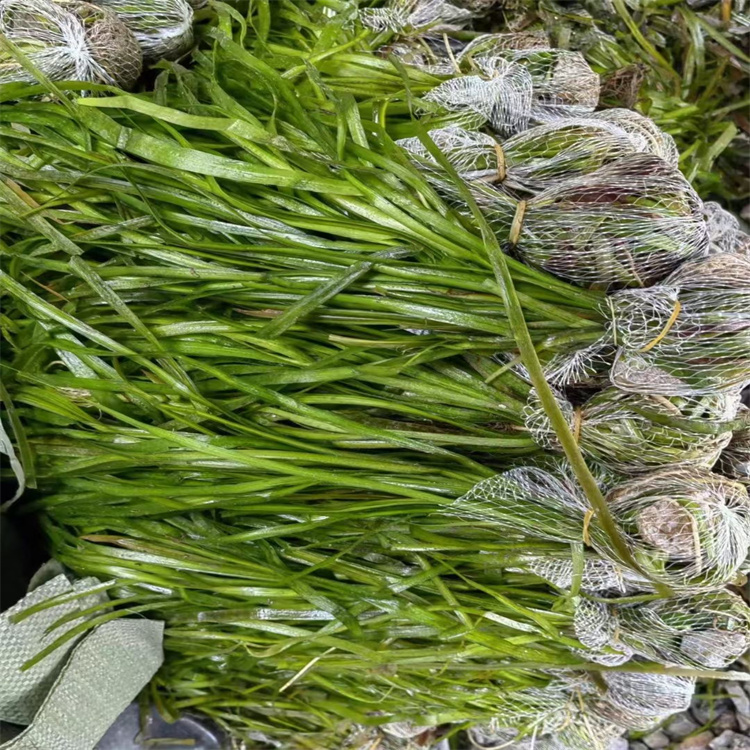

The characteristics, growing environment, ecological uses, and ornamental value of Thalia dealbata (commonly known as "Zailihua") are as follows:
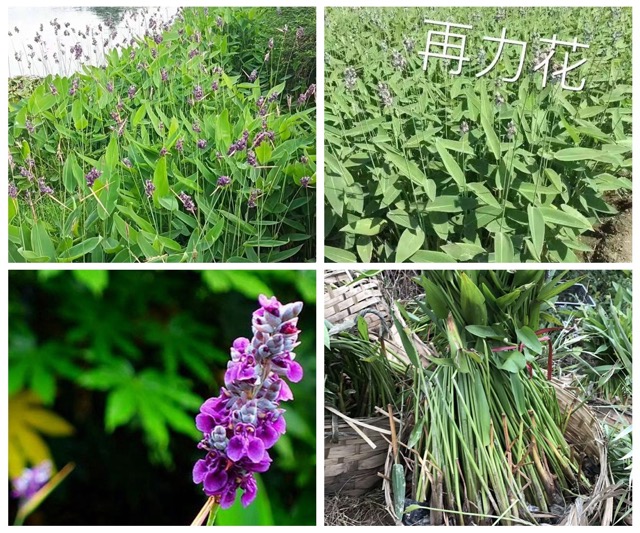
Physical Characteristics:
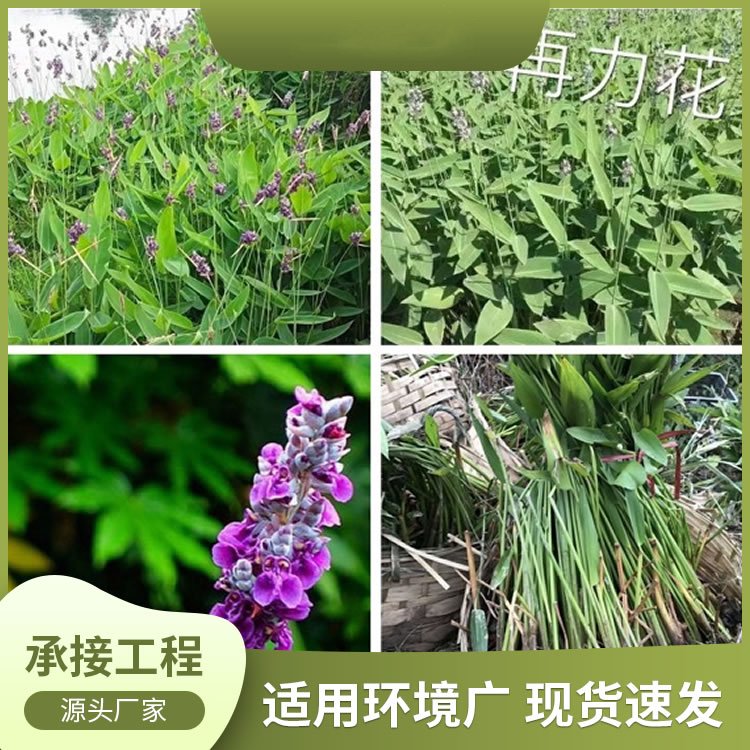
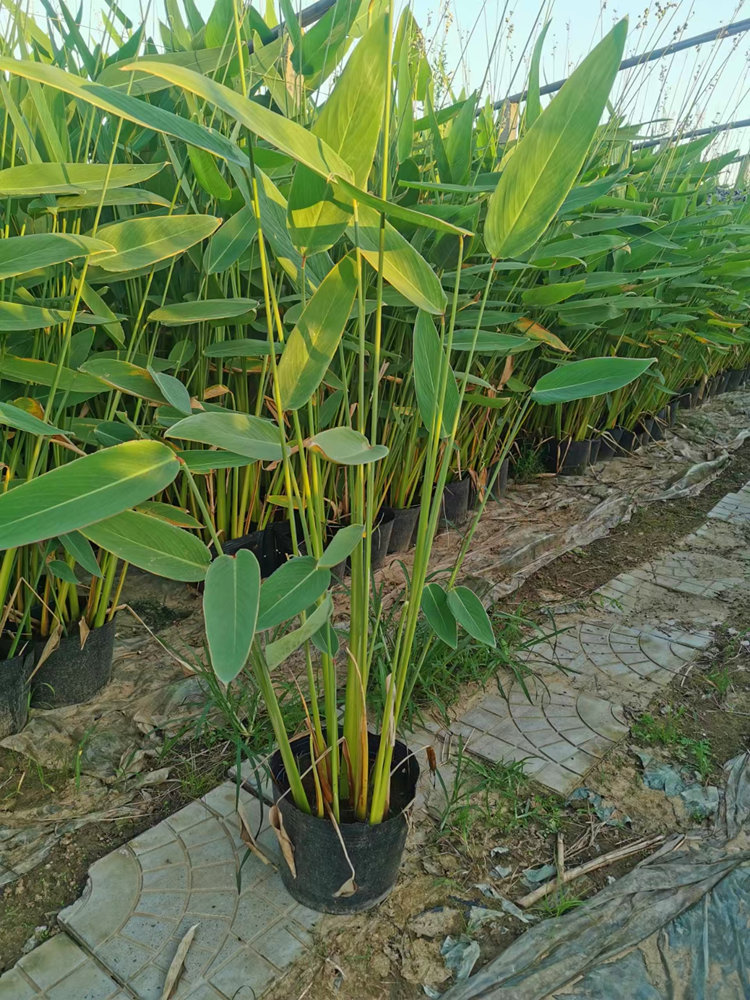
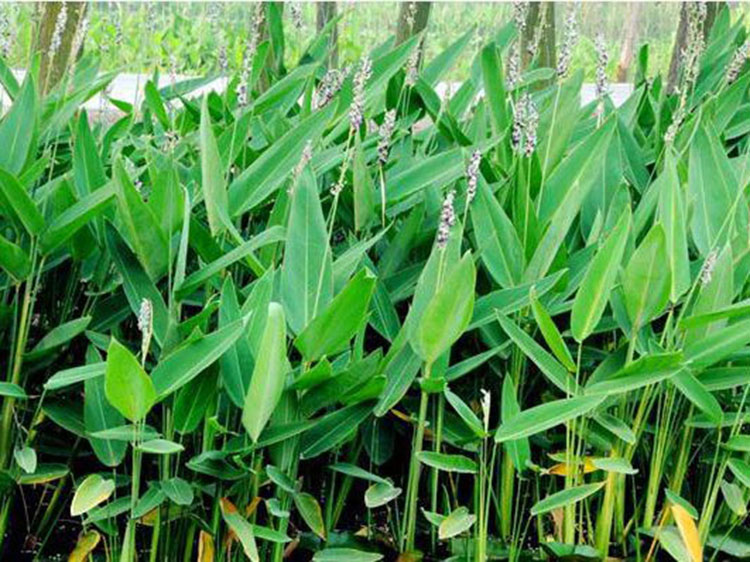
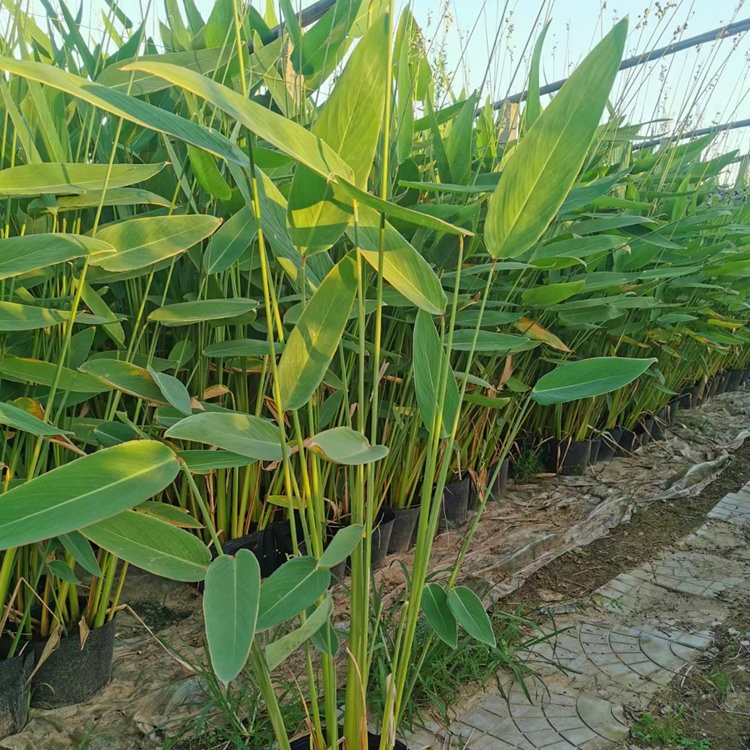
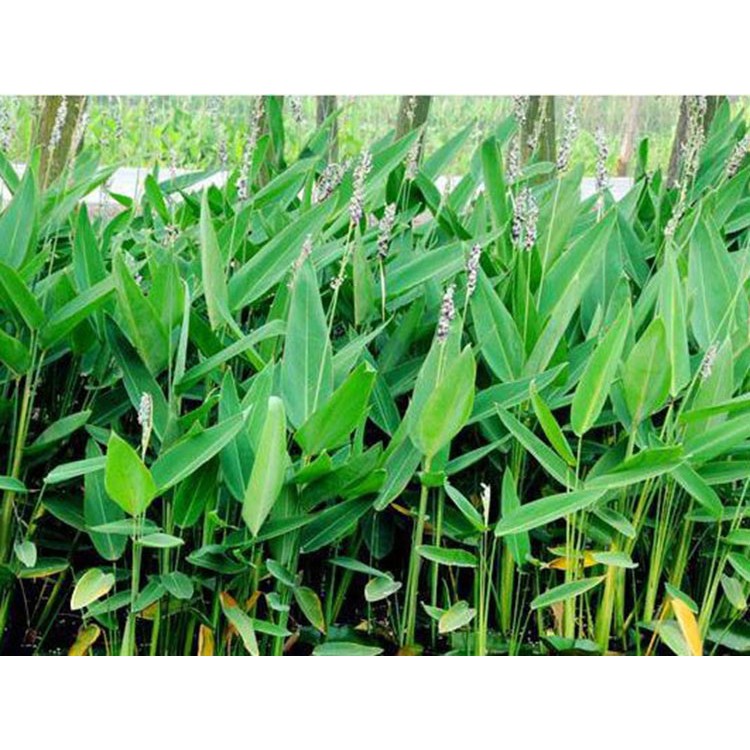
• The lotus flower is a perennial emergent or wetland plant, with stems that can reach 2-3 meters, even taller.
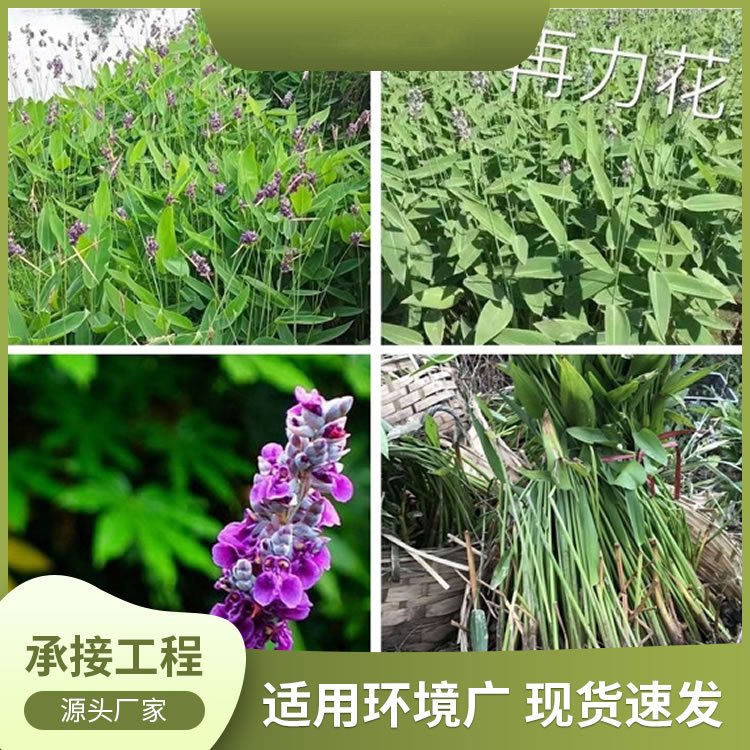
• Large leaves, pinnate compound leaves, leathery texture; leaves are typically green, with smooth edges, arranged in an orderly manner, forming a distinct umbrella-like structure.
• The inflorescence is unique and eye-catching, with spicate inflorescences emerging from the base. The flowers are small and dense, predominantly in shades of white to light purple, and offer high ornamental value.
• The seeds are brownish with a rough surface and have an aril, which makes them easily spread by wind and water when mature.
2. Growing Environment:
• The Syngonium is native to the tropical Americas, and has now been introduced for cultivation in various regions including China.
Prefers warm and humid climatic conditions, requires high light exposure, and thrives in ample sunlight.
• Not particular about water quality, it thrives well in slow-moving and still water environments such as rivers, lakes, swamps, ponds, and paddy fields.
• Not tolerant to cold; growth ceases when winter temperatures drop too low, and the underground parts may wither due to low temperatures.
3. Eco-Purpose:
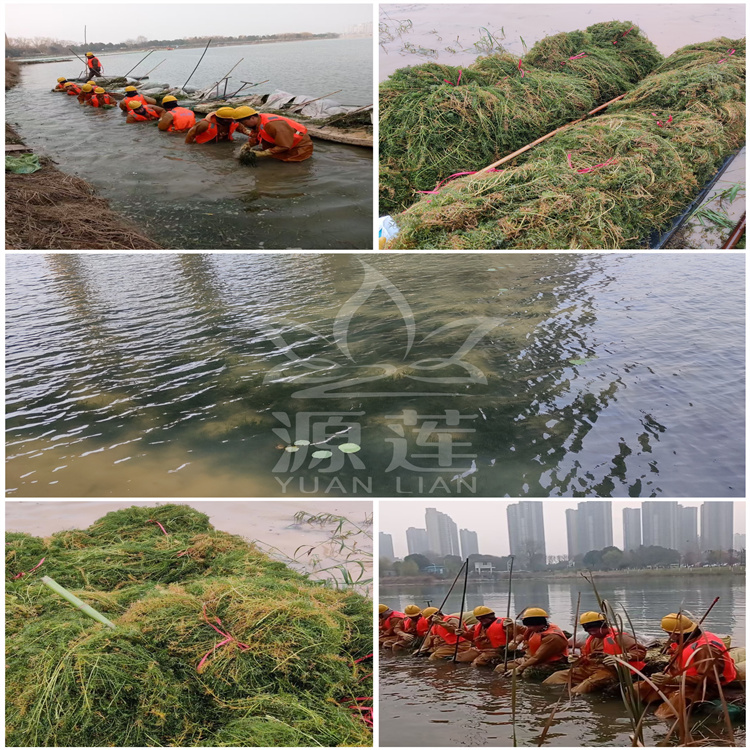
• The lotus flower is an essential component of wetland ecosystems, effectively purifying water quality, absorbing excess nutrients, and contributing to the maintenance of aquatic ecological balance.
• Its extensive root system helps stabilize riverbank soil, reduce soil erosion, and provides a habitat for aquatic life, enhancing biodiversity.
4. Aesthetic Value
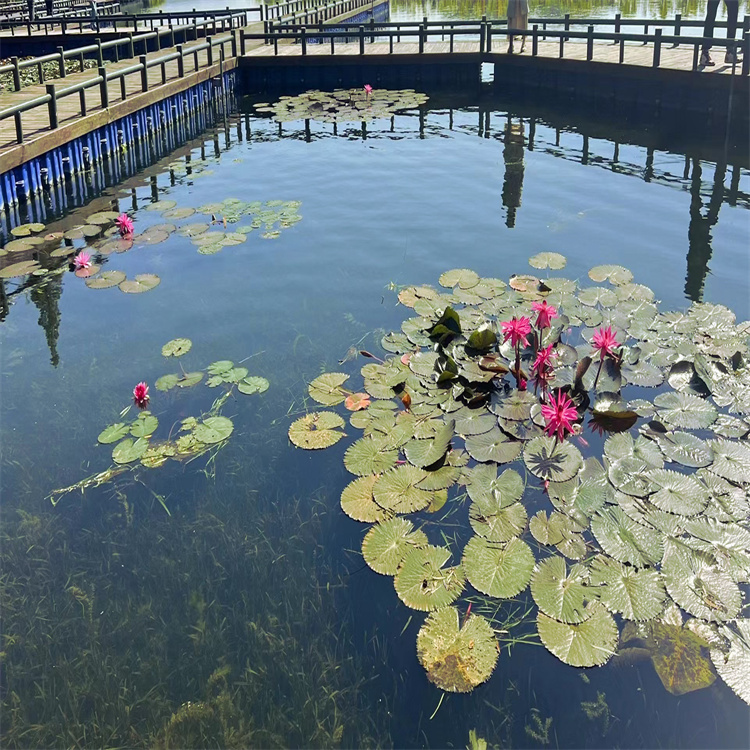
• The lotus flower, with its distinctive leaf shape and towering stature, is highly valuable for ornamental purposes in landscaping, commonly used in water scene designs, wetland parks, lake edges, and artificial wetland scenery arrangements.
Small but numerous flowers create a spectacular inflorescence, and the long blooming period makes the plant popular as an ornamental.
• In home gardening, it can also be used as decorative plants in water tanks and ponds, adding a touch of wildness and natural beauty.