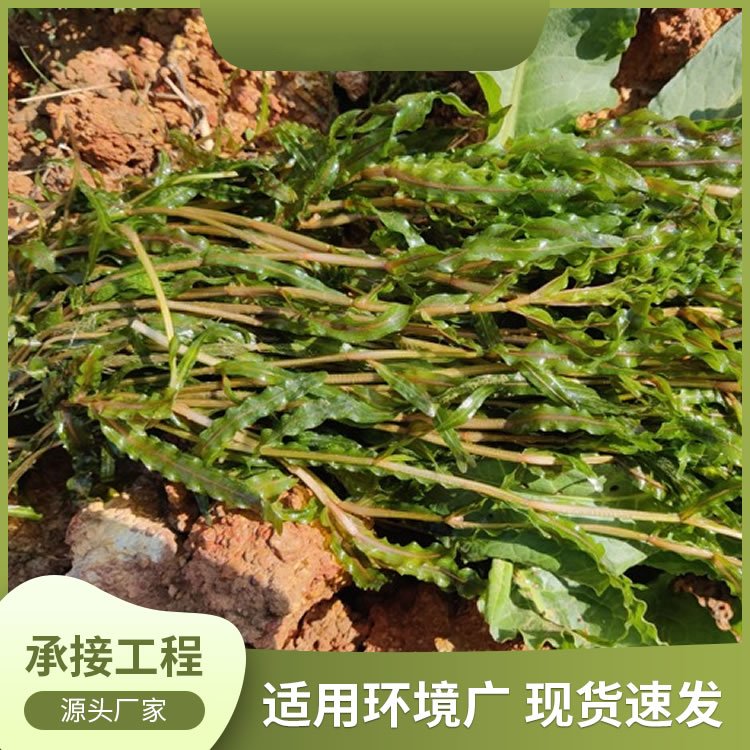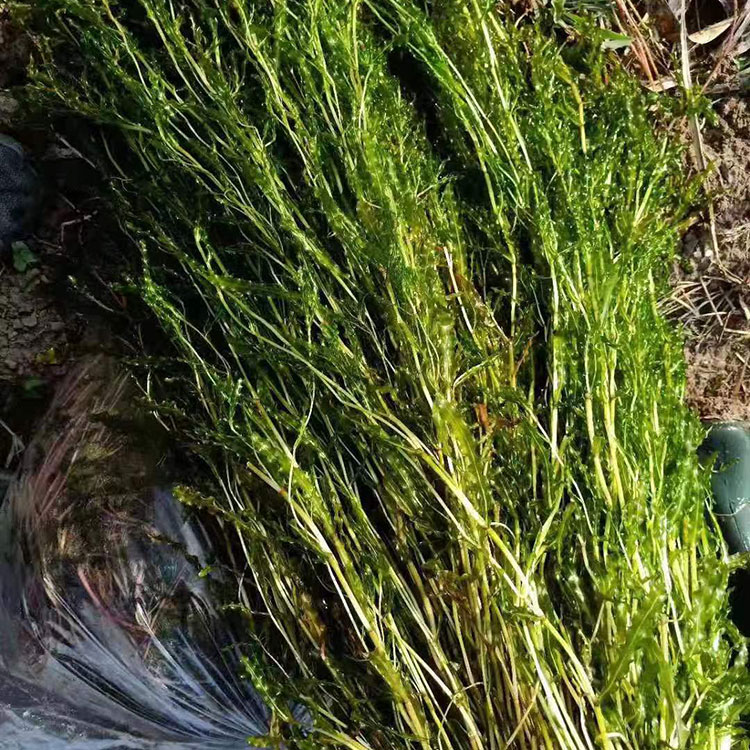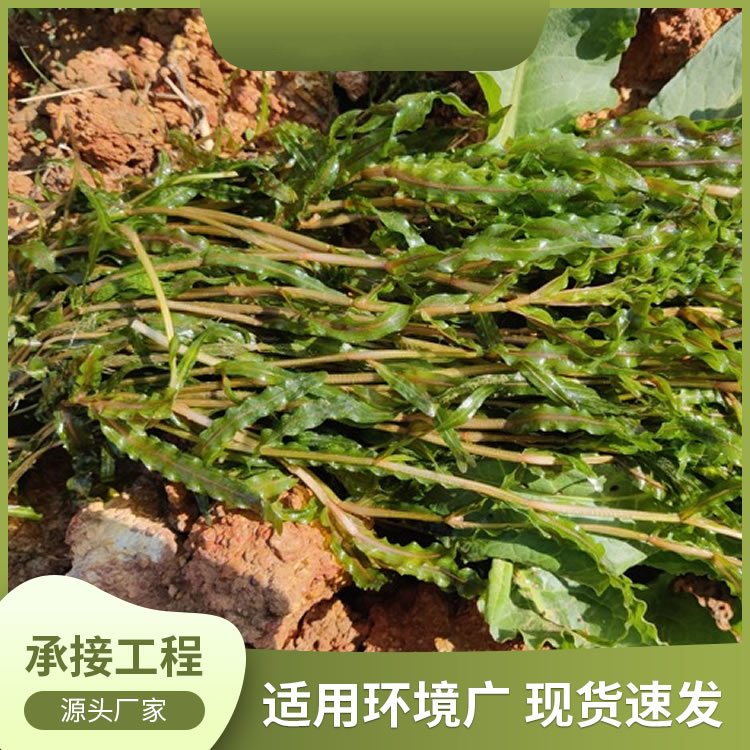
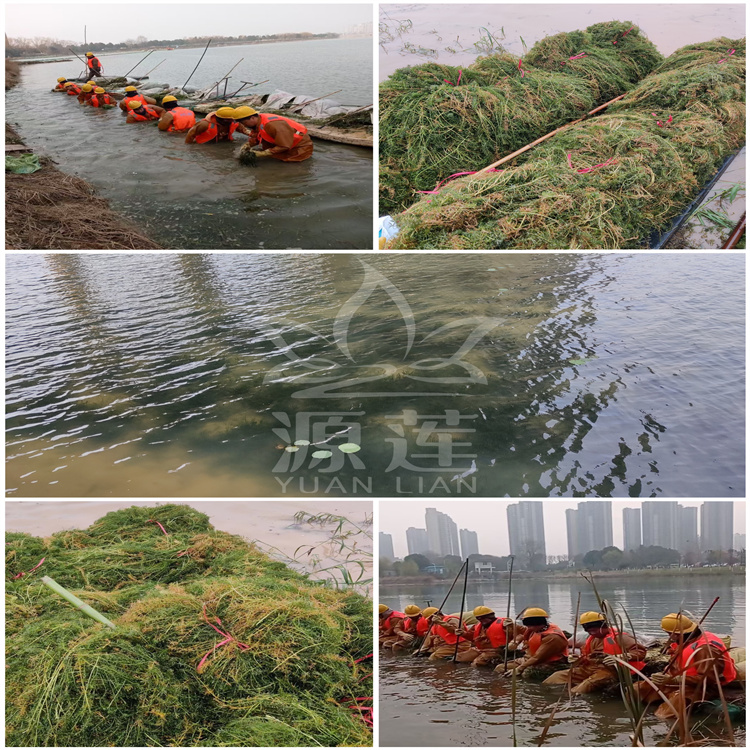
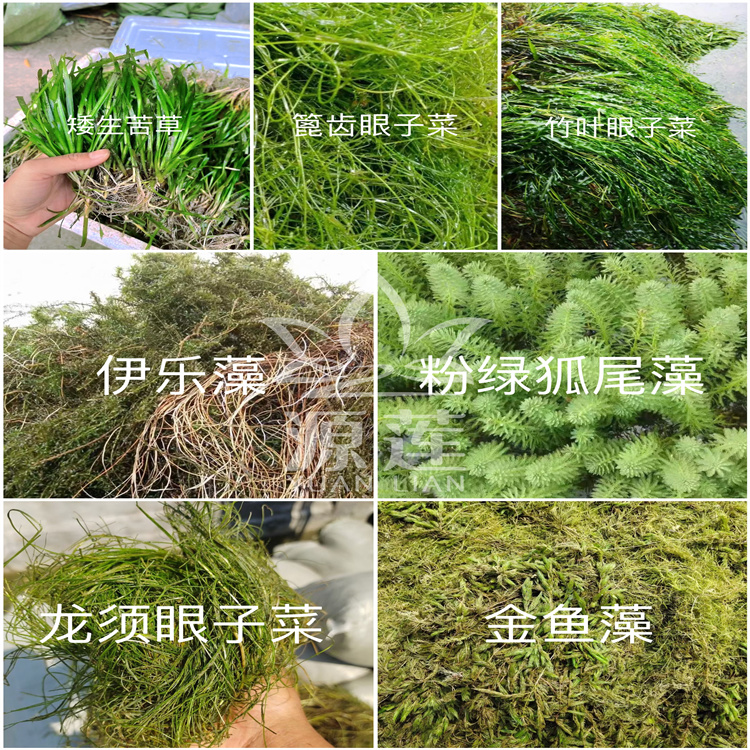


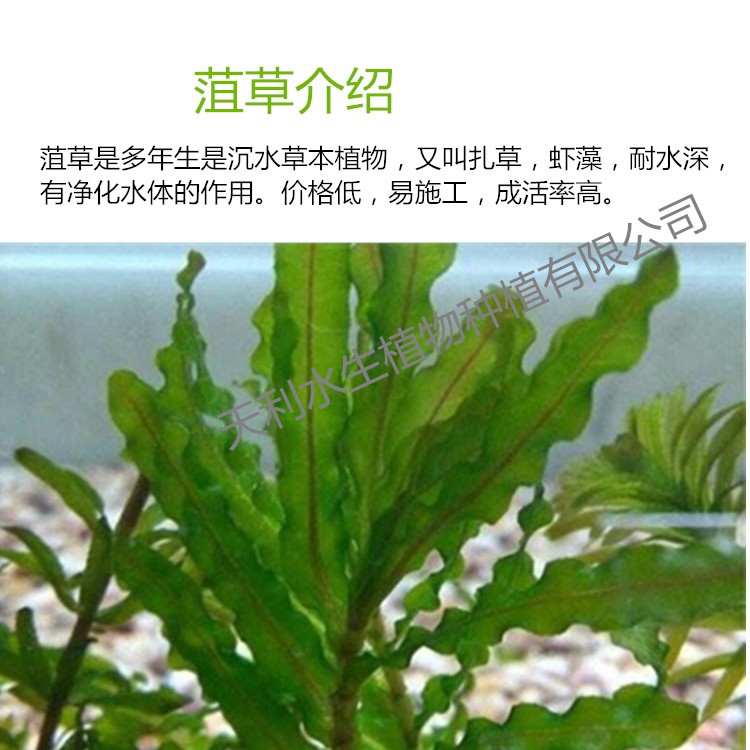
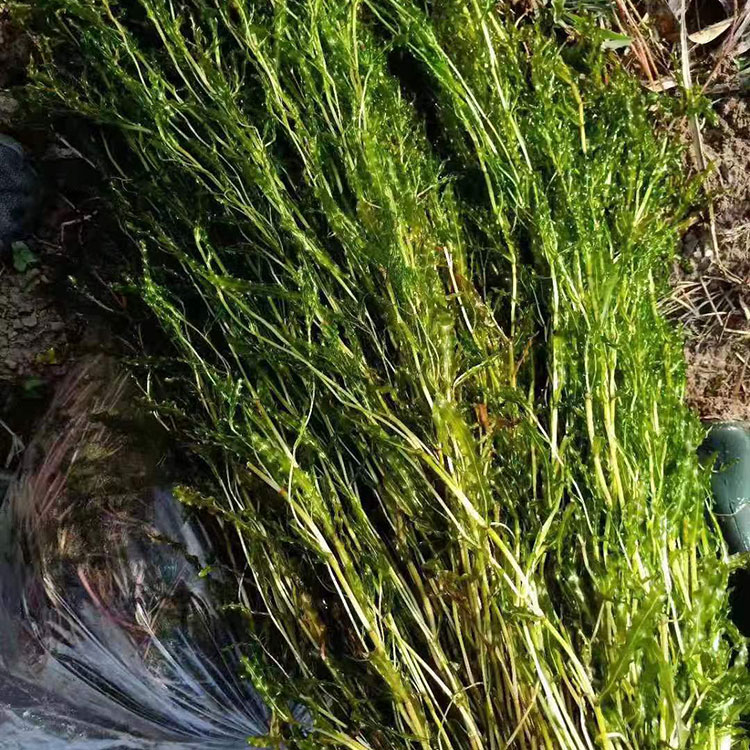






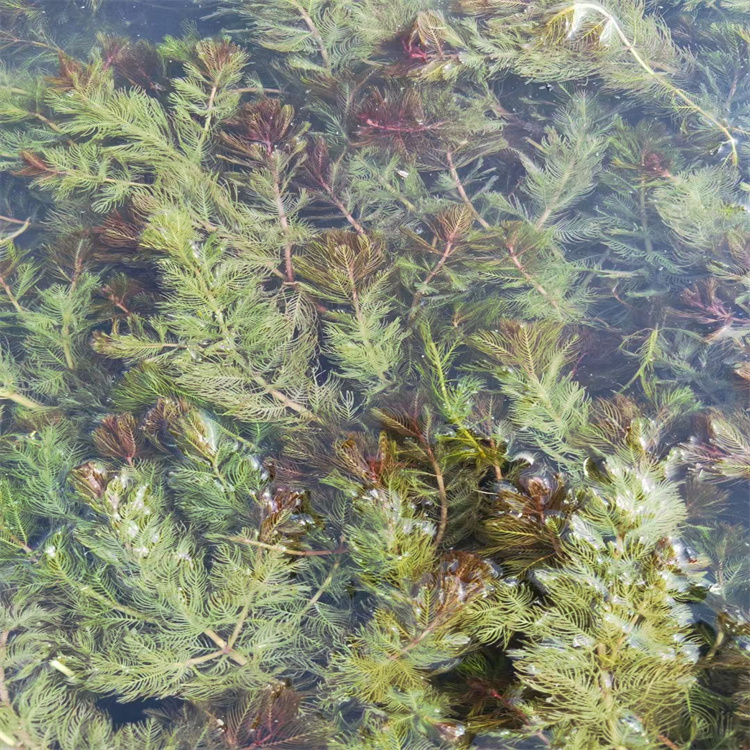
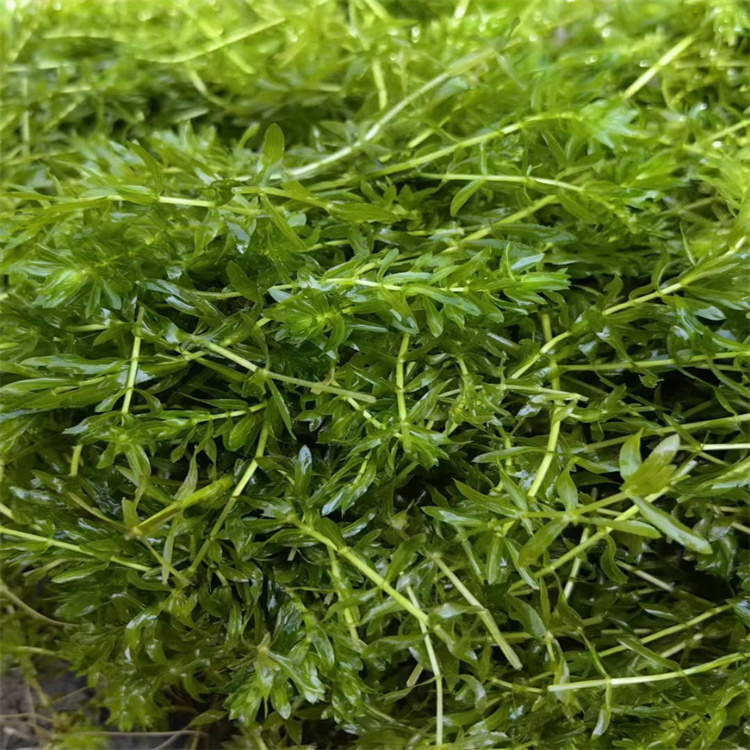
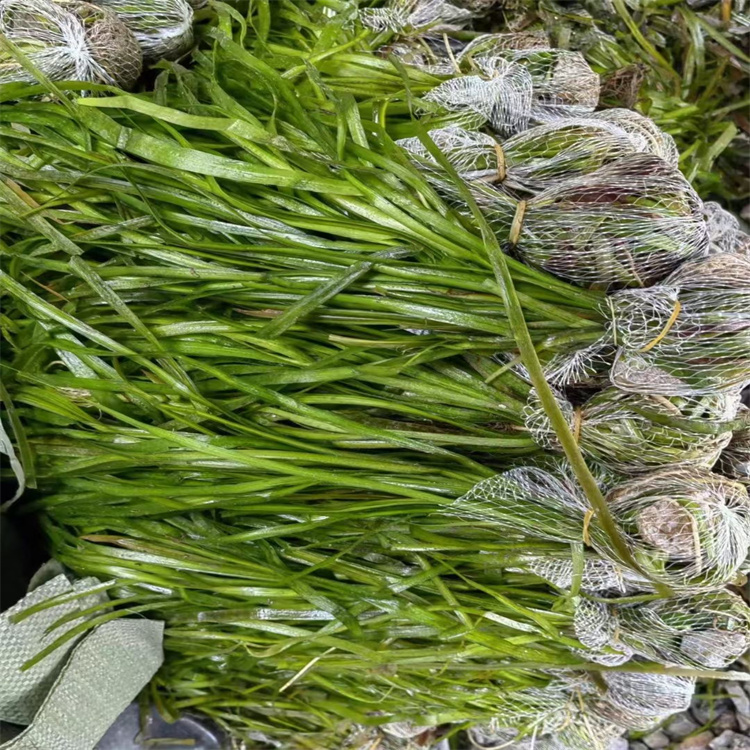
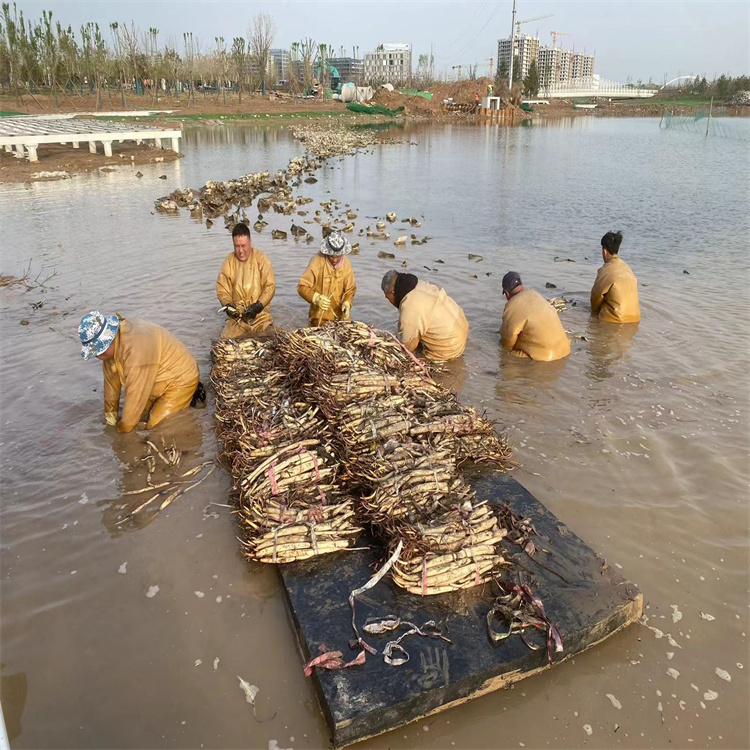
Potamogeton crispus, also known as shrimp algae, shrimp grass, or wheat yellow grass, is a perennial submerged plant widely distributed in temperate regions worldwide. It belongs to the genus Potamogeton within the Potamogetonaceae family. It thrives in freshwater environments such as lakes, rivers, streams, and ponds, particularly in still or slow-moving waters.
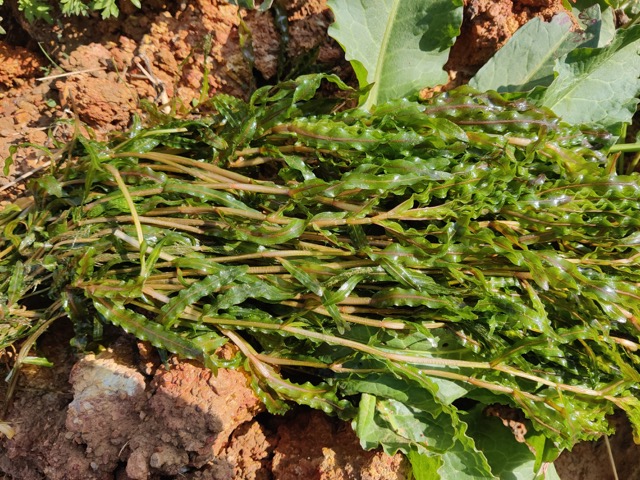
Physical characteristics and biological traits:
• Stem and Leaf Form: The stem of the Sagittaria is cylindrical, usually green, and can grow upright or creep along the bottom of the water. The leaves are linear lanceolate to broadly ovate, with wavy-toothed edges, reaching 20-40 cm in length and 1-3 cm in width, and have a脆 texture and smooth surface.
• The rushes are monoecious, with male and female flowers on separate plants. The inflorescence is rather concealed, often hidden within the leaf sheaths, making it difficult to observe directly. The fruits are nut-like small berries, which, when mature, have three distinct keels and wing-like structures on their back for easy dispersal by water or wind.
• Root System and Propagation Method: Zicao has a well-developed rhizome system, capable of producing a large amount of adventitious roots, and it propagates asexually through buds on the rhizomes. Additionally, it can also propagate sexually through seeds, with spring being its primary breeding season.
Growth Environment and Habits:
• Temperature Adaptability: The plant has strong cold resistance, can survive during the frozen winter, and grows normally within a temperature range of 5-30°C, thriving particularly in warm and humid spring and summer.
• Light requirement: Prefers a well-lit environment but can also thrive in semi-shaded conditions.
• Water Quality Conditions: Adaptable to various types of freshwater environments, including clear, slightly turbid, and slightly eutrophic waters, with certain water quality requirements.
Ecological Uses and Value:
• Water Purification: As an important component of aquatic vegetation, Zao grass plays a significant role in absorbing nutrients such as nitrogen and phosphorus in water bodies, reducing the degree of eutrophication, and improving water quality.
• Biodiversity Conservation: Its dense growth provides habitats and food sources for numerous aquatic organisms, contributing to the maintenance of biodiversity and ecological balance.
Ornamental application:
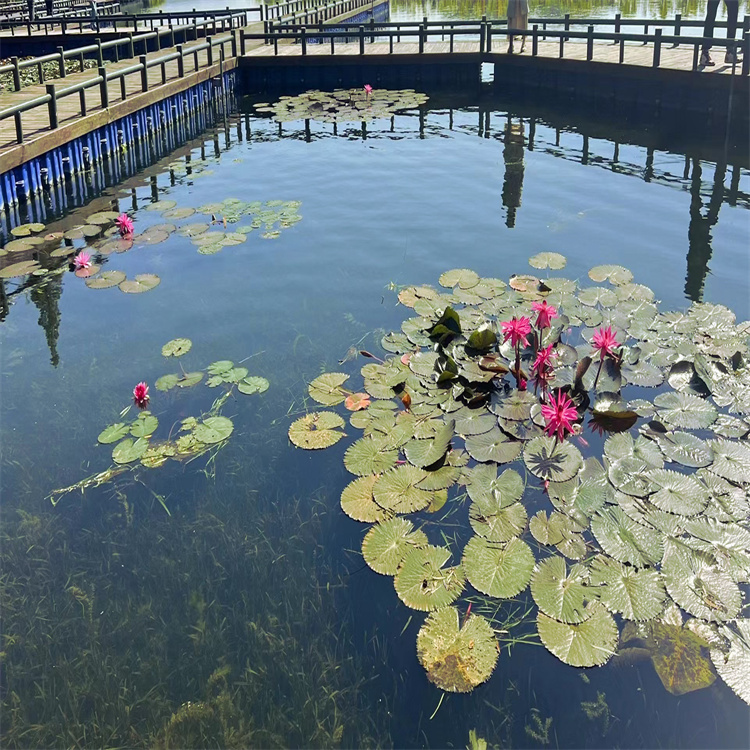
Although rushes are primarily known for their ecological functions, their emerald leaves and graceful form also offer certain ornamental value in specific water scene designs. They are commonly used for greening and landscaping in wetlands parks, artificial lakes, and ornamental ponds.