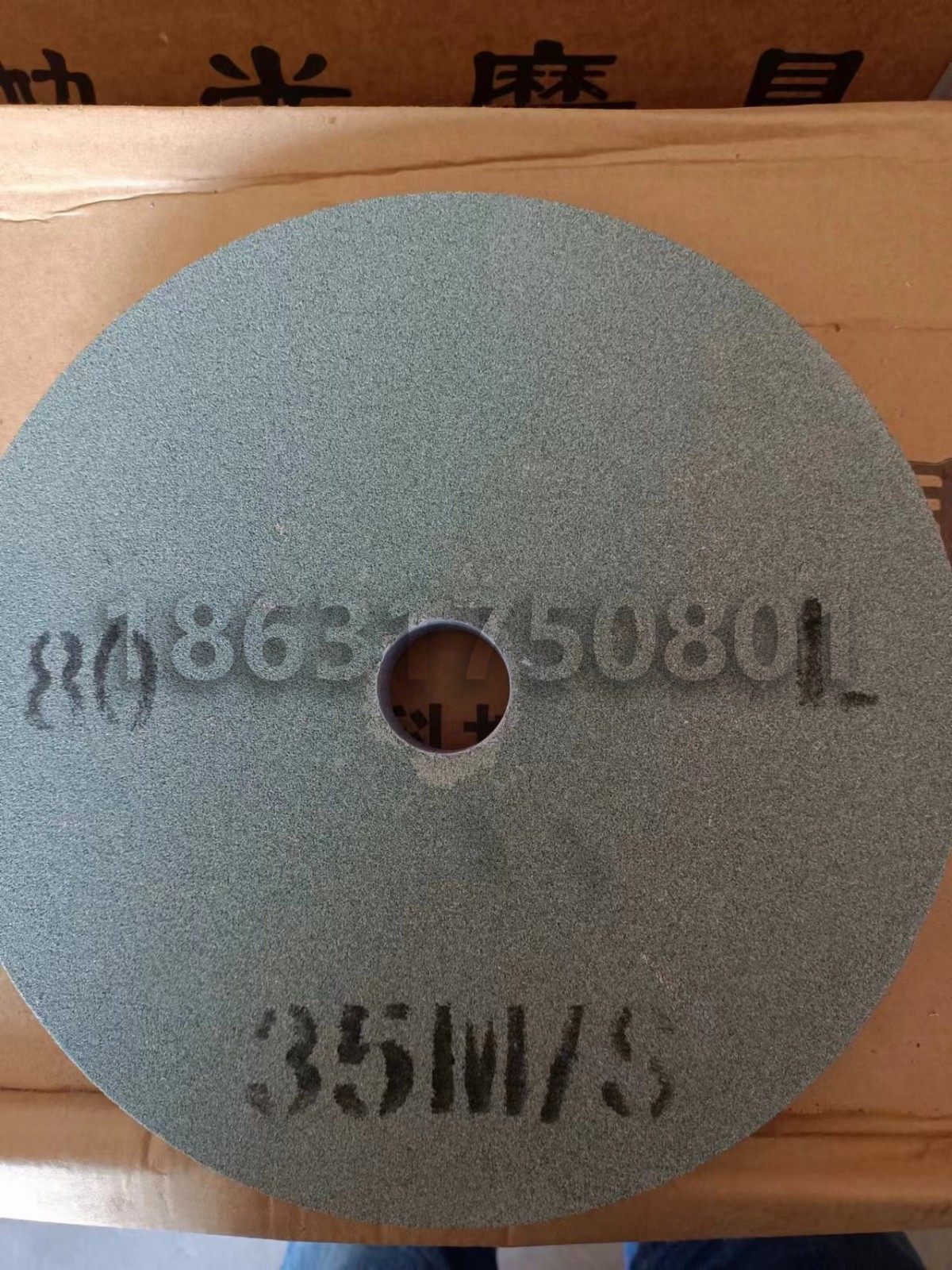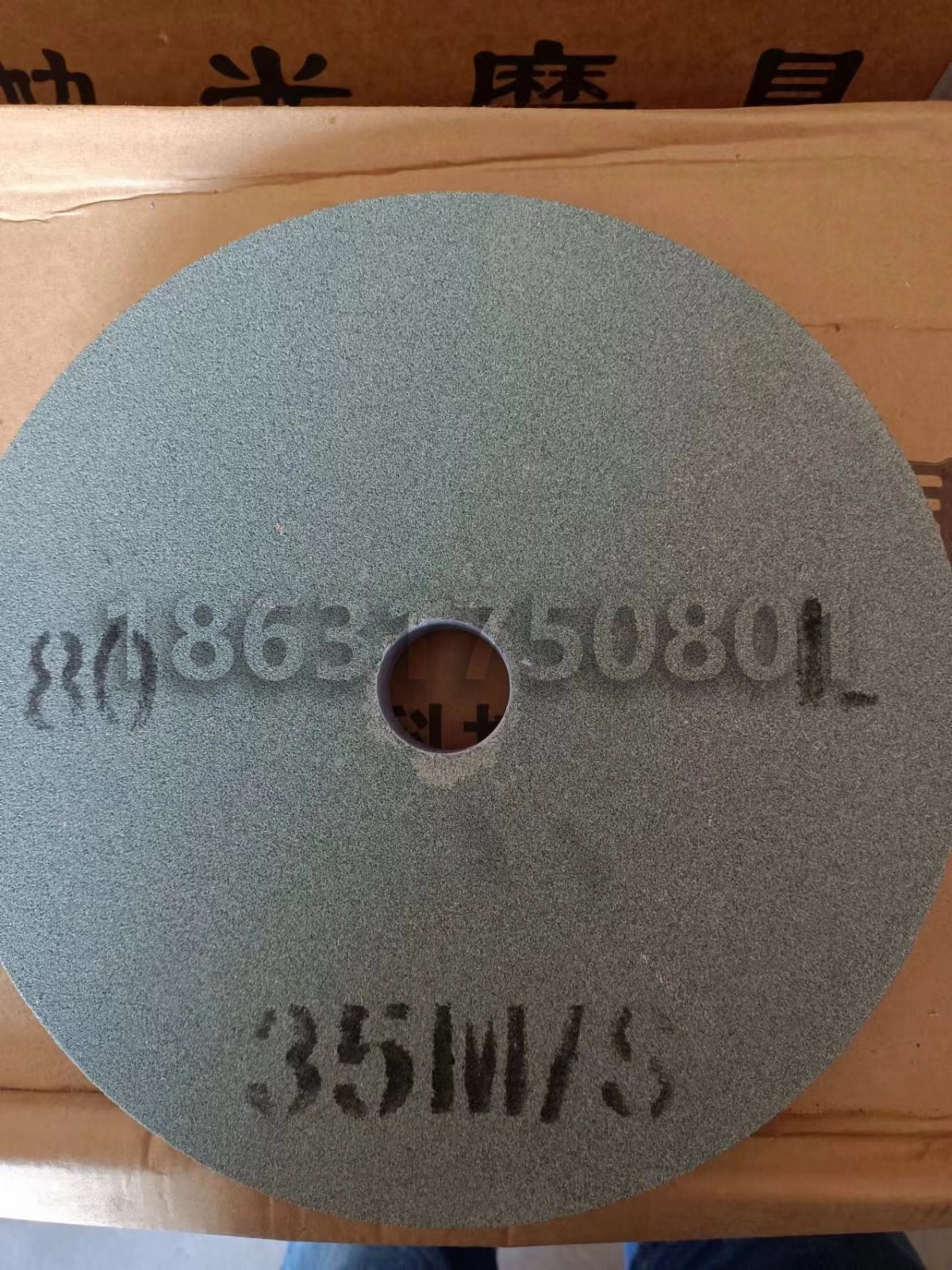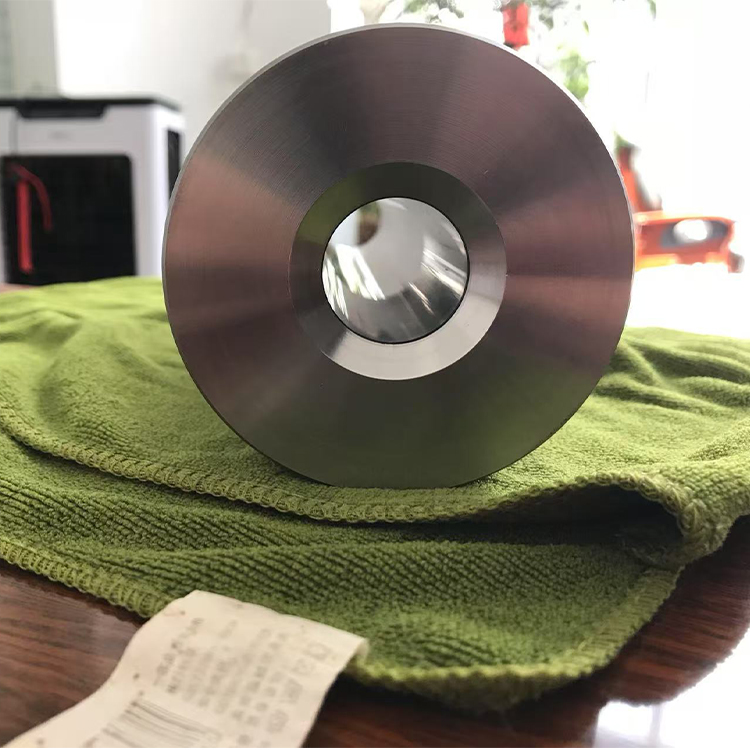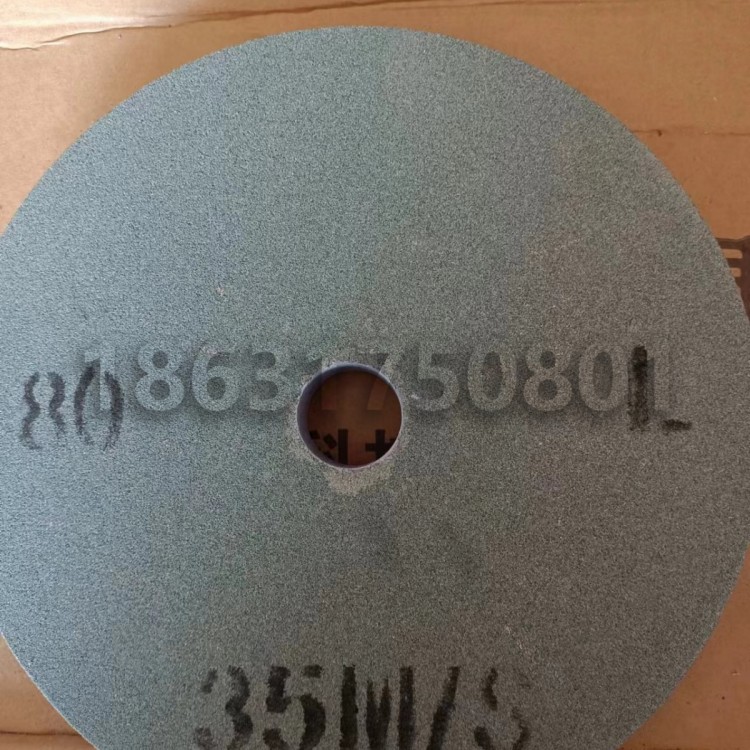

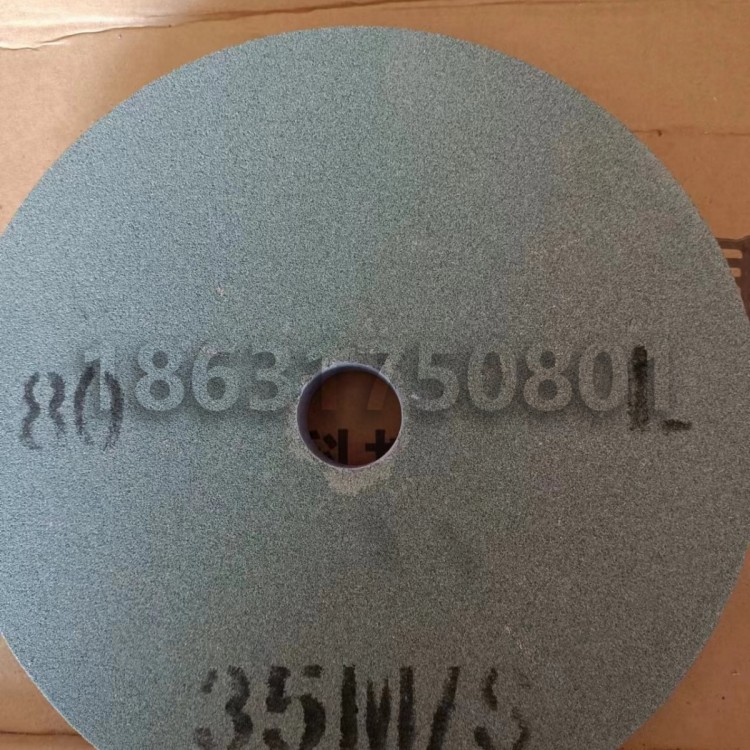
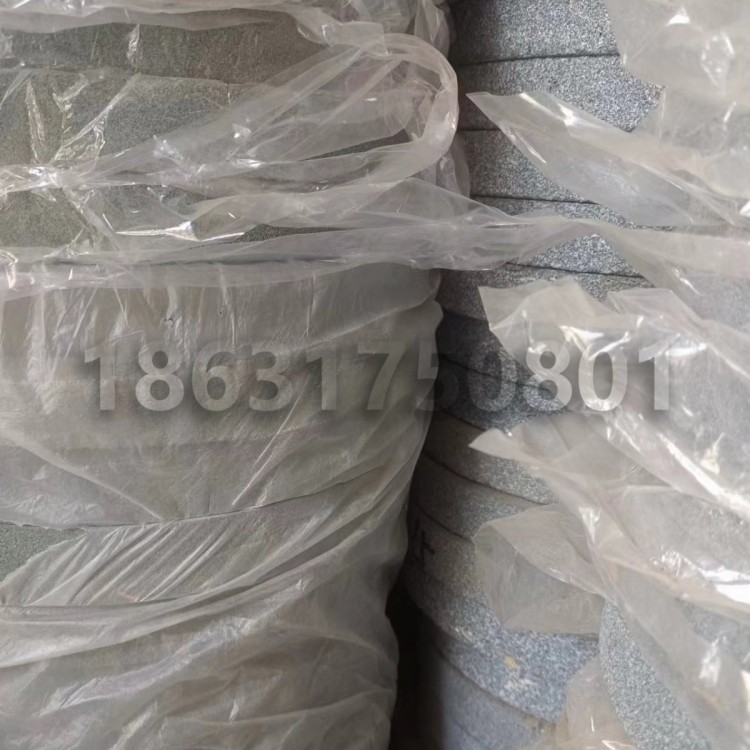







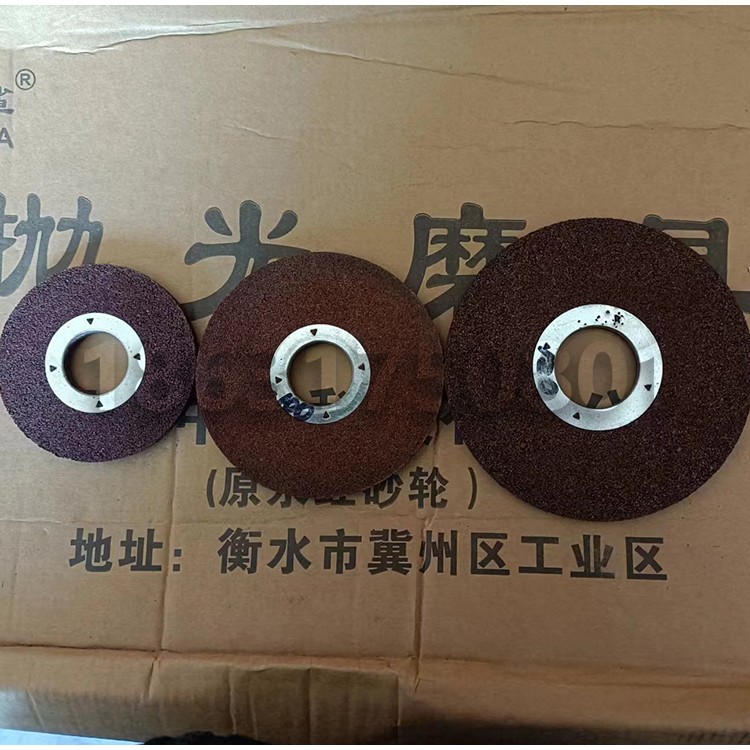
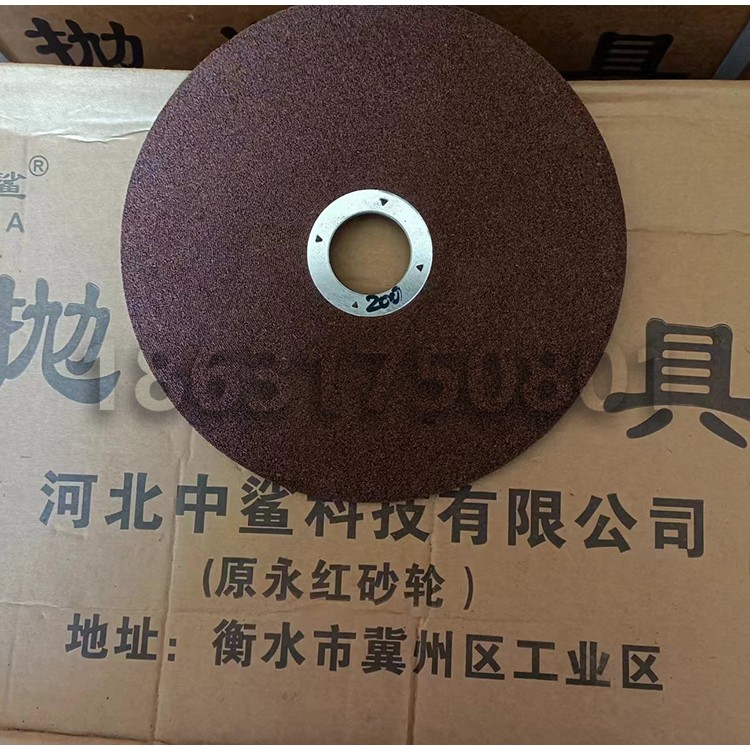
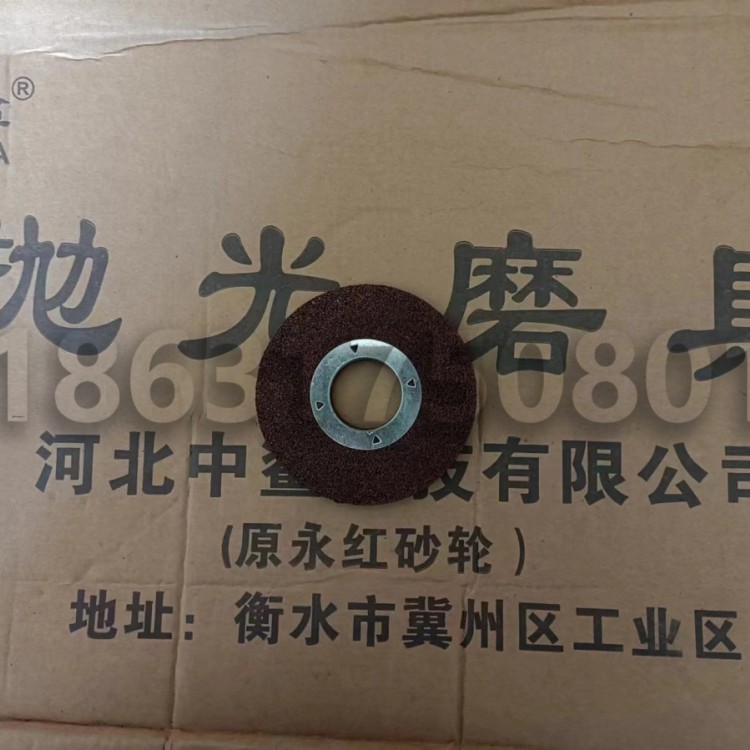
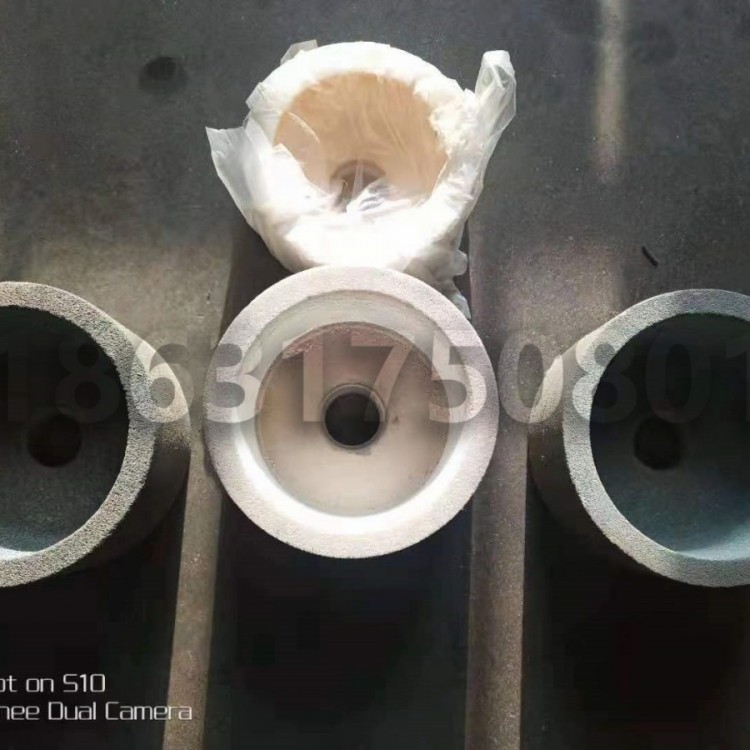
Brown corundum abrasive wheels are a major type of abrasive used in grinding operations. These wheels are made by adding a binder to the abrasive material, which is then compacted, dried, and baked to form a porous body. Due to the differences in abrasive material, binder, and manufacturing process, the characteristics of the abrasive wheels can vary greatly, thus having a significant impact on the processing quality, production rate, and cost-effectiveness of grinding operations. The characteristics of abrasive wheels are primarily determined by factors such as the abrasive material, particle size, binder, hardness, structure, shape, and dimensions. There are many types of abrasive wheels.
Abrasive wheels, categorized by the abrasive material used, include common abrasives such as alumina and silicon carbide.
The wheels can be categorized by shape into flat grinding wheels, bevel edge grinding wheels, cylinder grinding wheels, cup grinding wheels, and disc grinding wheels, etc.; and by binder into ceramic grinding wheels, resin grinding wheels, rubber grinding wheels, and metal grinding wheels, etc. The characteristic parameters of the grinding wheel mainly include abrasive material, grain size, hardness, binder, structure number, shape, size, linear velocity, etc.
Due to the high-speed operation of grinding wheels, they should be subjected to a rotational test prior to use (to ensure they won't crack at high working speeds) and a static balancing test (to prevent machine vibration during operation). After some time of use, grinding wheels should be dressed to restore their grinding performance and proper geometric shape.