








Principle of Mixed Flow Pump Operation
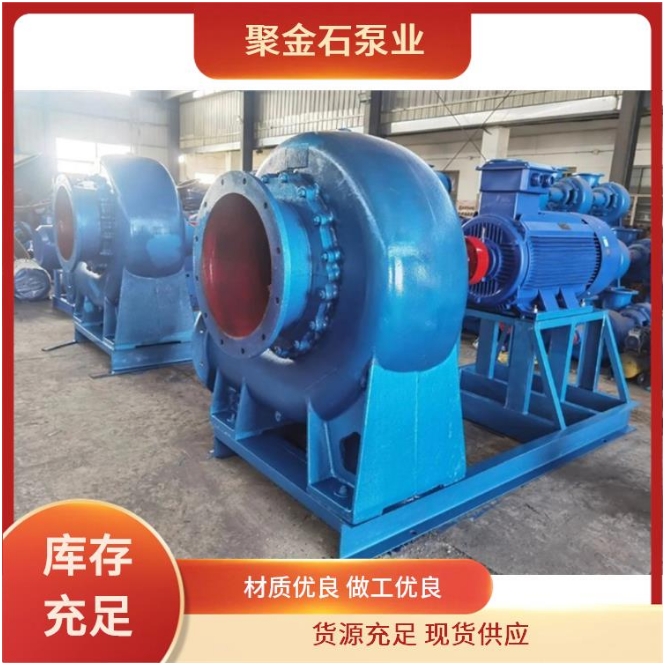
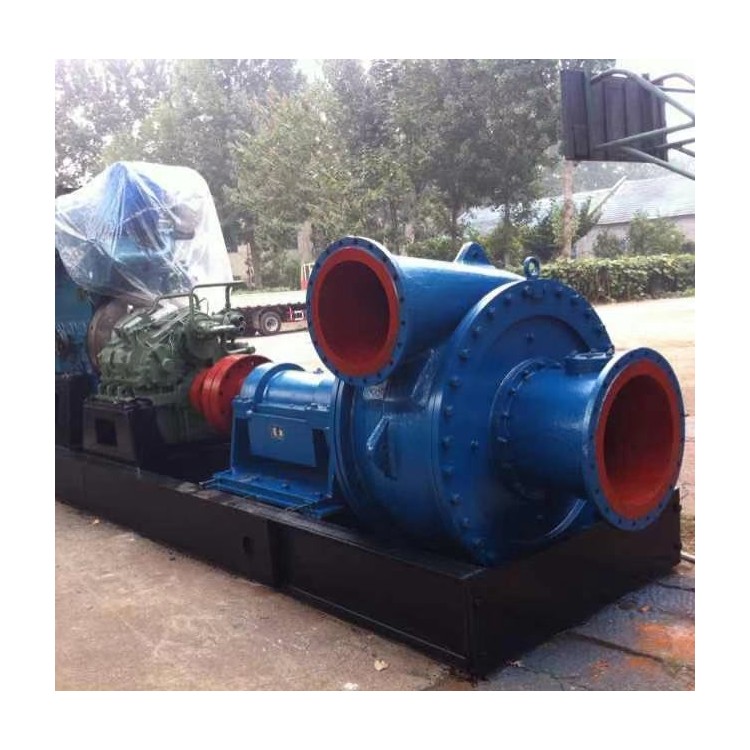
1. In terms of working principle, once the prime mover drives the impeller to rotate, it exerts both centrifugal force and axial thrust on the liquid, combining the features of both centrifugal and axial flow pumps. Therefore, it is a pump that falls between the two. The specific speed of a mixed flow pump is higher than that of a centrifugal pump but lower than that of an axial flow pump, typically ranging from 300 to 500. It has a higher head than an axial flow pump but a lower flow rate than a centrifugal pump, and a higher flow rate than an axial pump. Mixed flow pumps are mainly used for agricultural irrigation and drainage, as well as urban drainage and installation. They can also be used as circulating water pumps in thermal power stations.
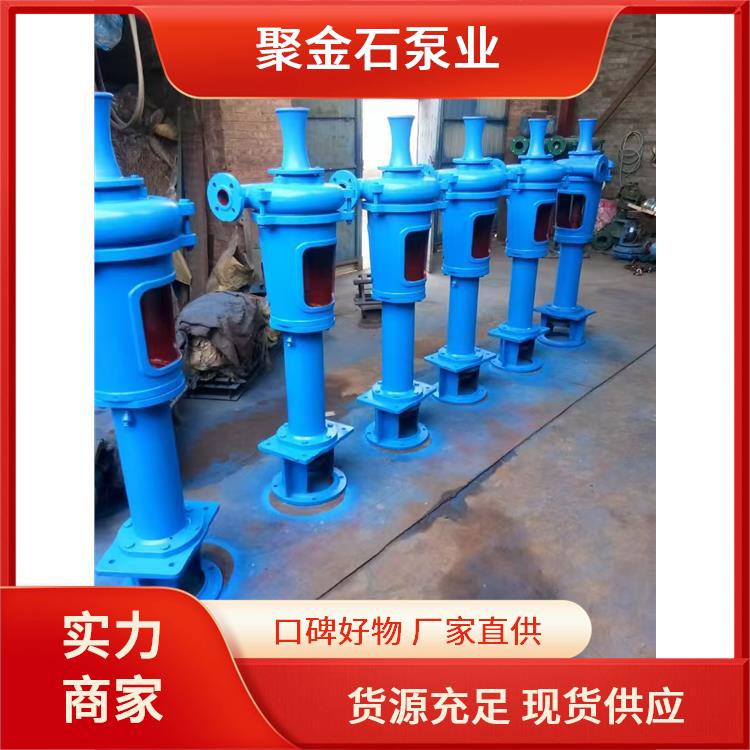
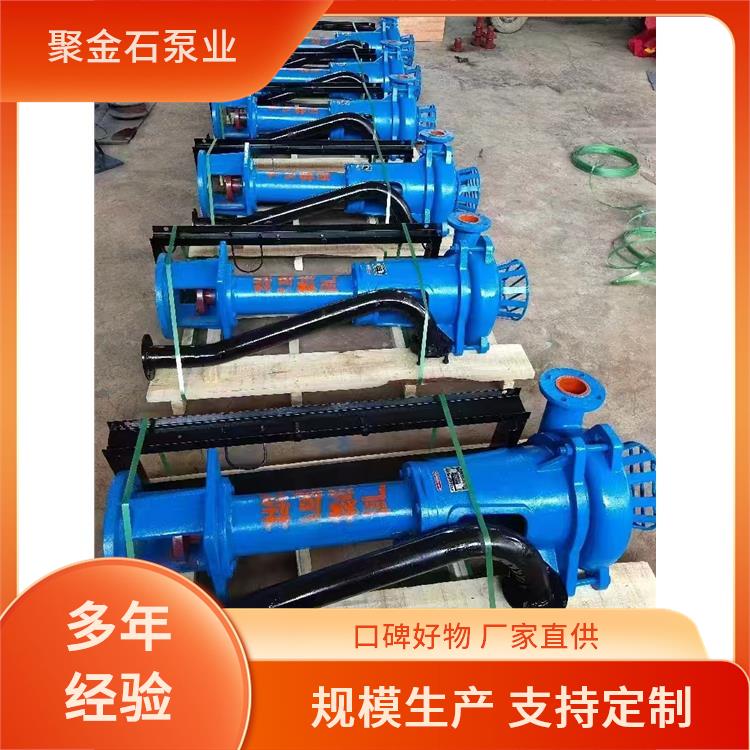
2. Guide vane mixed flow pumps are also known as oblique flow pumps. The main difference between guide vane mixed flow pumps and volute pumps lies within the pump body, which features several space guide vanes typically in a twisted blade design. After exiting the impeller, the fluid flows axially through the guide vanes. The pump body is cylindrical in shape but appears bulging, resembling an axial flow pump. These pumps come in both horizontal and vertical configurations, with similar internal structures. Larger diameter models are mostly vertical. The vertical guide vane mixed flow pumps have an appearance similar to centrifugal shallow well pumps, with a simple structure and ease of movement, making them suitable for agricultural irrigation and drainage, hence the name mixed flow agricultural drainage pump.