






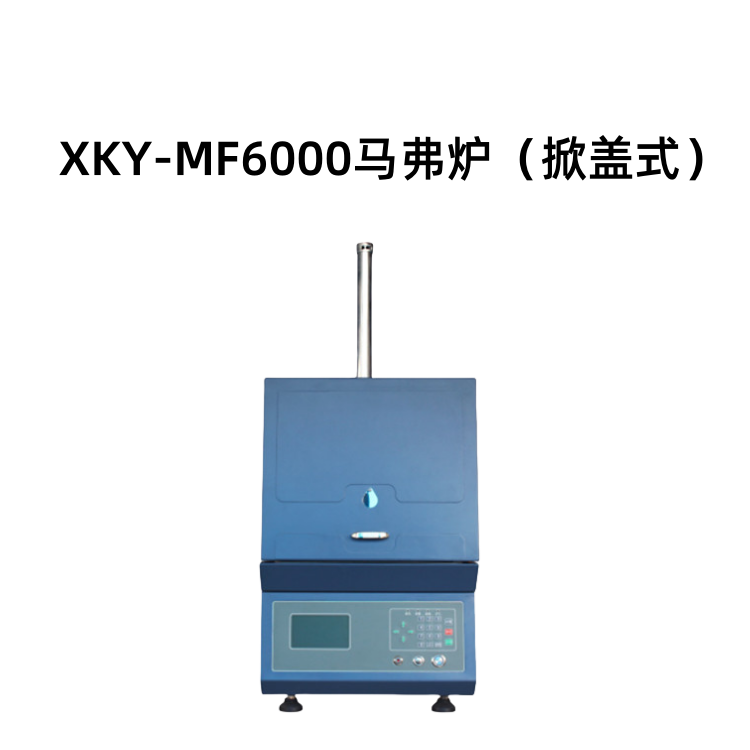

Application Scope
Ash content tests applicable to chemical raw materials, new materials, construction materials, waste, biomass materials, etc., combustible matter tests, cement loss on ignition tests, and more.
Analysis of burning loss (firing loss) for substances such as alumina, aluminum fluoride, and cryolite.
② Analysis of ash reduction (loss on ignition) for iron ore, lateritic nickel ore, and other metallic minerals.
③ Analysis of cement's loss on ignition
④ Analysis of limestone, dolomite, and other substances for ash loss (decrease in weight upon burning).
Meets standards
GB/T 6609.2-2009 "Method for Determining the Mass Loss of Aluminum Oxide at 300°C and 1000°C"
GB/T 6730.68-2009 "Determination of Loss on Ignition of Iron Ore by Weight Method"
GB/T 176-2017 "Chemical Analysis Methods for Cement - Determination of Loss on Ignition"
Determination of Ash Reduction of lateritic nickel ore by weight method - YS/T 820.26-2012
GB/T 3286.8-1998 "Determination of Loss on Ignition in the Chemical Analysis of Limestone and Dolomite"
Technical Specifications
Voltage: (220±22)VAC (50±1)Hz
Power: ≤ 4000W
Temperature Control Range: Room temperature to 1200℃
Temperature Control Accuracy: ±2℃
Resolution: 1℃
Sample Quantity: 1-10 pieces (tested simultaneously)
Sample Quality: 0.1~10g (Customizable)
Test Time: Customized according to customer requirements
Test Accuracy: Meets the accuracy range of standard samples
Main Unit Dimensions: 660×550×530mm
Technical Features
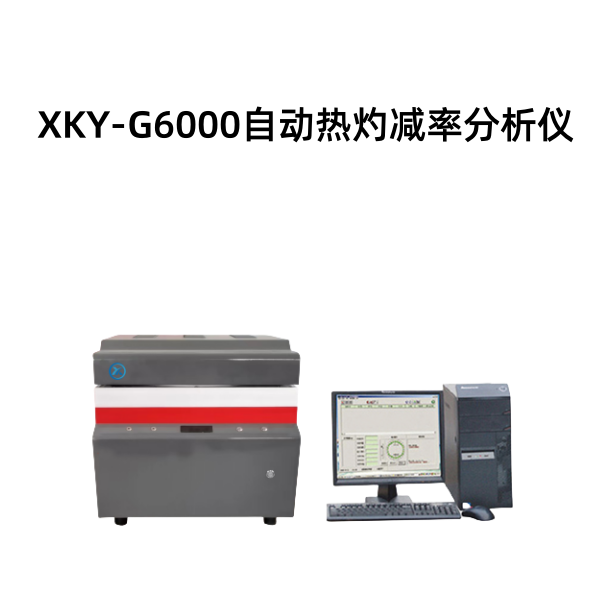
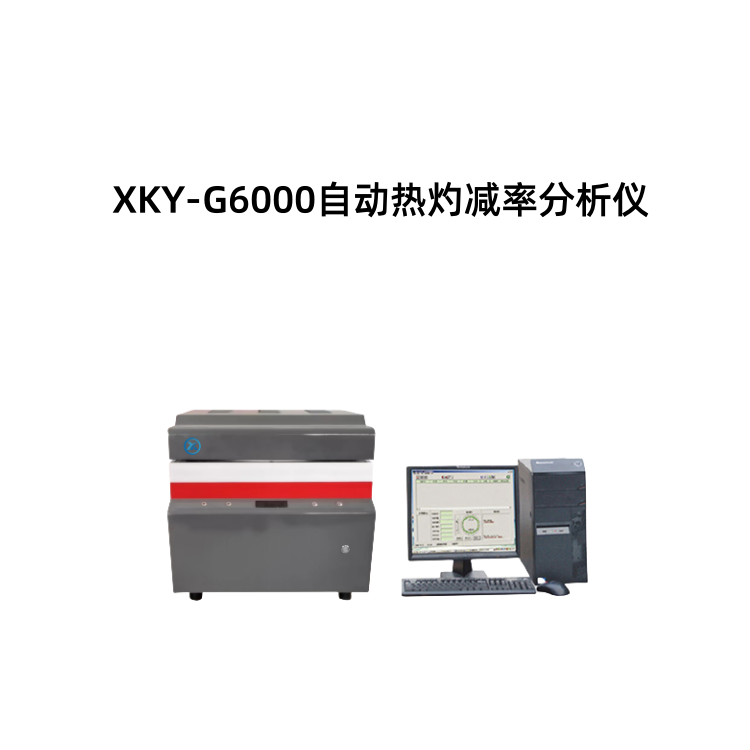
1. New rapid loss-on-ignition continuous testing program, custom-designed for users requiring extensive loss-on-ignition testing; supports multi-control by one machine, further enhancing work efficiency.
2. Equipped with built-in calibration function for weighing instruments, no need for professional personnel to disassemble and regularly calibrate.
3. The experimental temperature can be customized, with a variety of constant and temperature control methods available for ease of use across different industries.
4. The built-in scale data is displayed in real-time on the computer screen, making it convenient for chemists to weigh samples more accurately.
5. Record and monitor all key data throughout the experiment process, automatically alerting for any anomalies.
6. Equipped with power failure protection, the experiment can resume from the state before the power failure without discarding the sample after the power is restored due to an unexpected power outage or accidental operation.
7. Highly automated, requiring no manual involvement during the experiment. The instruments conduct the tests automatically, store and process data, and offer various report printing formats. Custom report formats are also available to cater to different user needs.
8. Advanced control mechanism for automatic lid operation, eliminating the need for manual crucible exchange and lid removal, thereby preventing the impact of high-temperature radiation on the human body.
9. Hot balance, thermogravimetric analysis technology, calibrated with an empty crucible under the same atmosphere, ensures weighing accuracy.
10. Equipped with self-checking instruments, safety protection features, and user-friendly prompts for various malfunctions, facilitating equipment management and maintenance.
11. No need to specifically prepare oxygen and nitrogen; you can opt for gas supply from a silent compressed air station, significantly reducing experimental costs.