








Product Introduction:
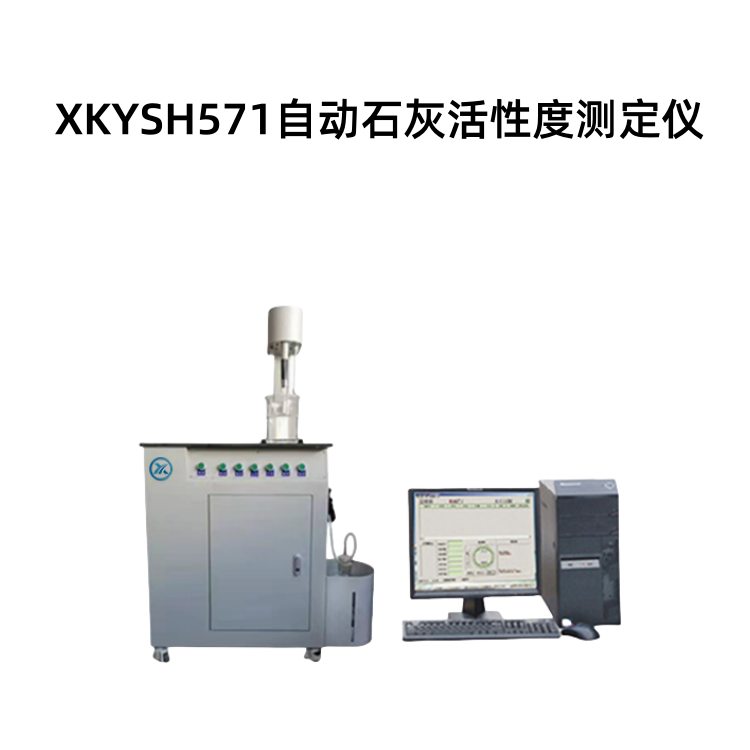
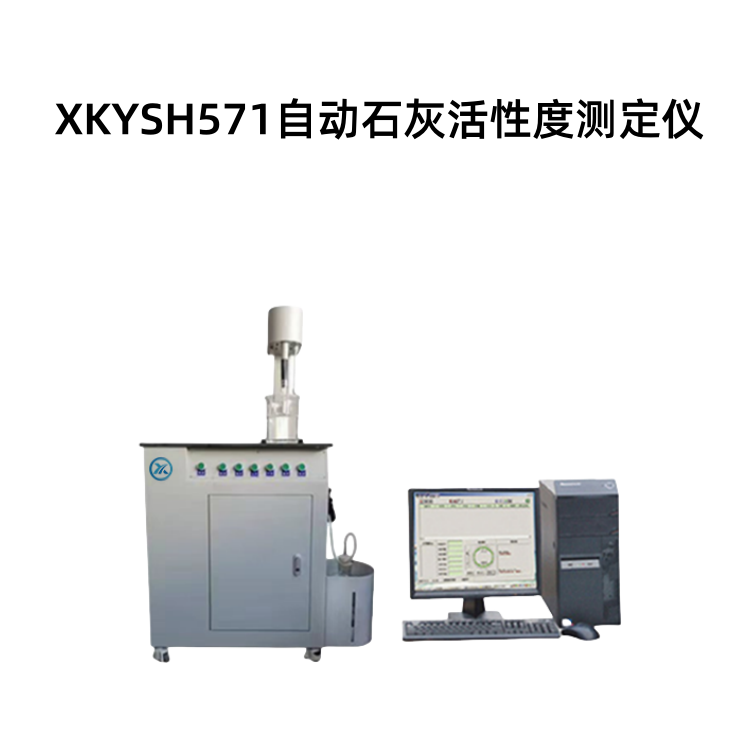
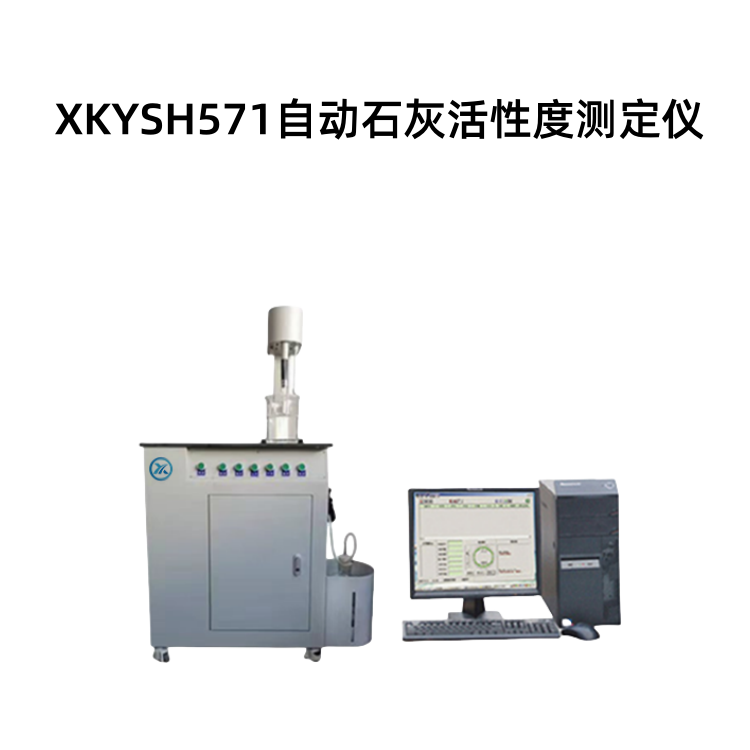
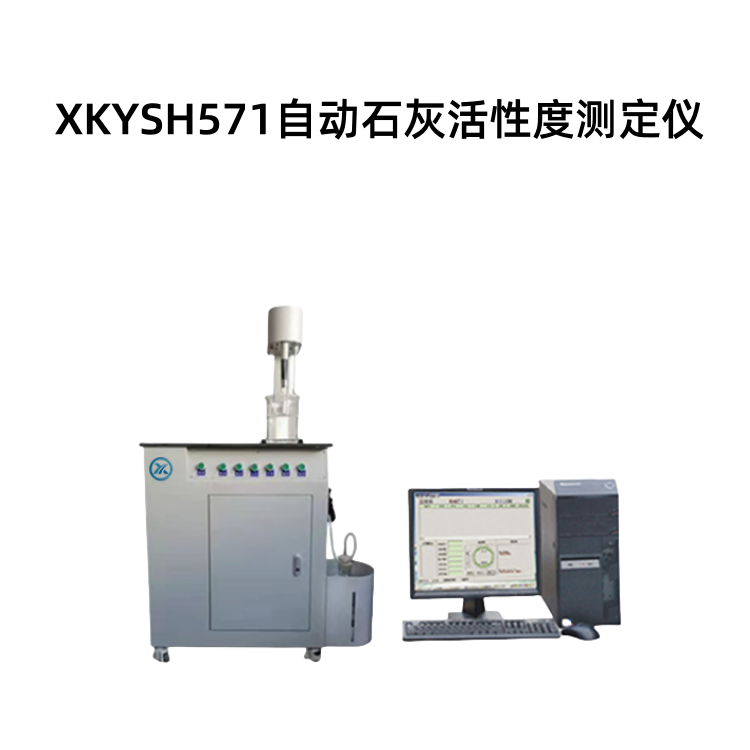
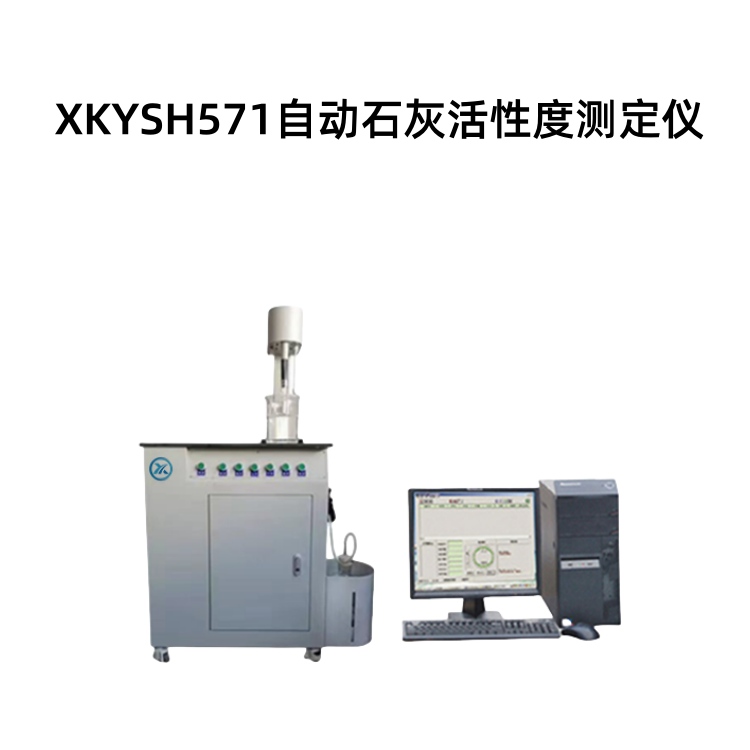
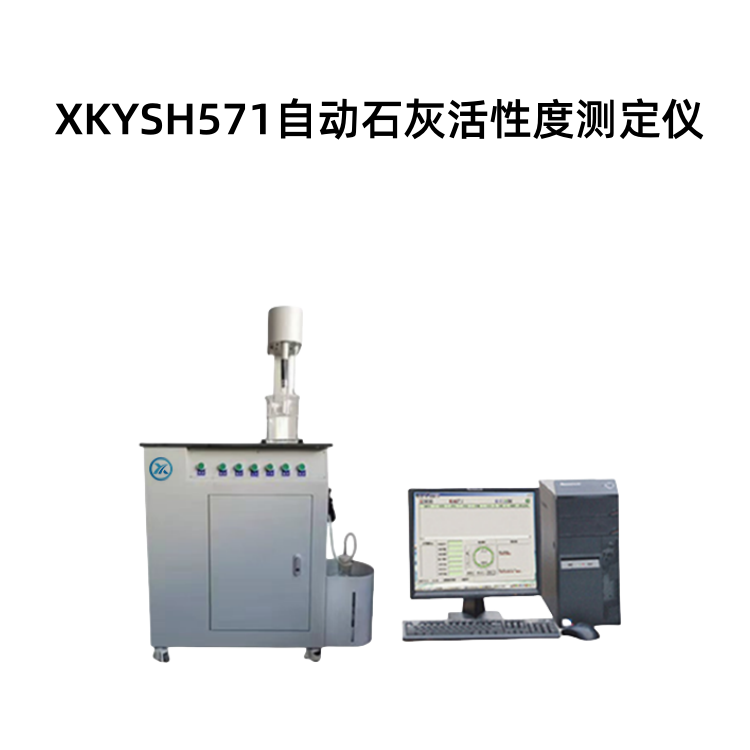
Lime activity tester based on a supervisory computerPLCThe program design allows the computer to act as a window for human-machine dialogue, richly reflecting the basic working status of the equipment. It enables basic settings and functions according to user needs.PLCAs the core component controlling this equipment, it is primarily responsible for the control of the equipment's lifting, stirring, titration, etc. This equipment includes automatic/Two manual operating modes are available. Users can select the automatic mode to operate according to pre-programmed work patterns; or choose the manual mode to manually adjust and debug the operation of individual components.
This equipment is an automated device for testing the activity of metallurgical limestone. It simulates the manual operation process and testing environment, with automatic end-point determination at set intervals, and the solution'sPHValue auto-collected, as per settingsPHAutomatic titration, level gauge measurement, easy and convenient operation, high data linearity, and prevents human error.
Key Features:
● CompliantYB/T105-2005AndDL/T323-2010Specifications;
●Simulated manual operation process and testing environment;
● Level gauge measurement, high accuracy, precise measurement.
● Automatic end-point detection with timing;
●Paddle mixer automatically engages;
● Automatic Titration
● Plot the time-activity curve graph;
●Automatically calculate lime activity value;
Print the test report.
Technical Specifications
1、PHValue Detector0-14.00PHResolution0.01PHIndustrial type
2Measurement Accuracy:0.5mL
3Agitator speed:250-300 r/min;
Agitator shaftΦ6×-250mm;
Agitator blades:0.5×10×60mm;
Material: PTFE
4Power:500W;
5Operating VoltageAC220V±10% 50HZ±5% ;
Work Environment5℃ ≤ Ambient Temperature ≤40°C, Humidity ≤85%No strong magnetic field, no severe vibration.
6With thermostatic water dispenser42℃;
7Beaker Water Temperature Constant-temperature Device42℃±1℃
8、 Dimensions:950mm × 650mm × 1500mm(Length x Width x Height)
Equipment structure and working principle
1Structure and Components
1.1Agitator Motor: The output shaft speed of the agitator motor is270Transfer/Pieces, meeting national standards250Please provide the Chinese content to be translated./Fraction300Please provide the Chinese content to be translated./The stir motor's output shaft is connected to a stirrer, which can be immersed into the solution below to effectively stir, ensuring thorough dissolution of substances like limestone within the beaker.
1.2Acid Injection Port: The acid injection port is made from acid and alkali-resistant materials and has corrosion resistance to both acidic and alkaline solutions. The tubing for titrating the acid can be inserted into this port, allowing the acid to flow through the port into the beaker below.
1.3、 PHCount:PHThe meter measures the electrode sensor within the solution in the beaker below, connected to the instrument for real-time testing of the solution's properties.PHValue, thePHThe machine is equipped with a protective cover. When not in use for an extended period, please cover it with the protective cover to maintain.PHThe moisture content of the calculation.pH/ORPThe use of the meter largely depends on the maintenance of the electrodes. Firstly, the electrodes should be cleaned regularly to ensure they are not contaminated, and they should be recalibrated at intervals to correct the slope error that occurs after a period of use. Secondly, whether during the reaction process or after discharge, the electrodes should be submerged in the measured solution to extend their lifespan; at the same time, the cable connector must be kept clean and not damp or waterlogged.
Activation: If electrodes are stored in a dry environment, they must be soaked in distilled water prior to use.24Hours, activate it; otherwise, calibration and measurement will result in significant errors.
Cleaning: When contamination affects the measurement accuracy of the electrode, gently brush the electrode head with a soft bristle brush, then rinse with clean water.
1.Equipped with special measuring devices, resistant to strong acids and salts, no need to replace pipelines.
2.Automatic water filling, automatic water level detection, eliminating complex manual processes
3.Automatically calibrated standard hydrochloric acid
4.Automation of the testing process, with automatic mixing and titration, and automatic completion of experiments, requiring no human intervention, ensuring more accurate data.
5.Data auto-saving, network port control, stronger anti-interference, and capable of multi-control with a single machine.