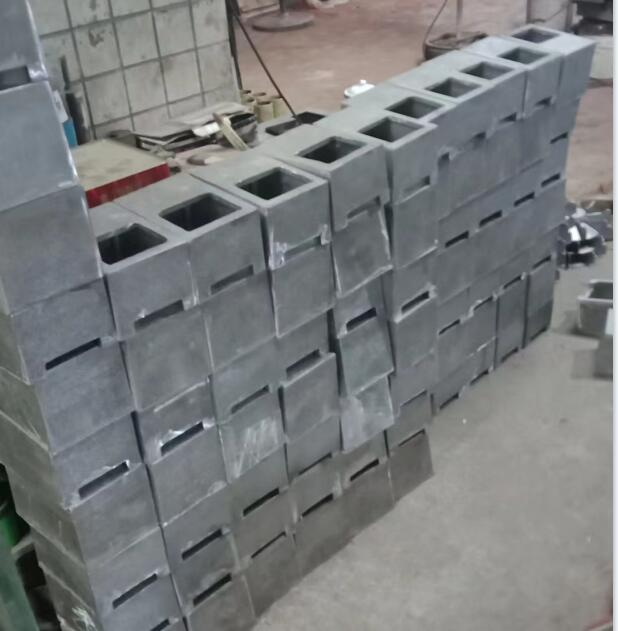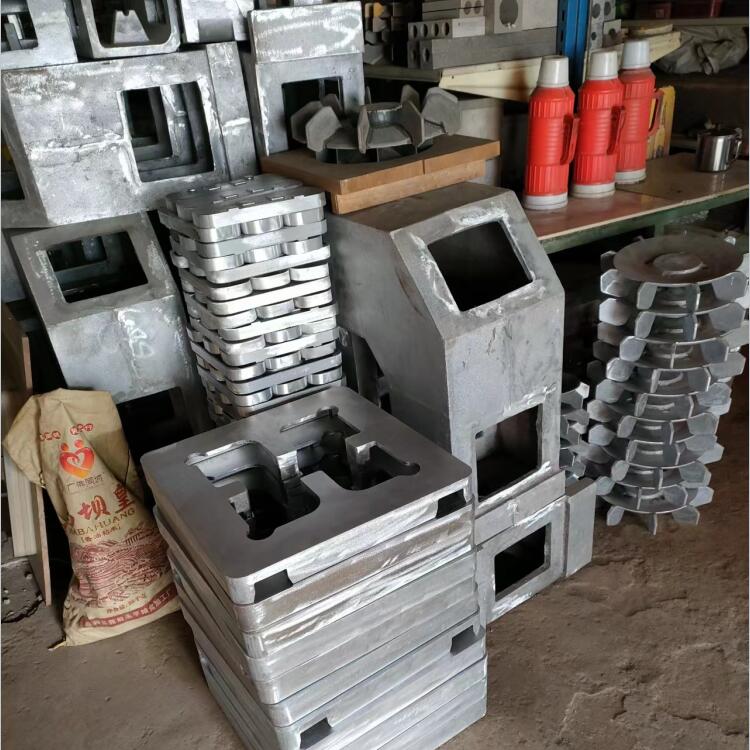













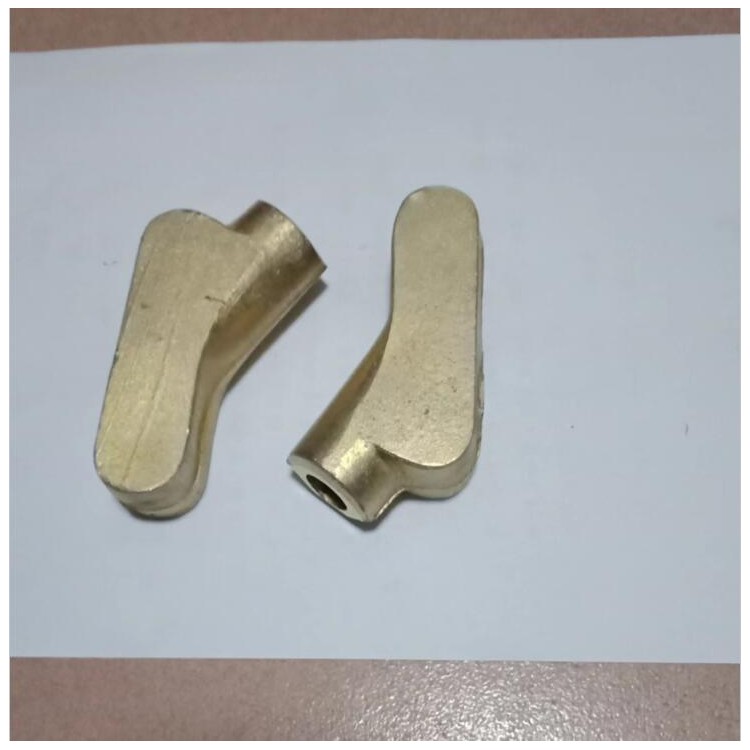
The primary processing steps for cast aluminum parts are:
1. Annealing Treatment: The process of heating aluminum alloy castings to around 300℃ and then holding them at this temperature for a period before cooling them to room temperature is called annealing. During annealing, the solid solution decomposes, and phase particles aggregate, which can eliminate internal stresses in the casting, maintain stable dimensions, prevent deformation, and enhance the casting's plasticity.
2. Solid Solution Treatment: Heat the casting to nearly the eutectic melting point, then maintain this temperature for a while, followed by cooling. This allows the components to dissolve well, preserving the high-temperature state until room temperature. This process is known as solid solution treatment. Solid solution treatment enhances the strength and ductility of the casting, improving the alloy's capabilities. The effect of solid solution treatment is generally related to three aspects: the solid solution treatment temperature, the holding time at this temperature, and the cooling rate.
3. Aging Treatment: The method of heating the casting after solution treatment to a set temperature, holding it for a period, and then allowing it to cool slowly in the air is called aging.