









1. Pain points in battery replacement for the IoT industry:
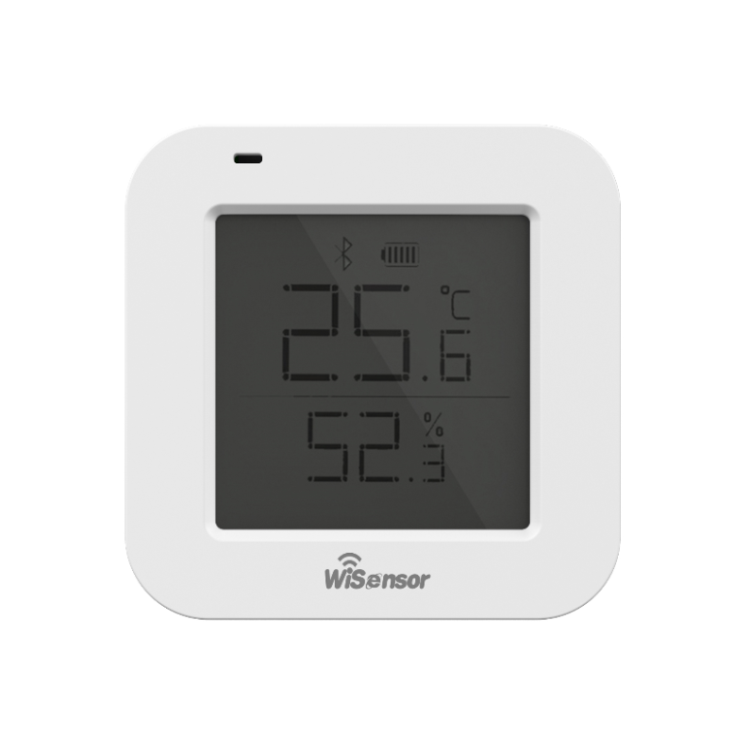
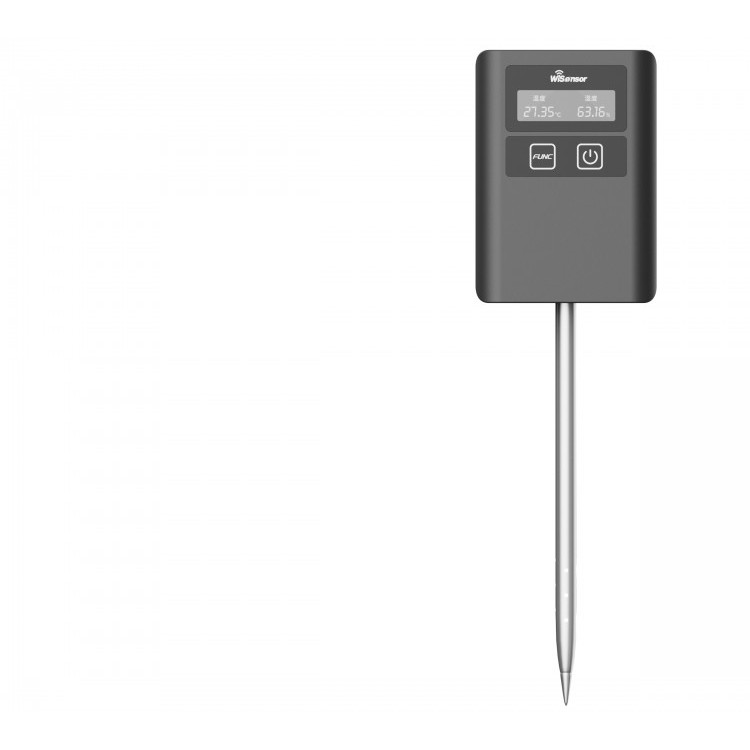
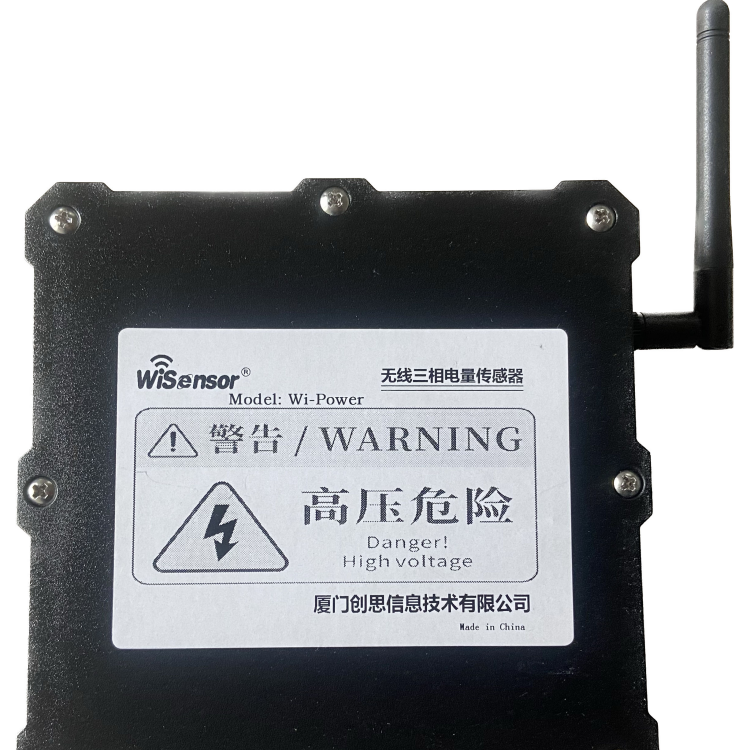
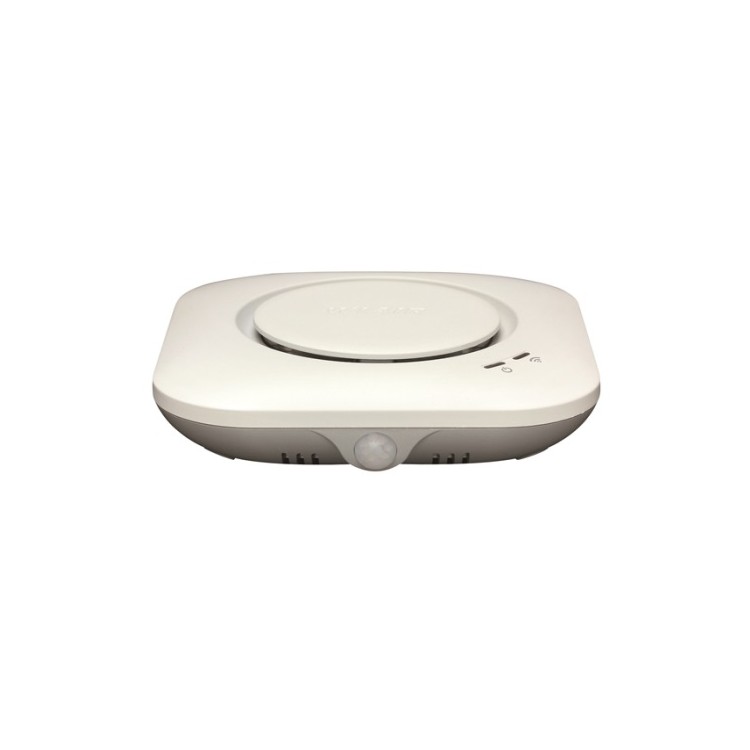
l IoT sensor devices are becoming increasingly common, making timely charging a challenge.
l IoT sensors are mostly powered by non-rechargeable lithium-ion batteries.
l Battery depletion and battery replacement lead to environmental pollution.
l Users crave devices to stay online to eliminate the hassle of battery replacement.
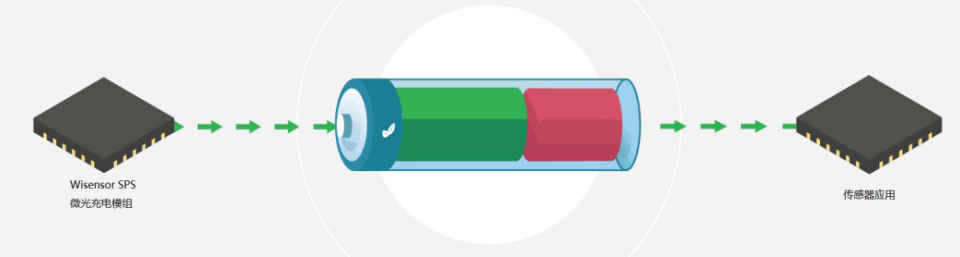
Creative Battery-Free Power SolutionsFrom variousDim lightLight Source(Sun, Light Bulbs, Indoor Natural Light)ChineseGain energyTheHigh-performance powerChargingTechnology
Can obtain, store, and optimize energy, enabling wirelessSensorEquipmentNo need to replaceBatteryAndPlease provide the Chinese content to be translated into American English.LongUtilize。
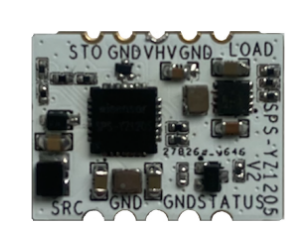
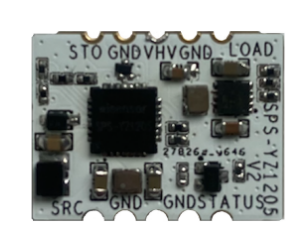
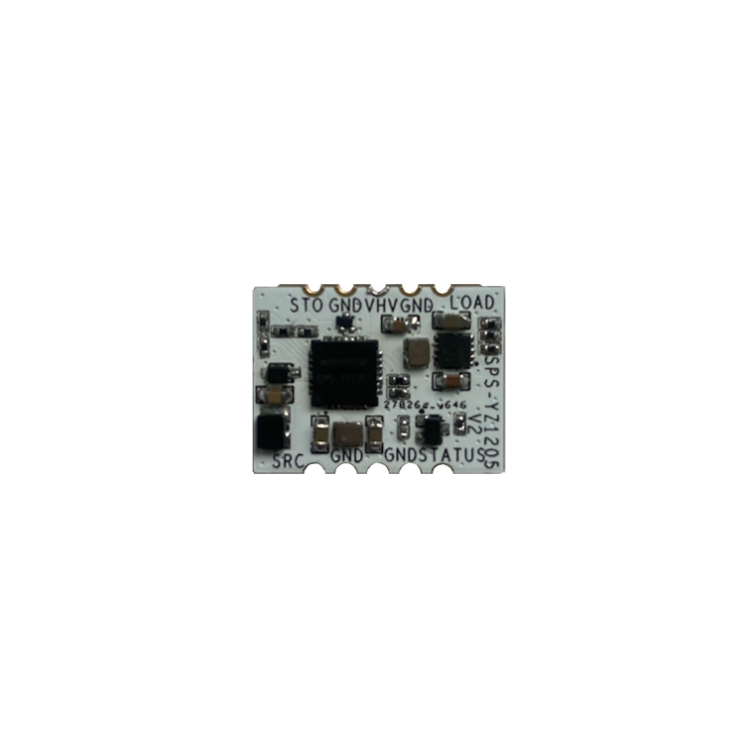
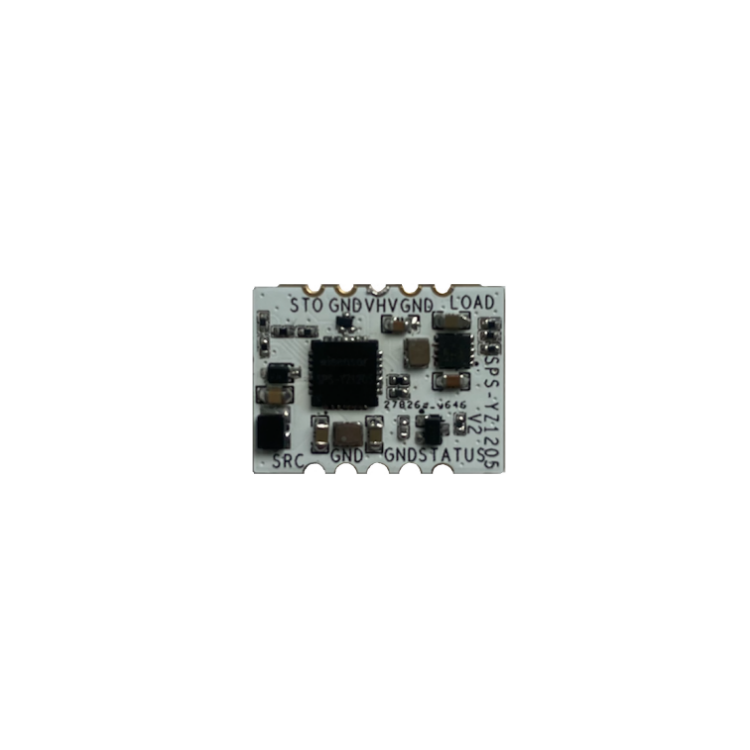
CreativeSPS-YZ1205Is itStyle15x20mmHigh-performance solar collection moduleIt effectively converts solar panel energy intoLIC(Lithium Capacitor)
Battery CapacityCan be used in conjunction with indoor lighting. WhenWhen the LIC has sufficient power, it features an adjustable output and a low voltage warning.
NoticeMCUShut down.

V1Utilizing stamp punch module design.3.3V/400mA adjustmentOutput, for easy secondary development。
V2 Modular kit design with built-in solar panel and 250F LIC (lithium capacitor), ready for use.
TheModuleSolar IoTPower SupplyThe ideal choice for equipment, as it integrates high-power tracking,LIC charging, with adjustable voltage output on a compact and easy-to-integrate circuit board.
2. Ideal choice for indoor applications
ChuangsiThe SPS-YZ1205 is highly suitable for indoor applications due to its ultra-low power consumption startup, with a boost converter operating at an exceptionally low 380 mV input voltage and 3 uW input power.Start, the module tracks the MPPT power point every 5 seconds, extracting high power from the solar cells.
3. Specifications
· PCB 15x20mmV2 Module: 25*75mm
· Solar Input Voltage50mV to 5V
· Ultra-low power start380mV/3uW
· Solar input current less than125mA
· Per5-second MPPT, MPPT set to 70%
· Storage Components: Lithium-ion CapacitorsLIC)Or Lithium-ion battery
· 3.3V/400mA output (16uA quiescent current)
· WhenWhen the LIC voltage is above 2.58V (enable threshold) and not below 2.49V (disable threshold), the adjustable output will be enabled. The LIC'sCollectHighly3.78V。
· Before turning off the output adjustment, ifLIC voltage below 2.49V and 600ms will trigger a warning on the status output pin to the host MCU
4. If you opt forV2KitPlease provide the Chinese content to be translated.
· 50x50mm 2V 160mASinglePolished Silicon(amorphous silicon low-light)Solar panels
· 250F 3.8V Lithium-ion Capacitor
5. Pins
· SRC - Positive electrode of solar cell panelsModuleInput
· STAT - Status output pin, used to alert the MCU to terminate writing and prepare for power failure.
· STO - Connected to the positive terminal of LIC
· VHV - 2.2V/80mA adjustable output
· LOAD-3.3V/400mA adjustable output
· GND - Grounding

What is the expected charging current?
Three different solar panels under indoor lightCharging current was measured under outdoor shade (~500 lux) and full sun (~500W/m^2, not very intense for full sun).
Solar panels | Indoor500Lux (Lumens) | Outdoor Shade | All-day outdoor lighting |
1V/80mA 30x30mm | 50uA | 700uA | 5mA |
2V/100mA 80x30mm | 100uA | 1.8mA | 10mA |
4V/100mA 70x70mm | 280uA | 4.8mA | 20mA |
Indoors(500 Lux) and in small solar cells, the storage elements charge at 50uA for 10 hours. The average current for the application must be (50uA * 10 hours / 24 hours) 20uA or less. For a Bluetooth Low Energy beacon or LoRaSensorTo say, that's enough. If that's not enough, you'll need to choose a larger solar panel. Outdoors, the shadow current is high.10-20x,In the sun, it should be large.100 times.
7. Compatible Solar Panels
· 2V/160mA 50x50mm
· 4V/140mA 70x70mm
8. AvailableLithium-ion CapacitorsOr rechargeable lithium-ion batteries
· 3.8V 250F LIC(80mAH)
· 3.8V 750F LIC(300mAH)
Can two lithium-ion capacitors be placed in parallel?
No problem. When two identical capacitors are placed in parallel, the capacitance doubles.LIC's internal leakage is extremely low.250F LICOnly a fewuA leakage, about 5 times lower than supercapacitors.
10. How does LIC compare with other storage devices?
Compared to lithium batteries,LIC is non-toxic, does not require a protected circuit, has no transportation restrictions, and can be handled with standard electronic products. Compared to supercapacitors, LICs offer much higher energy density and significantly lower leakage. A 250F capacity is equivalent to an 80mAh lithium-ion battery.
11. Application Scenarios
Industry:Smoke Detector Sensors, Current Sensors,Partial discharge sensorAir pollution sensors, real-time positioning trackers; pressure, temperature, and motion sensors on motors and machinery, greenhouse monitoring,Cameras, alarms, gas leak sensors, personnel detection, passive IoTPlease wait.
Agriculture:Livestock Tracking, Soil Moisture Monitoring, Livestock Feeding Sensors, Intelligent Logistics and Storage, Humidity Monitoring Sensors,Wind Speed Weather SensorPassive IoTWait.
Retail:Electronic Price Tags, Smart Refrigerator Thermometers, Humidity Sensors, Product Tracking, Supply Chain Control, Asset LocationPassive IoTPlease wait.