








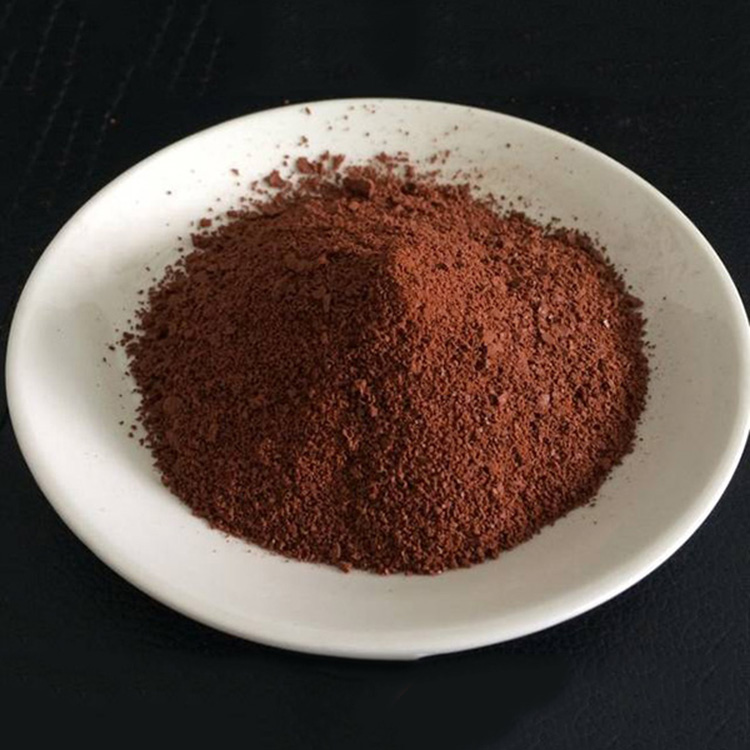
I. Definition of Nickel Additive
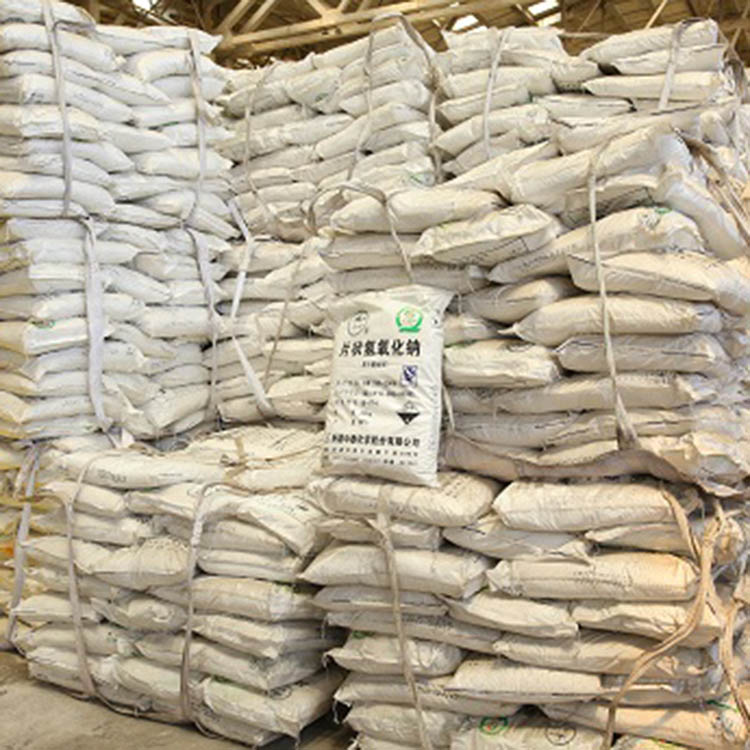
Nickel Remover is a specialized agent derived from heavy metal scavengers, designed to treat nickel ions in wastewater. It not only enhances the efficiency of wastewater treatment but also reduces material waste. Available re-capture agents on the market come in both liquid and solid forms, with the Nickel Remover predominantly existing in a solid state. This is due to the higher concentration of active substances in solids, resulting in a lower cost per ton of water treatment, and also greater convenience in transportation.
Section 2: Mechanism of Action for Nickel Agent
The basic principle of nickel removal agents is to act on pretreated nickel-containing wastewater, causing nickel ions to脱离 from the wastewater through physical and chemical precipitation, achieving compliant discharge. By utilizing the nickel ion chelation precipitation principle, ionic or complexed nickel ions in the wastewater are chelated into insoluble groups. After simple coagulation, these groups form larger ones, which then precipitate and are removed.
Section 3: Product Models Excluding Nickel Additives
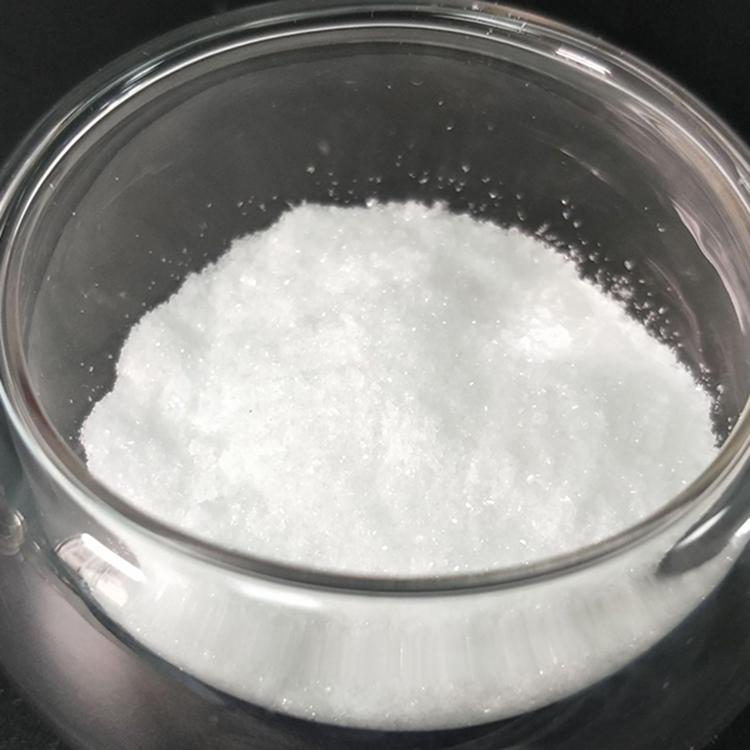
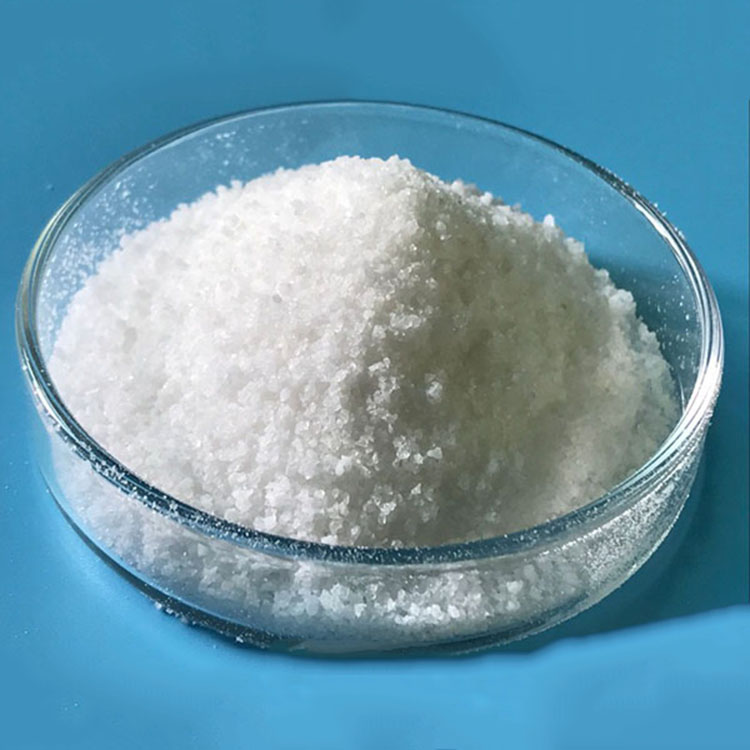
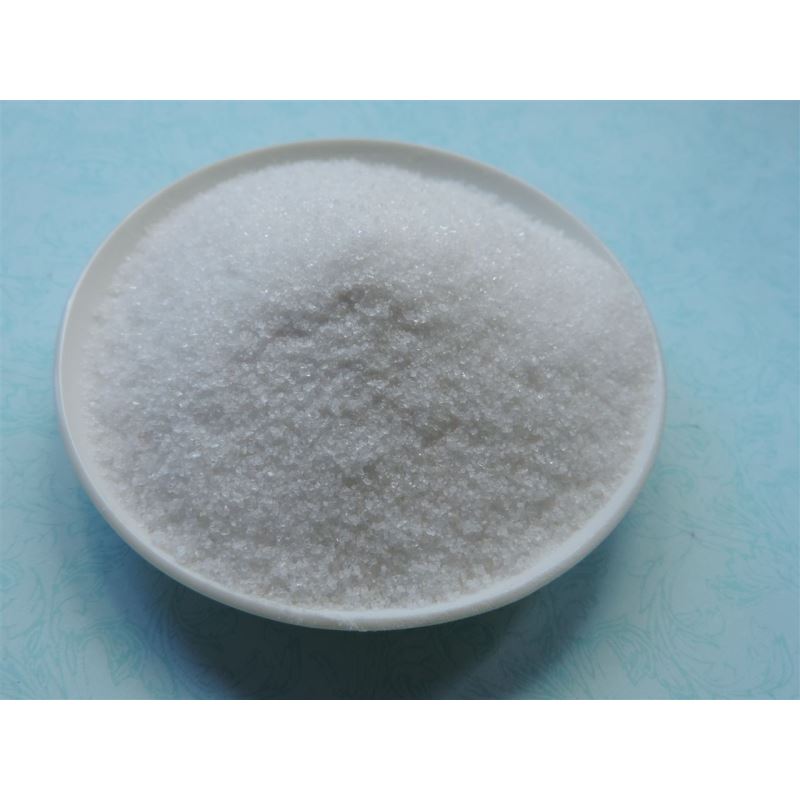
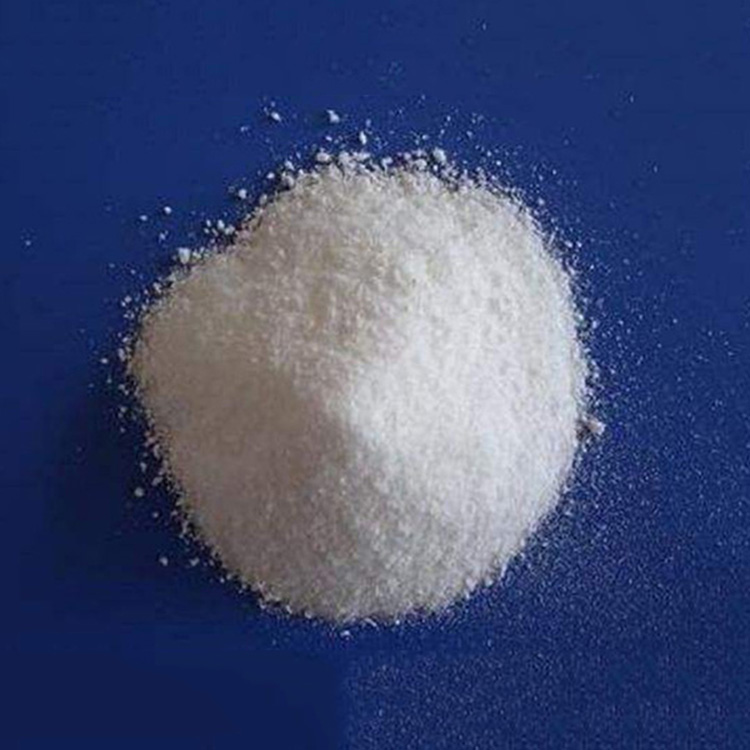
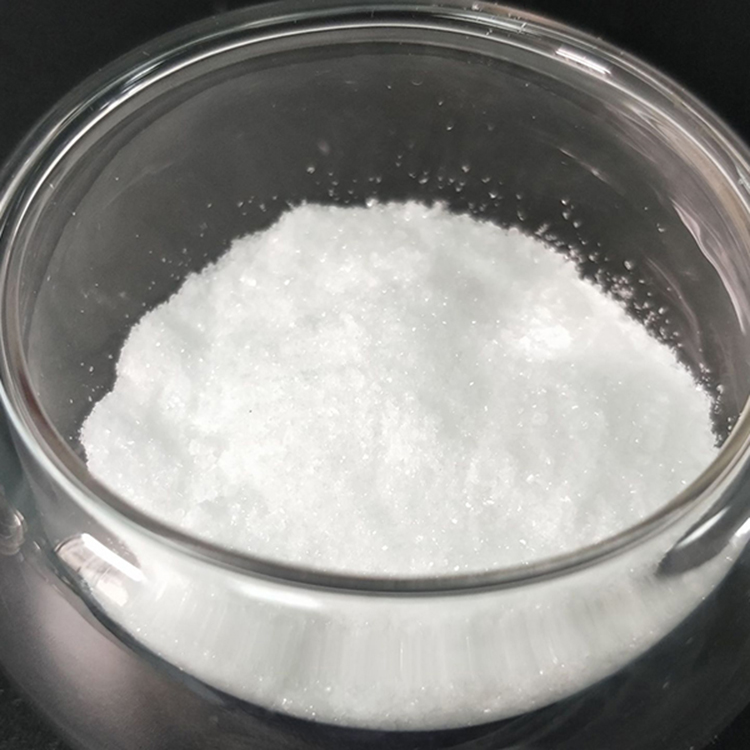
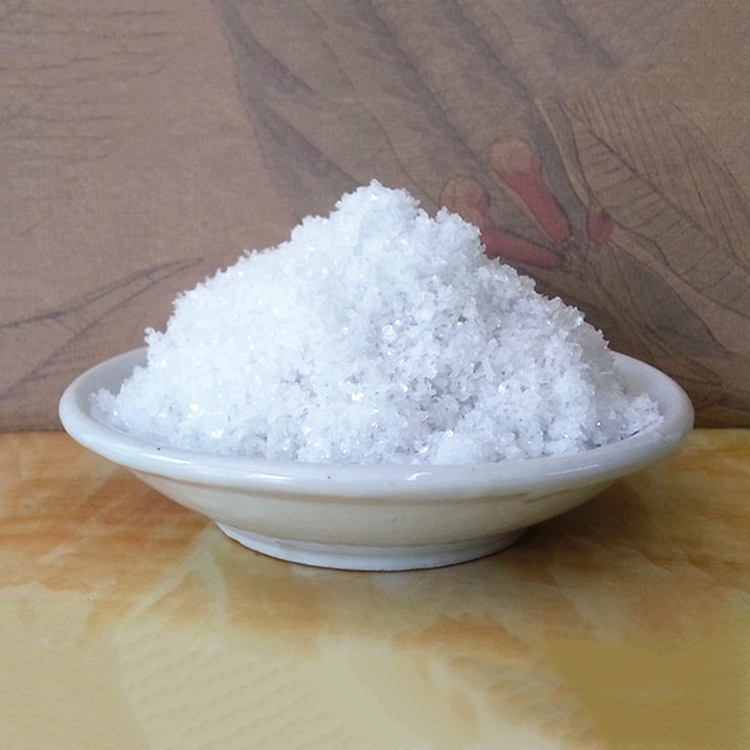
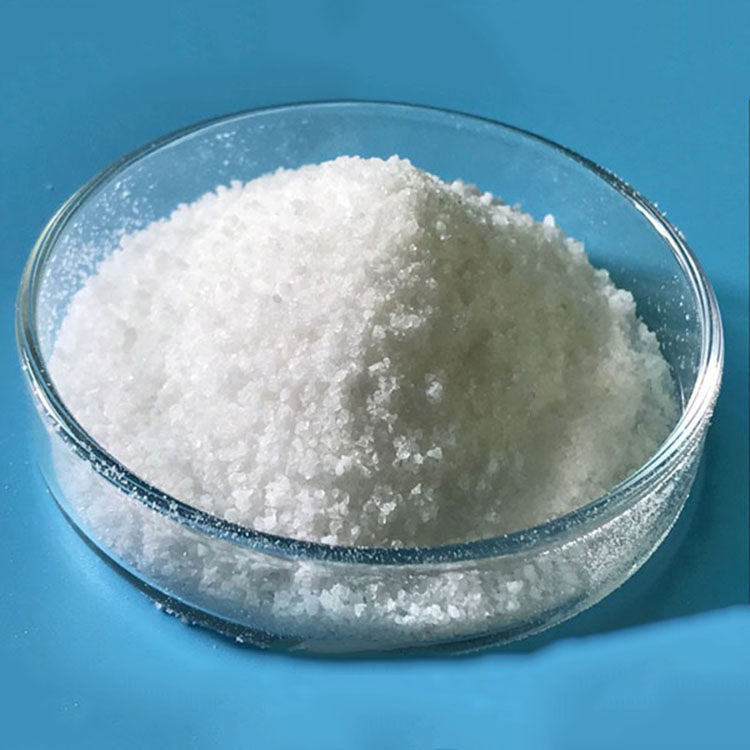
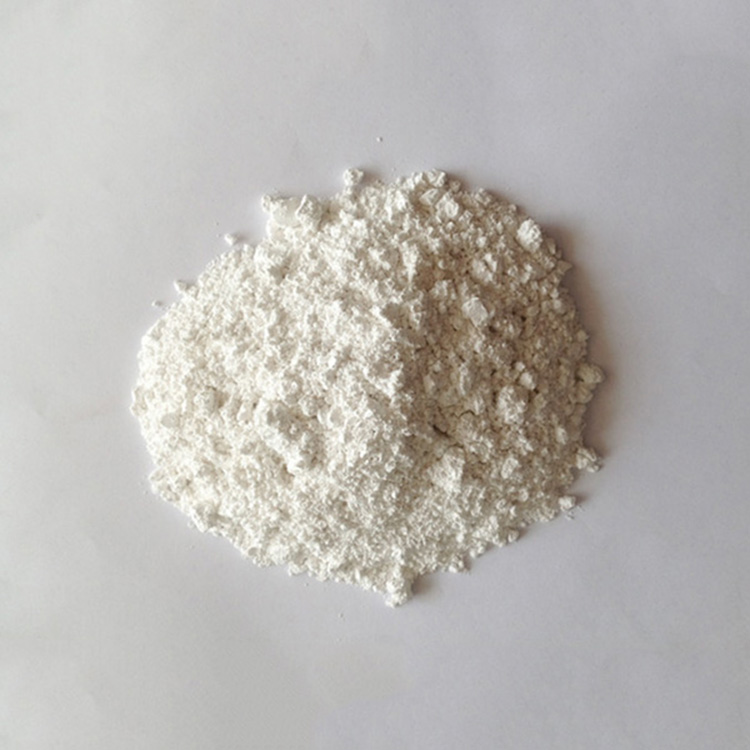
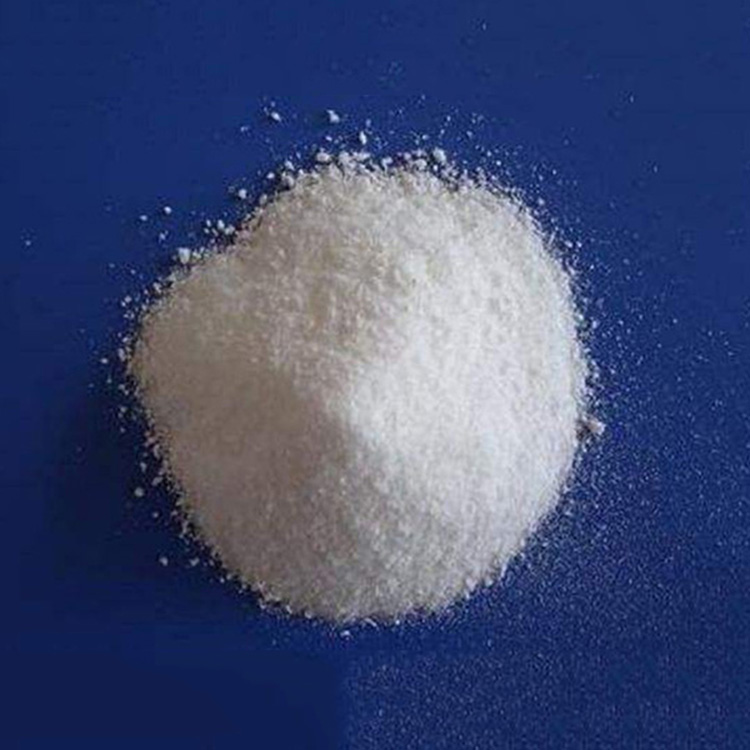
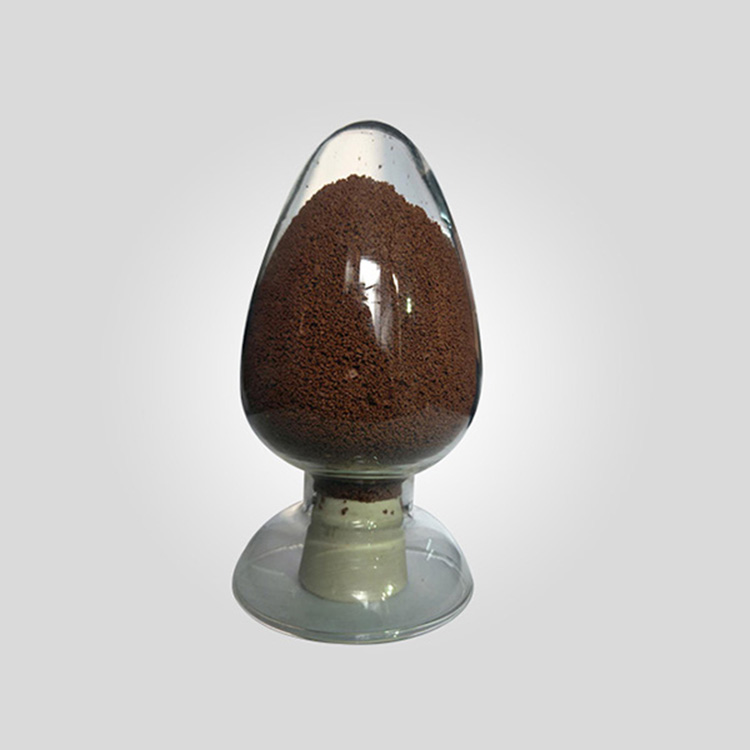
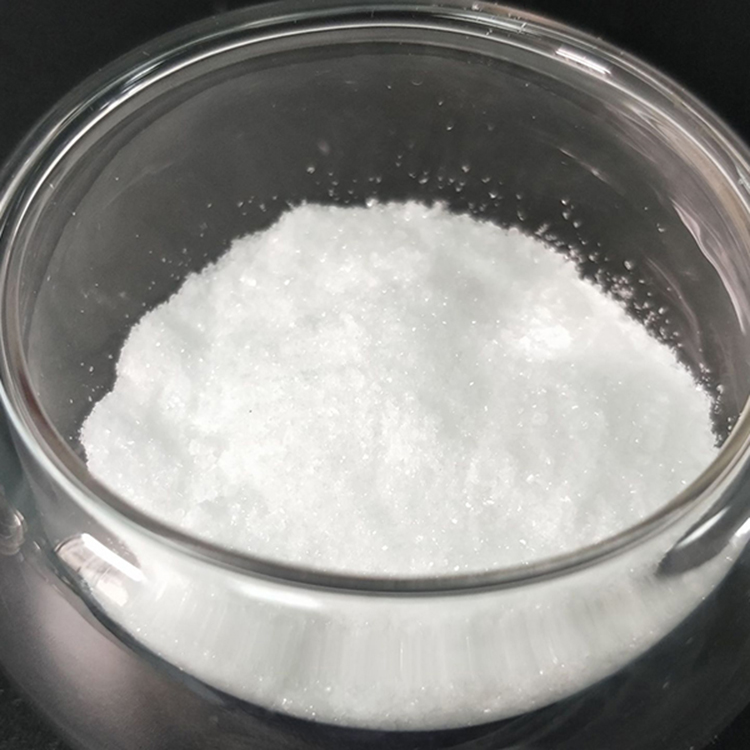
The full name of the nickel removal agent is High Performance Nickel Removal Agent HMC-M2, model: HMC-M2. It is a product of Zhanqing Environmental Protection Technology. It has a white granular appearance, odorless, and is composed mainly of organic substances. It is non-flammable, non-hazardous waste, and non-toxic. It is suitable for treating nickel-containing wastewater from various industries such as electronics, chemicals, mechanical manufacturing, electroplating, and printed circuit boards. It can also treat difficult-to-treat wastewater such as chemical nickel wastewater and complex nickel wastewater, and can be treated to meet the standard for nickel ion discharge listed in Table 3.
Section 4: Application Method of Nickel Agent
The efficient nickel removal agent is suitable for water with a pH range of 2-11, offering a broad spectrum and producing less sludge. It is recommended to conduct a small-scale test to determine the dosage before proceeding with actual production application.
Small Test Procedure:
(1) Dosage: Estimated at 7-10 times the concentration of nickel ions.
(2) Reaction pH Value: Can be reacted under acidic and alkaline conditions separately to compare the reaction effects.
(3) Determine reaction conditions: Based on the results of the two preceding reactions, determine the dosage and pH value, and combine with cost and chemical agent controllability adjustments.
(4) Field Application: Apply the results of the aforementioned three steps in practice, combining with the on-site process and guided by professional technical personnel.
Section 5: Application Industries
Primarily used for the treatment of nickel ions in wastewater from industries such as printed circuit boards and electroplating.