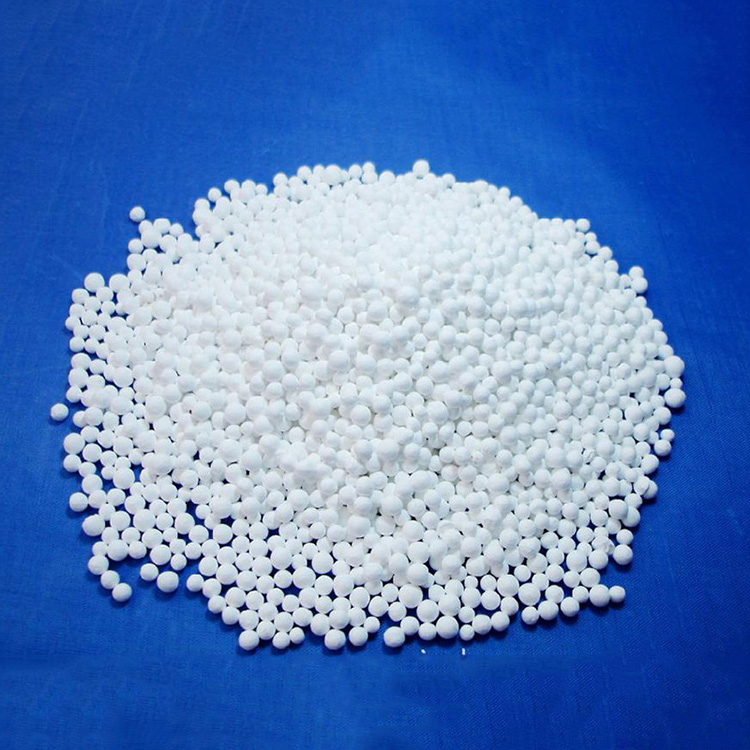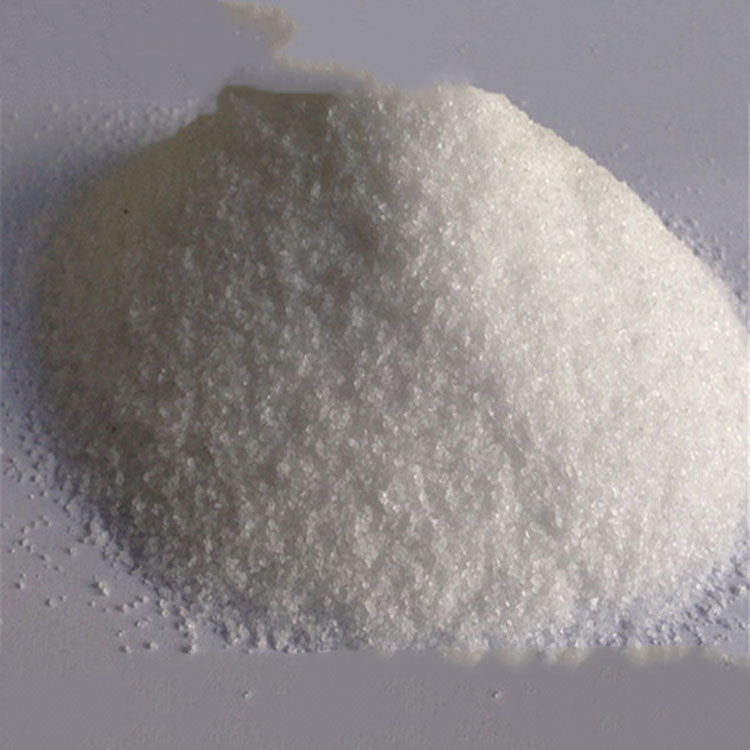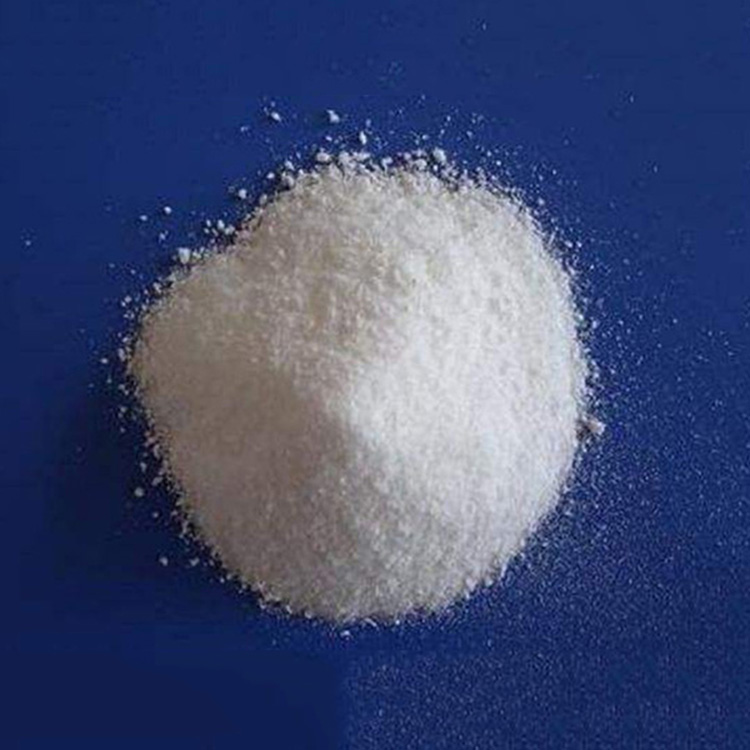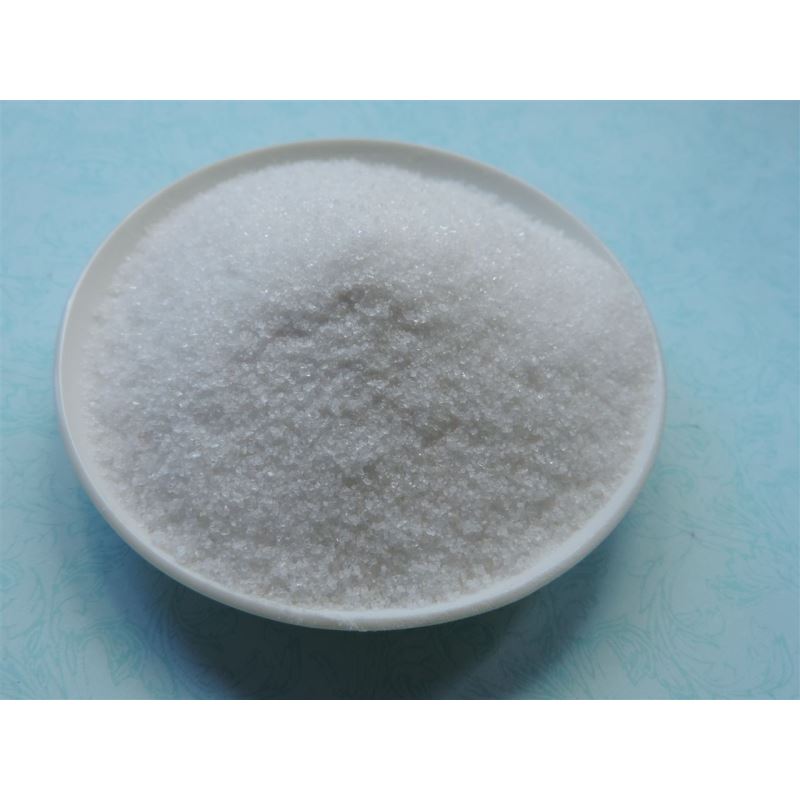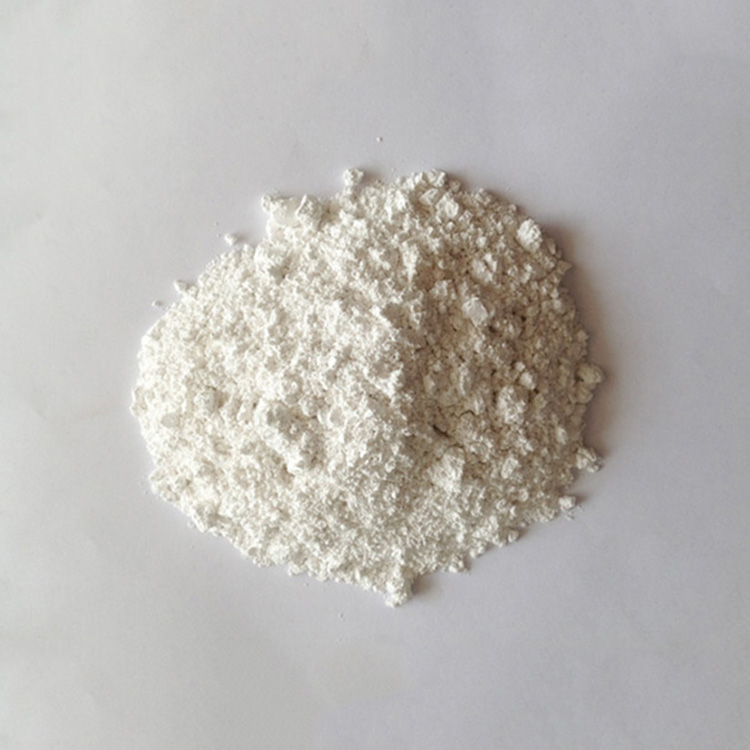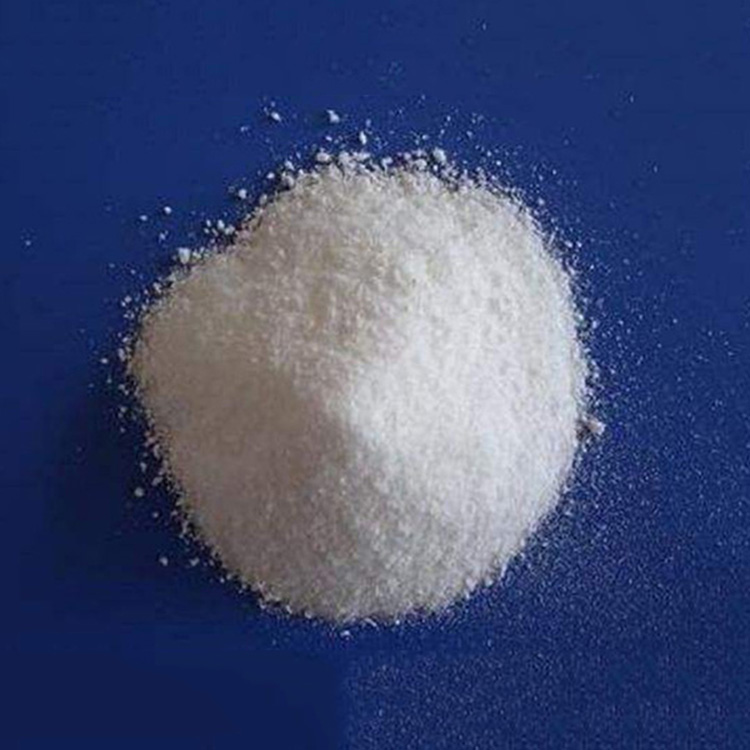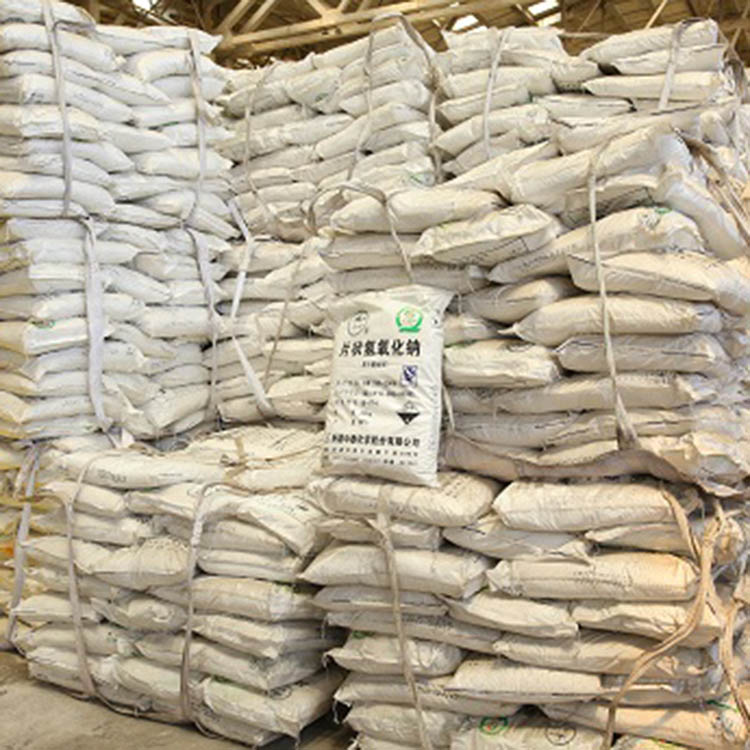

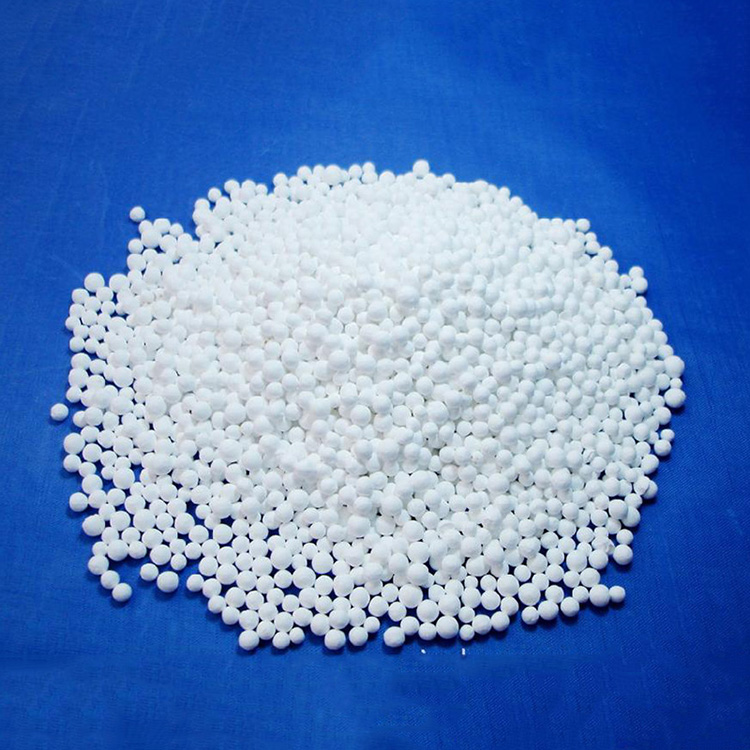

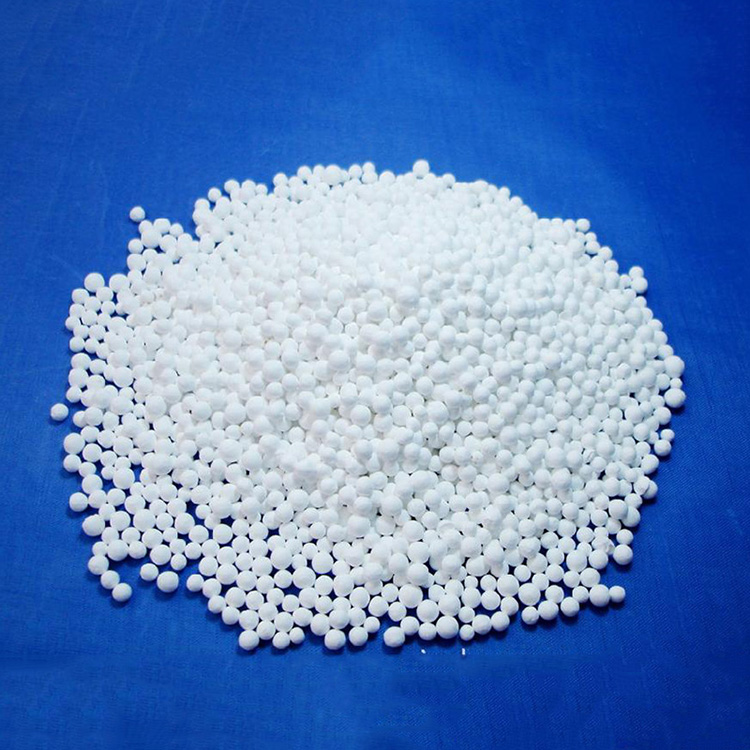







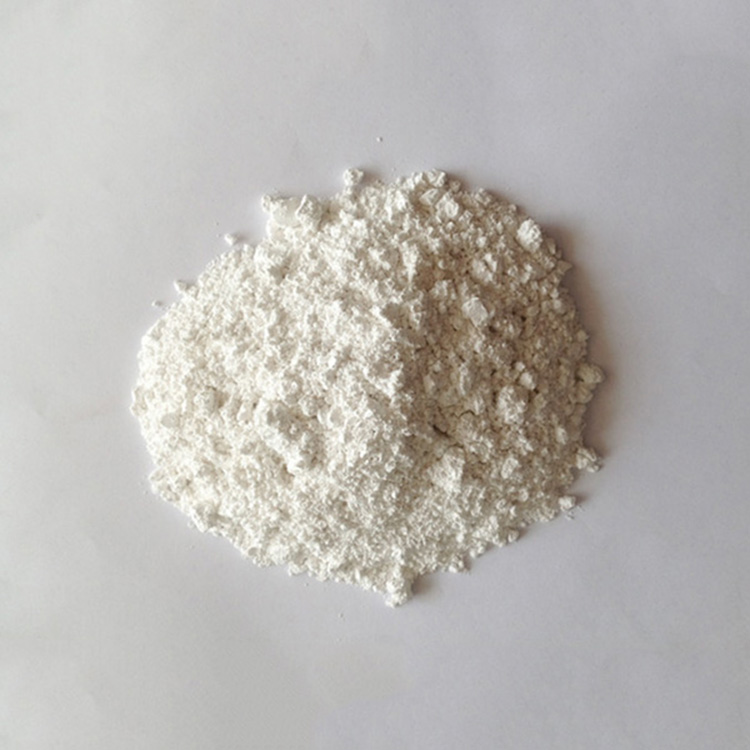
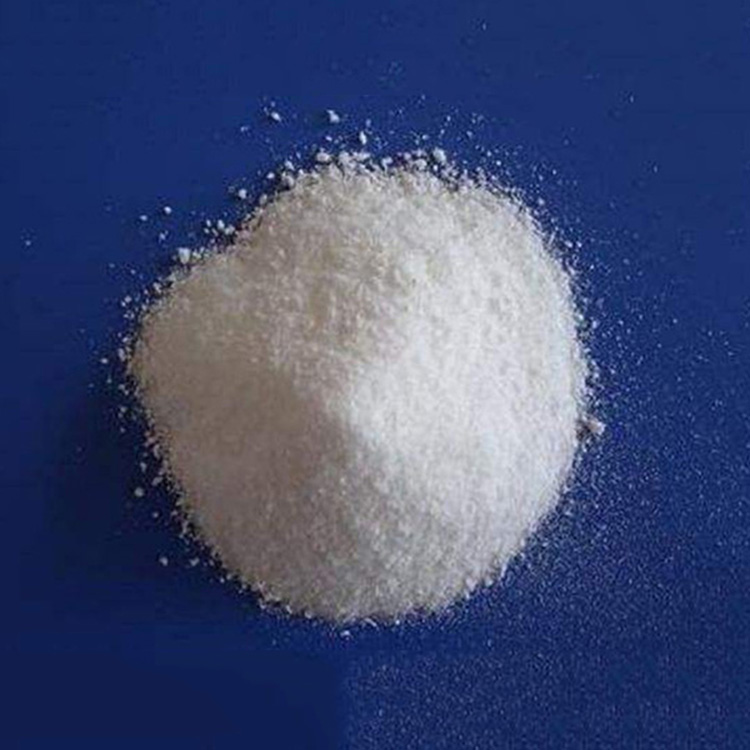
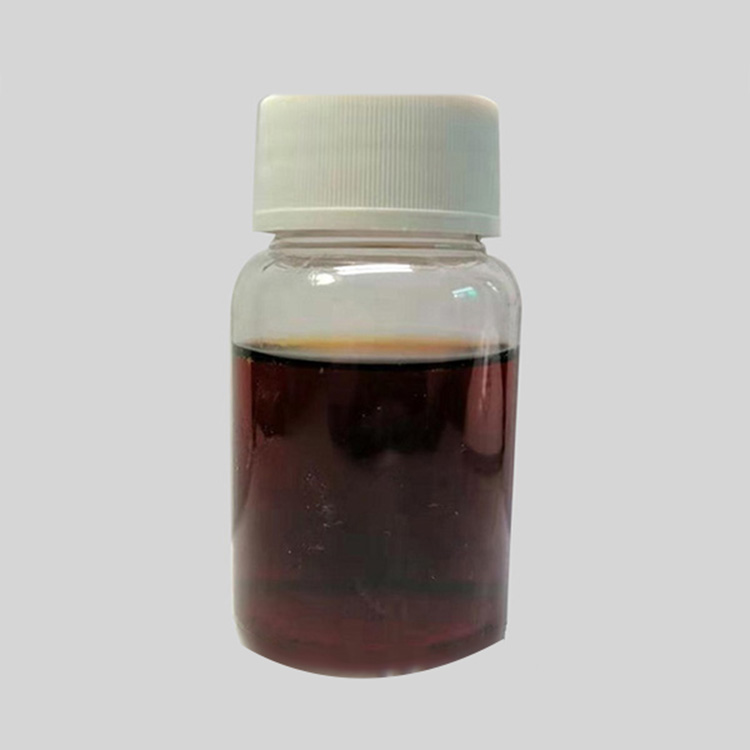
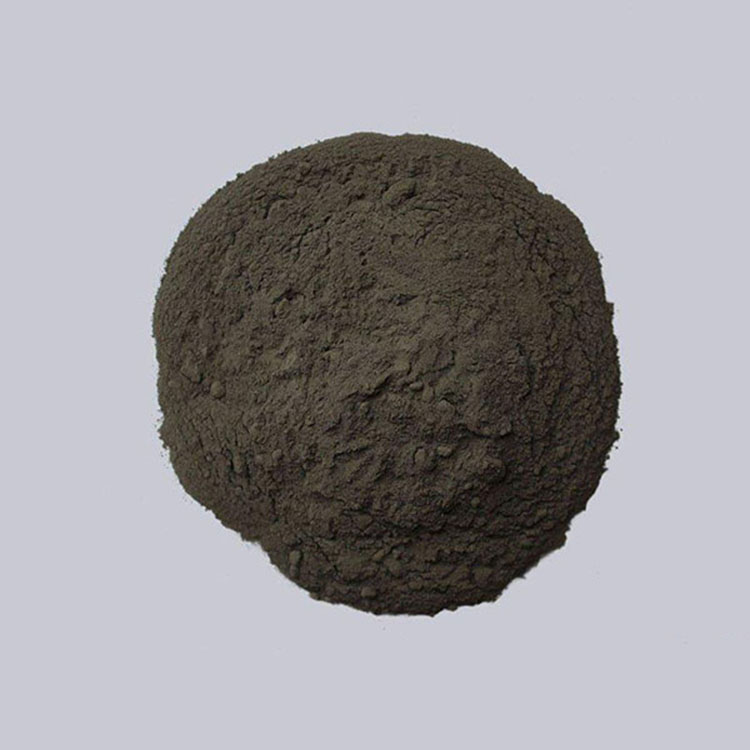
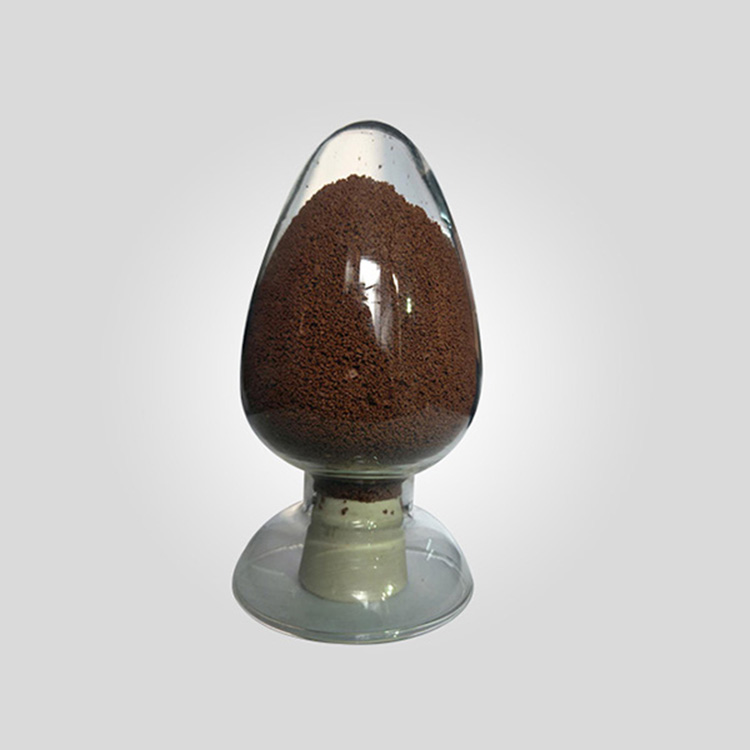
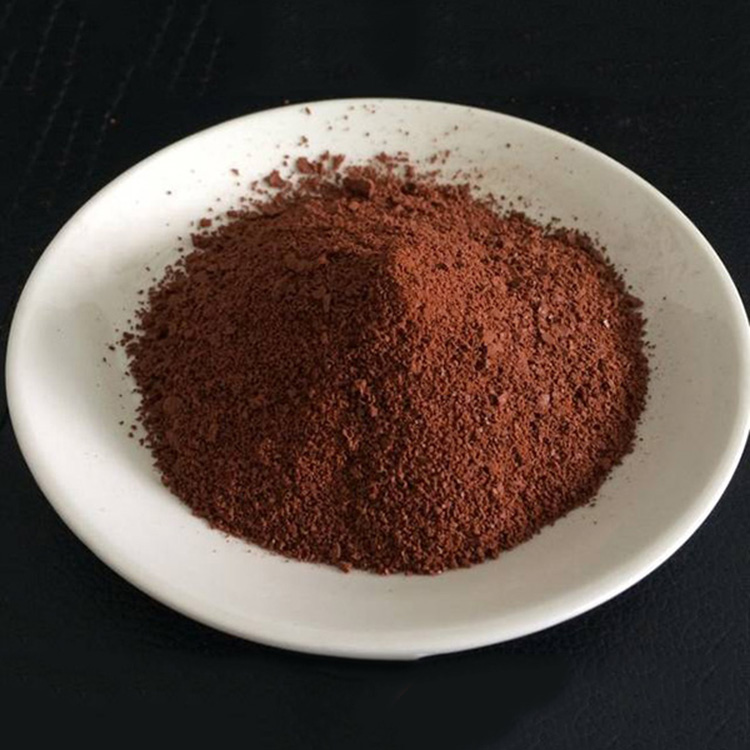
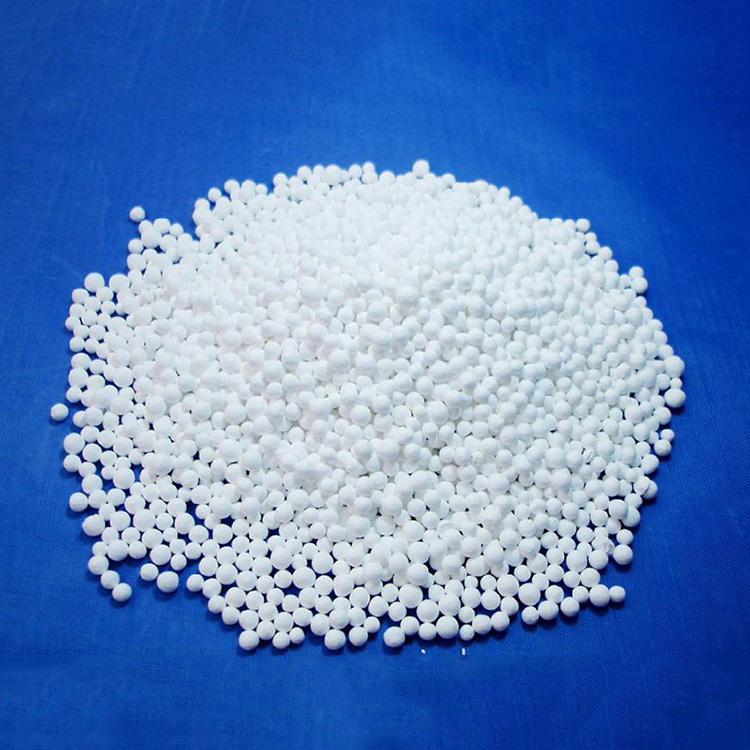
Water treatment activated alumina balls for fluoride and arsenic removal, this product is used as a fluoride removal agent for high-fluoride water, and is a molecular adsorbent with a large specific surface area. When the pH value and alkalinity of the raw water are low, the fluoride removal capacity is high, greater than 3.0 mg/g, and the price is lower than that of synthetic resins. It can also be used for arsenic removal in drinking water.
Smaller particle size allows for a larger surface area of the product, typically 1-3mm, which results in a greater contact area with water during use. The specific surface area reaches over 160m²/g, with a vast number of micropores, ensuring strong adsorption capacity for fluoride ions in water and a high fluoride and arsenic removal capacity.
Directly add this product to use, or first dissolve it in a tank at a concentration of 10~20%, stir, and then pump it into the reaction tank. This product is suitable for a wide pH range (2~14) and the dosage is approximately 100~1000 ppm (i.e., 0.1~10 kg/ton of wastewater). The amount varies depending on the fluoride content of the wastewater, and the specific dosage is usually determined through experiments.
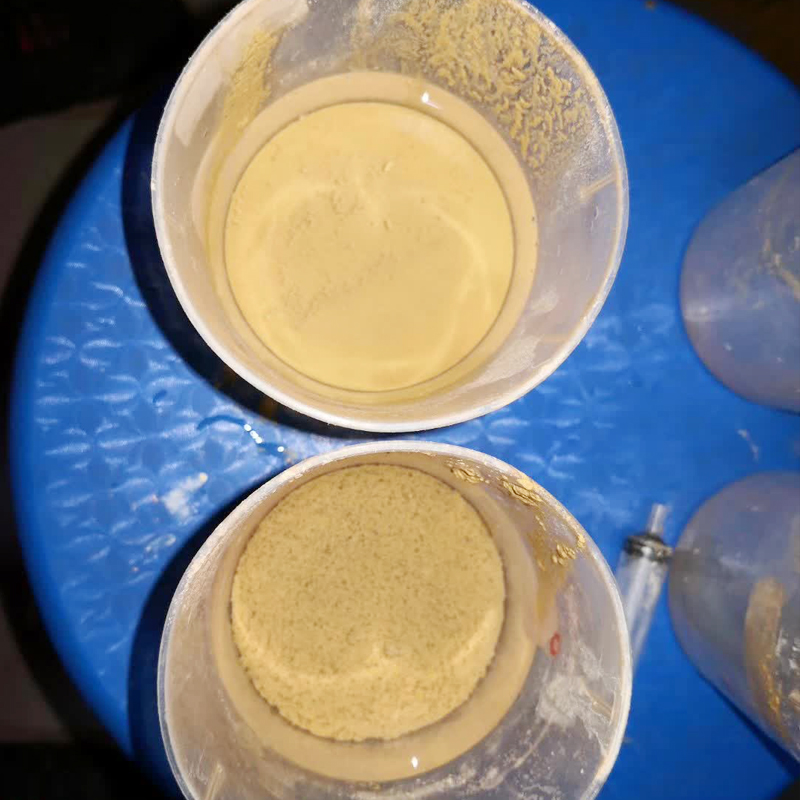
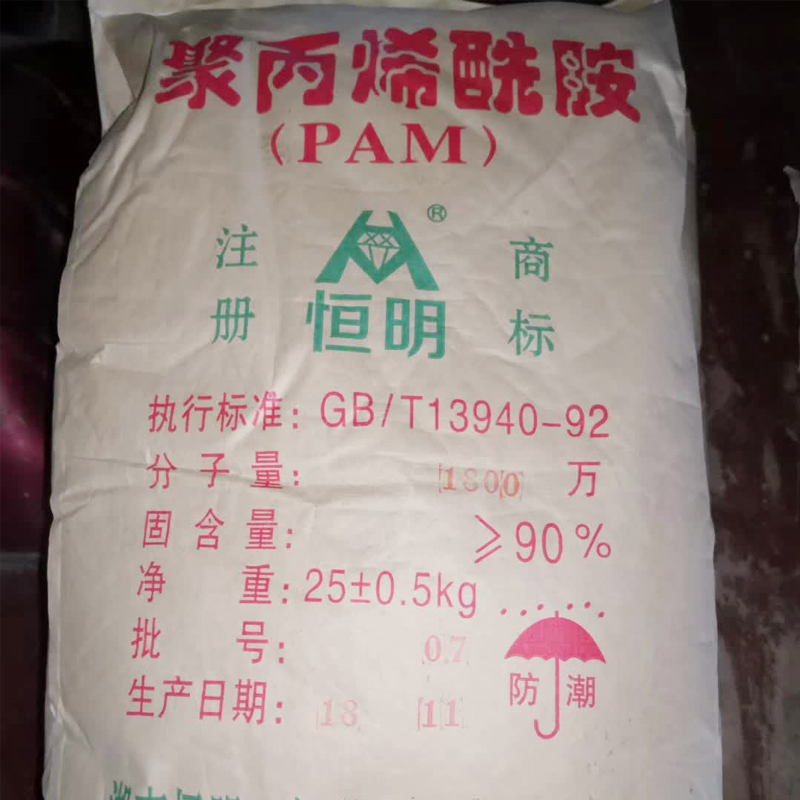
In the experiment, take a certain amount of raw water, add an appropriate amount (e.g., 000ppm) of this product, adjust the pH value to around 7, stir for 2 minutes, add a small amount of polyacrylamide PAM, then filter the supernatant after flocculation and sedimentation to determine the fluoride content.
Packaging and Storage
Packaging: Plastic drum sealed.
Storage: Handle with care, avoid direct sunlight and rain. Shelf life: 6 months.
Note:
1) Absolutely prohibited from mixing or storing with oxidizing substances, flammable materials, etc.
2) Unit Conversion: 1000ppm = 1000mg/L = 1g/L = 1‰ = 1 kg/ton of wastewater.
Hazard of Fluorinated Wastewater:
Fluorine predominantly exists in soil as ions. Excessive levels of fluorides in soil can deteriorate its physical and chemical properties, impacting soil's ability to decompose cellulose and nitrify, reducing phosphatase activity, altering the content of water-soluble organic matter, soil pH levels, respiratory intensity, and the diversity of the原生动物群落.
Fluorine pollution in soil can cause harmful effects on plants. After plants absorb fluorides, it affects the activity of enzymes involved in photosynthesis and binds with magnesium in chlorophyll, leading to the destruction of chlorophyll.
Similarly, it also affects the synthesis of pigments, reducing the ability to produce chlorophyll, causing the color of the dead areas at the leaf edges and tips to gradually deepen from light brown to reddish brown, resulting in a distinct distinction between living and dead leaf parts. During the plant's growth period, fluorine inhibits plant development, weakening the growth momentum, leading to stunted plants; during flowering, it can cause a large number of flowers to drop; during fruit growth, leaves may experience prolonged discoloration and yellowing, leaf edge withering, and curling, while fruits may suffer from severe rotting diseases; even leading to widespread death of fruit trees, directly impacting the reduction in fruit yield and causing economic losses.
Fluorinated wastewater generation:
During the industrial production process, the inevitable generation of a large amount of fluorinated wastewater, such as from iron smelting, phosphate rock processing, phosphate fertilizer production, and coal combustion emissions, poses severe harm to both the environment and human health.
As for the current methods of fluorine-containing wastewater treatment, although some scholars have researched the recovery of fluorine from fluorine-containing wastewater or the comprehensive utilization of sludge in ash ponds, the amount of comprehensive utilization of fluorine-containing sludge is relatively small, and during the calcination process, high water content leads to high energy consumption. The other methods, due to not reaching the level and requirements of industrial production applications, are only停留在 the exploratory research stage in the laboratory. Both theoretically and in practical applications, there is room for improvement in defluorination technology.
Overview of Fluoride Removal Methods in China and Abroad
In the field of wastewater treatment, there are typically four methods: physical, chemical, physical-chemical, and biochemical.
1. Physical treatment of wastewater primarily utilizes principles such as sedimentation, filtration, and balancing, along with mechanical actions like centrifugal separation. Chemical treatment of wastewater mainly employs reactions like acid-base neutralization, ion exchange, oxidation-reduction, coagulation, and electrolysis to achieve the goal of removal.
2. The physical-chemical treatment of wastewater employs processes such as flotation, adsorption, electrocoagulation, reverse osmosis, membrane separation, and extraction to remove pollutants. The biochemical method utilizes aerobic or anaerobic microorganisms to eliminate colloidal substances and organic matter from wastewater. Fluoride contamination issues are increasingly drawing attention, and the research on the treatment of fluoride-containing wastewater has always been a focus in the field of environmental protection. Through extensive research by numerous scholars worldwide on fluoride removal from wastewater, theories, technologies, methods, and processes have seen significant advancements. Due to the diverse compositions of various industrial fluoride-containing wastewaters, neither of these two methods can completely handle them, hence the reported treatment methods vary internationally and domestically. Currently, the methods suitable for industrial use primarily include precipitation, with other methods such as ion exchange resin, adsorption, electrocoagulation, and membrane separation for fluoride removal.
The Birth of the Dechlorinating Agent
In response to current emission standards, Shandong Huanrui Ecosystem has developed a defluorination agent. The reaction mechanism of the defluorination agent: Utilizing the characteristics of high positive charge density and moderate polymerization degree of the effective components, it promotes the rapid formation of stable complexes with F- ions in wastewater by the hydroxyl sites. Simultaneously, due to the reduction in positive charge density, the aggregation and precipitation of the complexes are accelerated, achieving the conversion of free fluorine to particulate fluorine. Then, through the bridging and capturing effects of high molecular weight flocculants, rapid separation of sludge and water is achieved, achieving the goal of defluorination in wastewater. It can handle fluorine at different concentrations.