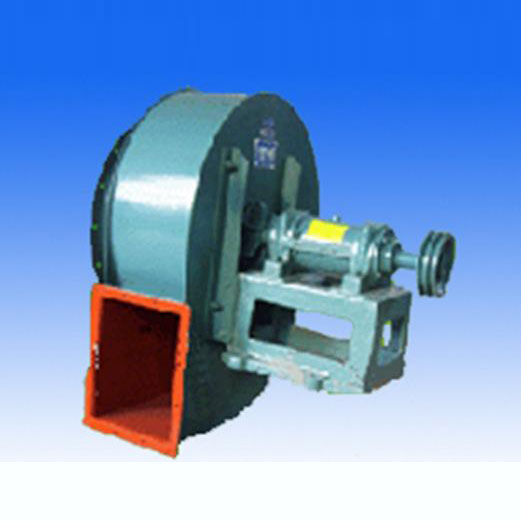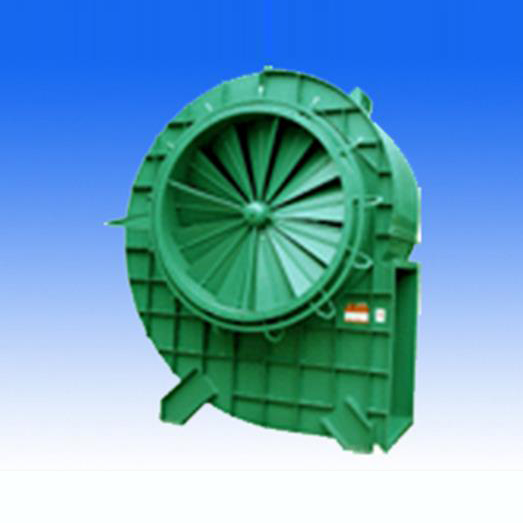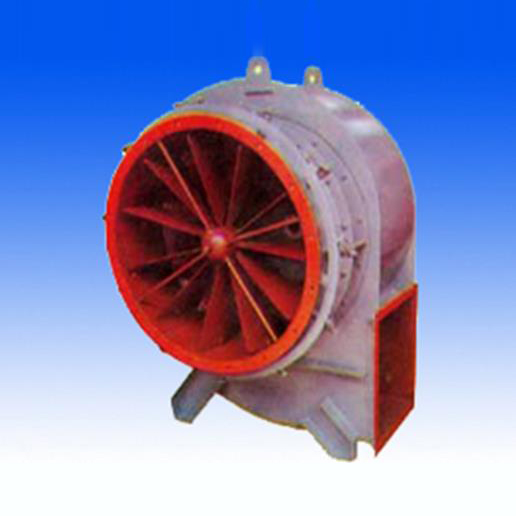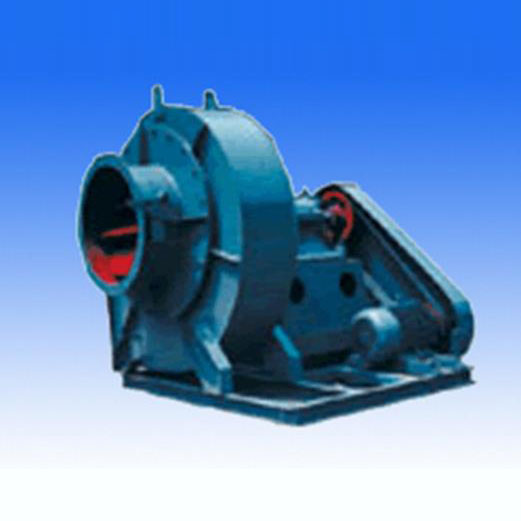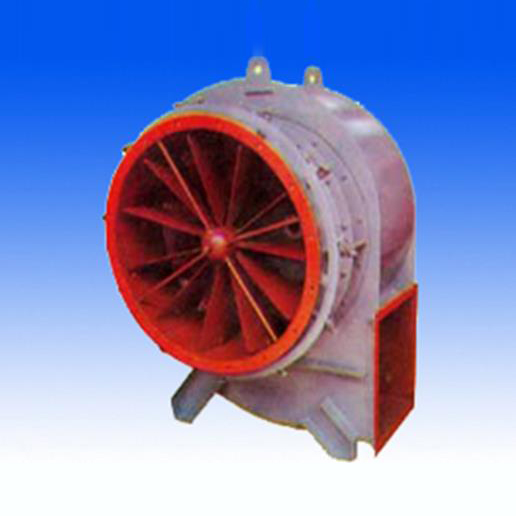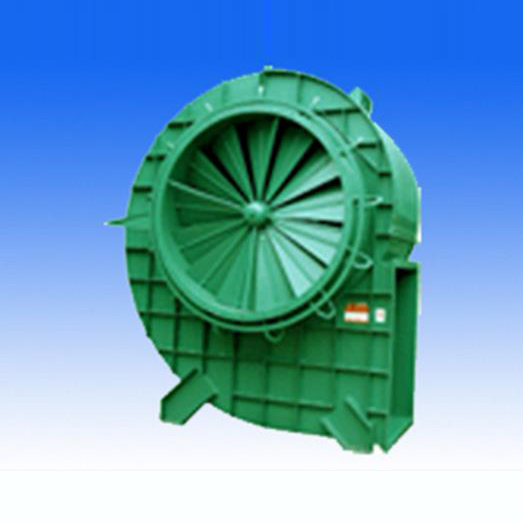

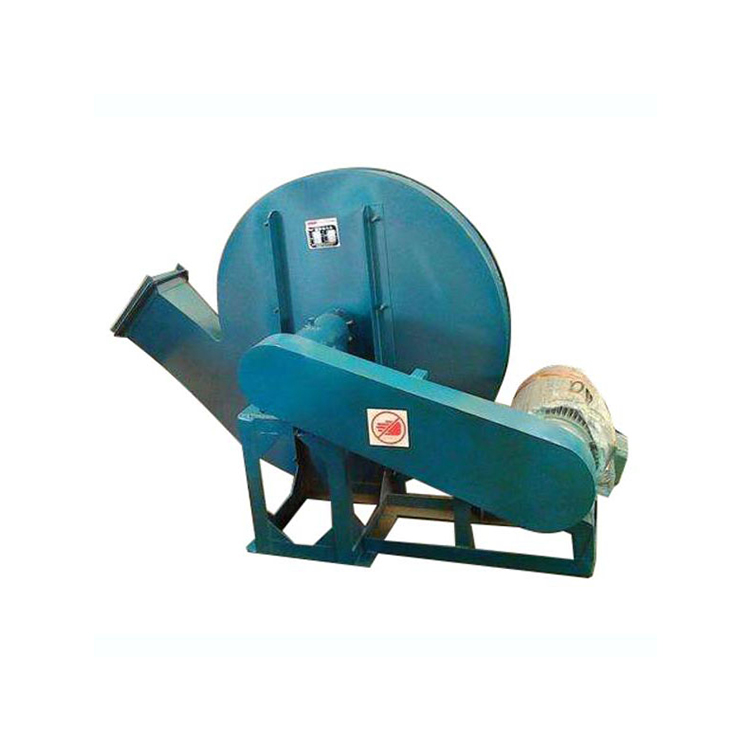

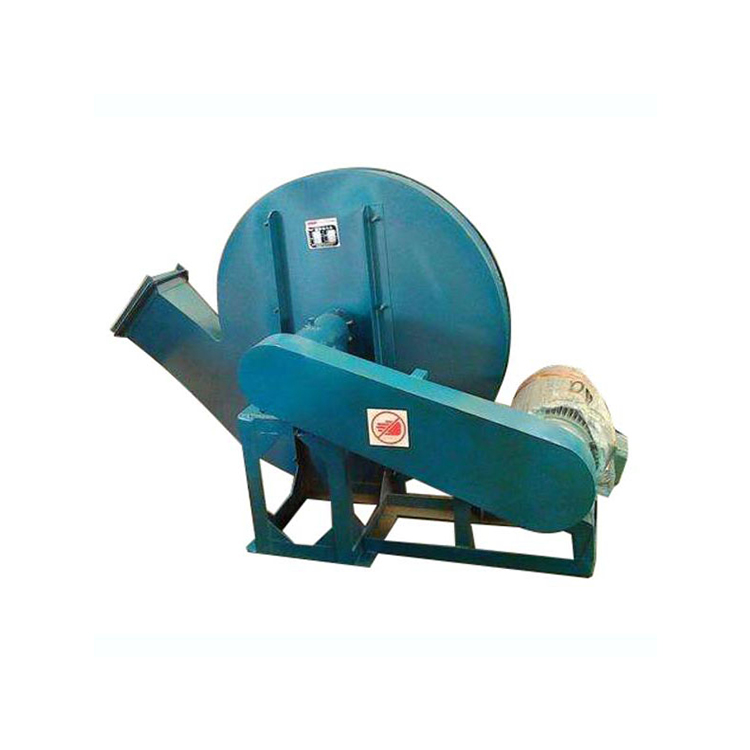
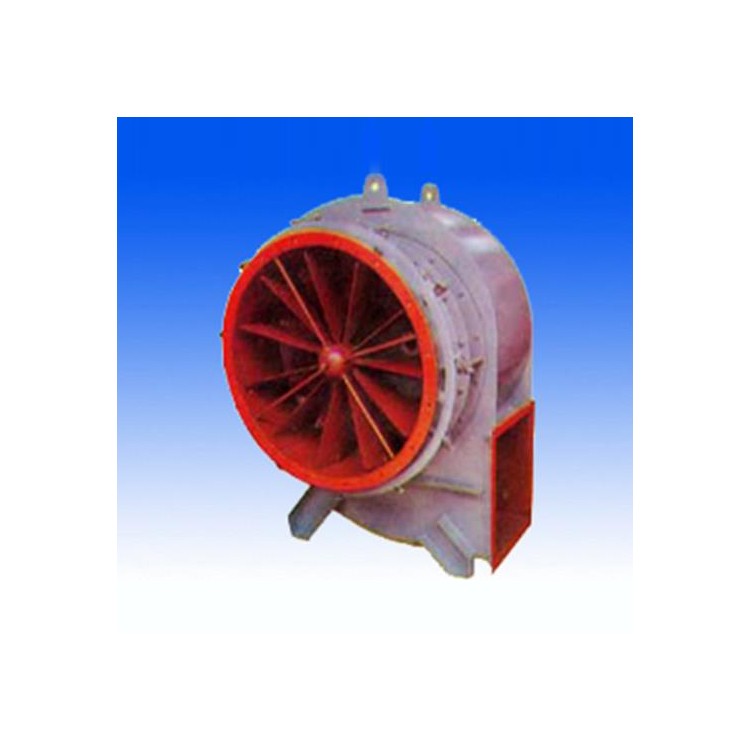
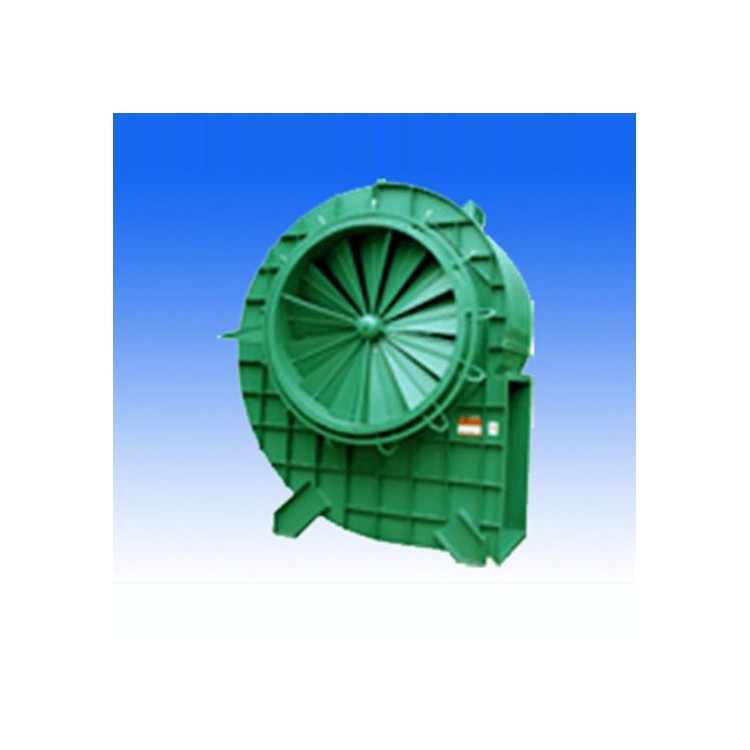


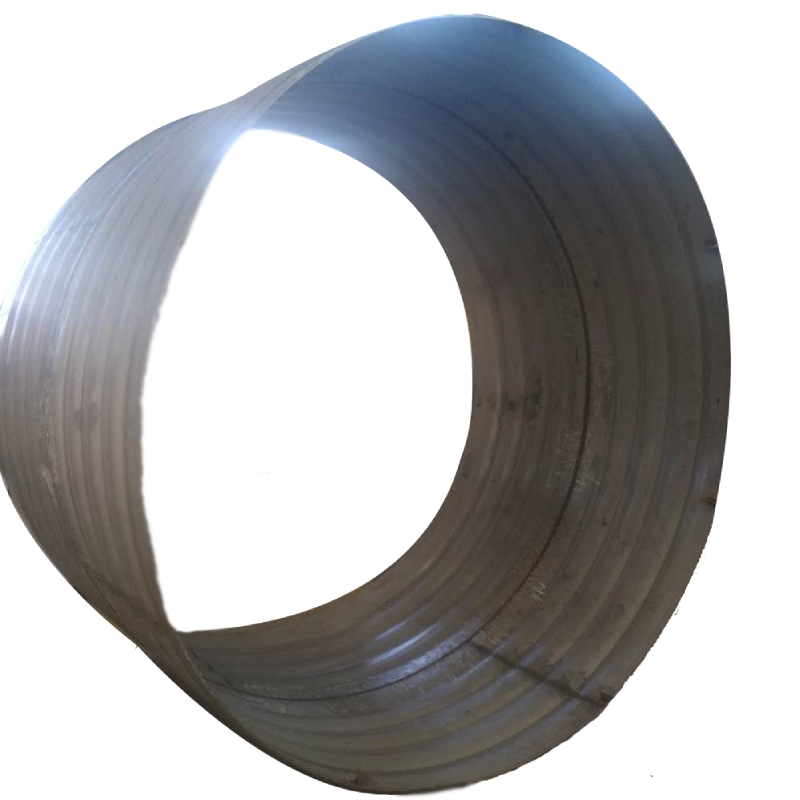
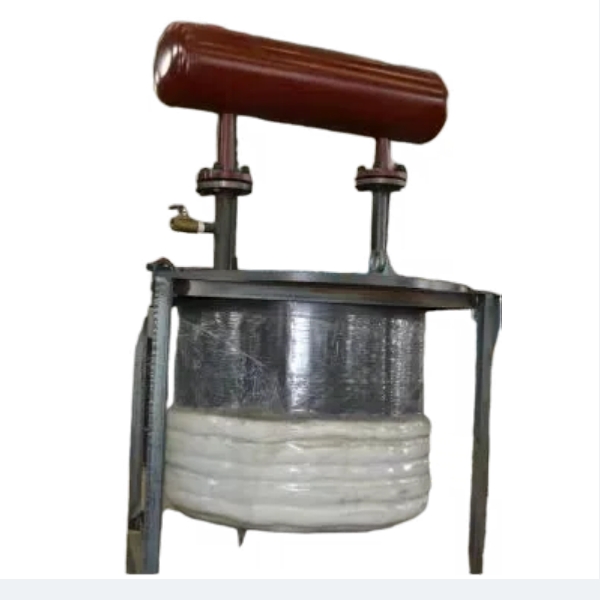
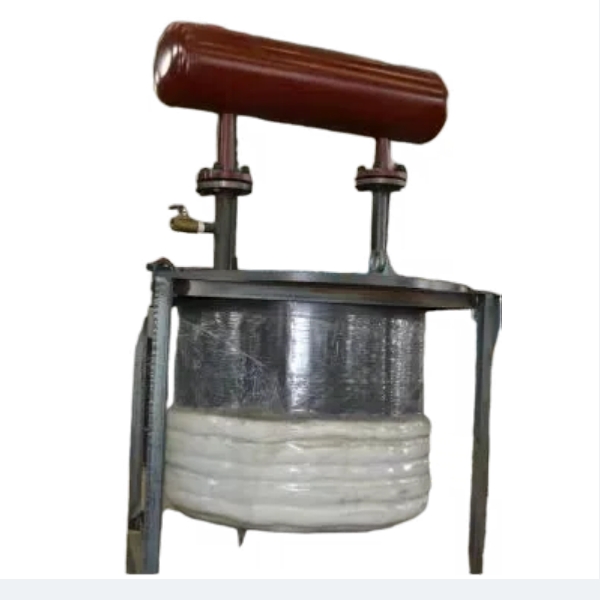
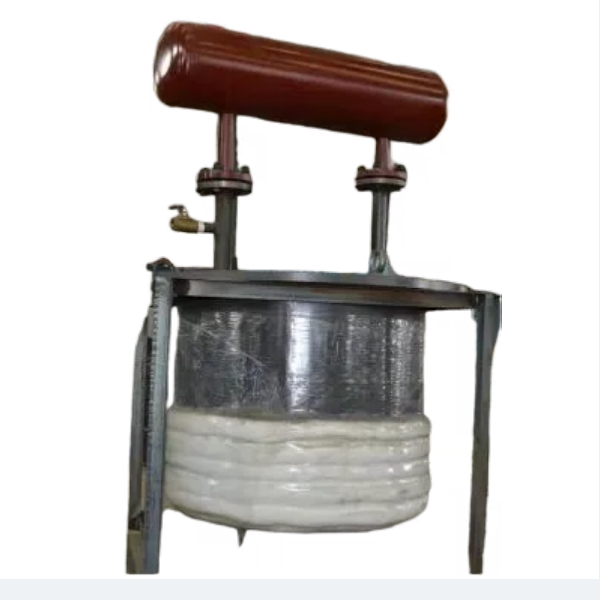
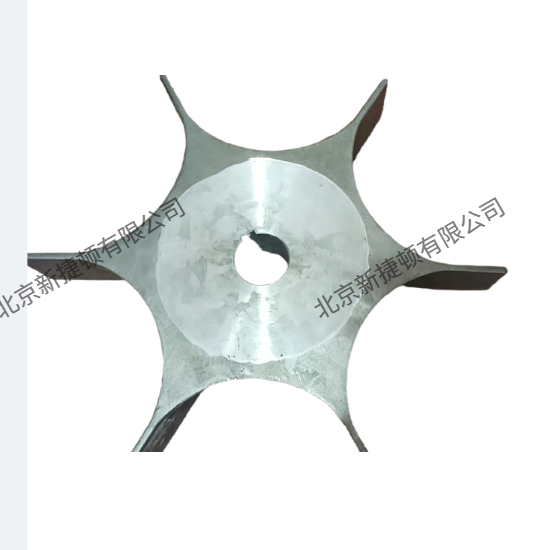





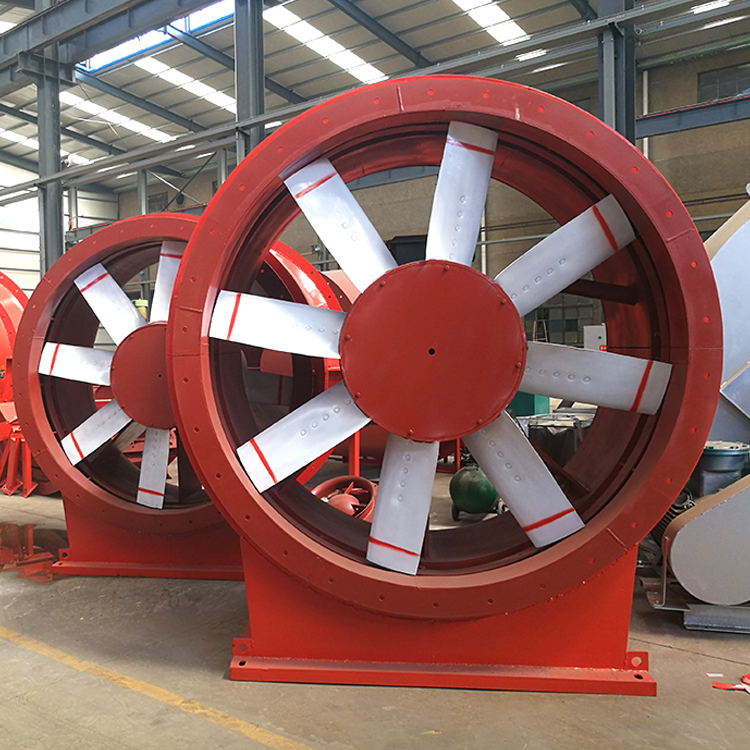
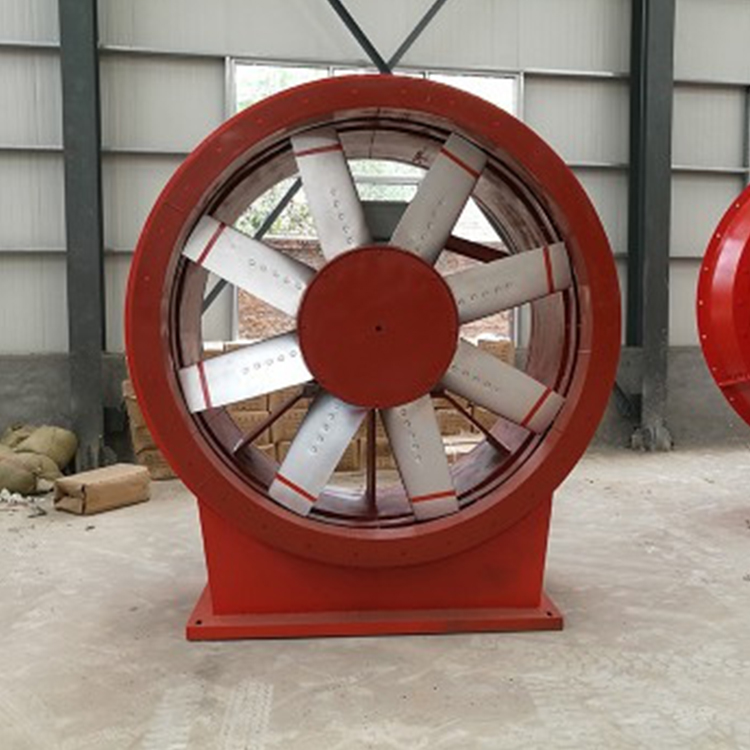
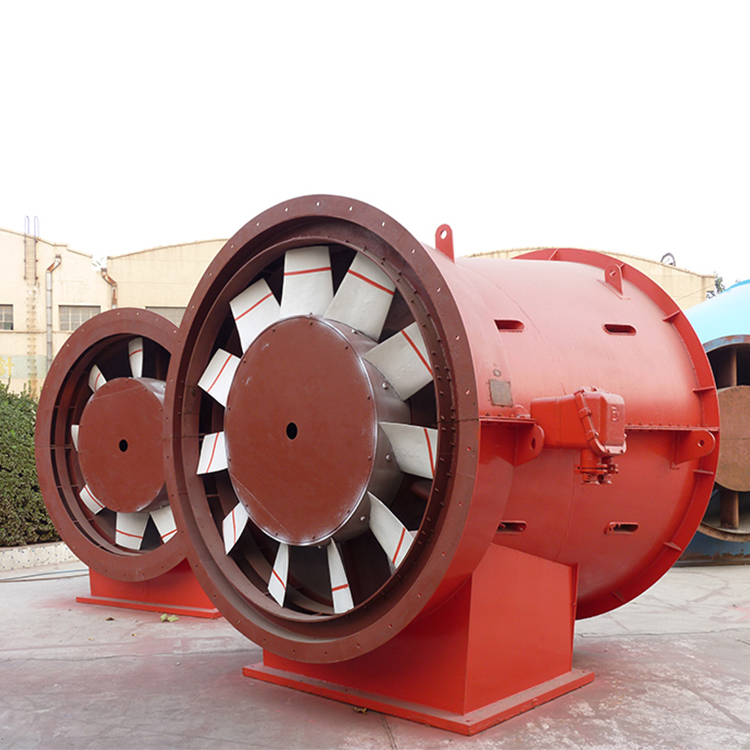
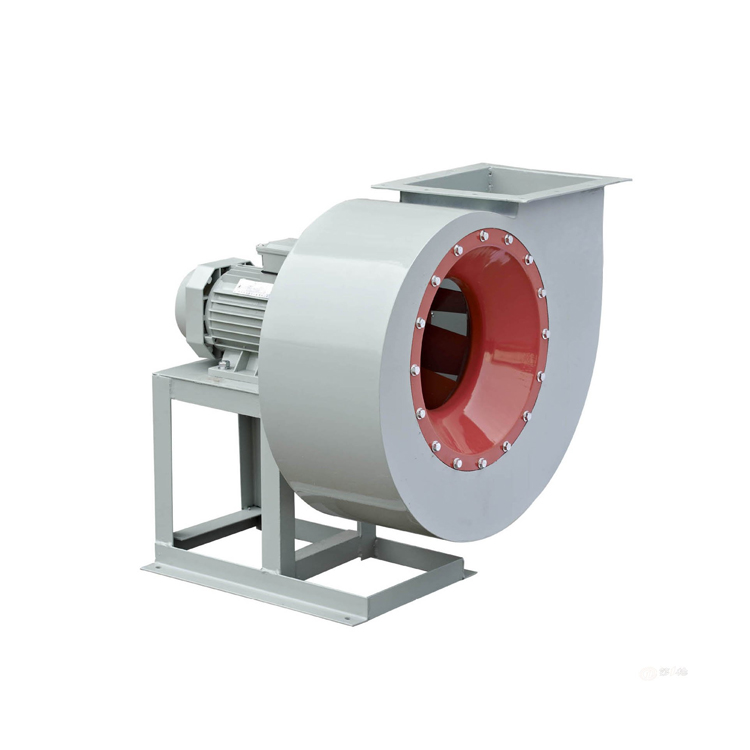
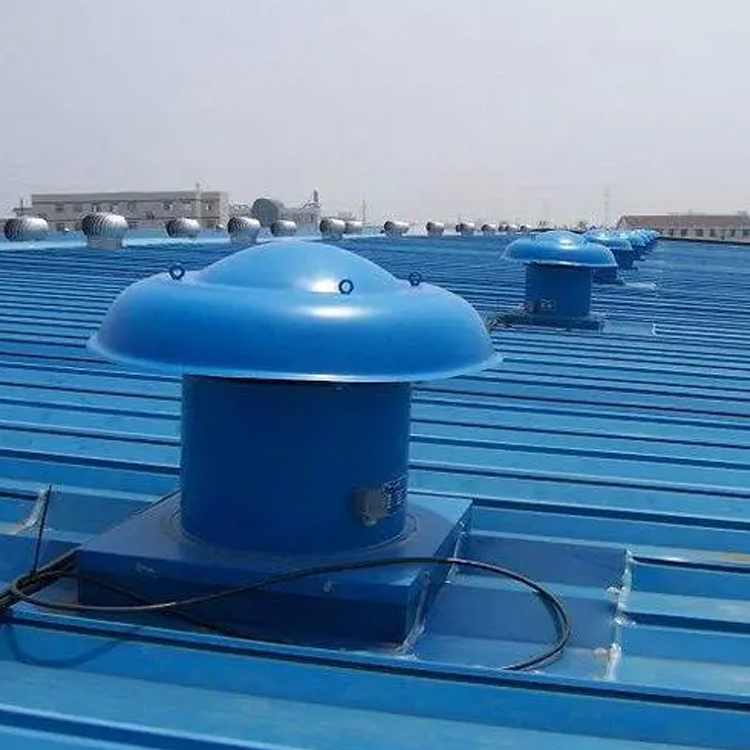
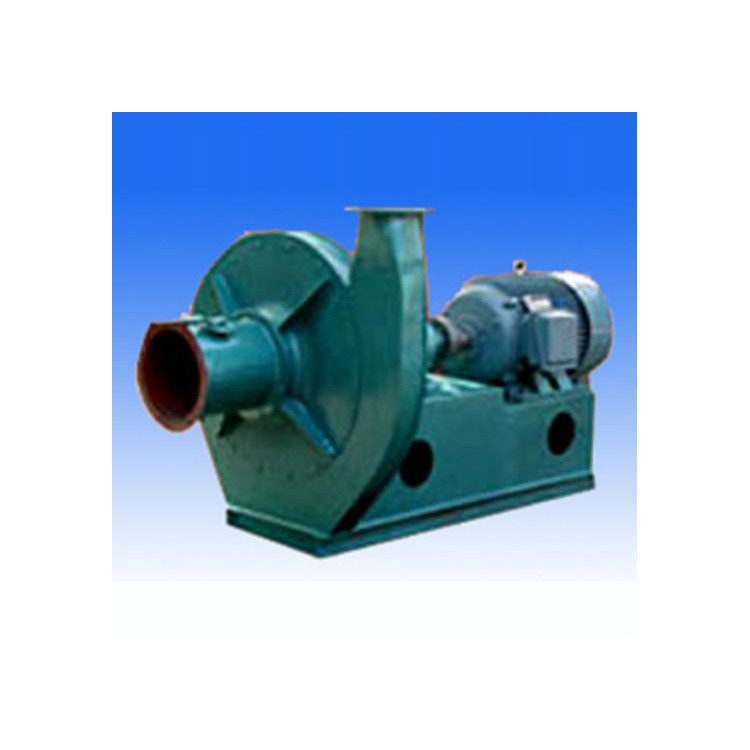
The main structure of the boiler fan is as follows:
Impeller: Generates head pressure, transfers energy.
Shell: Collects gas from the impeller and directs it towards the exhaust outlet, converting part of the gas flow's kinetic energy into pressure energy.
Inlet air door adjustmentAdjust the output of the regulating machine, isolating the equipment from the system. (Also known as a flow controller; some use variable frequency technology, hydraulic couplings, and regulators to adjust output.) Main shaft: Transmits torque.
Bearings: Support the radial and axial loads of the rotor, restricting the radial and axial movement positions of the rotor.
Backrest Wheel: Connects to the motor, transmits shaft power
Impeller: Ensures uniform airflow filling the impeller inlet cross-section with minimal loss.
Bearings Housing: Mounts bearings, fills with lubricant.
Boiler fan operating principle:
As the impeller of a centrifugal fan rotates under the power of an electric motor, the gas filled between the blades rotates along with the impeller. Under the action of centrifugal force, the gas is ejected from the slots between the blades and is transported out through the outlet of the impeller. When the outflow of gas creates a vacuum in the space of the impeller, external gas automatically enters the impeller to supplement it. Due to the continuous operation of the fan, which draws in and expels gas, a continuous flow of gas is formed, thus creating a continuous working process.
There is no difference in the function of exhaust fans from the perspective of the fan itself; they both rotate the fan blades to produce wind with the help of an electric motor. Although they are more complex than electric fans, they are fundamentally the same. The different functions of the fans are determined by their installation locations; the former is at the rear of the boiler, blowing air into the smoke channel outside the boiler, creating a negative pressure in the furnace and guiding the flue gas, hence the name "exhaust fan." Conversely, the latter is located at the front of the boiler, blowing air into the boiler, and is therefore called a "blower."