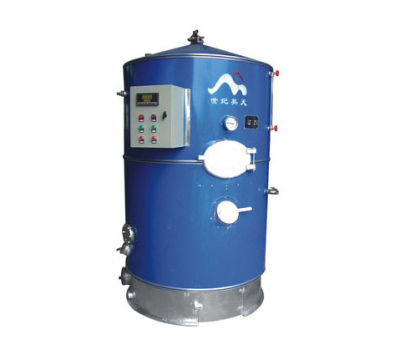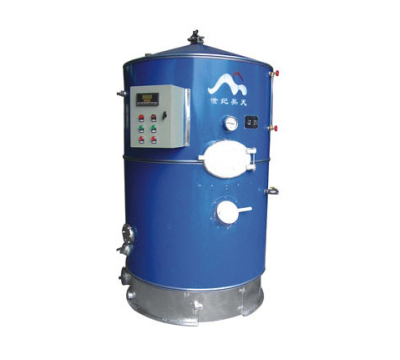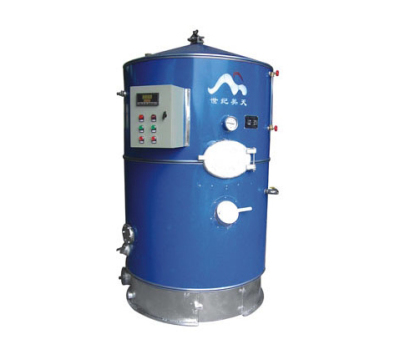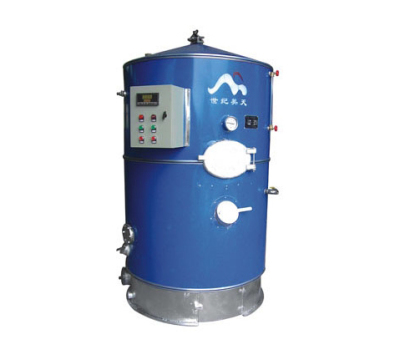
I. Product Introduction 1. Environmental Protection: No smoke emitted, no carbonation or reduction reactions, eliminating dust pollution. The boiler's exhaust is transparent during operation (a small amount of white vapor may be released temporarily when certain coal types are shut down, but it is not smoke). Harmful gases and substances are burned and utilized, overcoming the challenge of incomplete combustion in chemistry. 2. Energy Saving: ① Large heat exchange area and long path with W-resistance dead-end chamber, ensuring full energy utilization; ② Low flue gas velocity, reducing heat loss; ③ Volatile heat is no longer wasted (traditional furnaces cannot fully utilize it), achieving energy enhancement and nearly halving the coal cost. 3. Dust-Free: Static combustion, with dust not easily rising. When flame-carrying dust (extremely rare) passes through the W channel, it naturally falls due to gravity and centrifugal force, cannot be discharged, and the chimney does not spew dust (no dust removal equipment is needed, no additional costs); dust emission is lower than that of oil and gas boilers. 4. Convenience: Equipped with a coal storage bin, coal is loaded and unloaded, and ash and dust are cleaned in one go. 5. Cost-Effective: No restrictions on coal types, saving funds, and economically advantageous.沫煤 and lump coal (below 8 cm) utilization ratio: 1:2 in summer, 2:3 in winter. 6. Fast Ignition and Long Ashing Time. 7. Structure: The technology of the environmentally friendly and energy-saving atmospheric pressure hot water boiler using coal combustion is completely different from existing boiler technologies. It features an inclined furnace chamber, wind window, coal storage bin, W channel, and three-level air control for temperature regulation. 8. Working Principle: In the coal storage bin, fuel slowly descends under gravity to supplement the combustion layer. It maintains preheating, gasification, combustion, and ash cooling at all levels. Strong heat is exchanged in the low-temperature area at the bottom of the boiler, with a 180-degree three-pass heat exchange. 9. It is an atmospheric pressure boiler, no need for a boiler operation permit or operator's qualification.