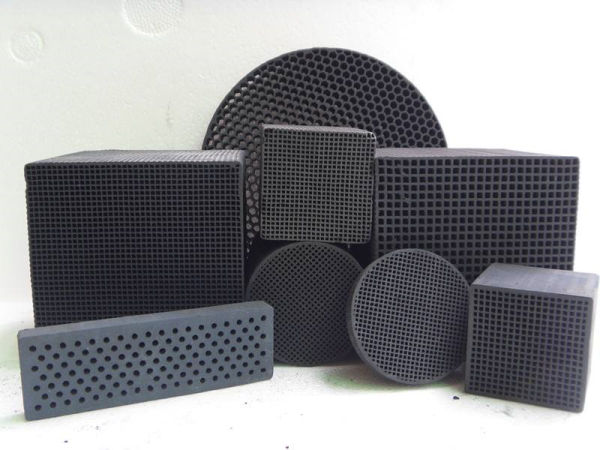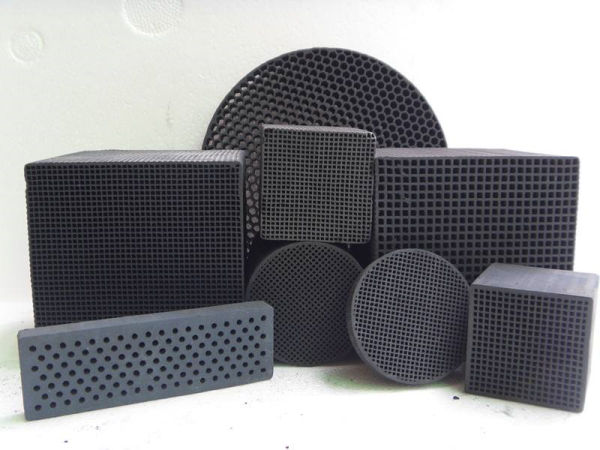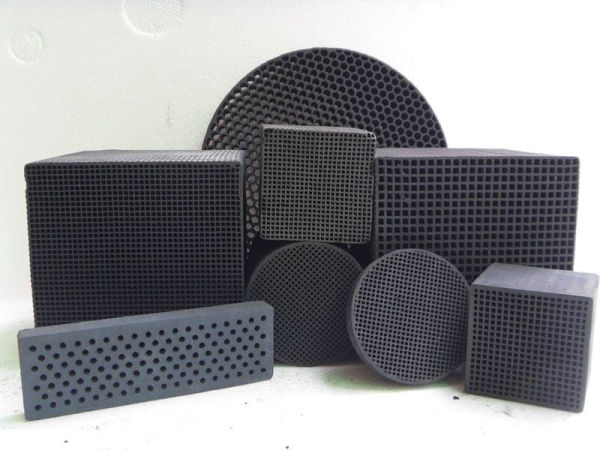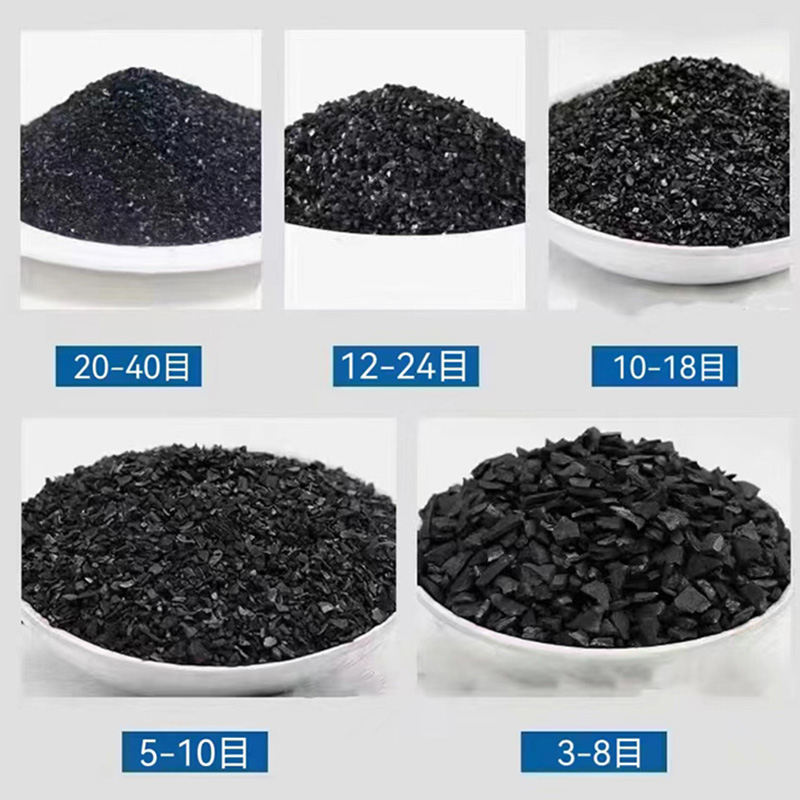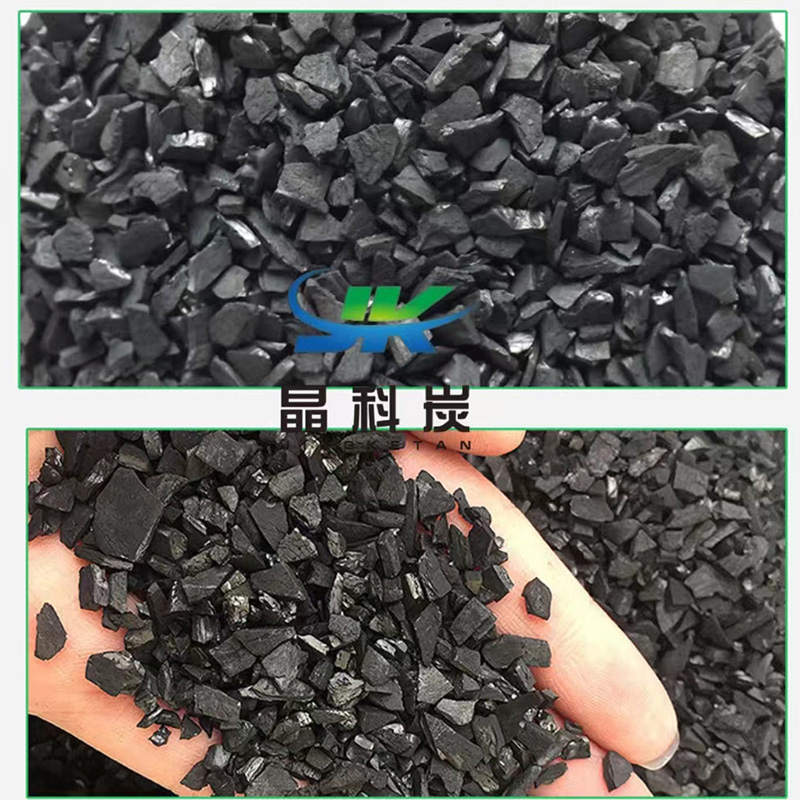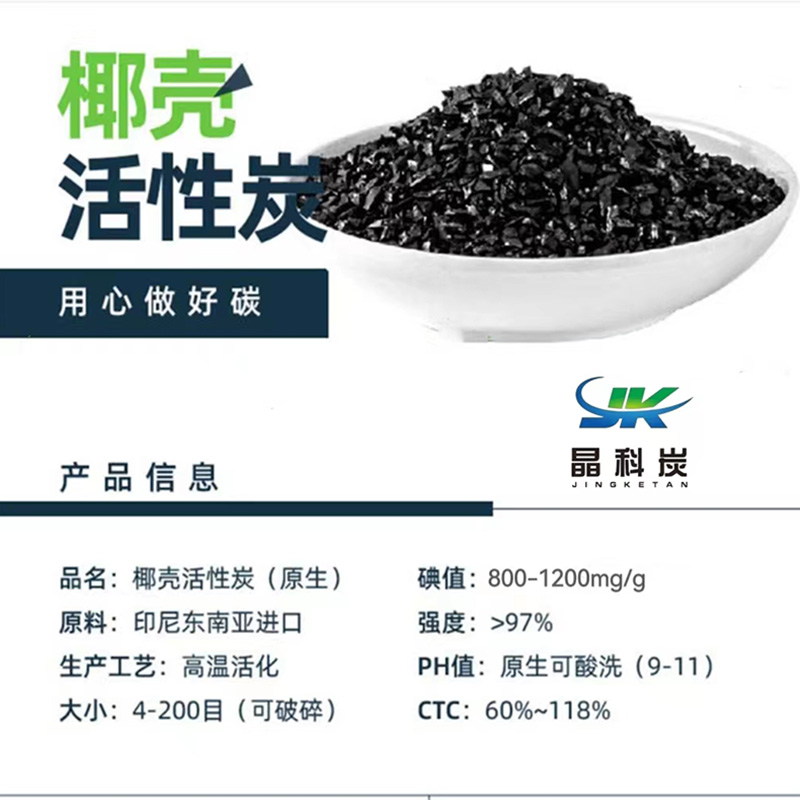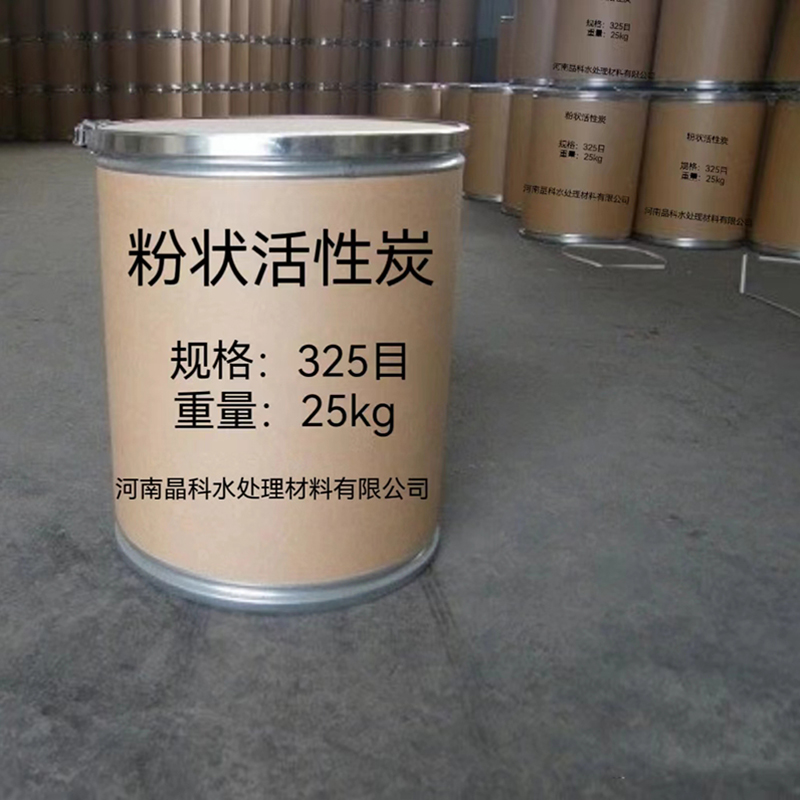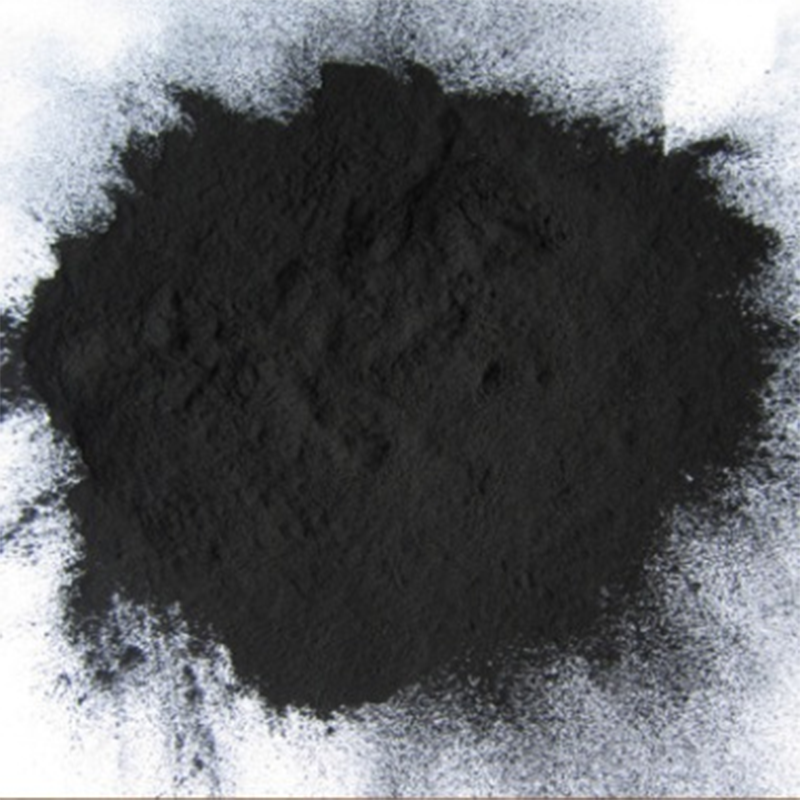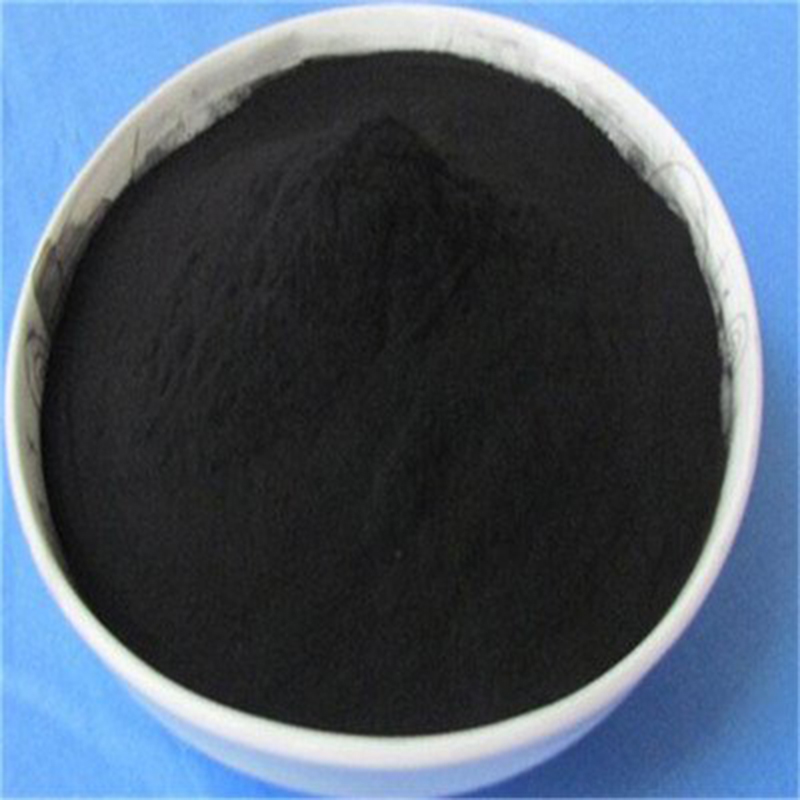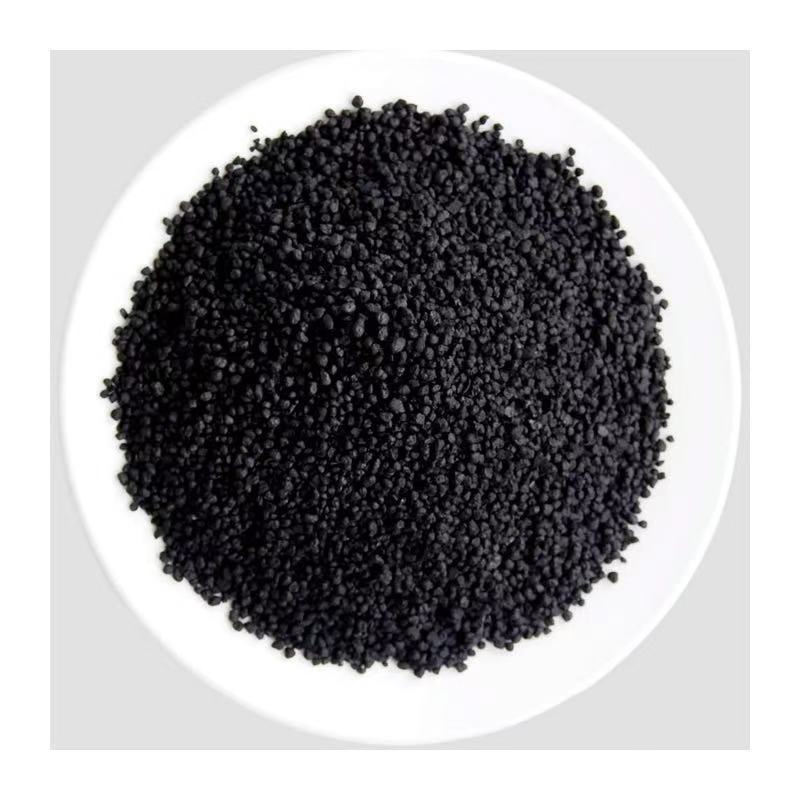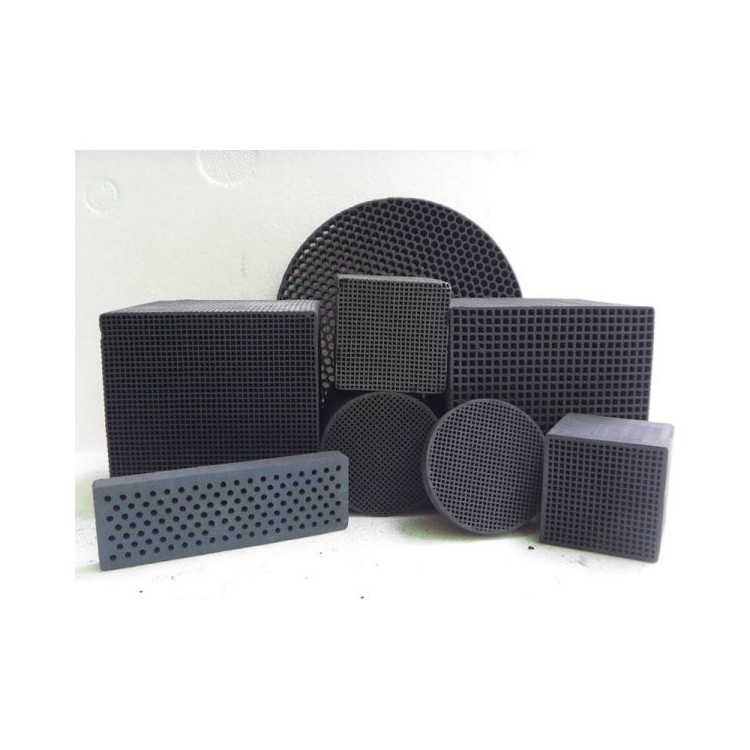

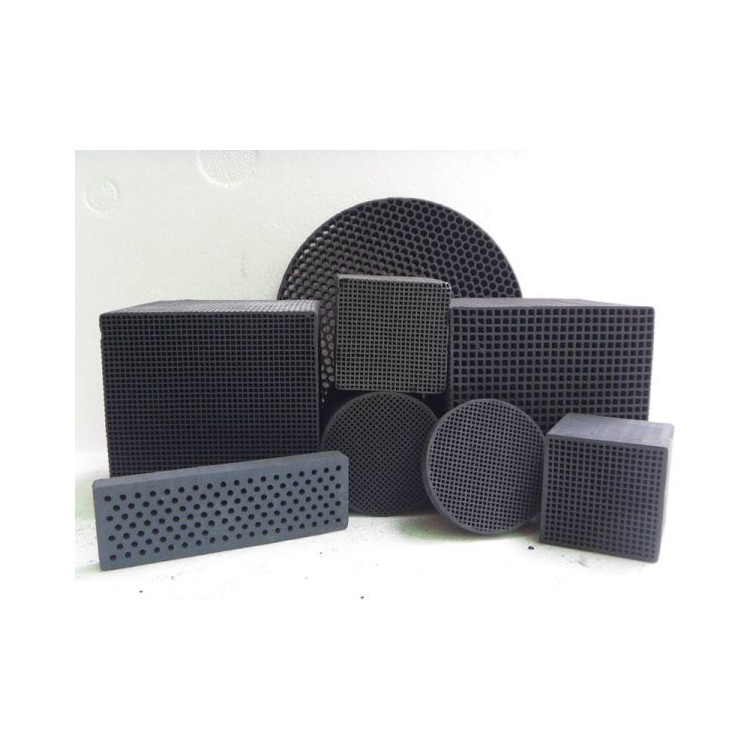
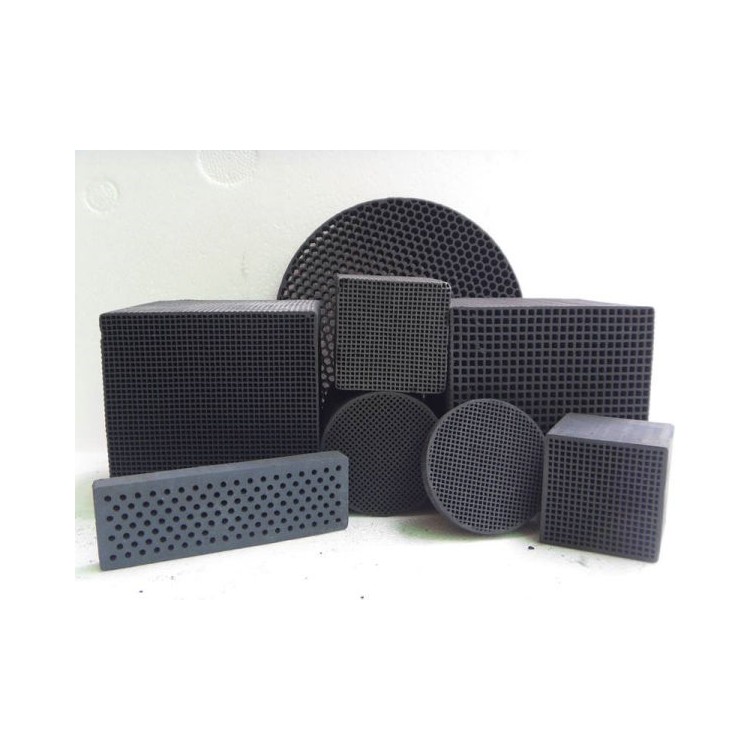


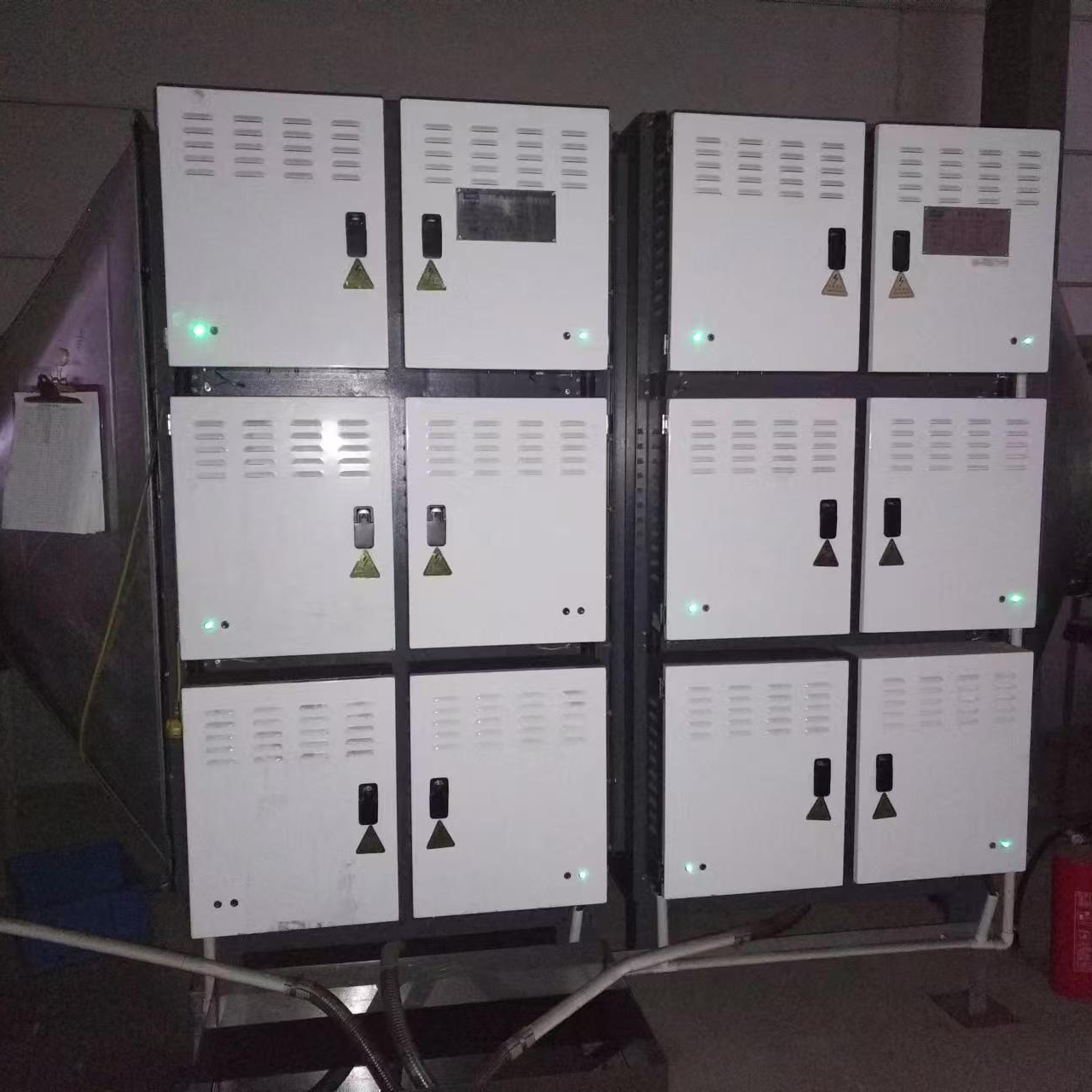
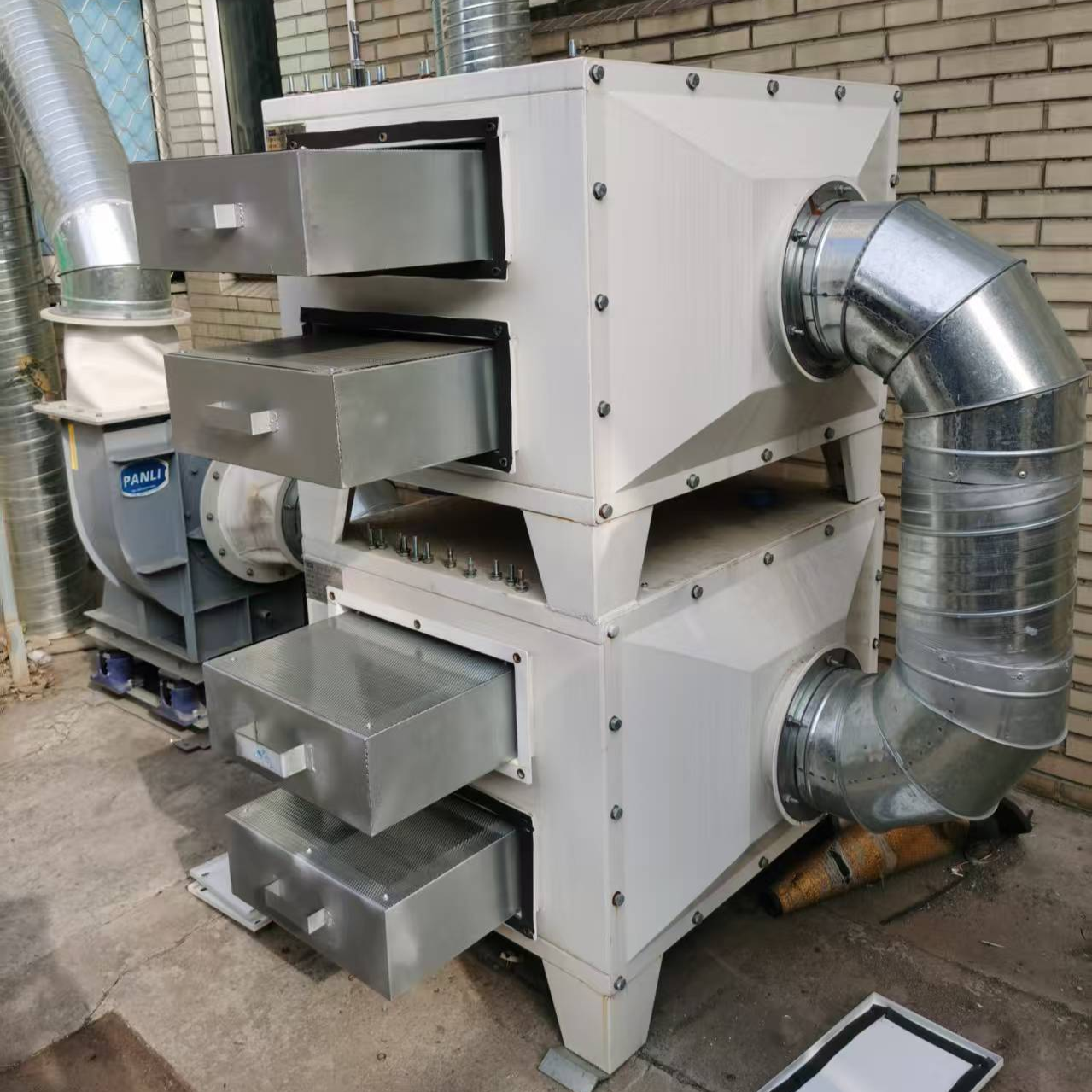
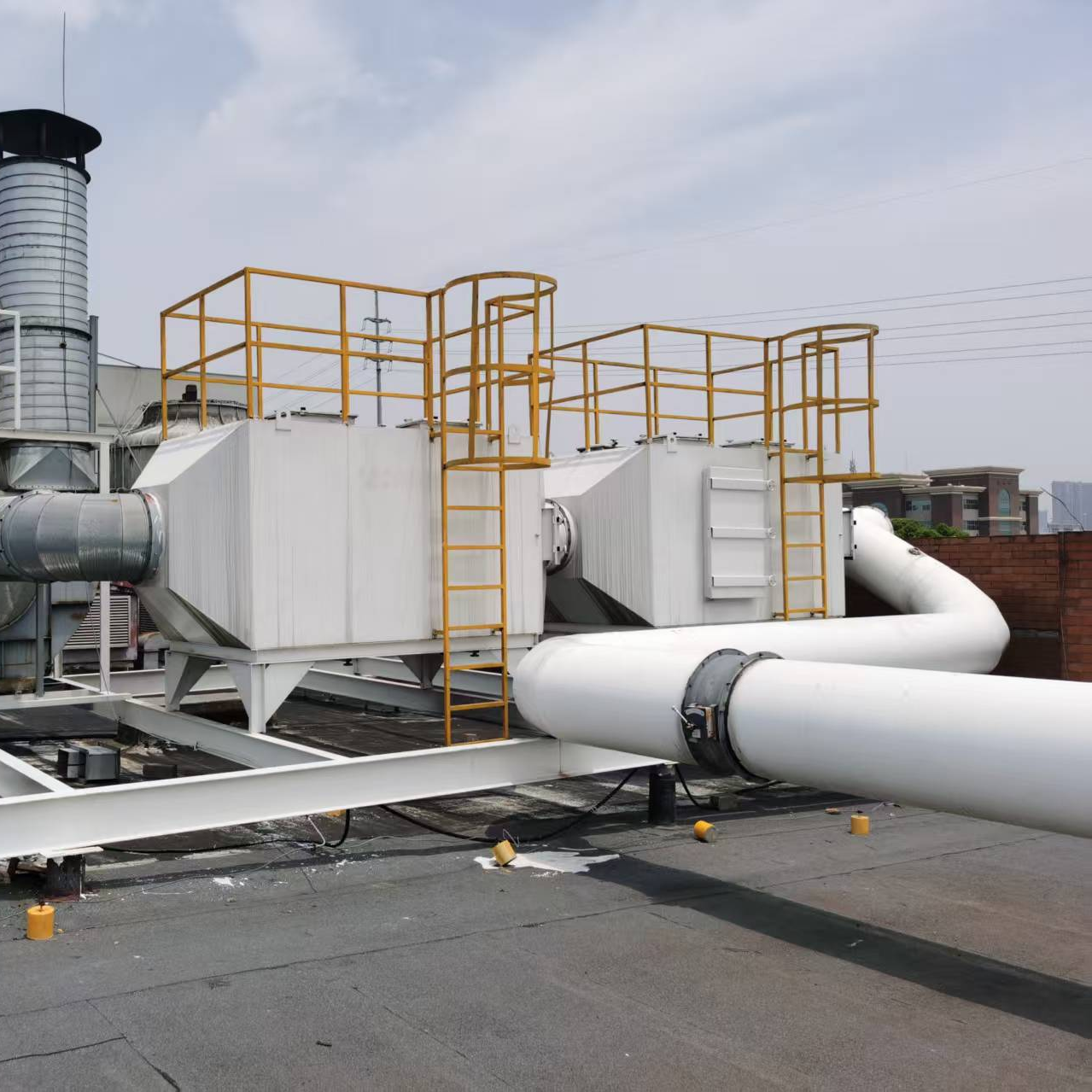
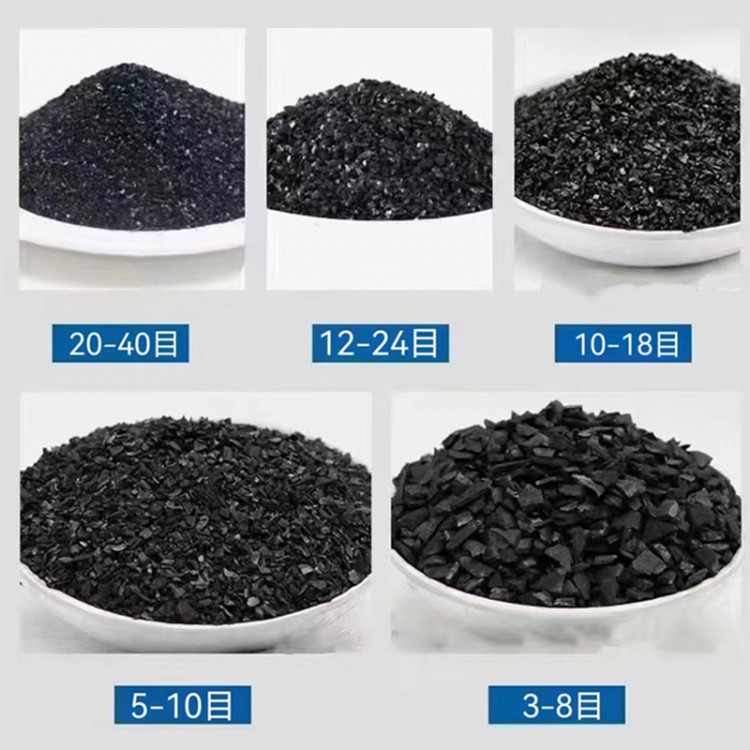
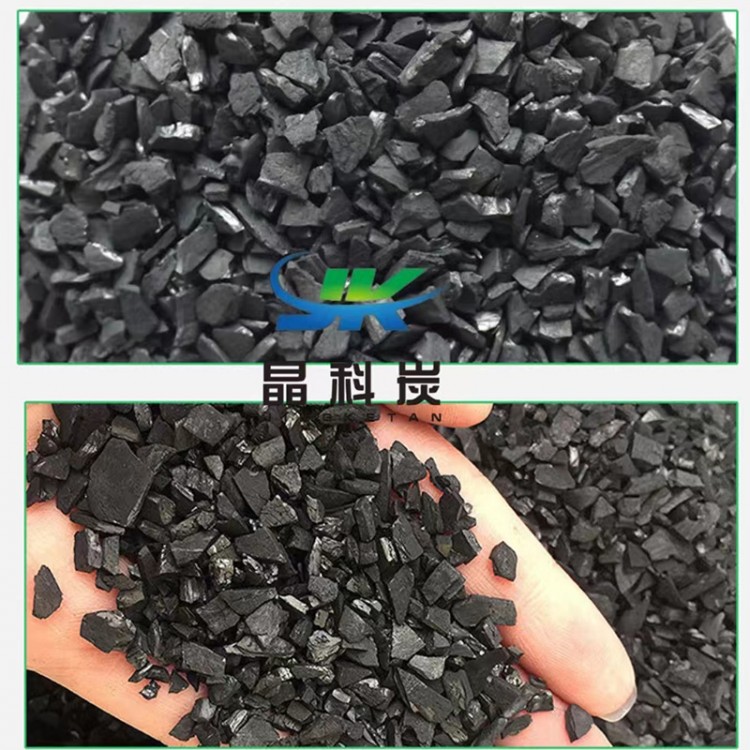





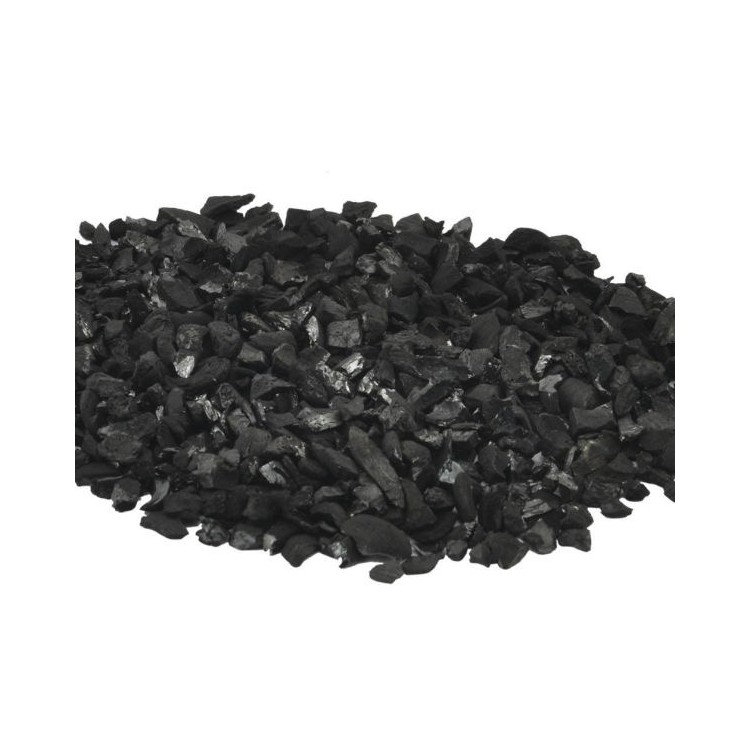
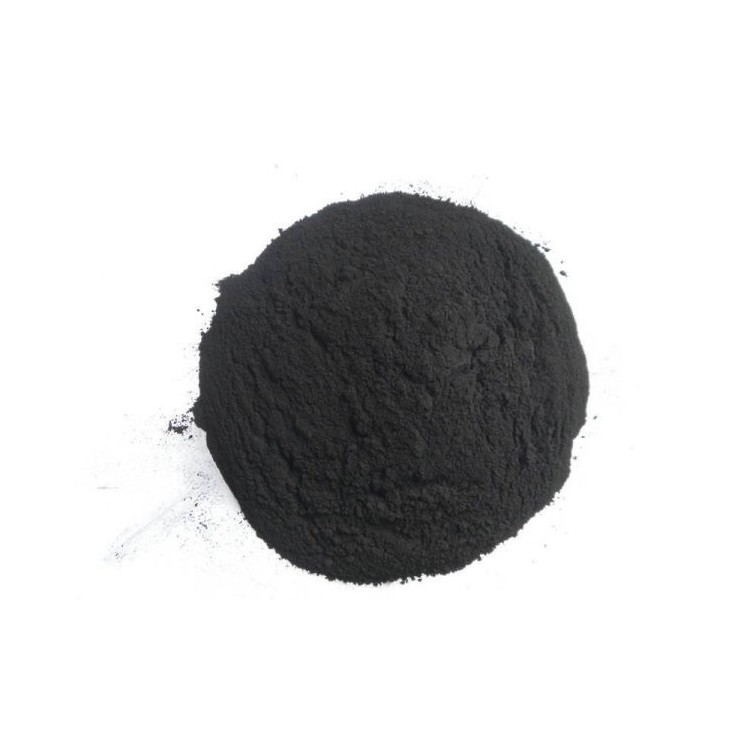
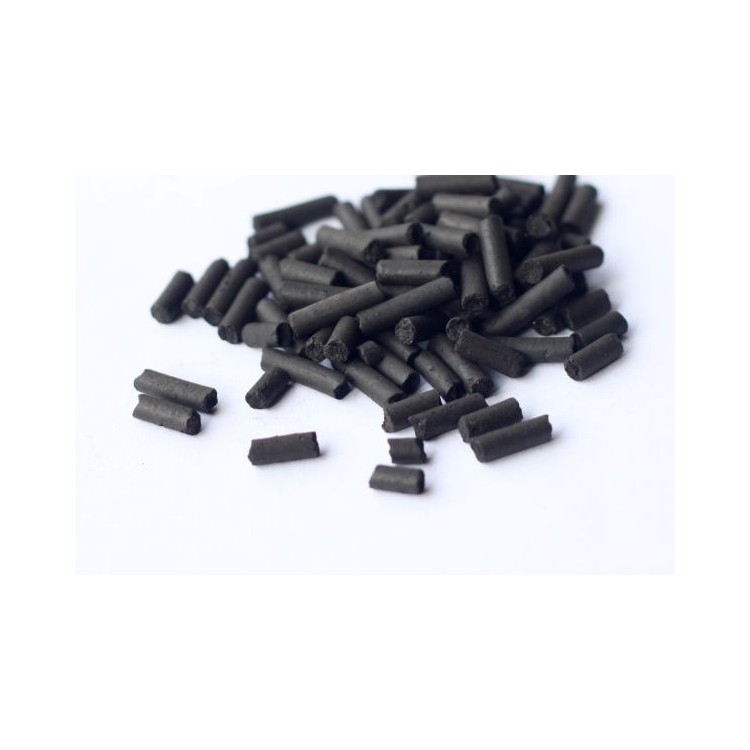
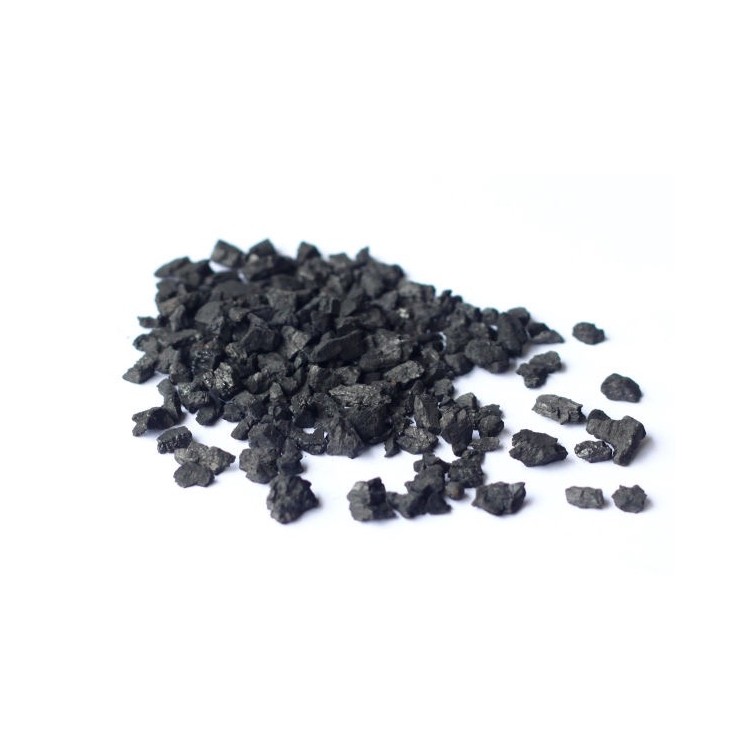
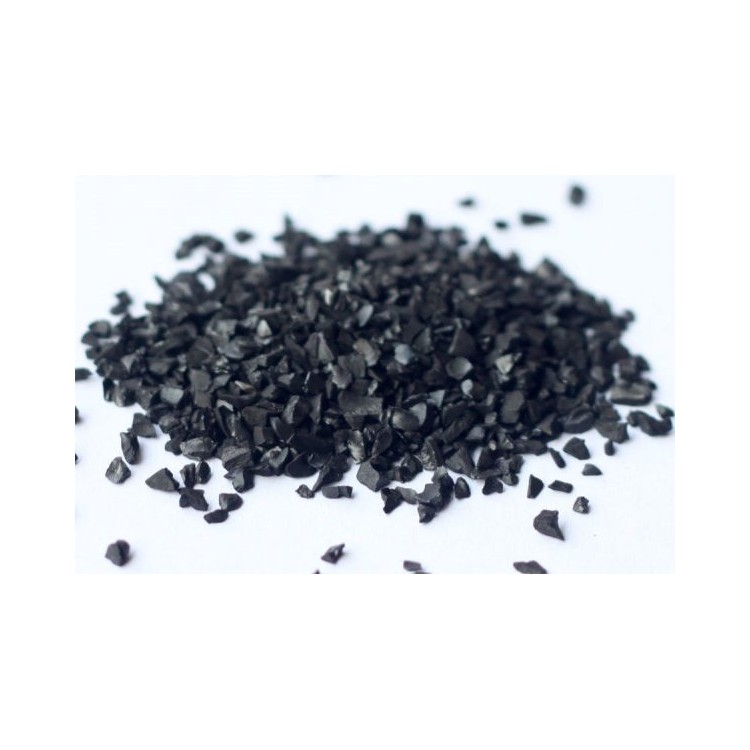
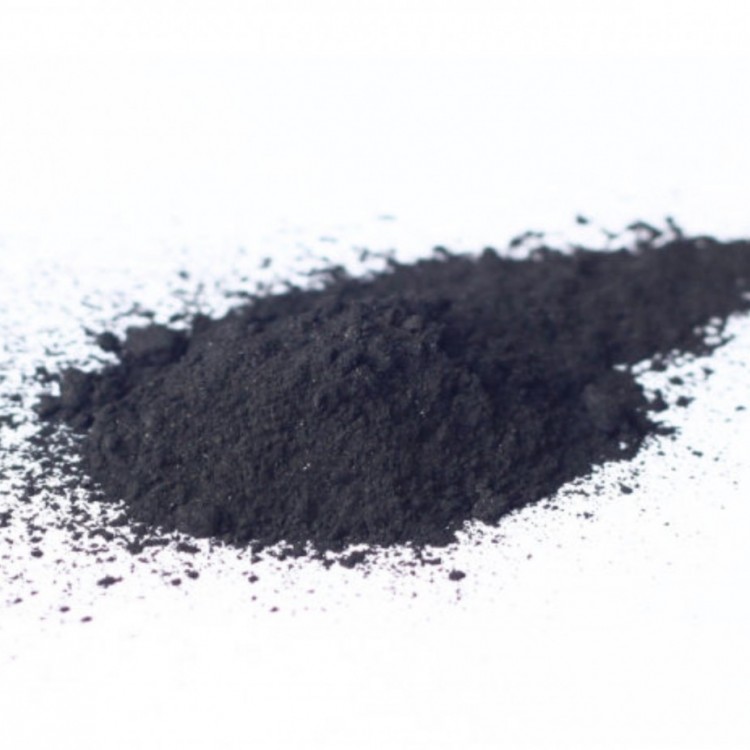
Honeycomb activated carbon is made from coal-based activated carbon, formed by pressing through honeycomb molds and then activated through high-temperature burning. It boasts features such as a large specific surface area, low through-pore resistance, well-developed micropores, high adsorption capacity, and long service life, making it widely used in air pollution control. The honeycomb activated carbon adsorption method involves contacting waste gases with highly porous activated carbon with a large surface area, where pollutants in the waste gases are adsorbed, thereby achieving purification. Pollutants that can be removed to varying degrees using honeycomb activated carbon include nitrogen oxides, carbon tetrachloride, chlorine, benzene, formaldehyde, acetone, ethanol, ethyl alcohol, acetic acid, esters, phenyl, light, and malodorous gases, among others.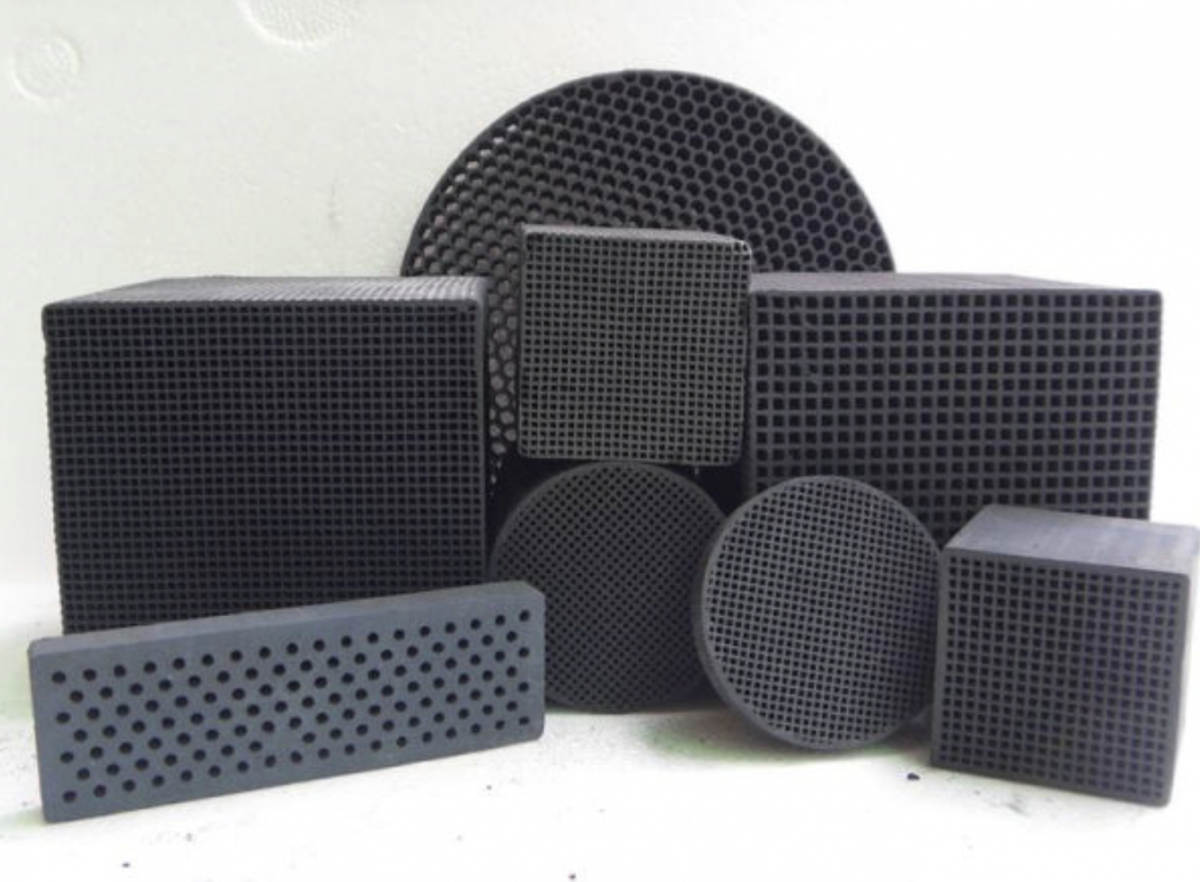
WeChat Official Account

Scan to follow Official Account