









23-passenger sightseeing bus, a shuttle bus used for scenic areas, industrial parks, convention centers, airport and train stations shuttles, etc.
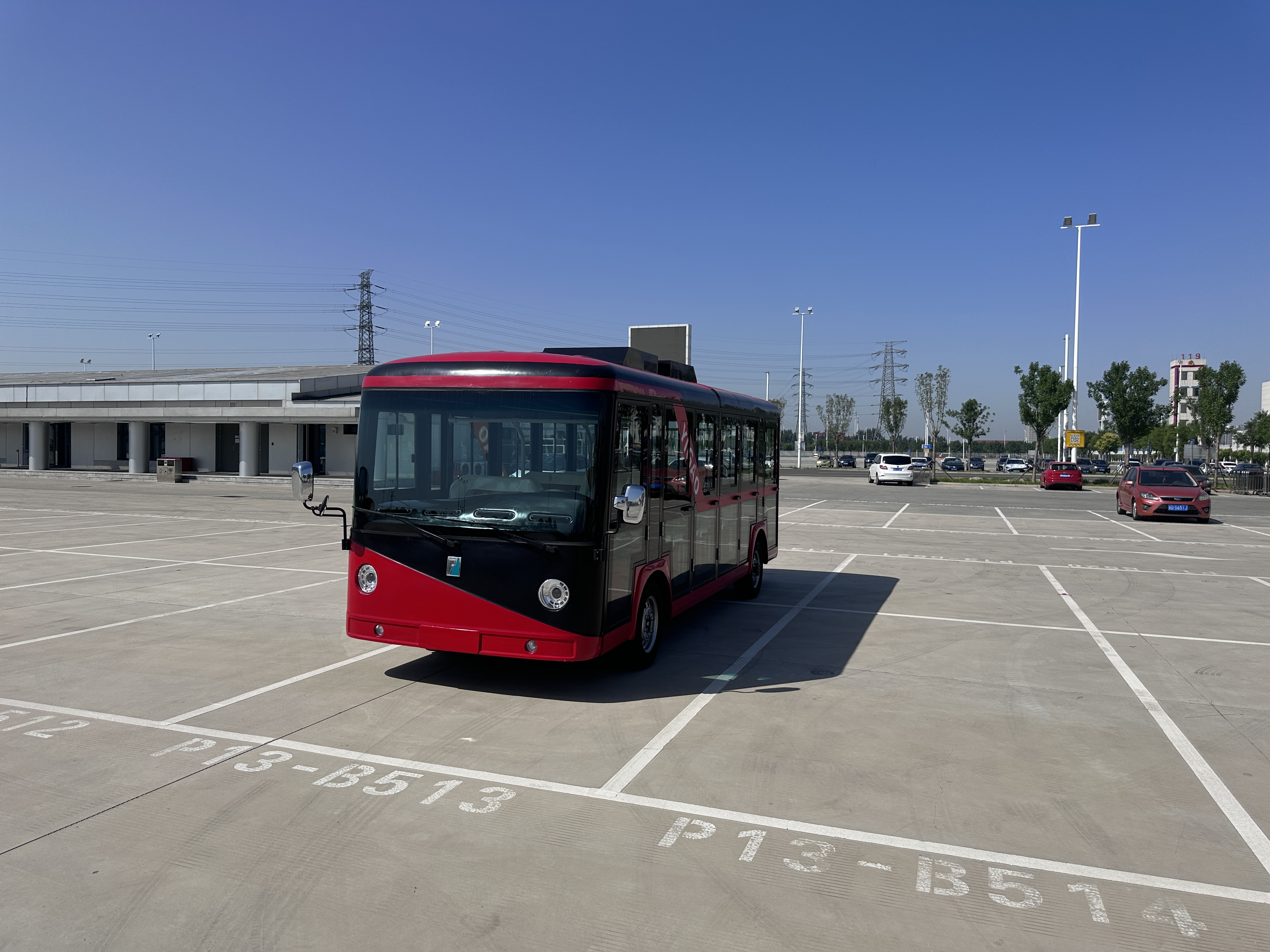
23-Seat Gasoline Tour Vehicle Purchase Procedures
One. Apply to the transportation department for operation.
Register the company with the Industrial and Commercial Administration.
3. Apply for a factory or park permit at the department; or consider collaborating with the Development Zone Management Committee; having them take the lead in the application process may be more straightforward.
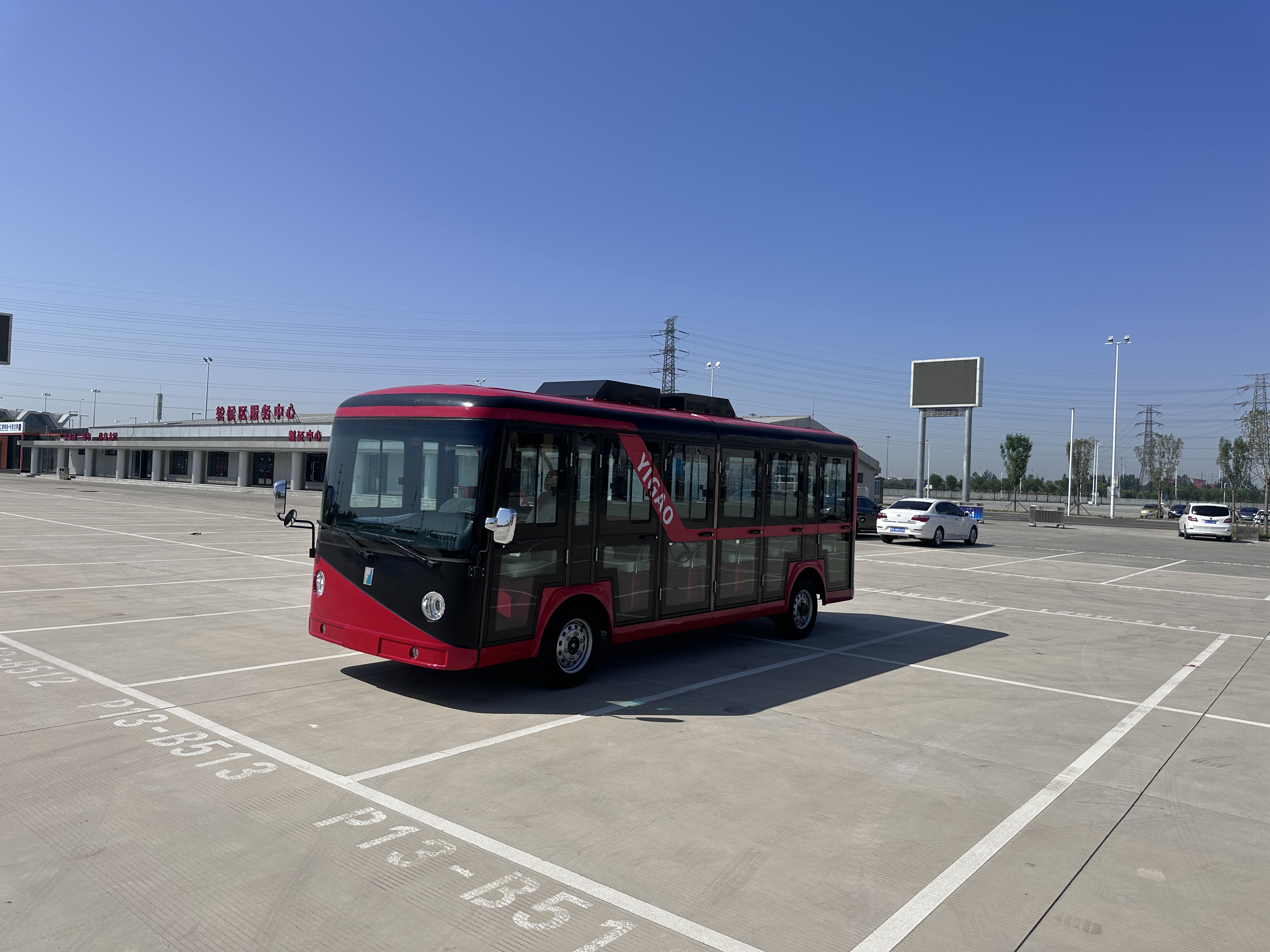
Common Maintenance Tips for the Sightseeing Car Braking System
When the handbrake is not functioning properly, adjust the bolt for the handbrake cable connection point.
Regularly check the brake fluid reservoir's level; add fluid immediately if it falls below 1/3; the reservoir is typically located in the upper left corner of the dashboard or inside the seat frame.
Brake softness or unresponsive brakes require timely adjustment of the brake clearance and bleeding the air from the brake lines.
Adjust the gap between the brake shoes and brake drums within the brake unit to correct brake pull.
Regularly inspect the brake line and the fixed points of the chassis for any signs of detachment or friction, and promptly take protective measures if any issues are found.
2-6-seater vehicles require regular inspection of the brake line connection for looseness and wear. Adjusting the brakes can be done directly by adjusting the threads on the brake pull rod connected to the brake pedal.
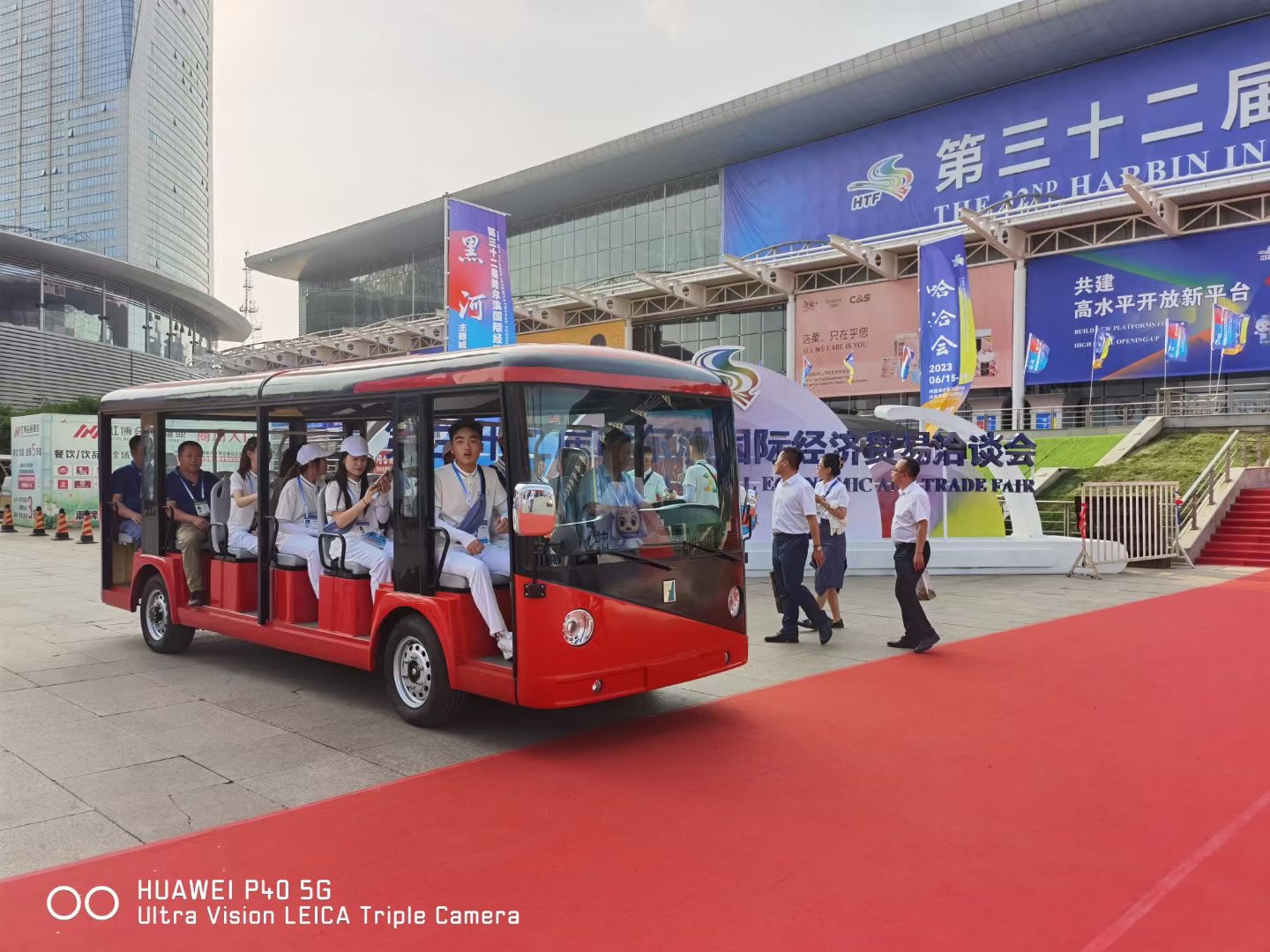
23-passenger sightseeing vehicles, a type of shuttle bus, featuring a personalized control system, flexible steering, comfortable handling, lightweight and smooth operation, easy driving, electric for recyclable use, and long lifespan. These vehicles are widely used in hotels, scenic areas, real estate viewing cars, factories, airports, train stations, bus stations, docks, parks, and other locations.
Tianjin Yigaodao Electric Vehicle Technology Co., Ltd. adheres to the principle of caring for personal development and the relationship between humans and nature, values rational contemplation of science and technology, humanities, life, and nature, and aspires for harmony with society and nature. We demonstrate this through our business operations, explaining the unity between science and technology and humanities, actively promoting low-carbon and environmental protection activities, and striving to become a qualified corporate citizen as society expects.













