









23-seater electric sightseeing vehicle, a shuttle with a personalized control system, offering flexible steering, comfortable handling, lightweight and smooth operation, easy driving, recyclable electric usage, and long lifespan. Widely used in hotels, scenic spots, property viewing cars, factories, airports, train stations, bus stations, harbors, parks, and other locations.
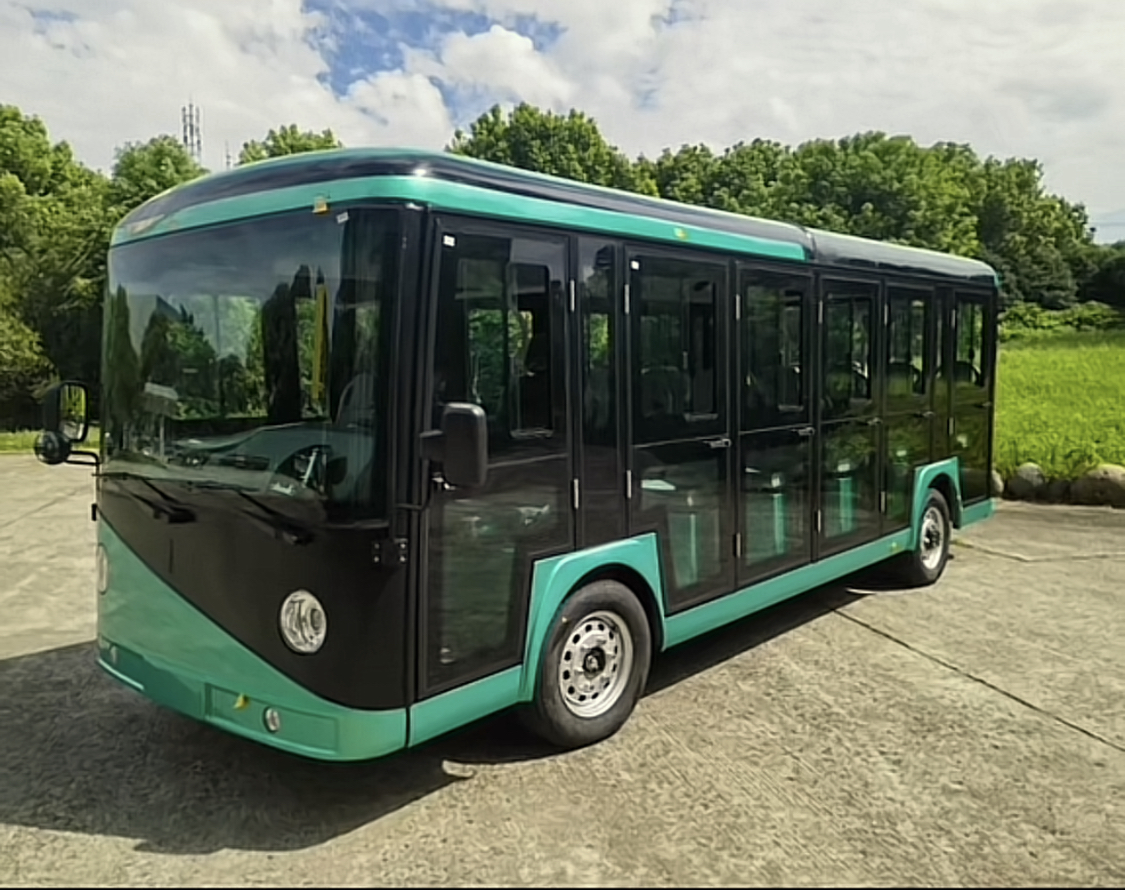
When purchasing, have the seller and the buyer operate according to the instructions. Check if the speed control function, hub sound, and braking performance are good. The wheel should rotate smoothly without any resistance. The controller's battery display should be normal, and the gear shift should be smooth. There should be no jarring sensation when starting, and the hub rotation sound should be soft. The exterior paint and plating should be bright without any peeling.
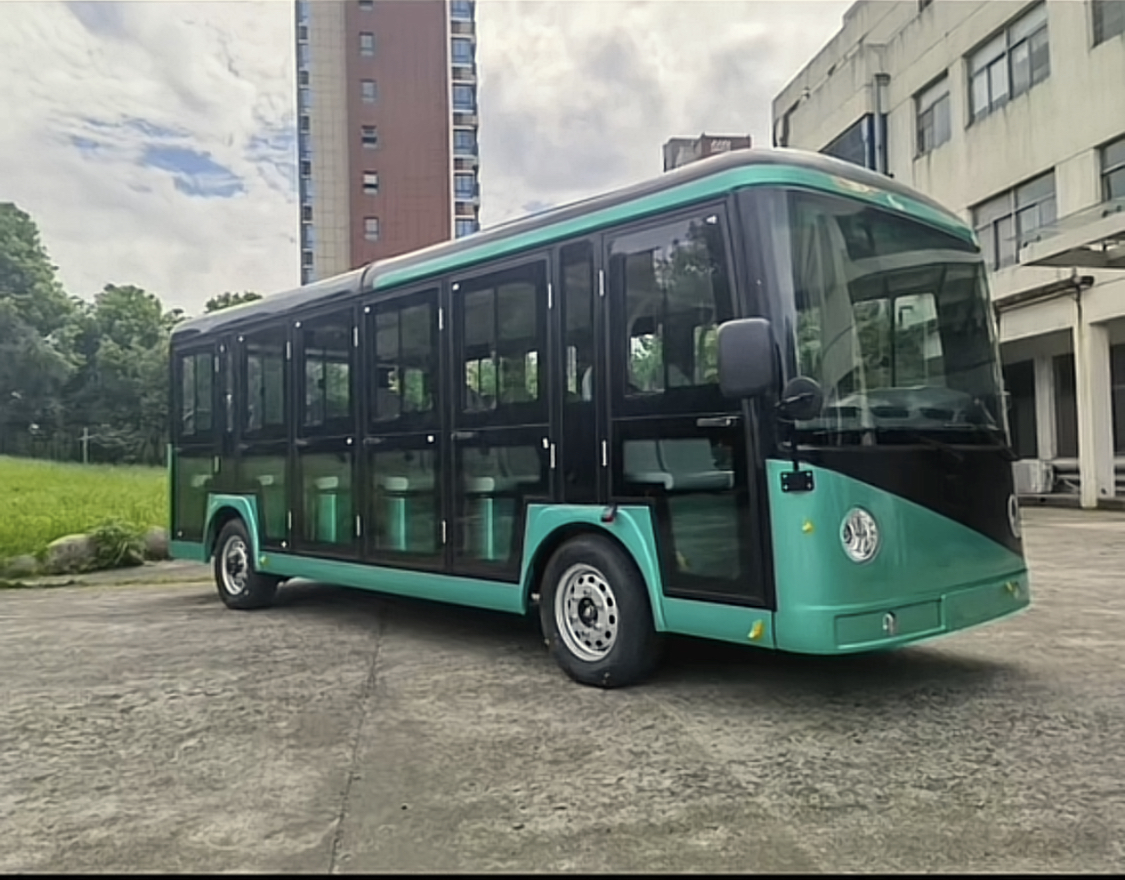
Basic Maintenance Tips for the Braking System of a 23-Seat Tour Bus
When the handbrake is not functioning properly, adjust the bolts at the junction of the front and rear handbrake lines.
Regularly check the brake fluid reservoir's level. Refill immediately if the fluid level falls below 1/3. The reservoir is typically located at the upper left corner of the dashboard or inside the seat frame.
Brake softness or poor braking response requires timely adjustment of the brake clearance and bleeding air from the brake lines.
The brake bias can be adjusted by altering the gap between the brake shoes and brake drums within the brake mechanism.
Regularly inspect the brake line and its attachment points on the frame for any signs of detachment or friction, and promptly take protective measures if any issues are found.
2-6 seater vehicles require regular inspection of the brake line connection for looseness and wear. Adjusting the brakes can be done by directly adjusting the threads on the brake pull rod connected to the brake pedal.
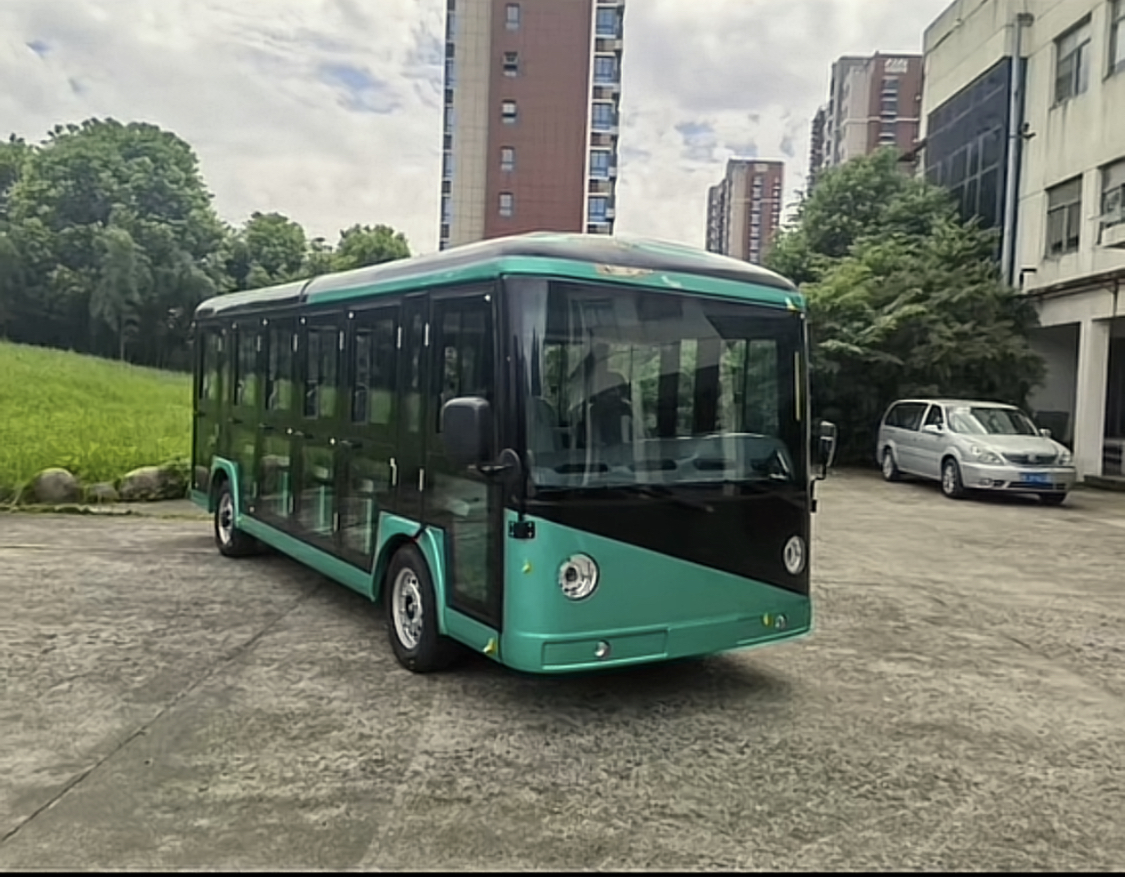
Common issues and maintenance for the rear axle of a 23-seater sightseeing vehicle
1. Mismatched mesh marks on the spur gears and side clearances, as well as excessive bearing wear on the gears, can all cause abnormal noise.
2. Excessive bearing preload, too small gear mesh clearance, incorrect mesh marks, and insufficient lubricant can all cause abnormal heat generation. It should be promptly rectified before the vehicle is allowed to depart.
3. Regularly inspect the tightness of all connection parts. If loose, tighten immediately to prevent accidents.
4. Regularly inspect for any oil leakage at all connection points, and address any issues promptly.
5. Regularly clean the external soil from the vent plug to keep the air holes unobstructed. Frequently check the lubricant level; it should not be excessive or insufficient.
6. Squealing noises from the rear axle during vehicle operation are mainly due to the following reasons:
Half shaft bearing damage, replace the bearing.
Insufficient gear oil quantity or long-term use of gear oil may lead to oil quality deterioration. Add gear oil or replace the original gear oil, and inject new gear oil as specified in the manual along with the recommended quantity.
Damaged or leaking rear shock absorber, replace with new shock absorber.
Tianjin Yigaodao Electric Vehicle Technology Co., Ltd. actively upholds the belief in humanistic technology with love, pursuing and growing amidst the rhythm of love and unity.













