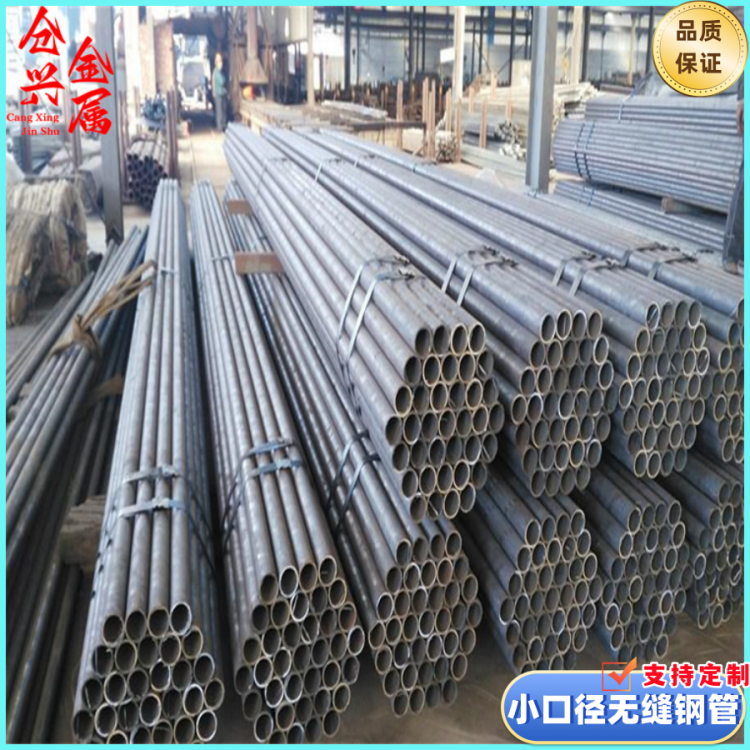













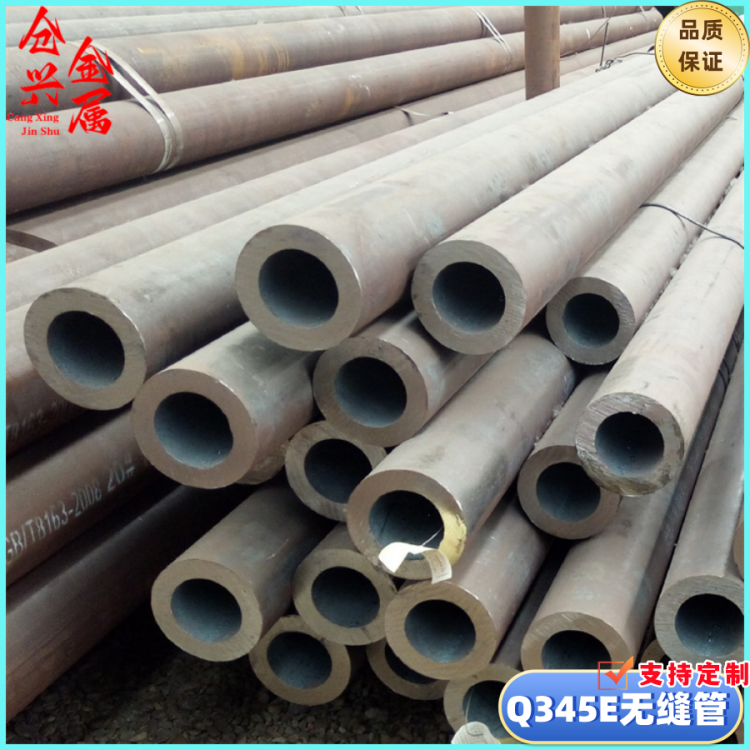
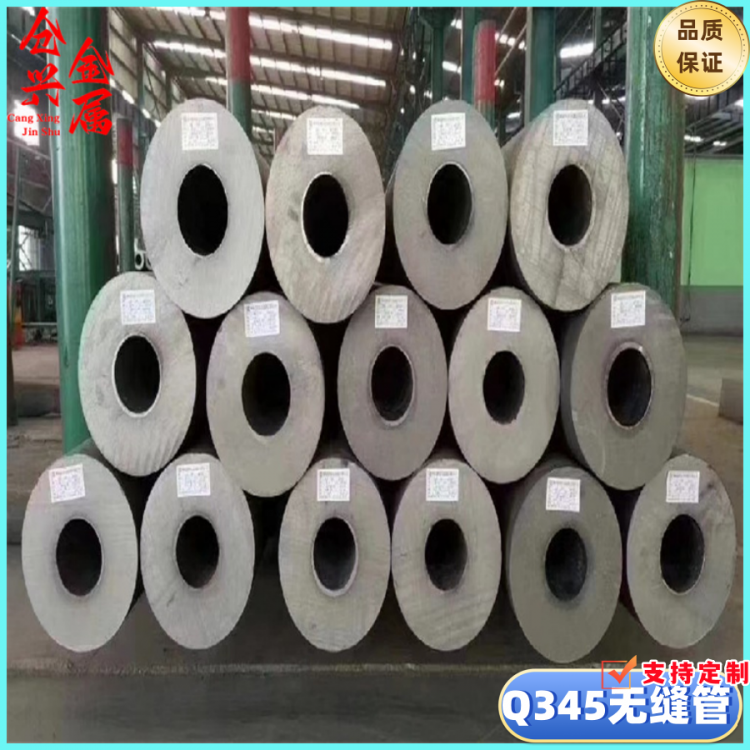
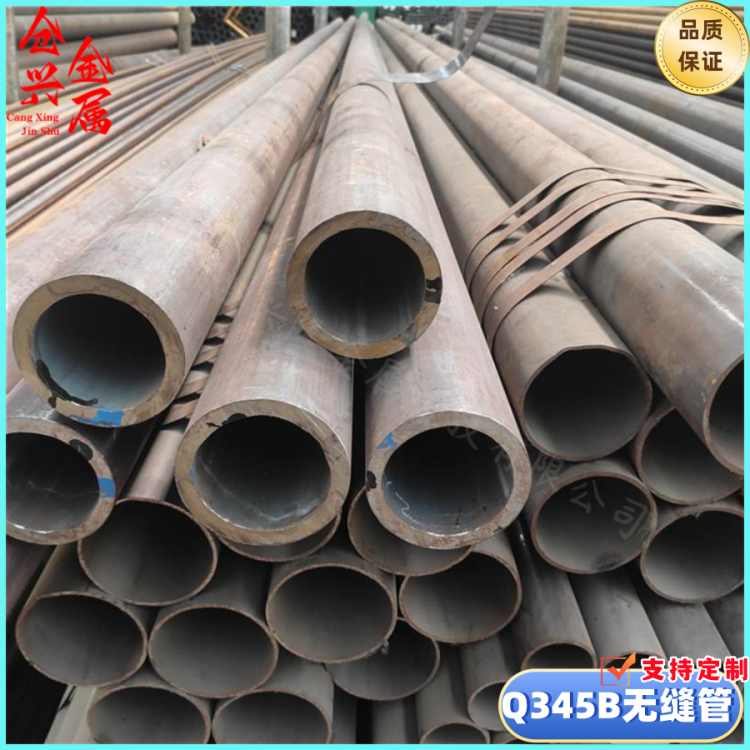
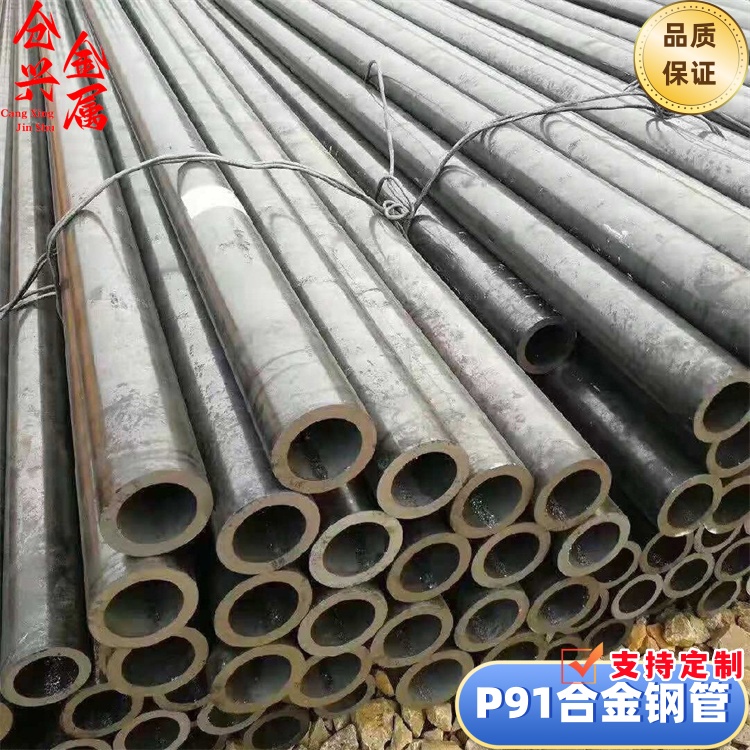
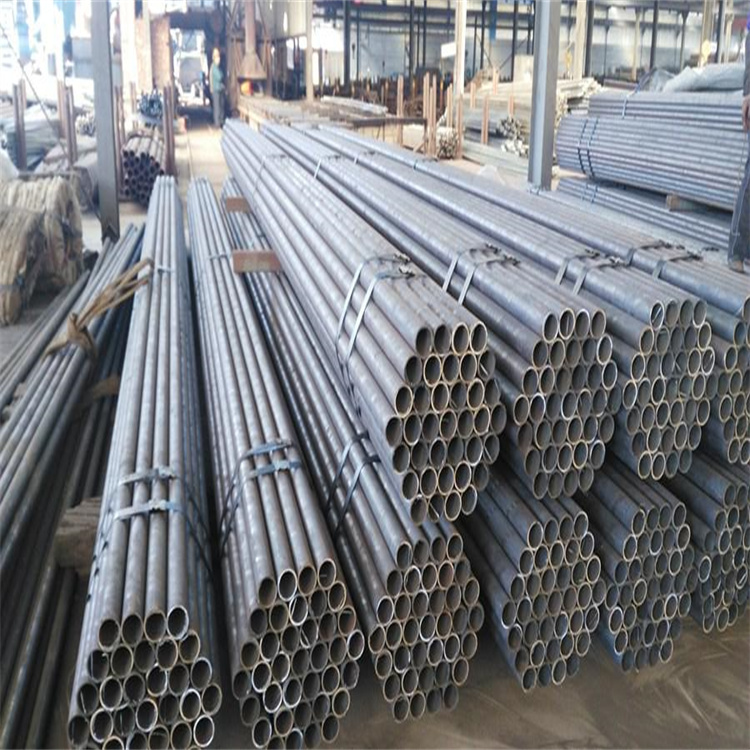
Low-quality thick-walled seamless steel tube materials contain a high amount of impurities, with the density of the steel being slightly lower and severe size deviations. Therefore, it can be weighed and verified without a caliper. Low-quality thick-walled seamless steel tubes lack metallic luster and appear in a pale red or similar gray cast iron color due to two reasons: the billet is made of earthenware. The temperature control for rolling low-quality materials is irregular, and their steel temperature is estimated visually, which makes it impossible to roll according to the regular Austenite area, and thus the functional quality of thick-walled seamless steel tubes cannot be guaranteed. The surface of low-quality thick-walled seamless steel tubes is prone to scaling. The reasons are twofold: 1) The material is uneven and contains a lot of impurities. 2) The guide devices of low-quality material manufacturers are rudimentary, leading to simple sticking of steel, and these impurities are prone to cause scaling after biting the rolling rolls. Good thick-walled seamless steel tubes have uniform composition, with high-tonnage cold cut machines, resulting in smooth and regular cutting ends. In contrast, due to poor material quality, the cutting ends of low-quality materials often exhibit meat loss, meaning unevenness, and lack metallic luster. Moreover, because low-quality material manufacturers produce fewer cutting ends, the ends will show large ears. The cross-section of low-quality thick-walled seamless steel tubes is elliptical due to manufacturers saving materials by having excessive reduction in the first two passes of the finished rolling process. This significantly reduces the strength of the threaded steel and does not comply with the standard specifications for threaded steel shape. Low-quality thick-walled seamless steel tubes are prone to cracking on the surface due to the earthenware billet, which has many pores. During the cooling process, the earthenware is subjected to thermal stress, causing cracks, which then become visible after rolling.