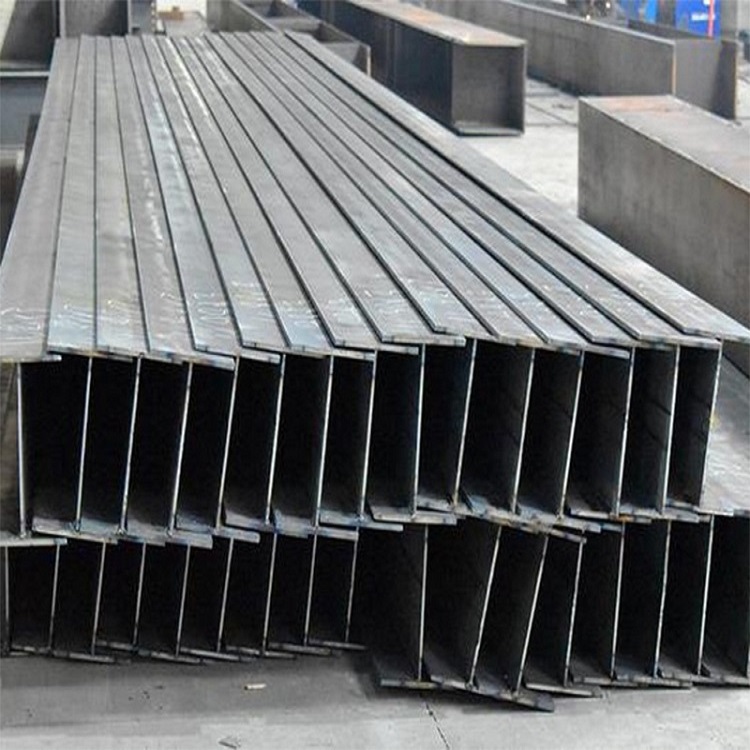
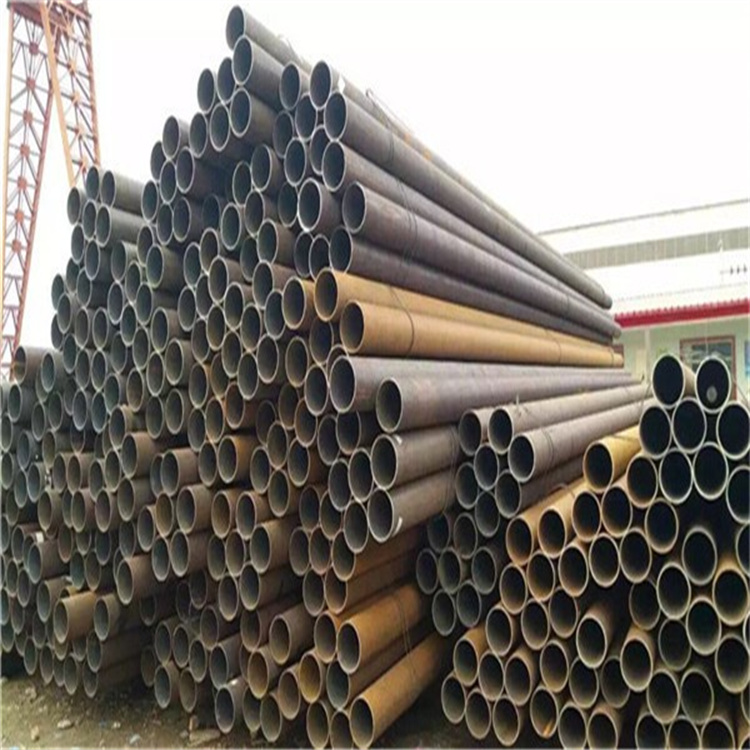
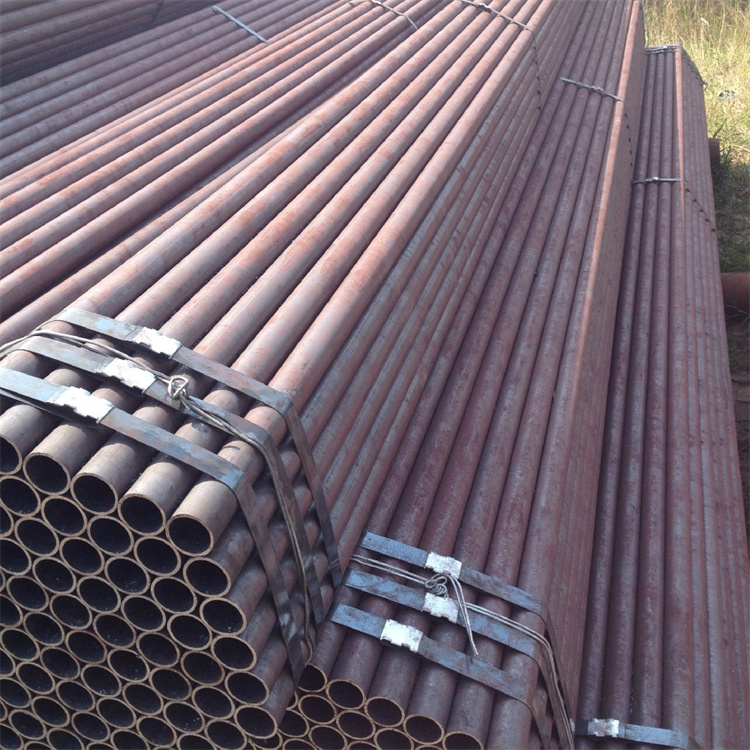












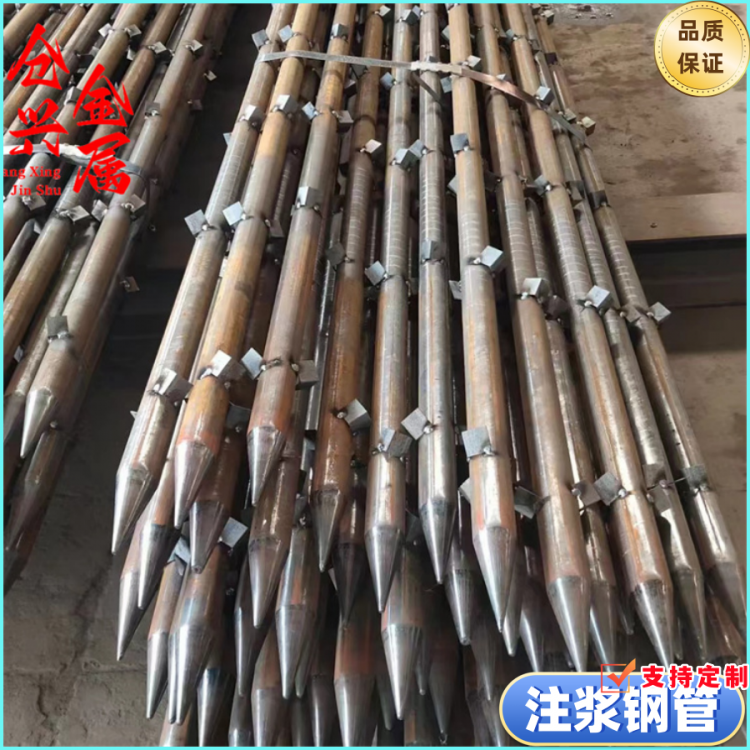
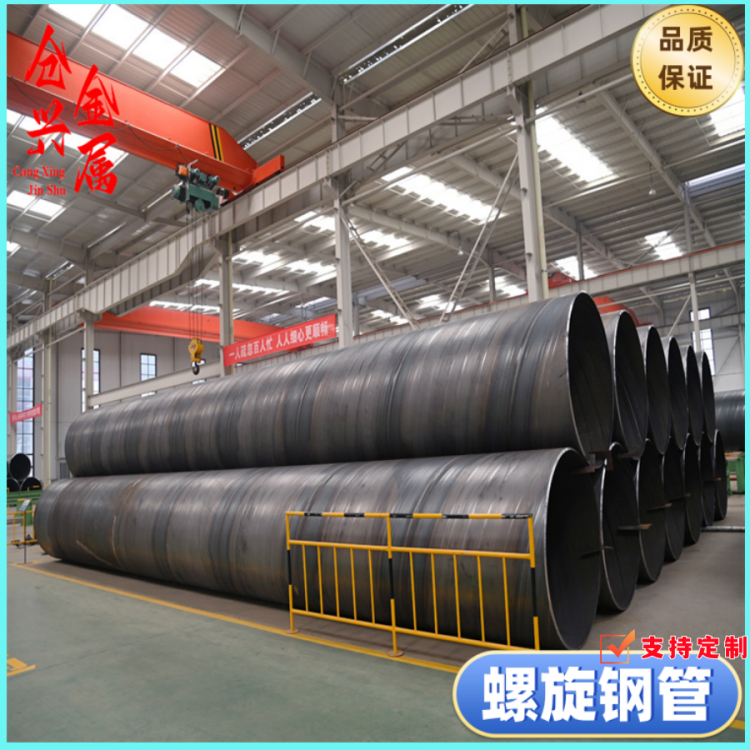
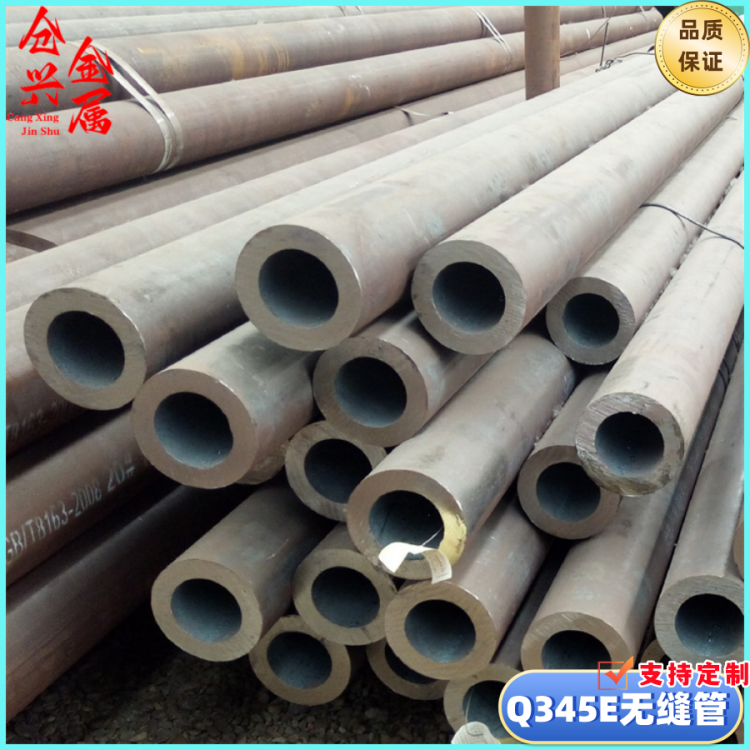
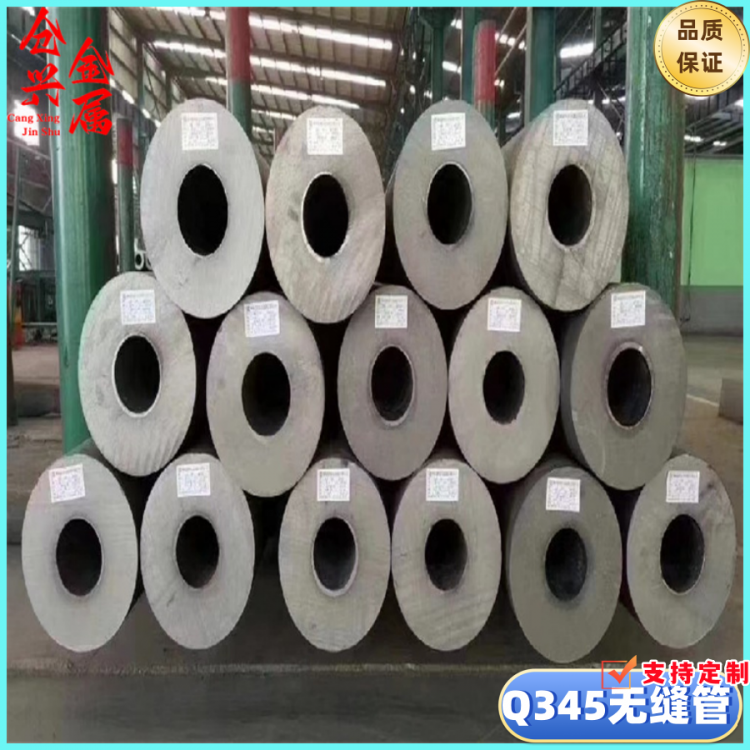

Steel tends to become brittle at low temperatures, so for structures operating in低温 environments, particularly welded structures, it is advisable to choose镇静 steel with excellent low-temperature brittleness resistance. Moreover, steel used in exposed structures is prone to aging, and steel exposed to harmful substances is susceptible to corrosion, fatigue, and fracturing, so it should also be selected with distinction based on different materials. Thin steel undergoes more rolling and has a higher compression ratio; thicker steel has a lower compression ratio. Therefore, thicker steel not only has less strength but also poorer plasticity, impact toughness, and welding properties. Welded structures with larger thicknesses should use better-quality steel and meet the requirements for the performance in the thickness direction, or Z-direction performance.