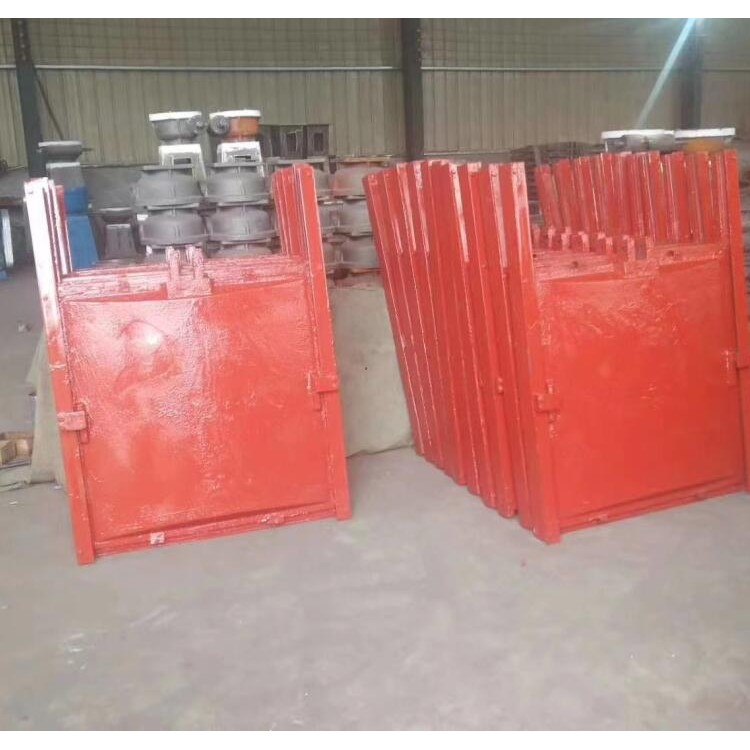

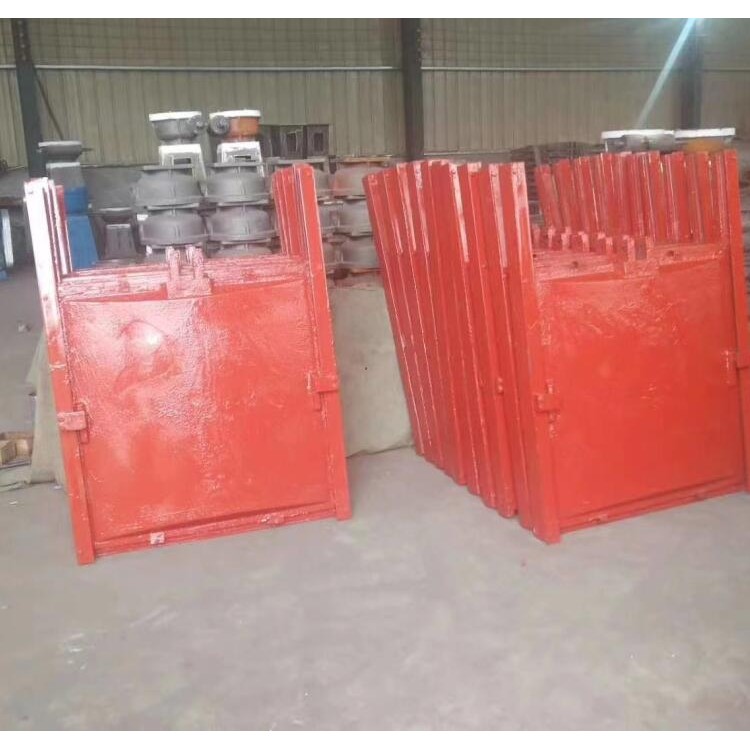
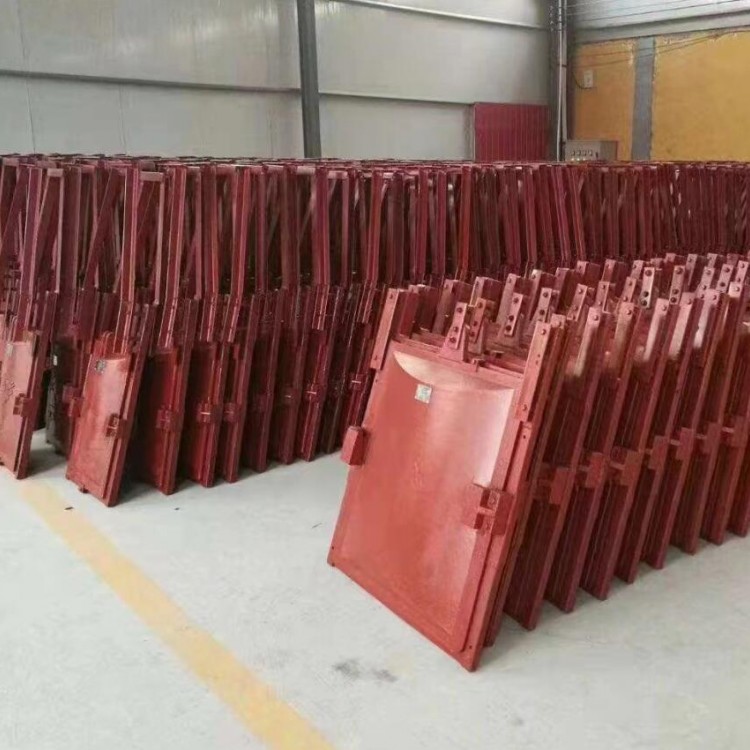
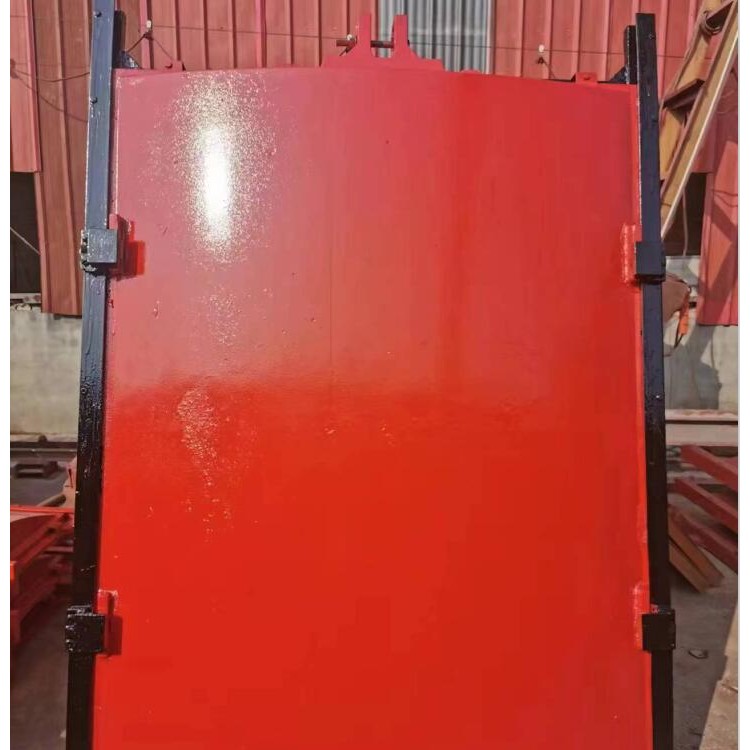







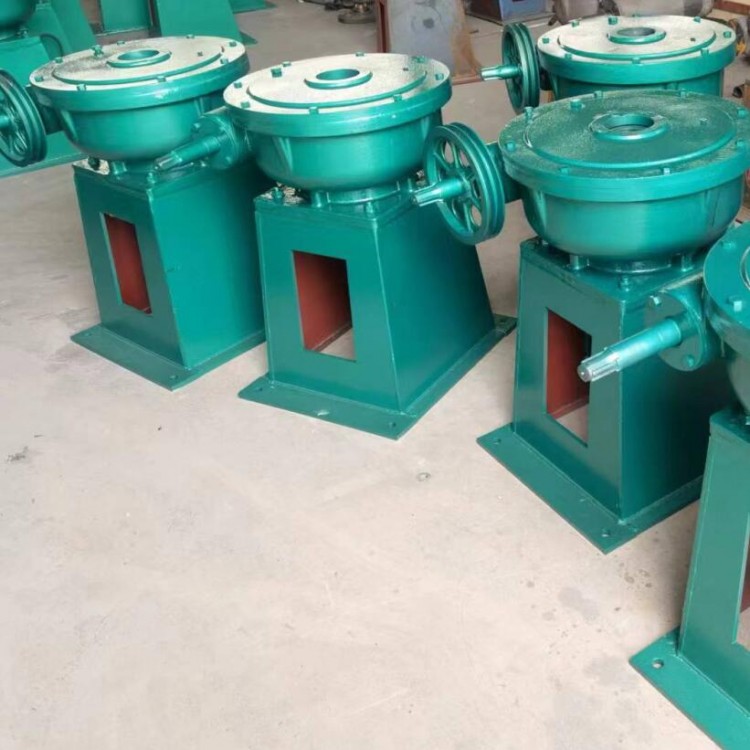
Cast Iron Gate Structural Components Features
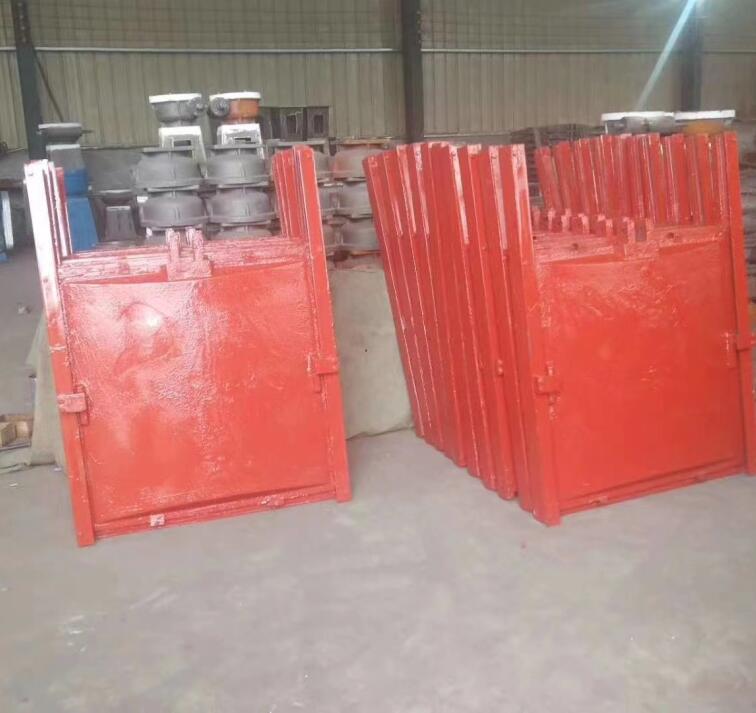
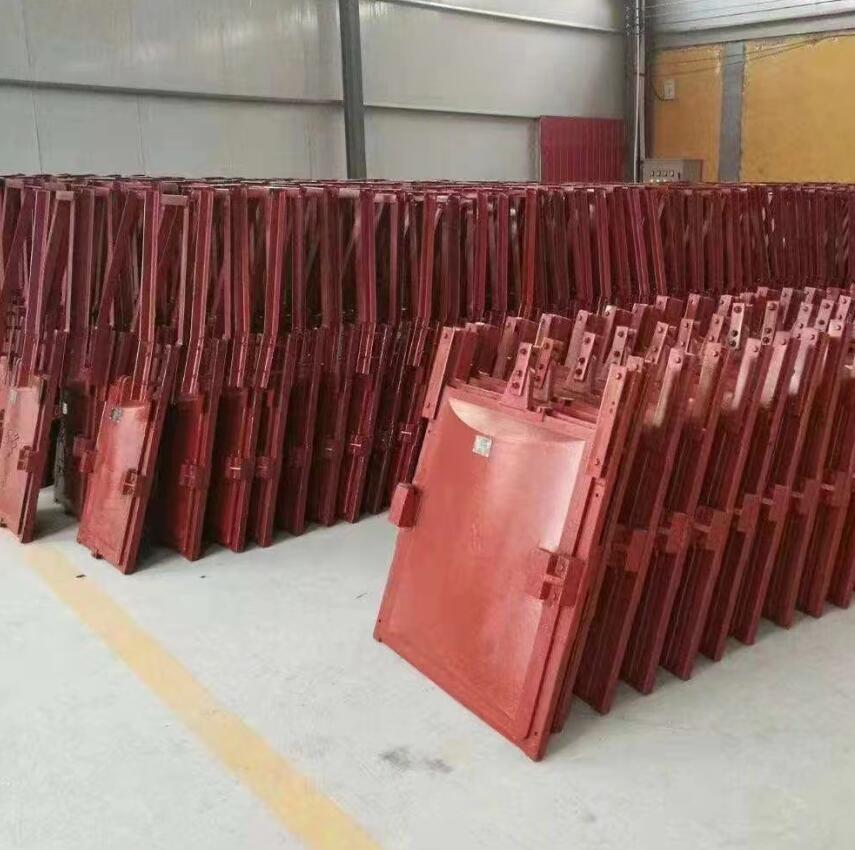
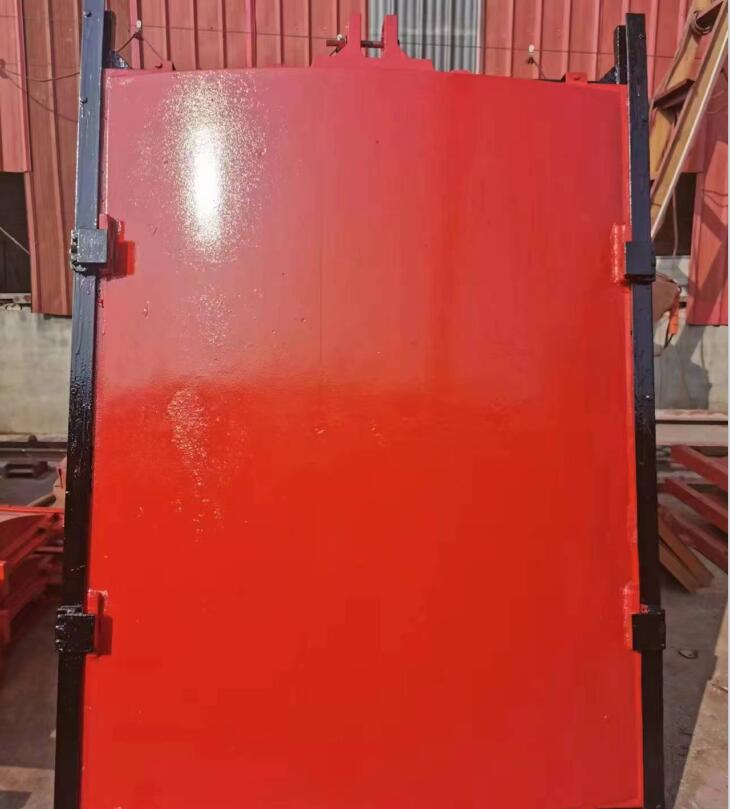
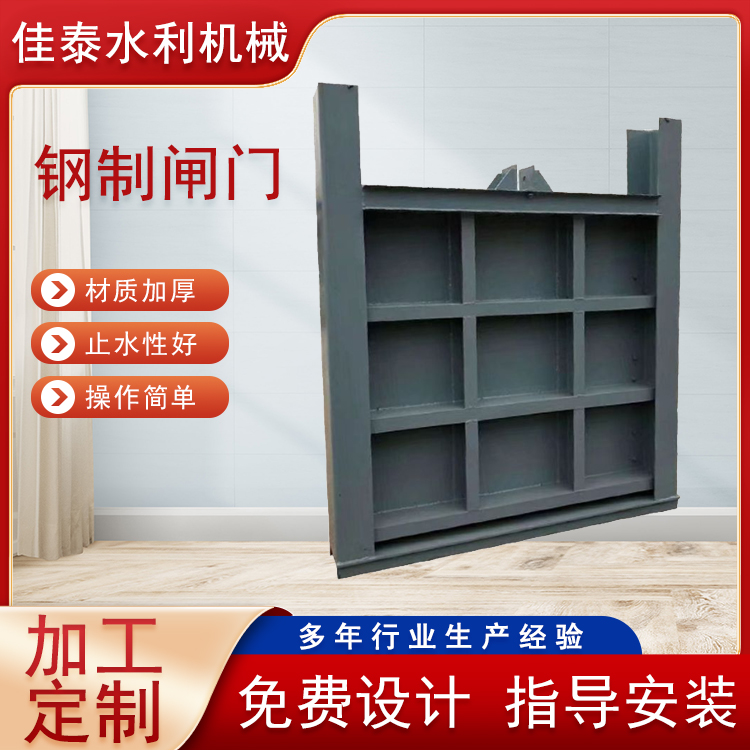
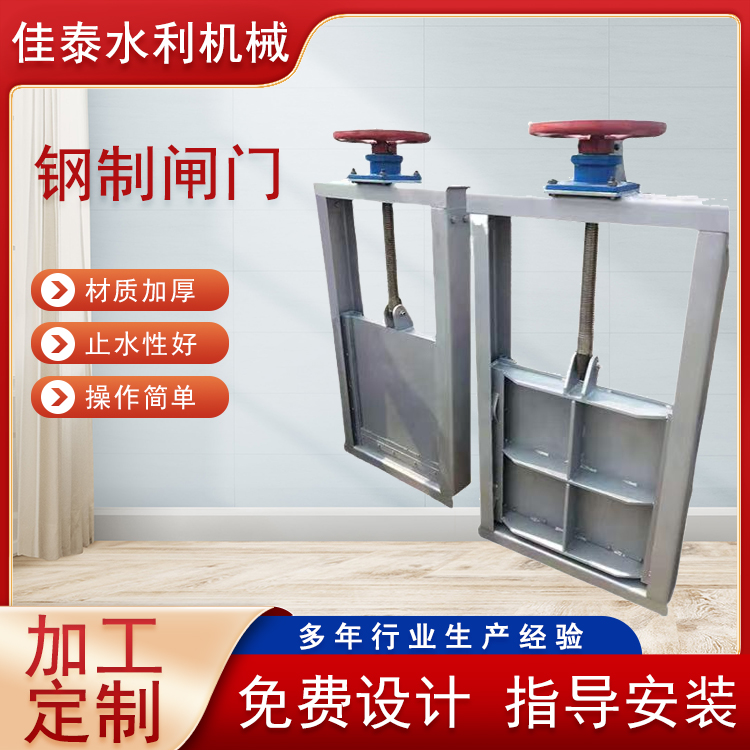
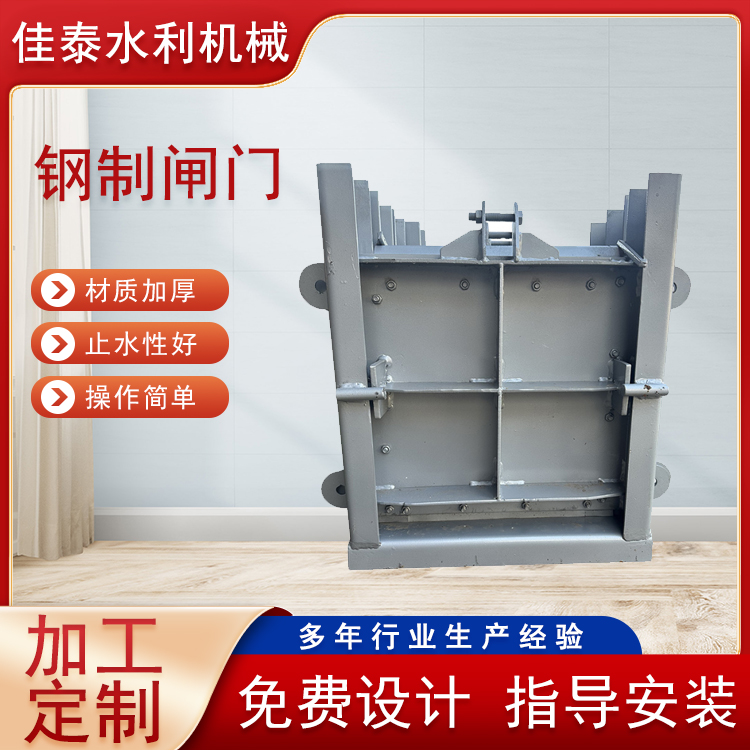
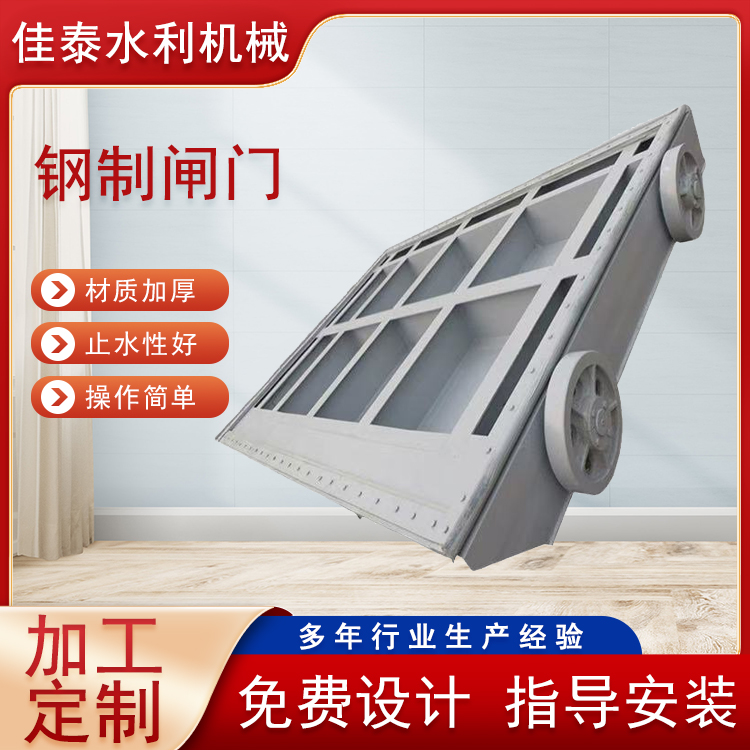
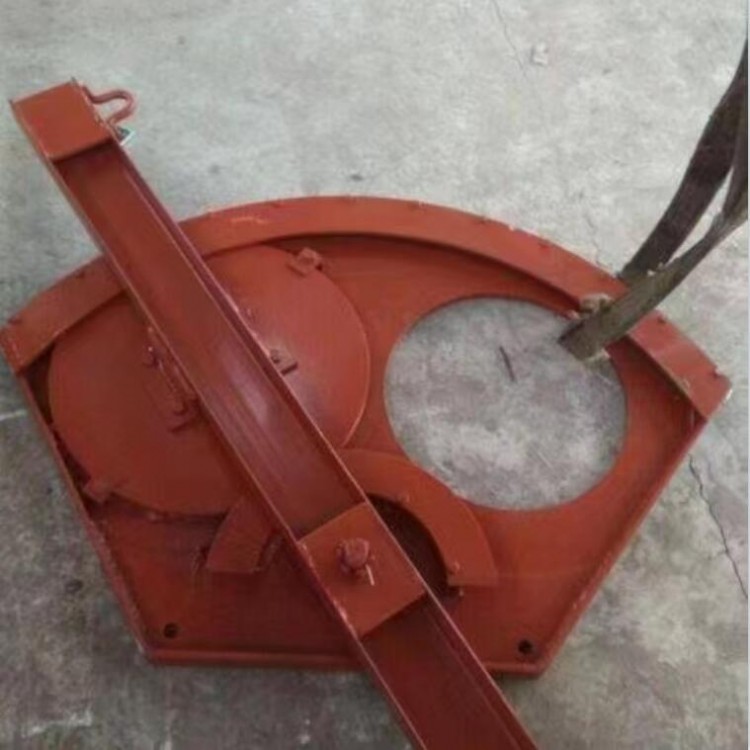
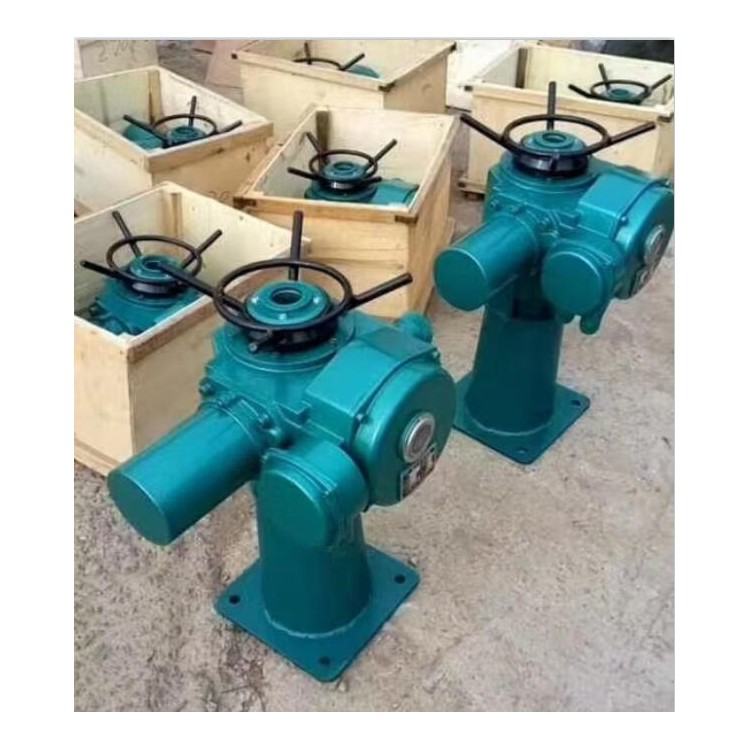
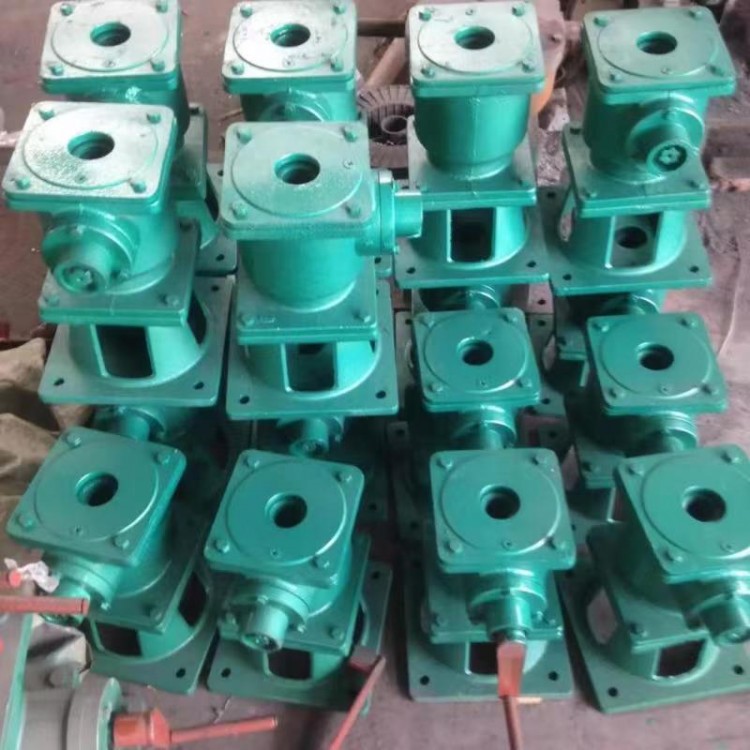
The structural components of the cast iron gate include the gate frame, gate plate, guide rail, lifting ear/lifting block nut, closing wedge, sealing mechanism (sealing strip), transmission screw, shaft guide frame, and other components.
1. Gate Frame: Cast iron material, commonly used types include Grey Cast Iron HT200, Grey Cast Iron HT250, and Ductile Cast Iron QT450, etc. The processing methods include resin sand casting technology or lost foam casting technology. Compared to other types of cast iron gates, it doesn't have many special features.
2. Gate Valve: Cast iron material, similar to the material used in the gate frame. Its feature lies in the arch design, which offers better load-bearing capacity from a mechanical perspective, uses less material, reduces the weight of the gate itself, and allows for more flexible opening and closing.
3. Guides: Small PGZ cast iron gates are typically made of the same material as the gate frame, manufactured in a monolithic casting process, or secured to the frame with bolts. The guides are symmetrically arranged on both sides of the gate frame.
4. Sling Ear/Sling Block Nuts: Fixed with solid casting or welding.
5. Sealing: The sealing of pgz cast iron gates mostly uses hard waterstop seals, lined with bronze alloy or stainless steel, and mechanically ground. They are fixed with countersunk bolts, providing good waterstop performance.
6. Transmission screw: a connecting part between the lifting ear and the screw opening machine