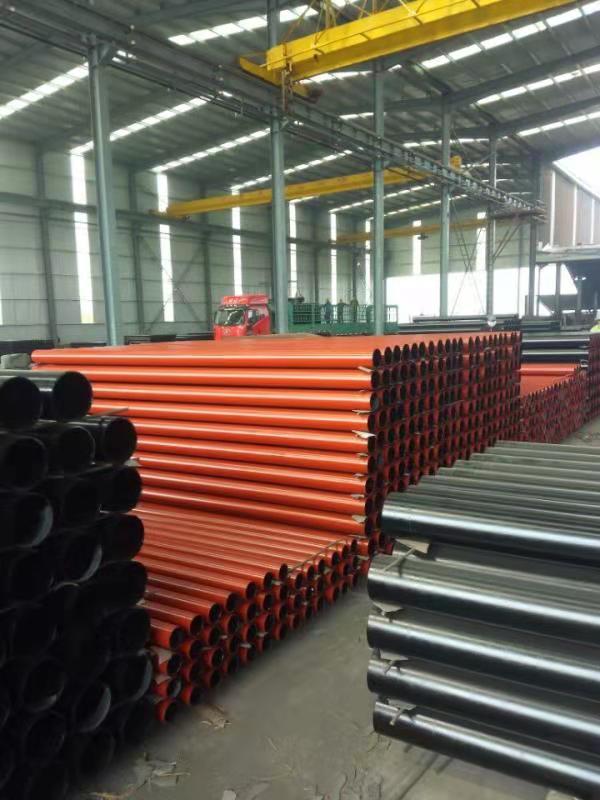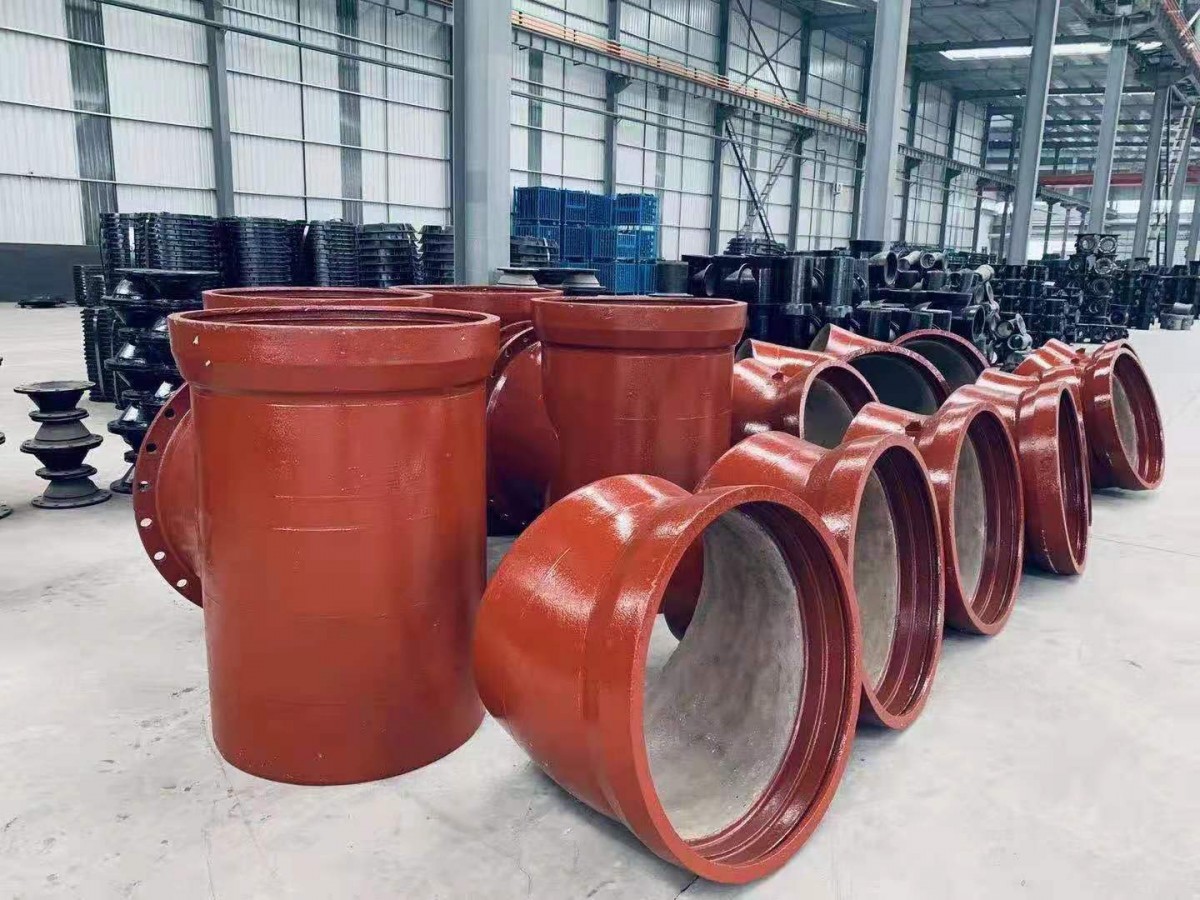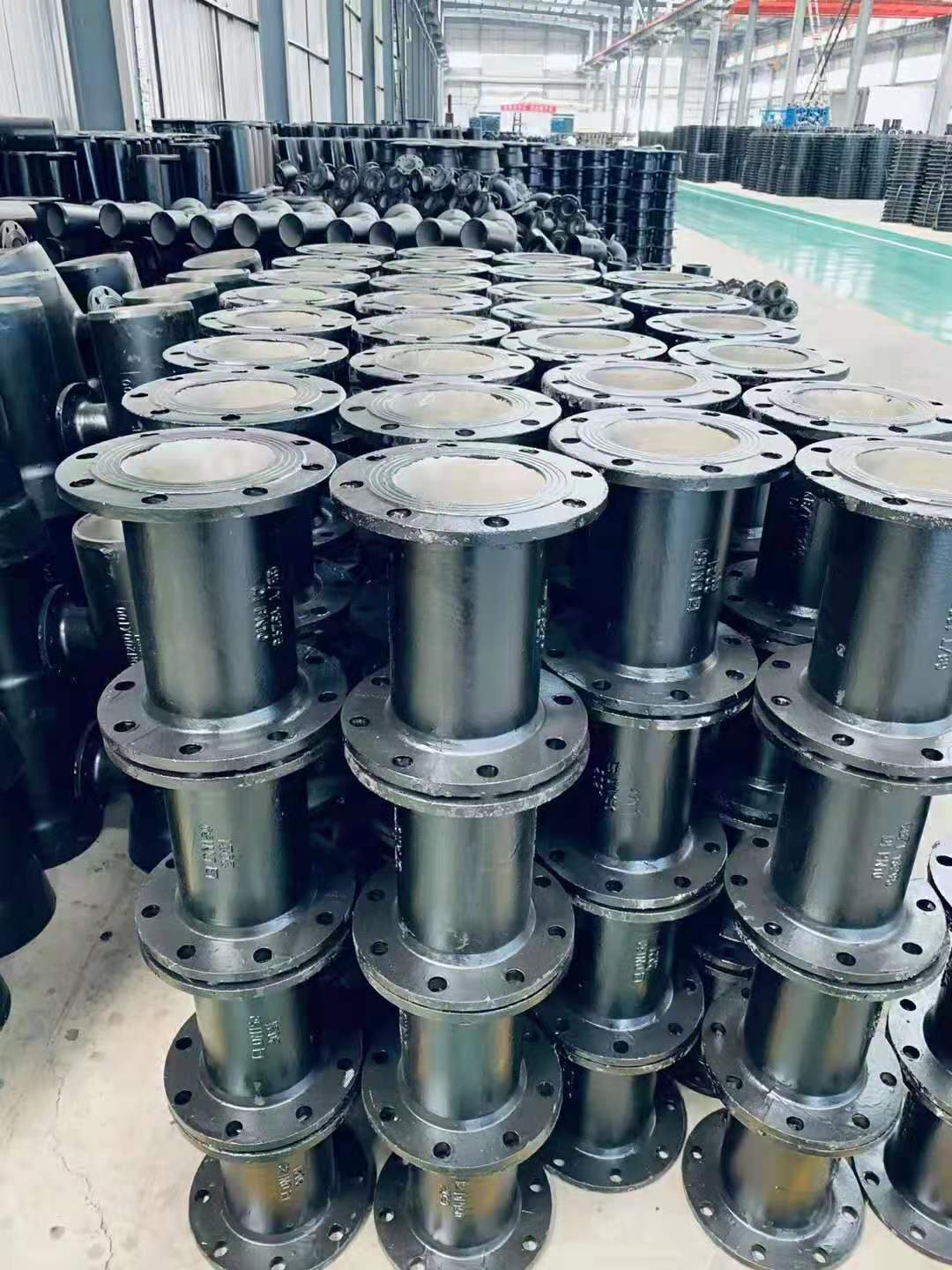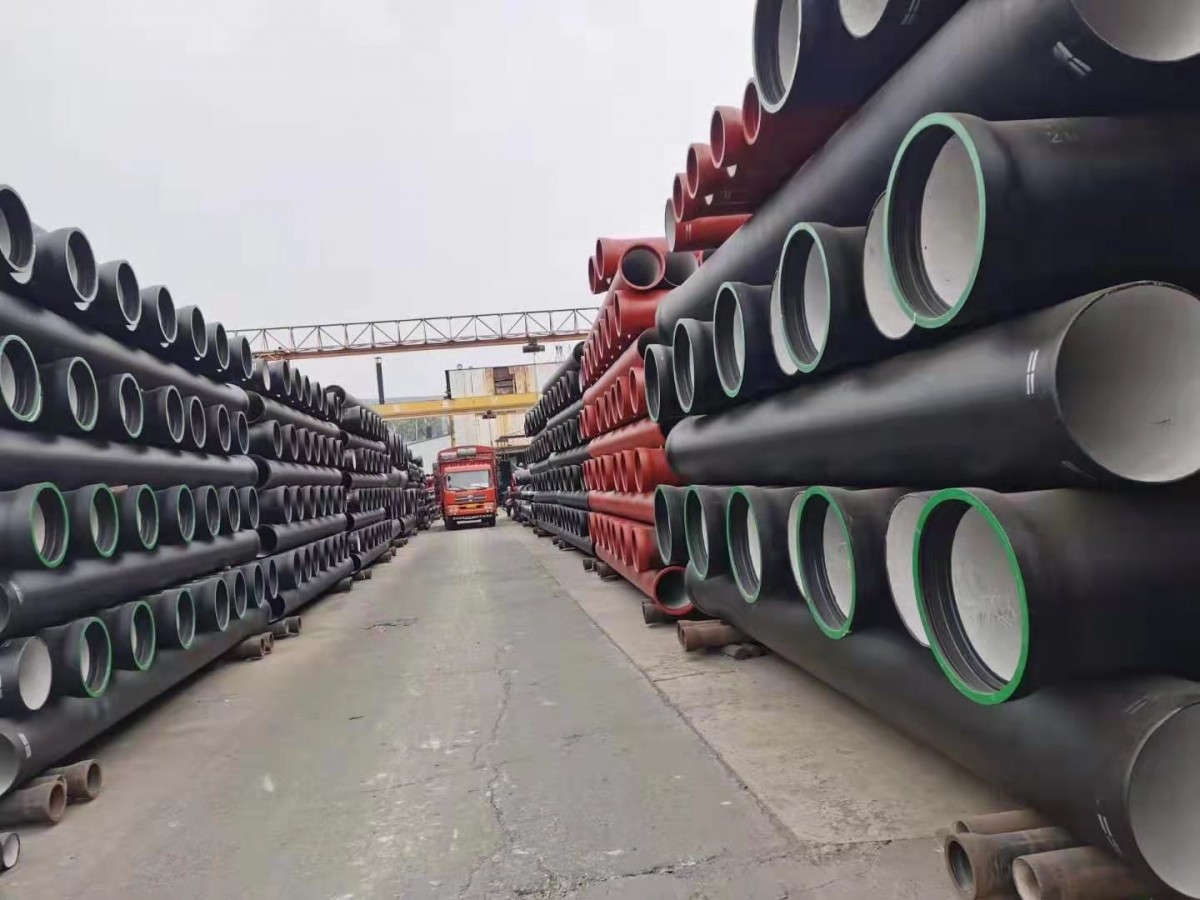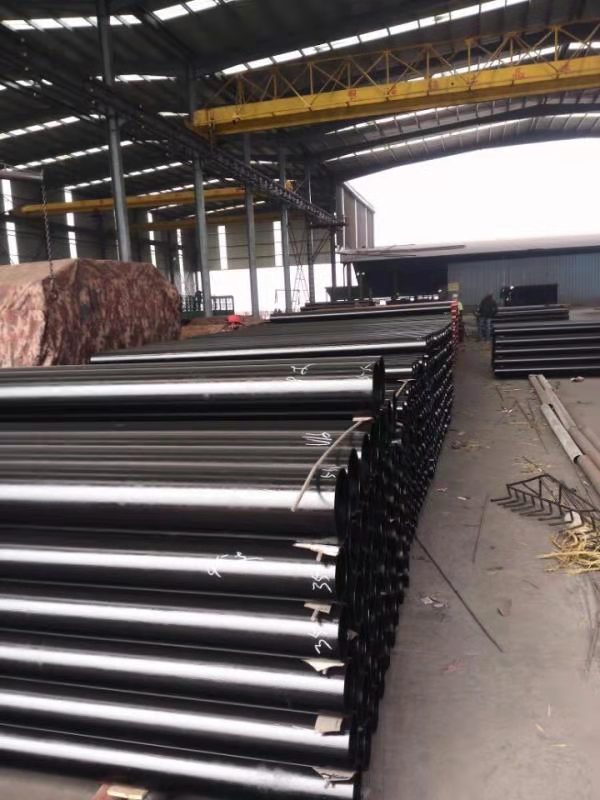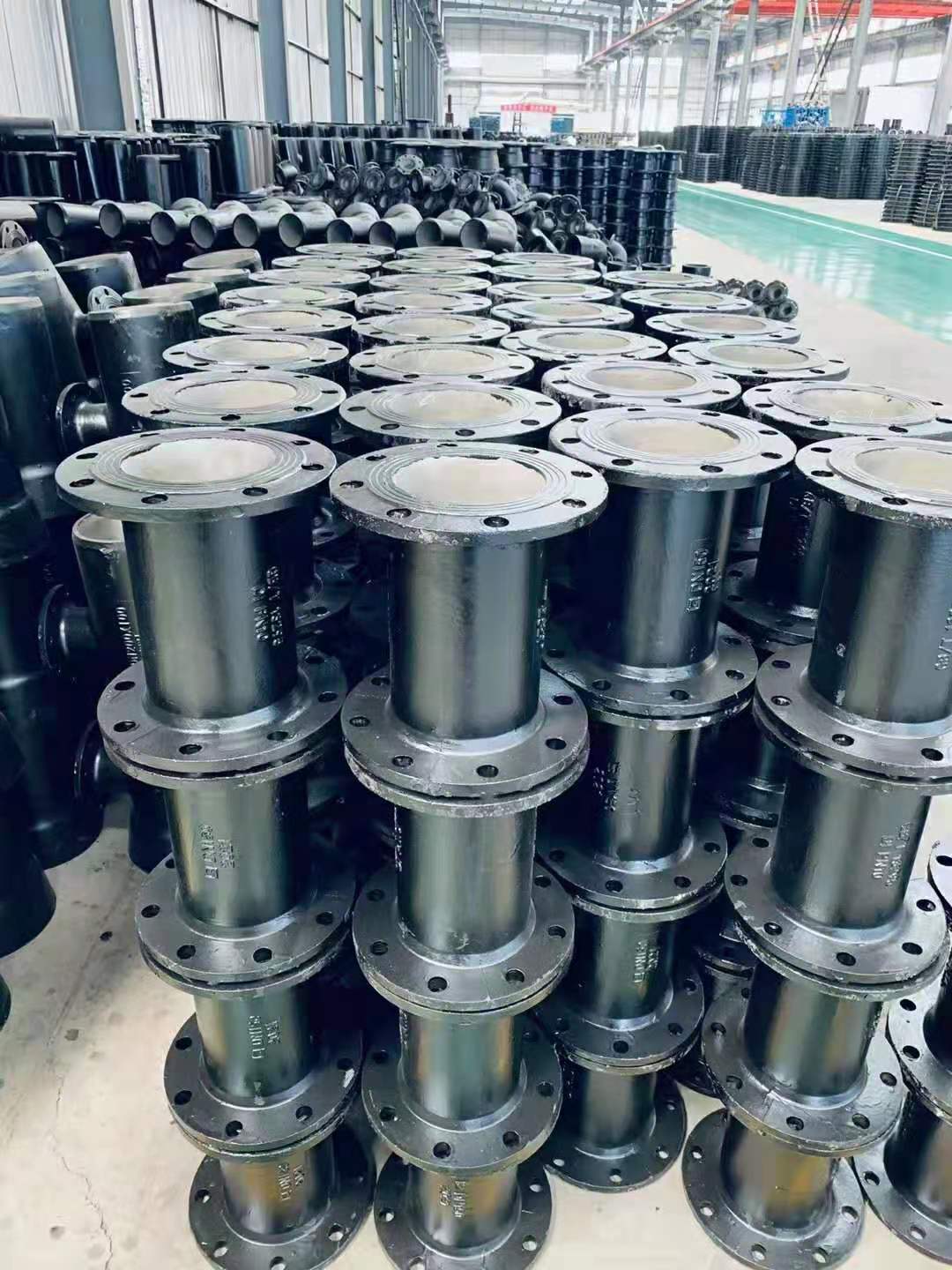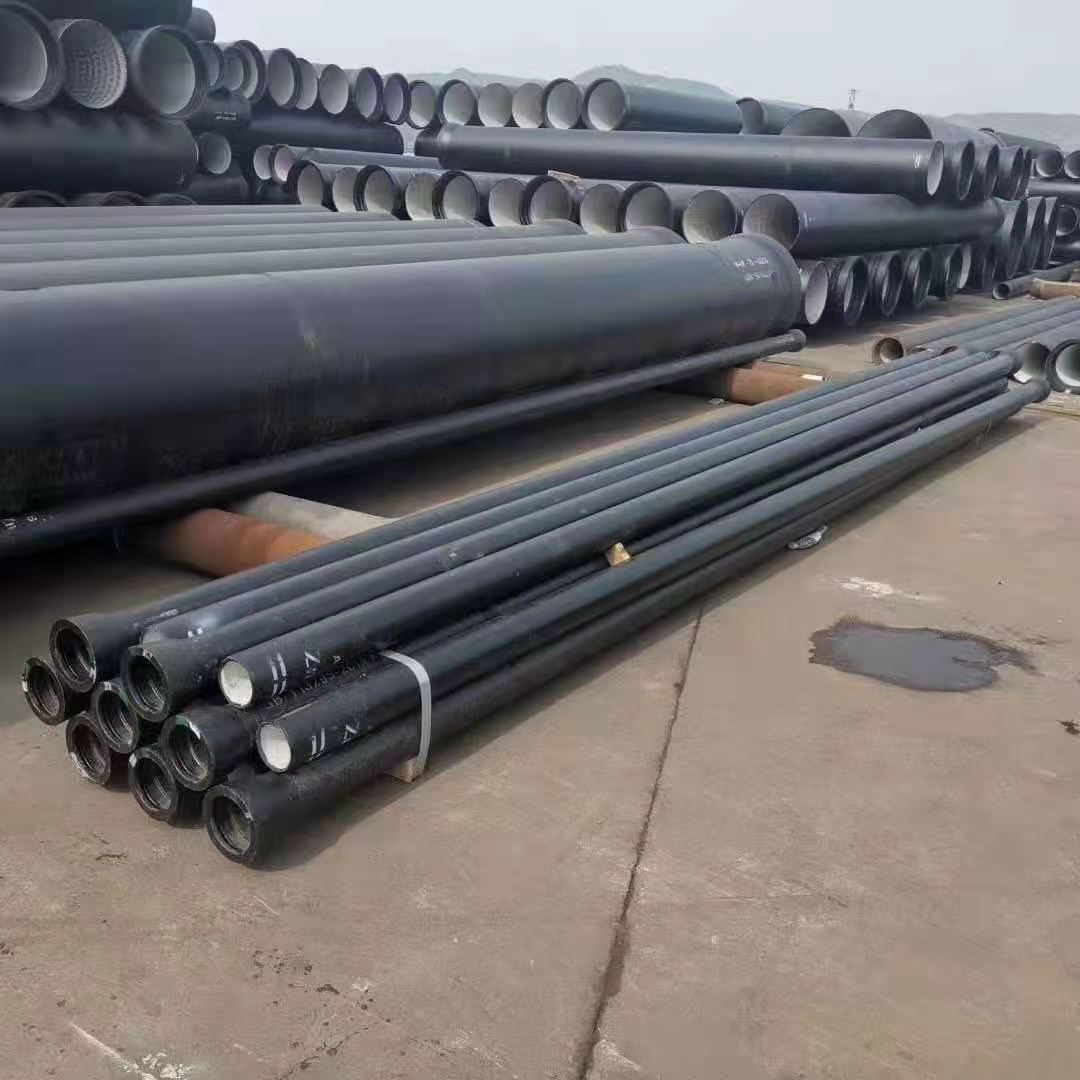

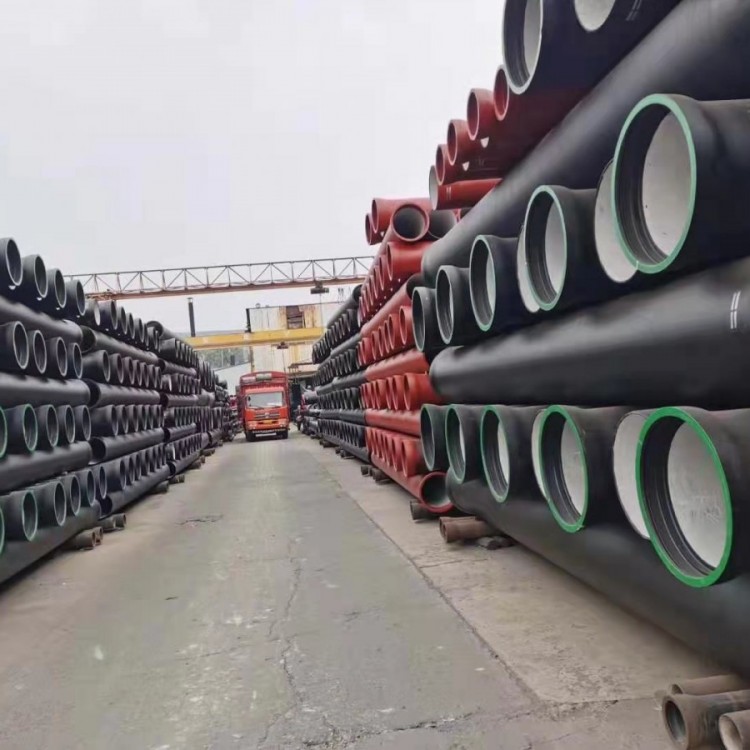

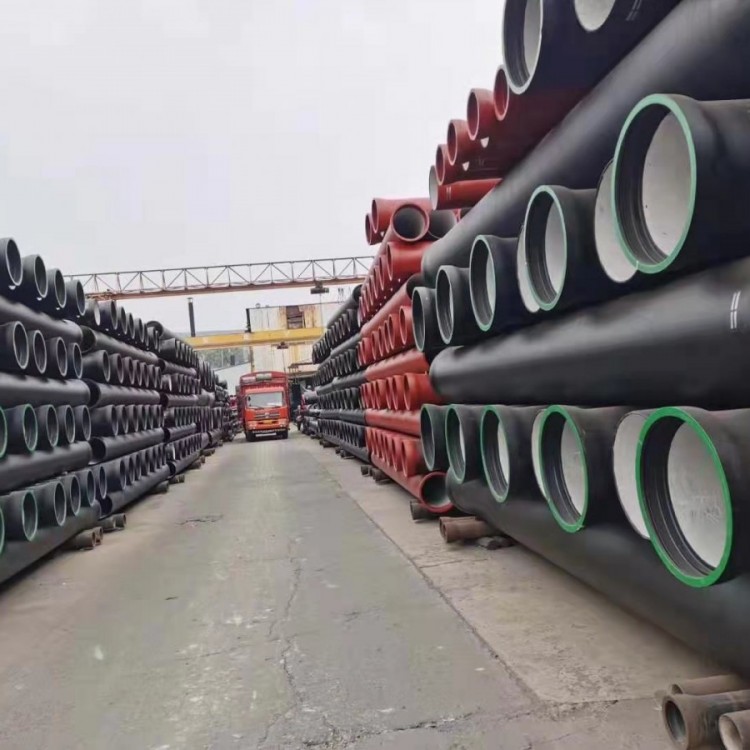
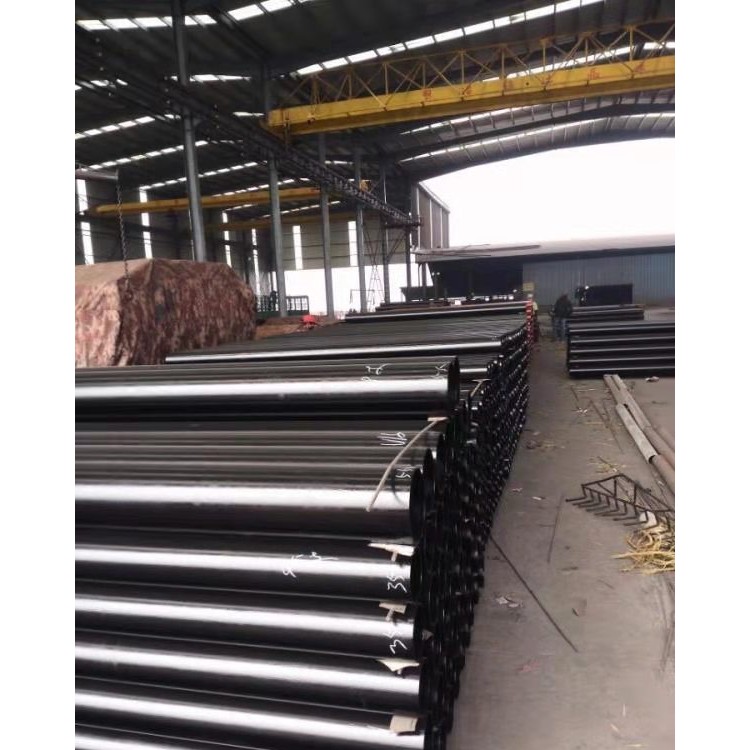
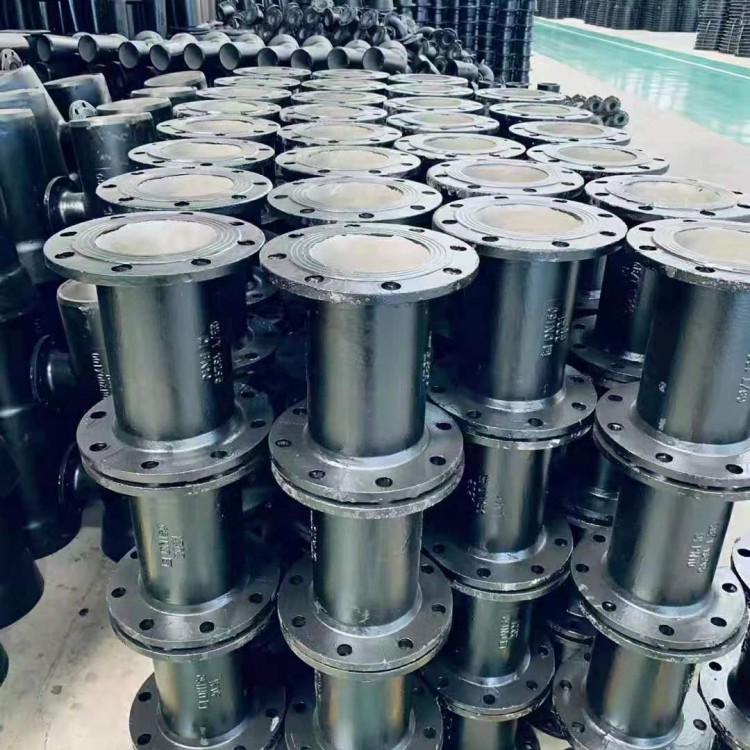


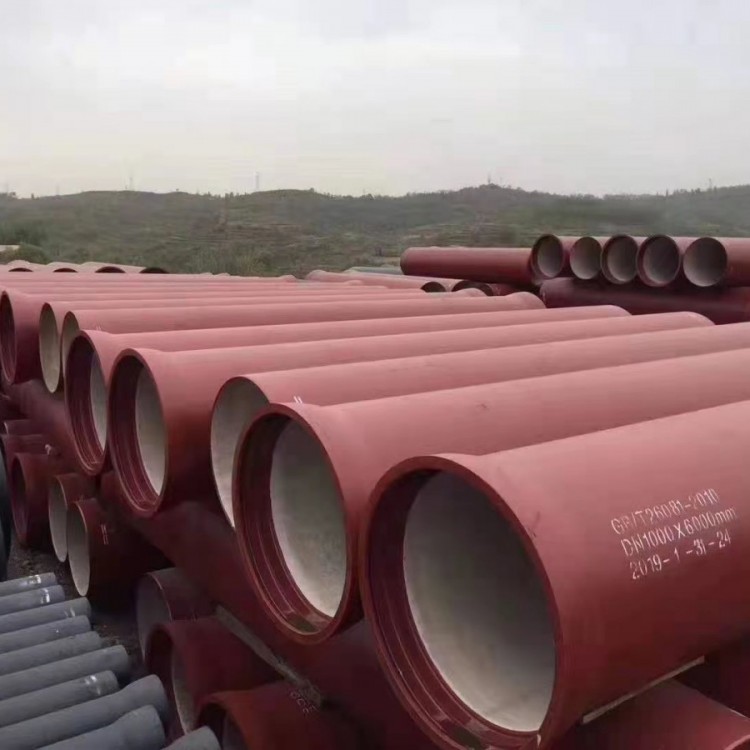






In many regions of our country, the connection between medium and small diameter pipeline sections of ductile iron pipes is done using socket-and-spigot or flange-type joints; ductile iron allows for limited angles of deflection and must have superior seismic resistance and sealing properties.
The main components of ductile iron pipes include carbon, silicon, manganese, sulfur, phosphorus, and magnesium. Compliance with Standard [span]GB/T ISO 2531/2003
Ductile iron pipes are defined as pipes cast at high speed using molten cast iron with a number 18 or higher, after the addition of spheroidizing agents, through centrifugal ductile iron casting machines.
Ductile Cast Iron Pipes, commonly abbreviated as DIP, Ductile Iron Pipes, or Spheroidal Graphite Cast Iron Pipes.
Ductile iron pipes are a type of cast iron pipes. The quality requirements for cast iron pipes are that the spheroidizing grade be controlled at 1-3 levels (spheroidizing rate >80%), thus the inherent mechanical properties of the material itself are...
Ductile iron pipe products have been significantly improved, boasting the essence of iron and the properties of steel. After annealing, these pipes exhibit a microstructure of ferrite with a small amount of spheroidite, offering excellent mechanical properties, corrosion resistance, good ductility, and effective sealing. They are easy to install and are primarily used in municipal, industrial, and mining enterprises for water supply, gas transmission, and oil transportation.
A certain number of spheroidal graphite are distributed on the ferrite and pearlite matrix. The ratio of ferrite to pearlite in the matrix varies depending on the nominal diameter and the required elongation. For small diameters, the pearlite ratio is generally not more than 20%, while for large diameters, it is typically controlled around 25%.
Mechanical Properties
GB/TISO2531-2009
Bore: DN80