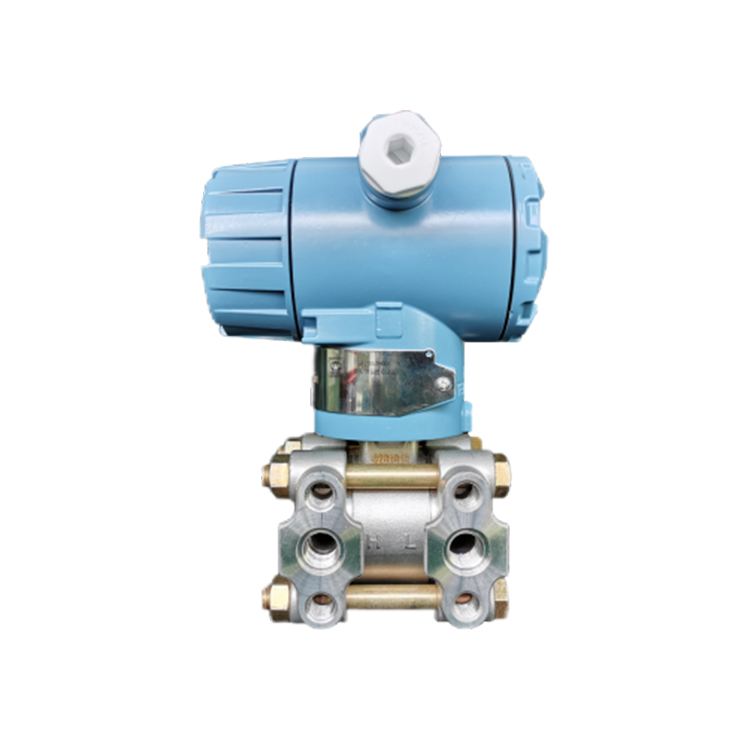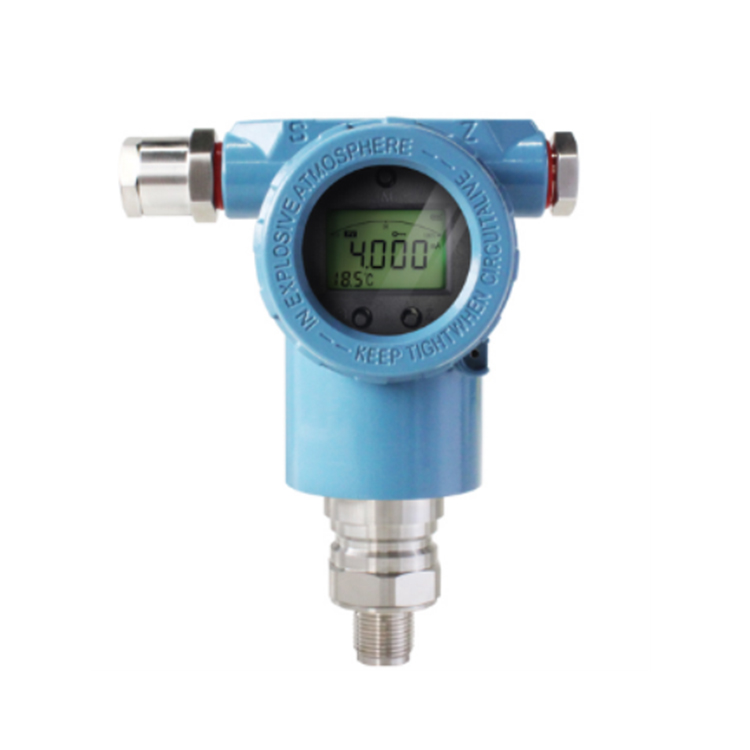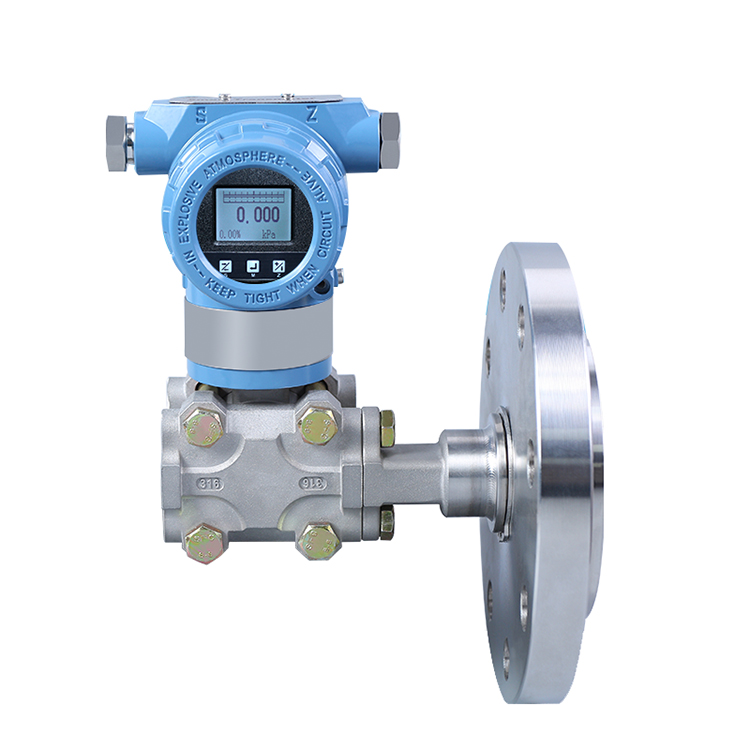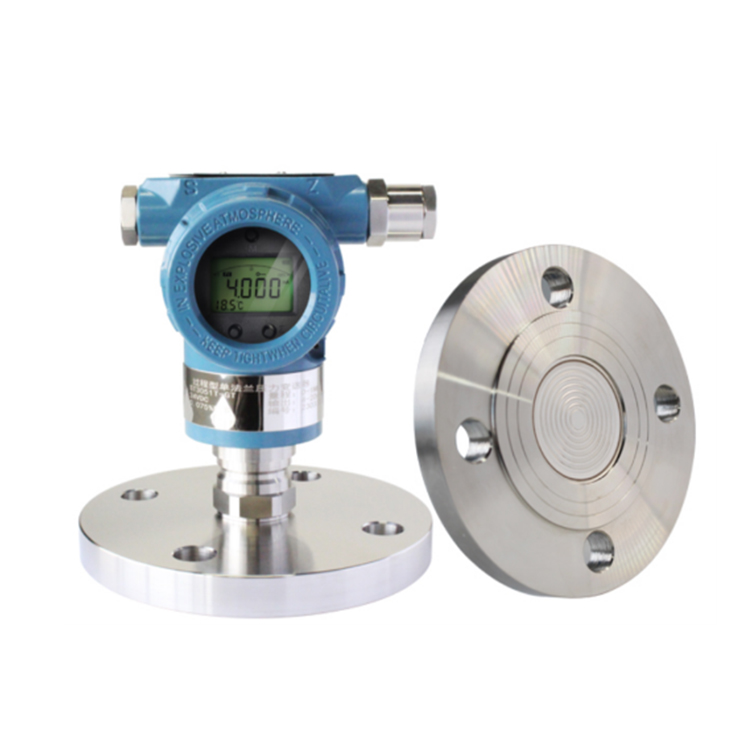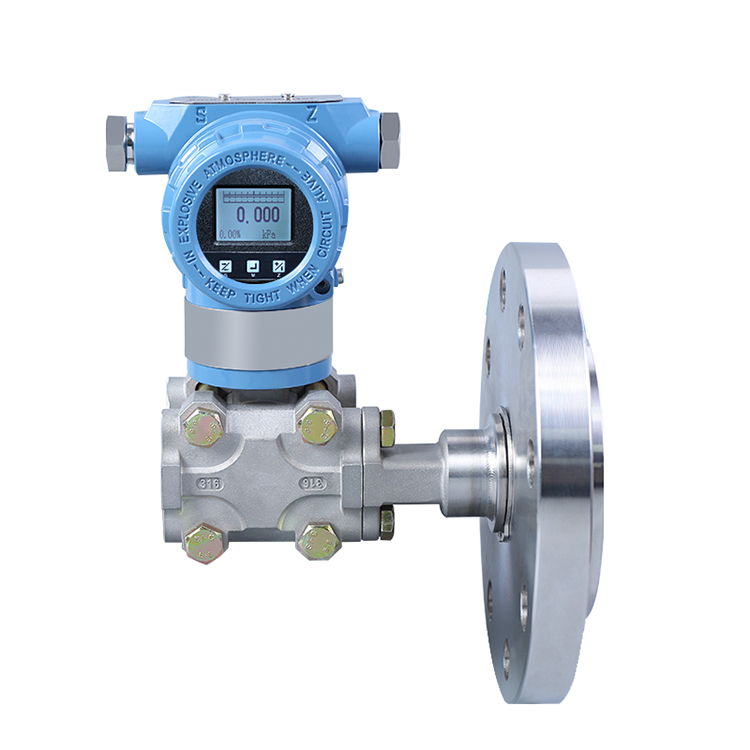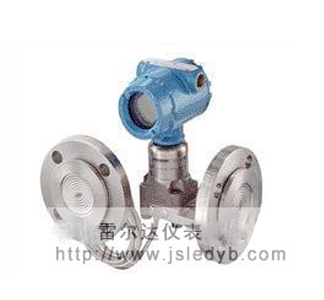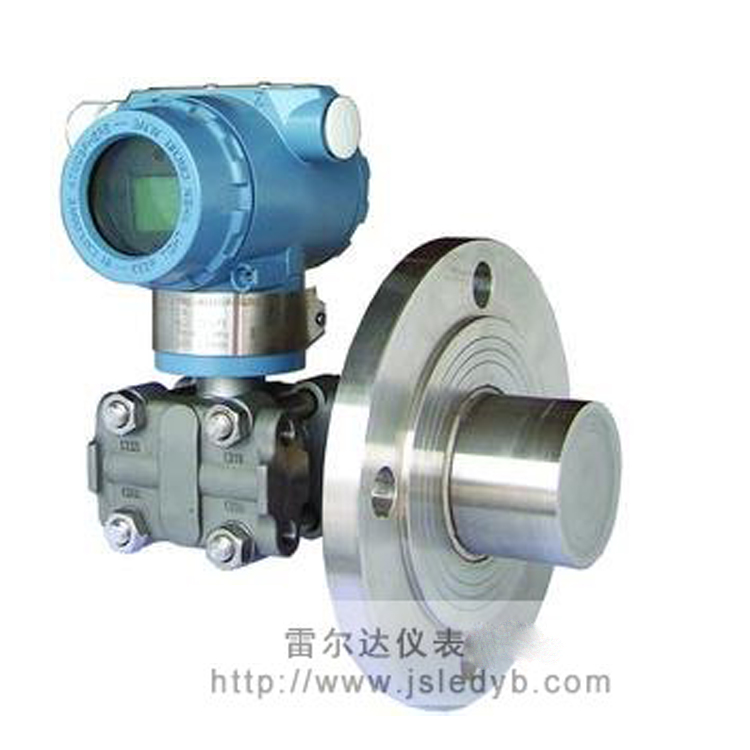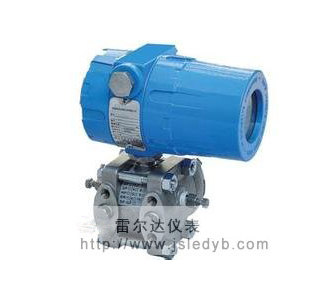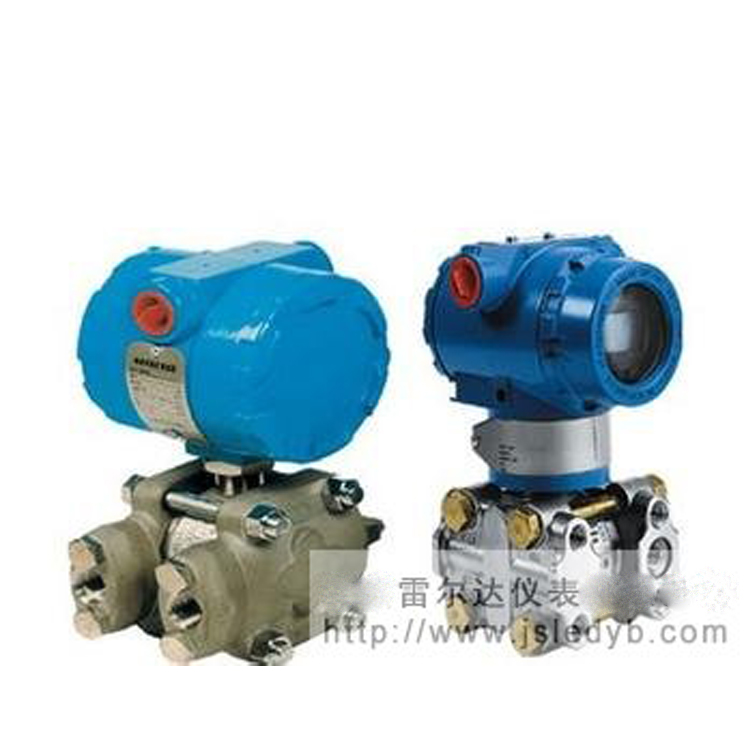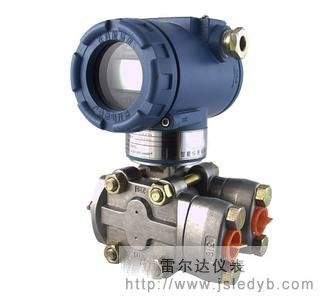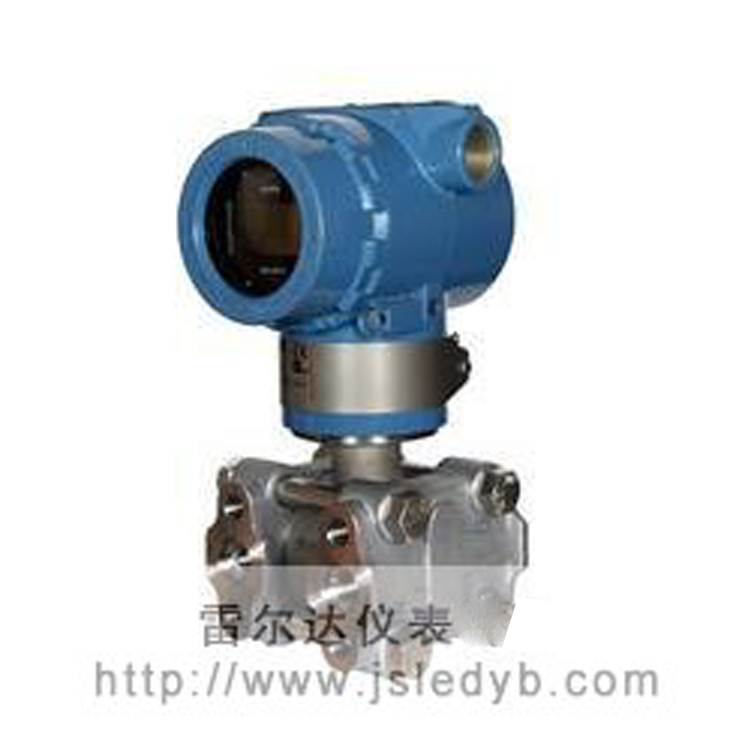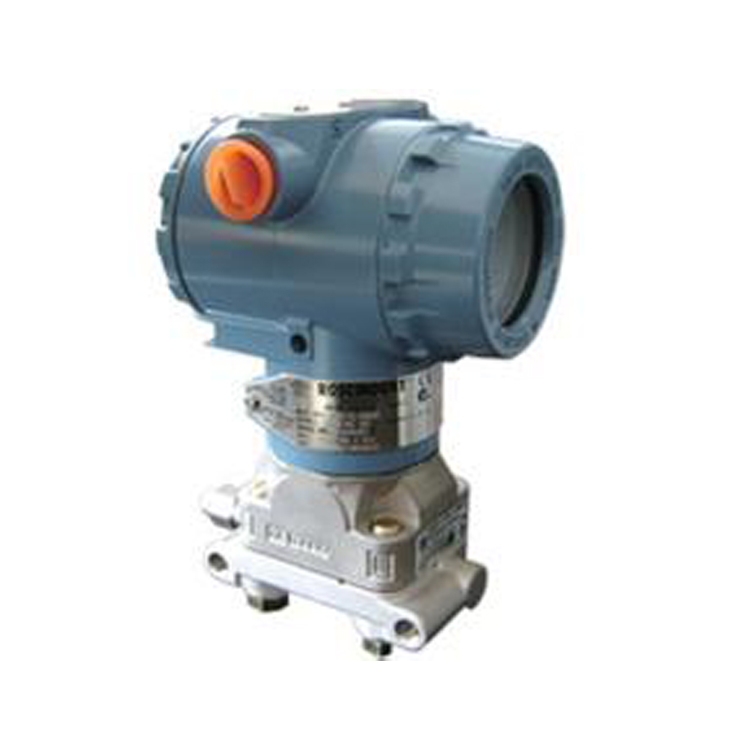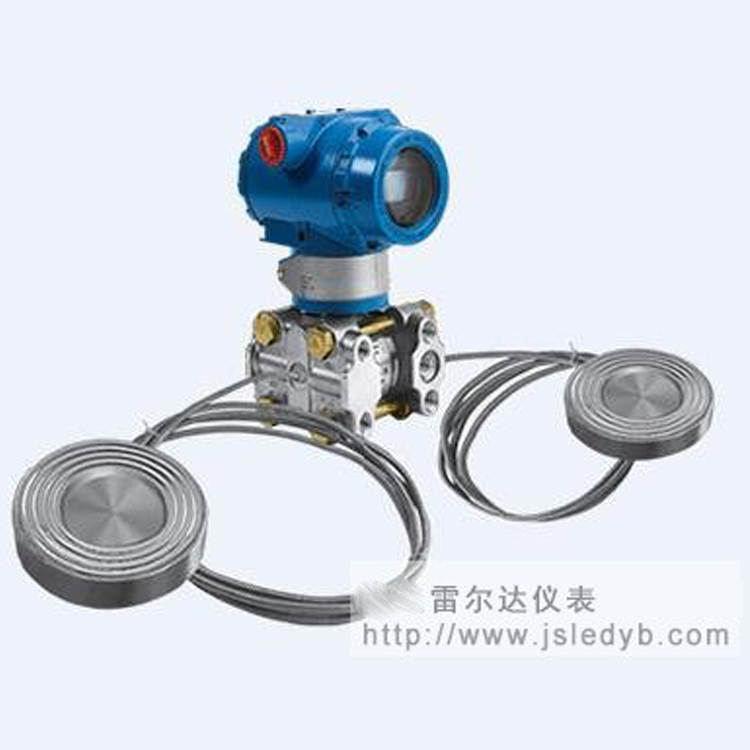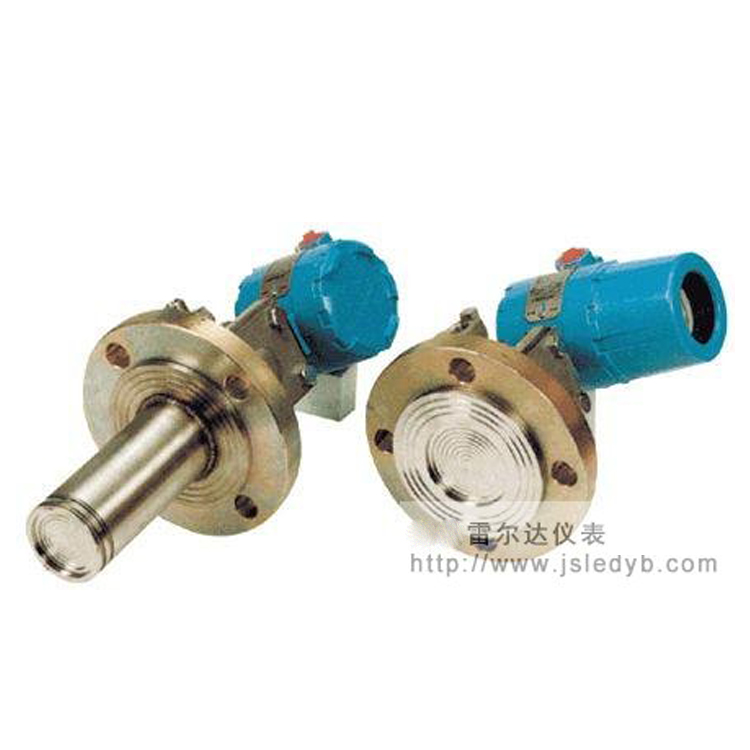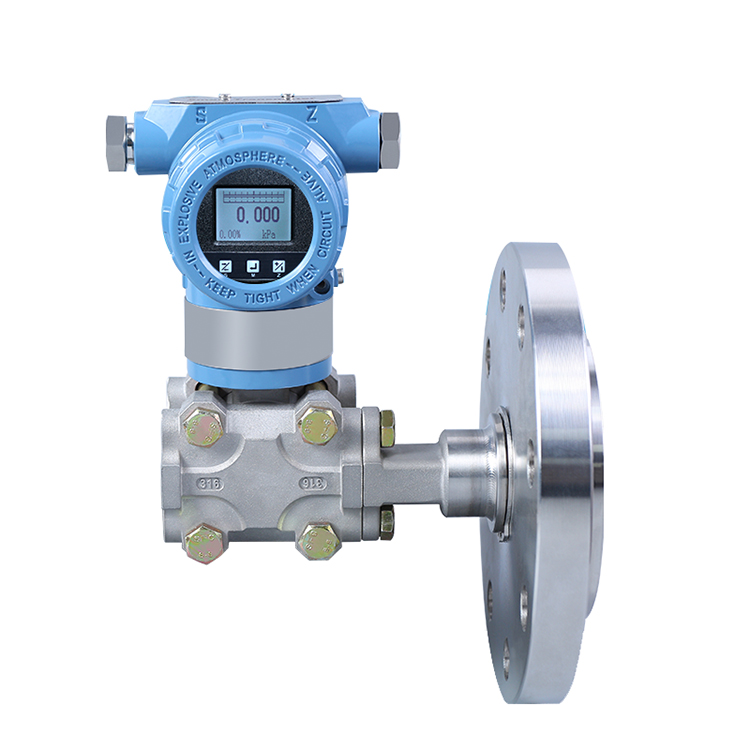

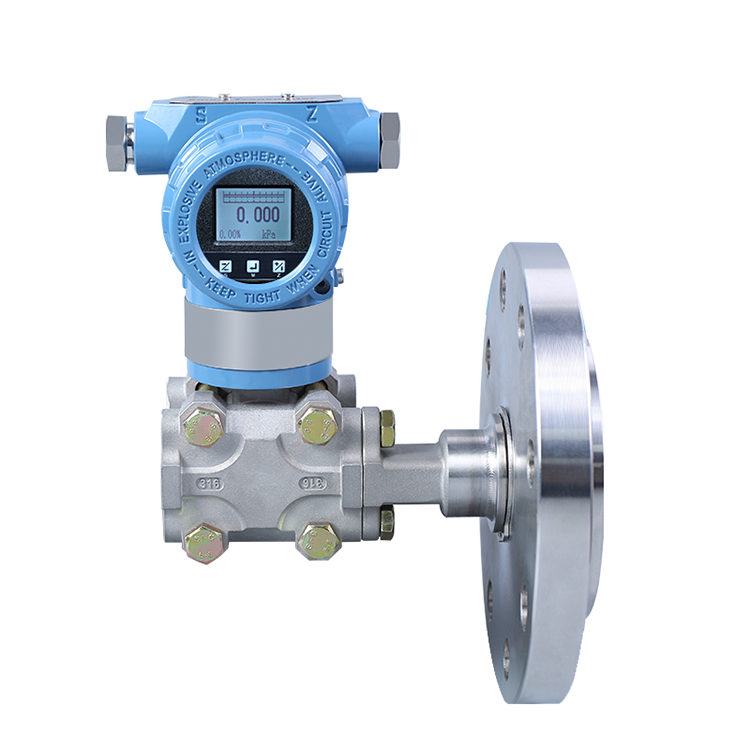
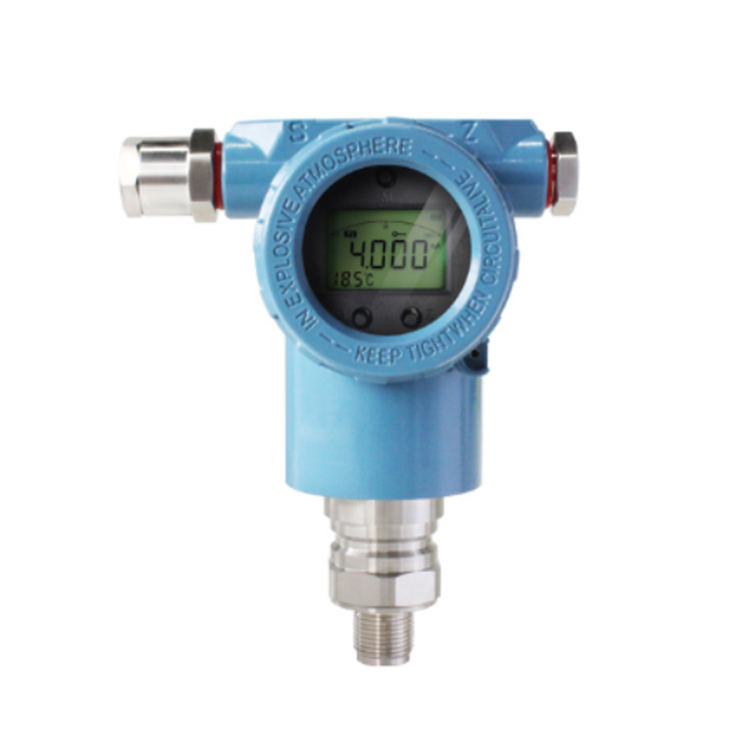
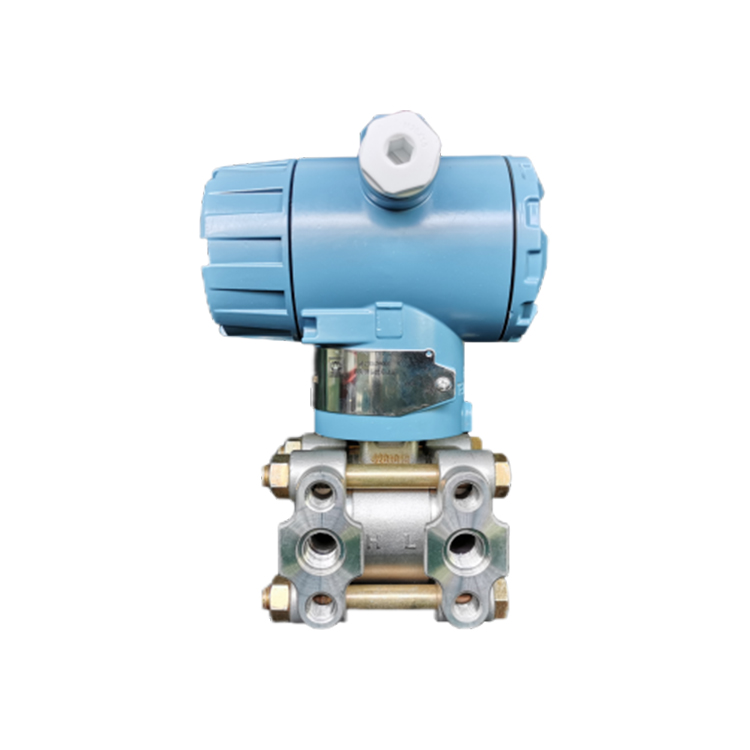


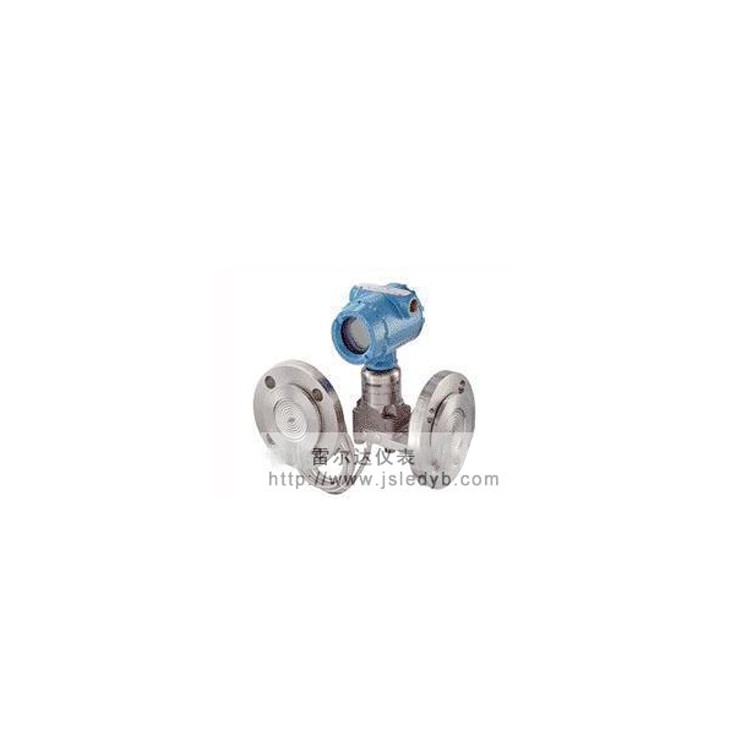
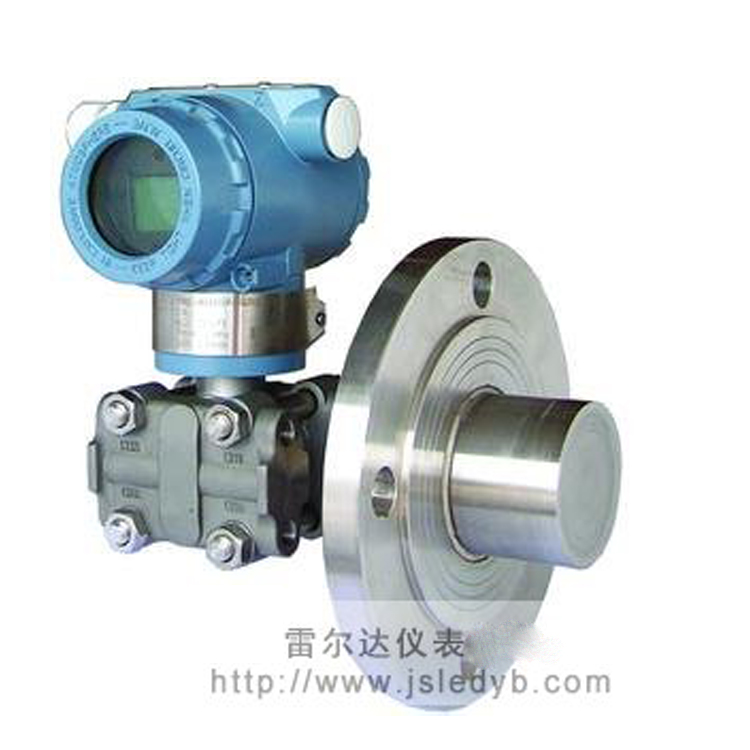
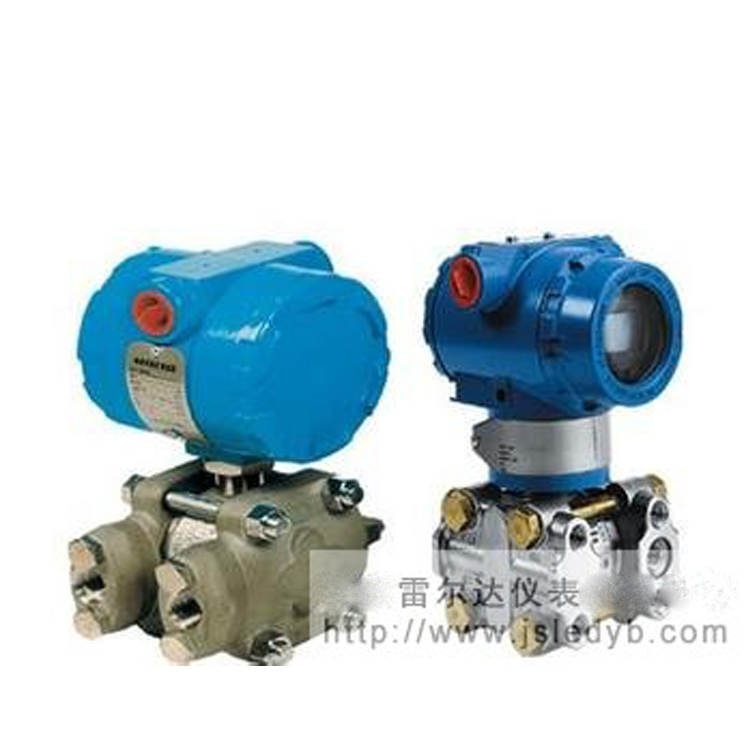





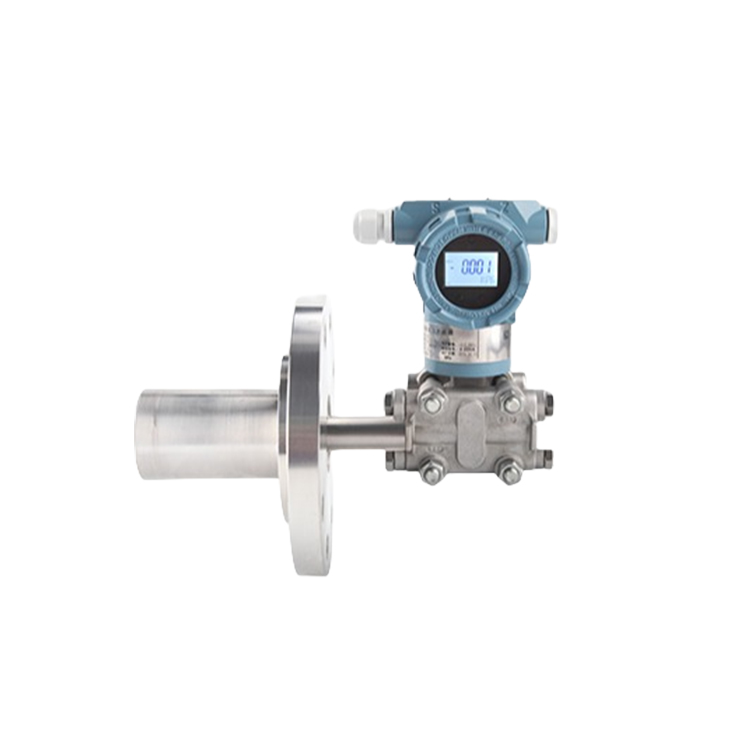
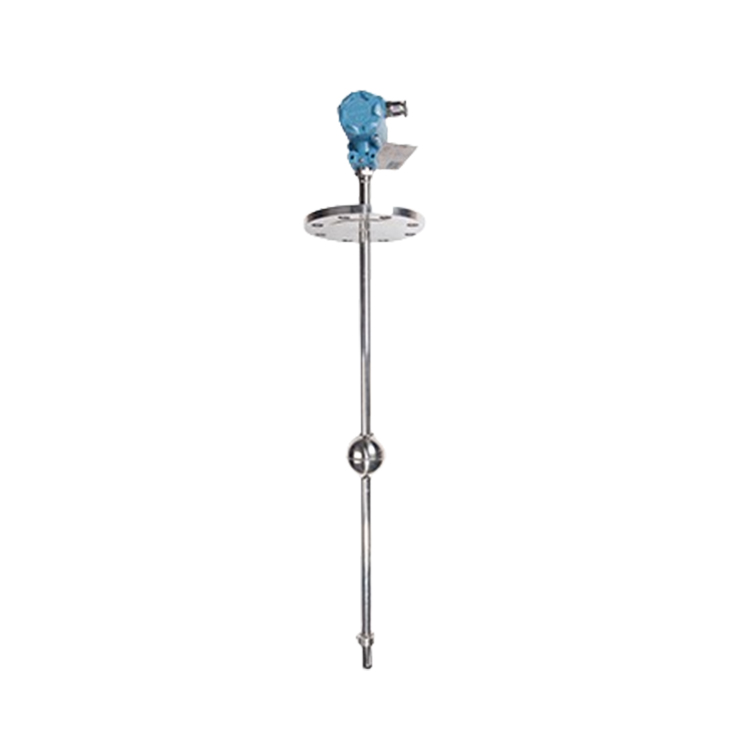
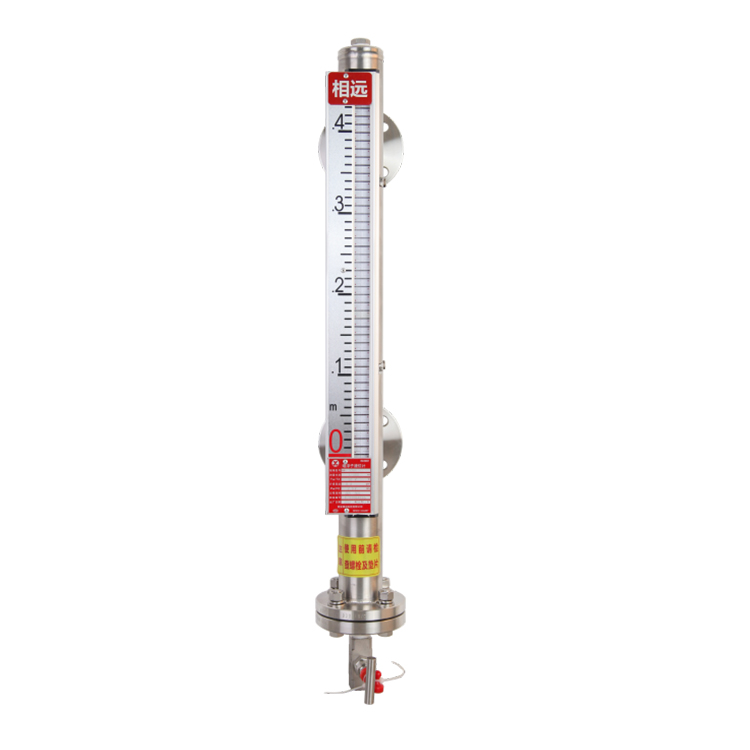
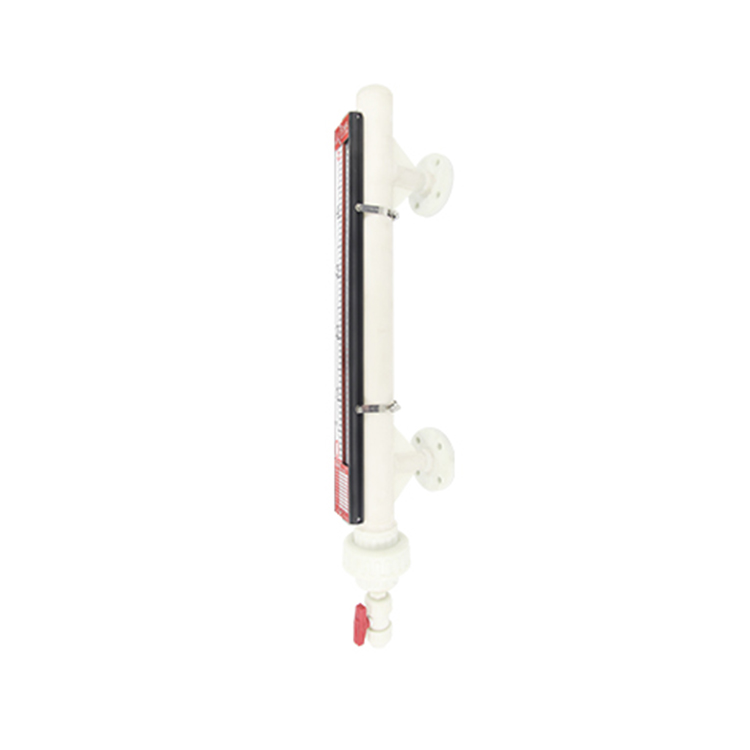
Differential Pressure Transmitter:
Measuring the pressure of the liquid allows for the calculation of its level height, with a wide range of applications. It can measure mediums that are prone to solidifying, crystallizing, sedimenting, being viscous, having high temperatures, or being corrosive.
Product Features:
Level measurement accuracy up to 0.1%.
2. Verification range from 0.4 kPa to 7 MPa.
3. A variety of filling liquids are available to meet different application requirements.
4. No mechanical transmission parts, minimal maintenance workload, sturdy and vibration-resistant.
Usage Requirements:
1. Measurement Signals: Level, Gauge Pressure, Differential Pressure
2. Output Signal: 4-20mA, HART or 485 protocol
3. Installation Method: Bracket
4. Medium Pressure: 0~210m water
5. Medium Temperature: -40℃ ~ 304℃
6. Medium Density: Unrestricted.
The 3151 series intelligent pressure transmitters consist of two parts: the intelligent sensor and the intelligent electronic board. The intelligent sensor section includes capacitive sensors, measurement diaphragm detection circuits, temperature sensors, and temperature compensation circuits; the intelligent electronic board section includes a microcomputer controller and peripheral circuits, which convert the pressure signal to 4-20mA dc.
Section on Smart Sensors:
Capacitive sensor: The medium pressure is transmitted to the central measuring diaphragm in the 8-chamber center through an isolation diaphragm and filled oil. The measuring diaphragm is a tight elastic element used to detect the differential pressure on the measuring diaphragm. The displacement of the measuring diaphragm is proportional to the differential pressure, with a displacement of 0.004 inch (0.10mm). The position of the measuring diaphragm is detected by the capacitive fixed plates on both sides through the measuring diaphragm detection circuit.
Measuring Diaphragm Detection Circuit: This circuit is designed to convert the pressure exerted on the sensitive element into a voltage signal, and ensure the signal is proportionate to the pressure signal for CPU sampling.
Temperature sensor and compensation: During characterization calibration, a temperature cycling test is conducted on the operating temperature of the pressure-sensitive element, and the data is stored in the sensor's internal EEPROM as temperature compensation data. During operation, the operating temperature of the pressure-sensitive element is measured, and the temperature compensation data from the characterization EEPROM is compared with the measured temperature data for contrast calculation. The CPU processor then compensates and corrects for temperature drift errors.
Electronic circuit board section:
Microcomputer Controller: The microcomputer controller governs the transmitter's operation, and in addition, it handles sensor data processing, digital temperature compensation, transfer function calculations, engineering unit and range conversions, output type selection, damping adjustment, self-diagnosis, and HART communication.
Parameter Memory: Stores all configuration data that can be modified remotely or locally by the transmitter. Even when the power is off, the data remains fully preserved in the memory.
Digital-to-Analog Converter: Converts the digitally corrected signals from the microprocessor into a 4-20mA analog signal for output to the circuit.
HART Communication: This interface circuit provides a connection between transmitters and the HT388 interface or control system for digital communication. The circuit is divided into a receiving section and a transmitting section. The receiving section detects the FSK (Frequency Shift Keying) signal superimposed on the 4-20mA loop, while the transmitting section overlays the signal on the 4-20mA loop in the same manner.