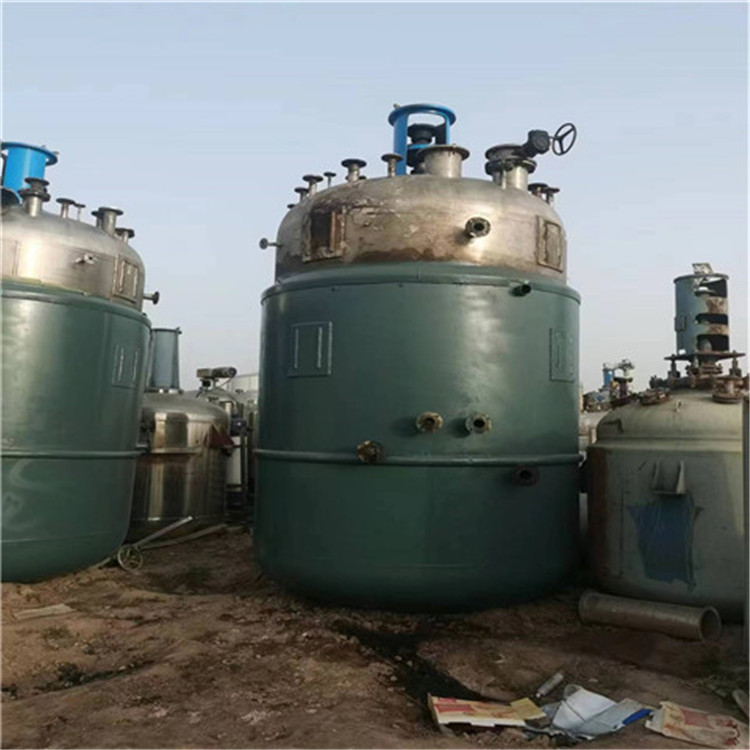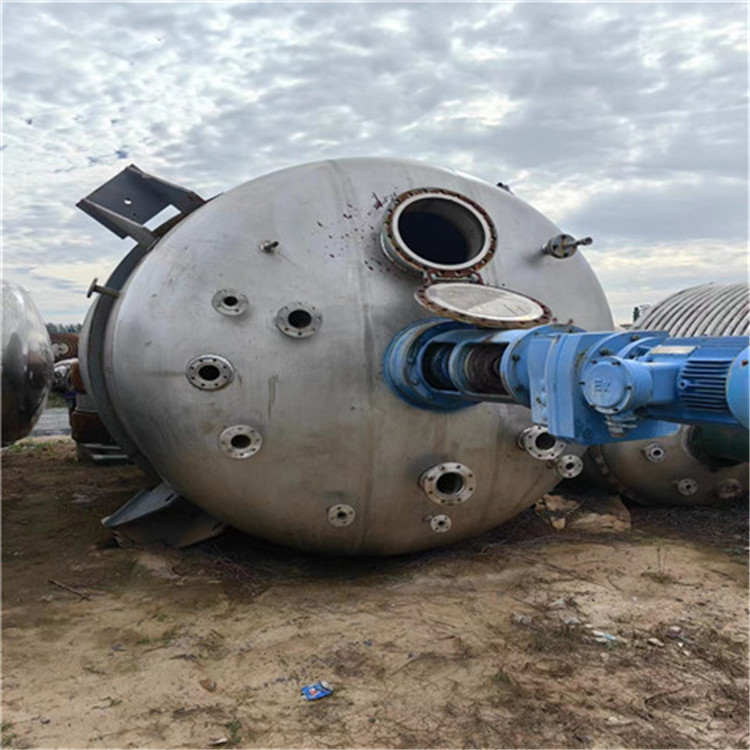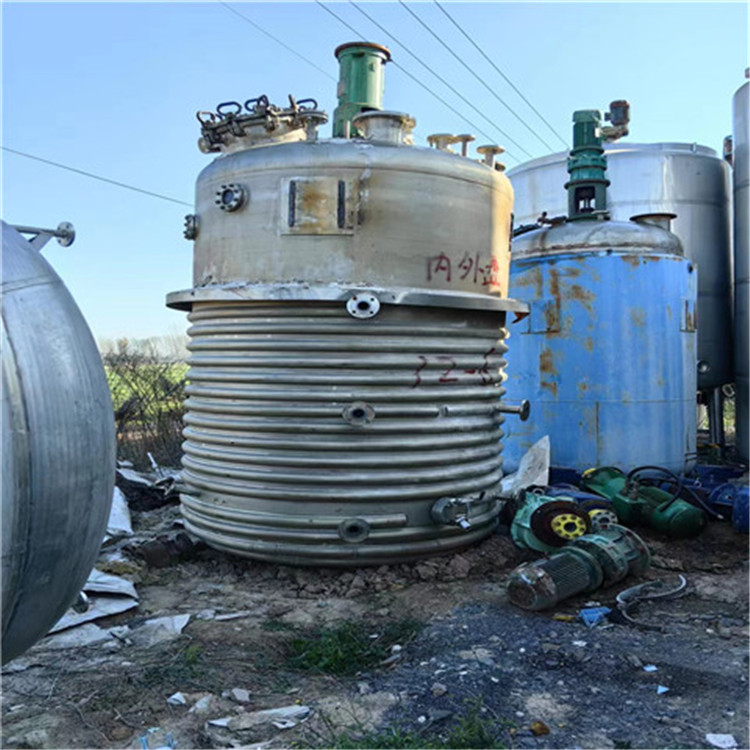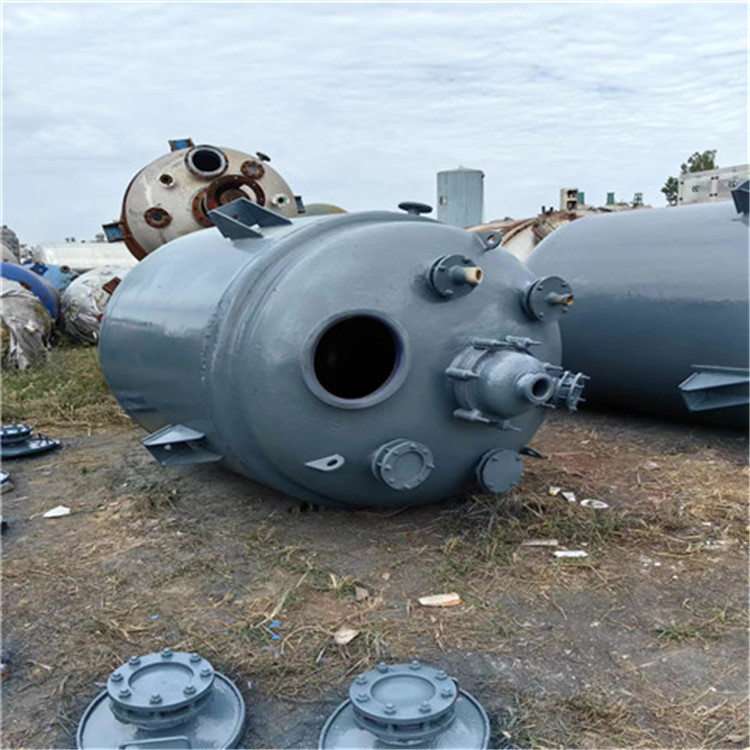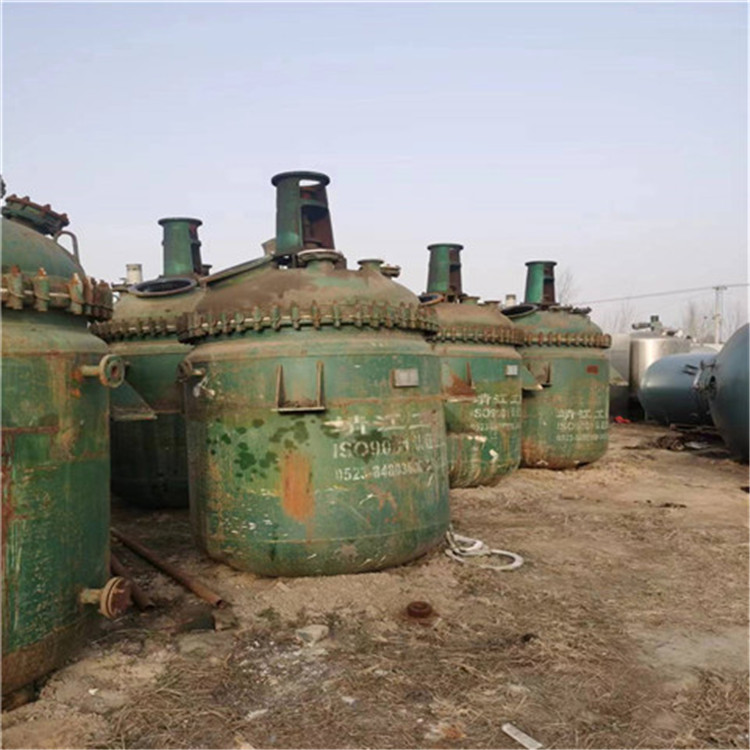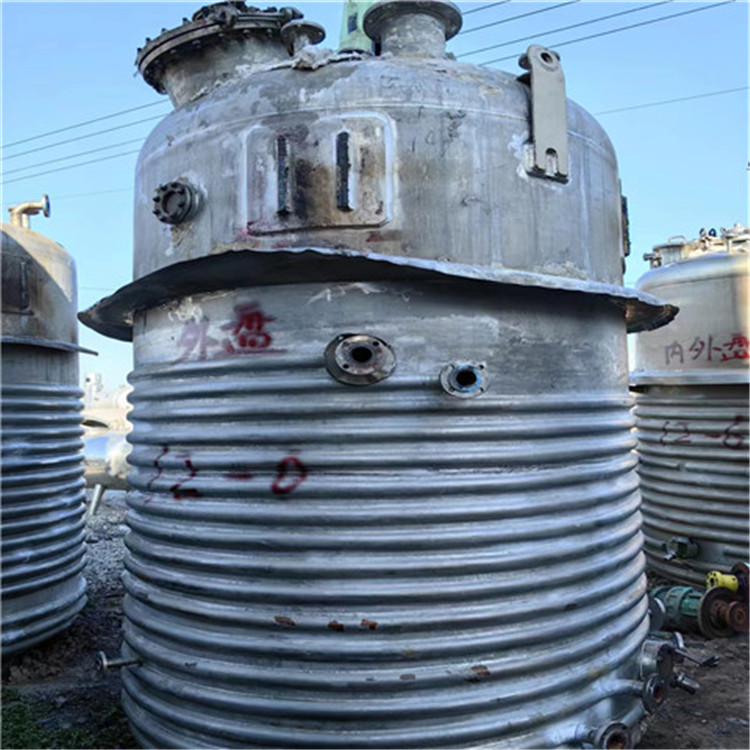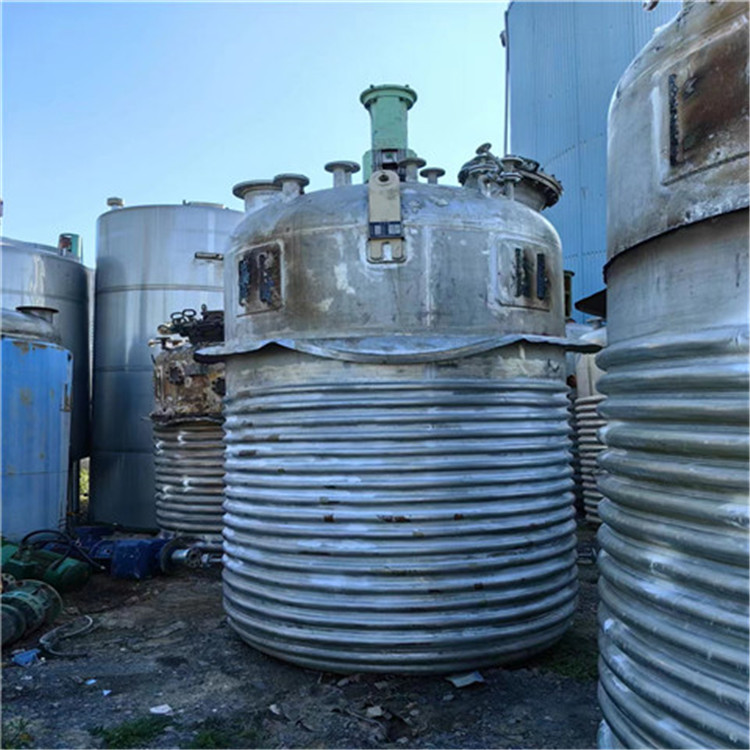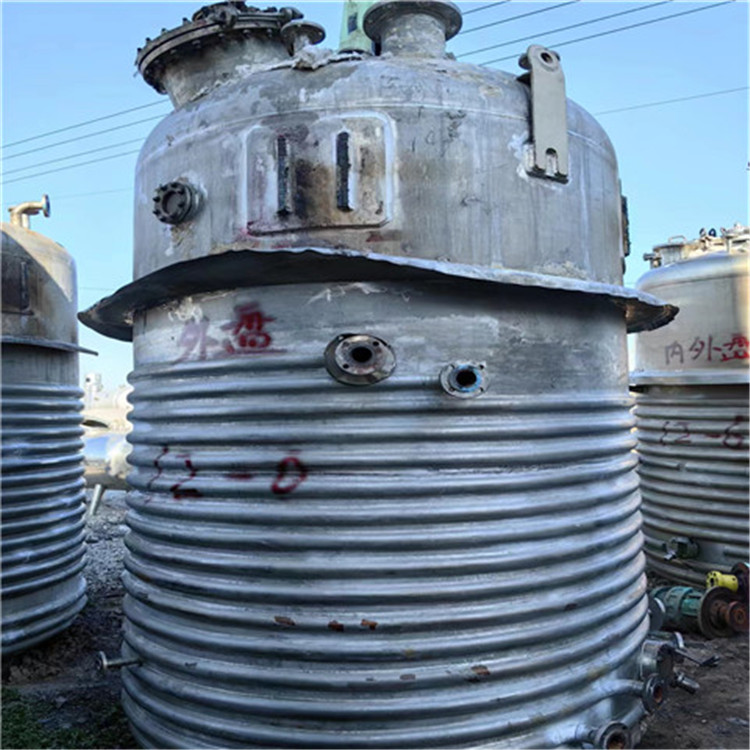
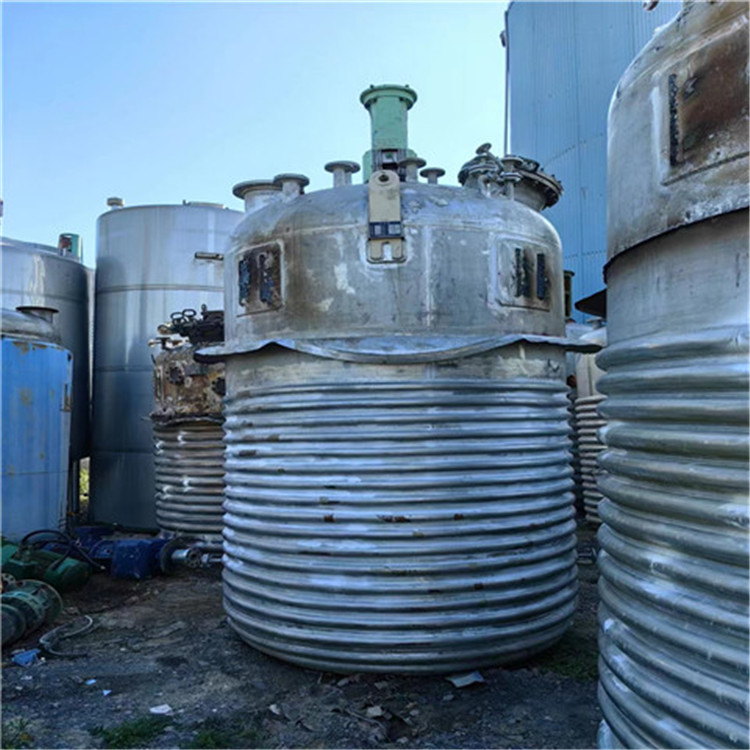







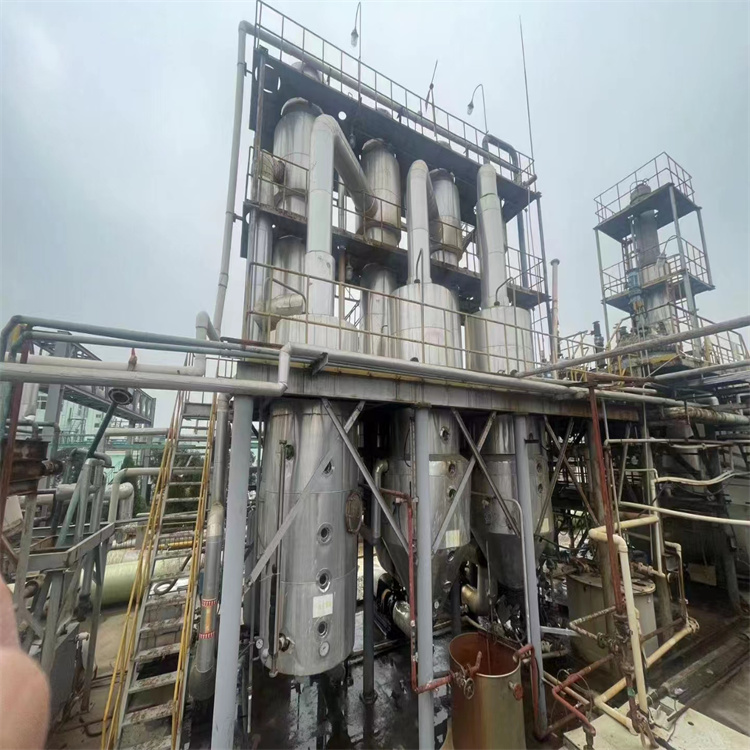
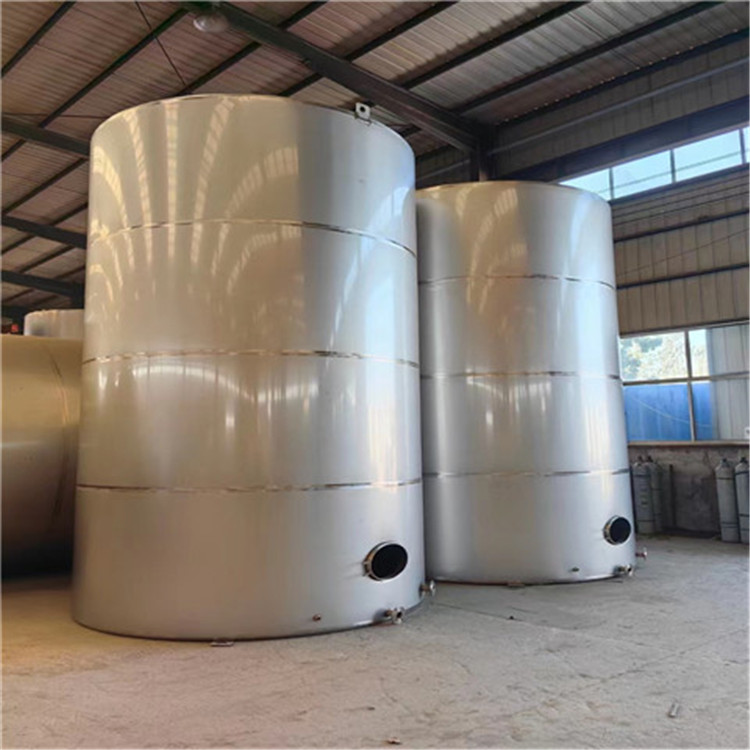
A used reactor is a common laboratory equipment. Typically made of high-quality stainless steel, it can withstand reactions under high pressure and high-temperature conditions, boasts excellent sealing and stability, and ensures the safety and reliability of the experimental or production process.
Used reactors offer several advantages. Firstly, their volume and shape can be chosen and adjusted according to experimental requirements, catering to different production scale needs. Secondly, in addition to standard mixing and heating functions, additional equipment like cooling systems, mixers, and sensors can be configured as needed to meet specific reaction conditions. Moreover, purchasing used reactors contributes to sustainable resource use and environmental protection, reducing resource consumption and waste generation during manufacturing. Furthermore, compared to new reactors, used ones are more cost-effective, making them a preferred choice for laboratories and startups.
The construction of second-hand reactors is precise and complex, comprising a kettle body, lid, stirrer, jacket, support and transmission unit, and shaft sealing device, etc. The material and aperture can be customized according to the user's process requirements. Heating methods include electric, oil, gas, water (or cooling), and open flame heating. The jacket types are jacketed and external semi-tubular. Jacketed oil heating models are equipped with flow guiding devices. The stirring types generally include paddle, anchor, frame, ribbon, and scraper. Transmission types include standard motors, explosion-proof motors, electromagnetic speed control motors, and inverters.
Additionally, second-hand reactors are widely used in industries such as oil, chemical, food, and scientific research, suitable for processes like sulfonation, nitration, hydrogenation, hydrocarbonation, polymerization, and condensation.
Second-hand reactors are a stable lab equipment with various advantages and application fields. Through reasonable configuration and use, they play a significant role in promoting scientific research and production innovation.