









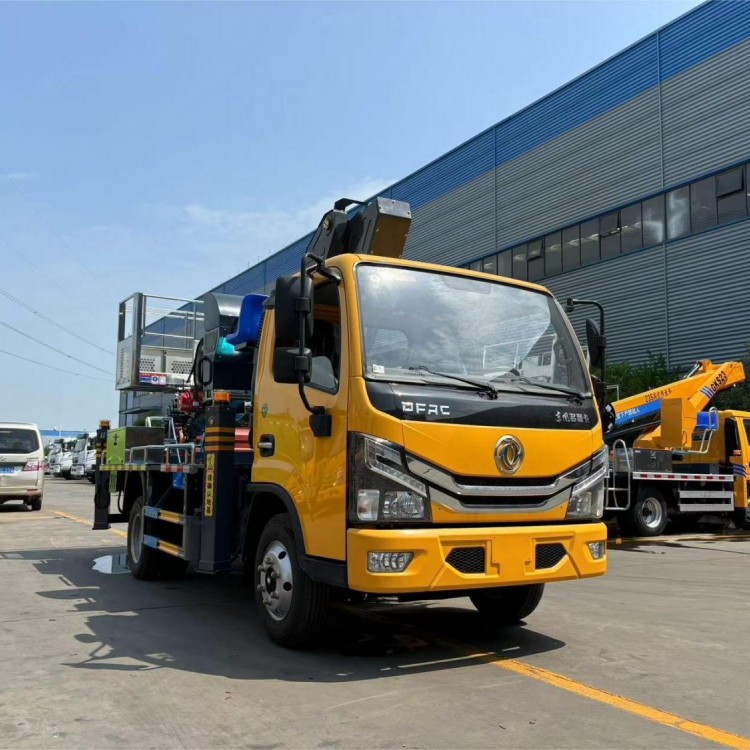
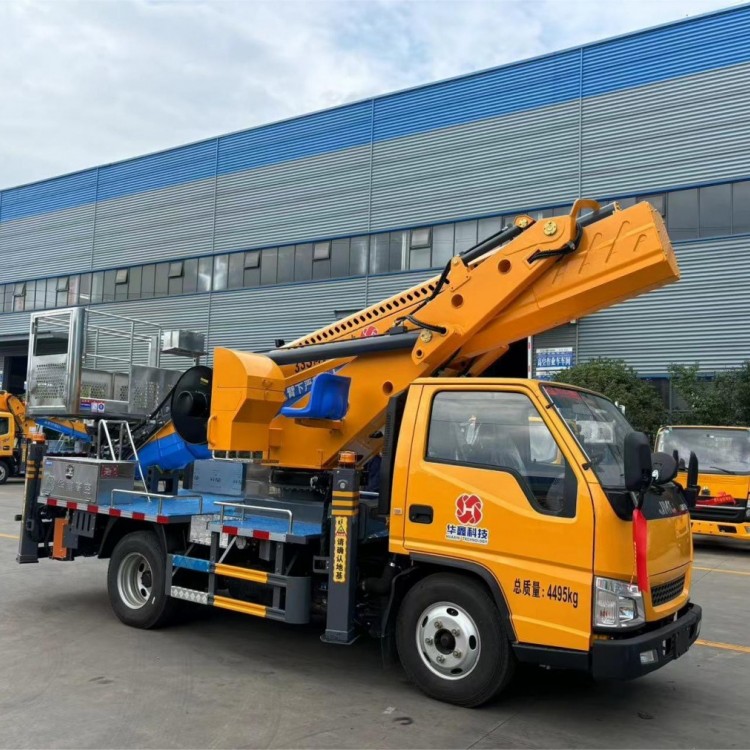
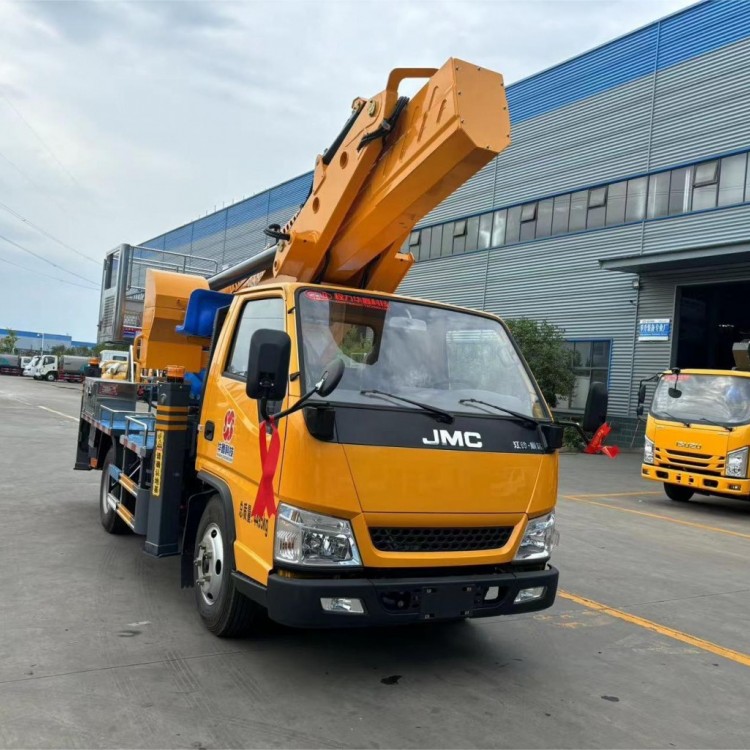
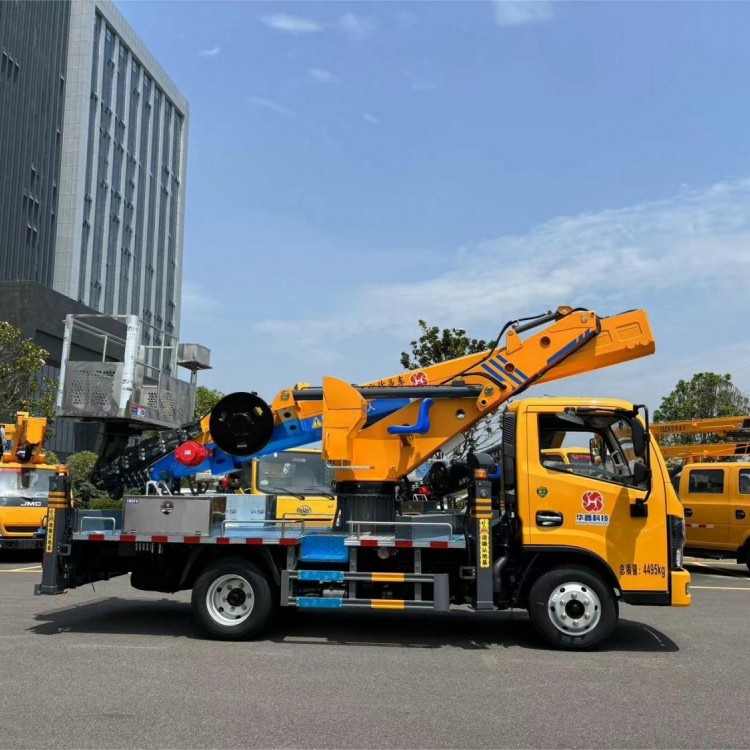

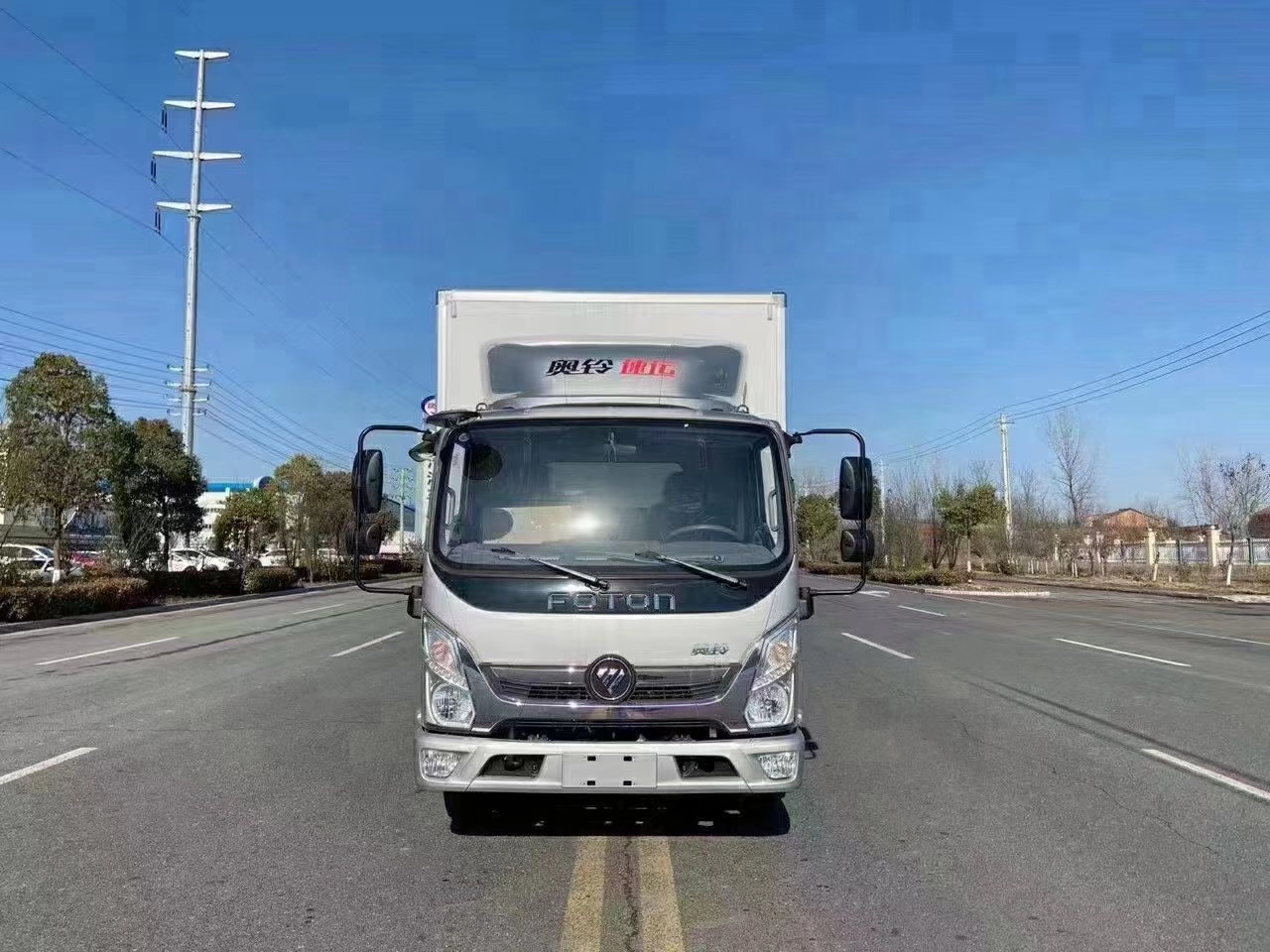

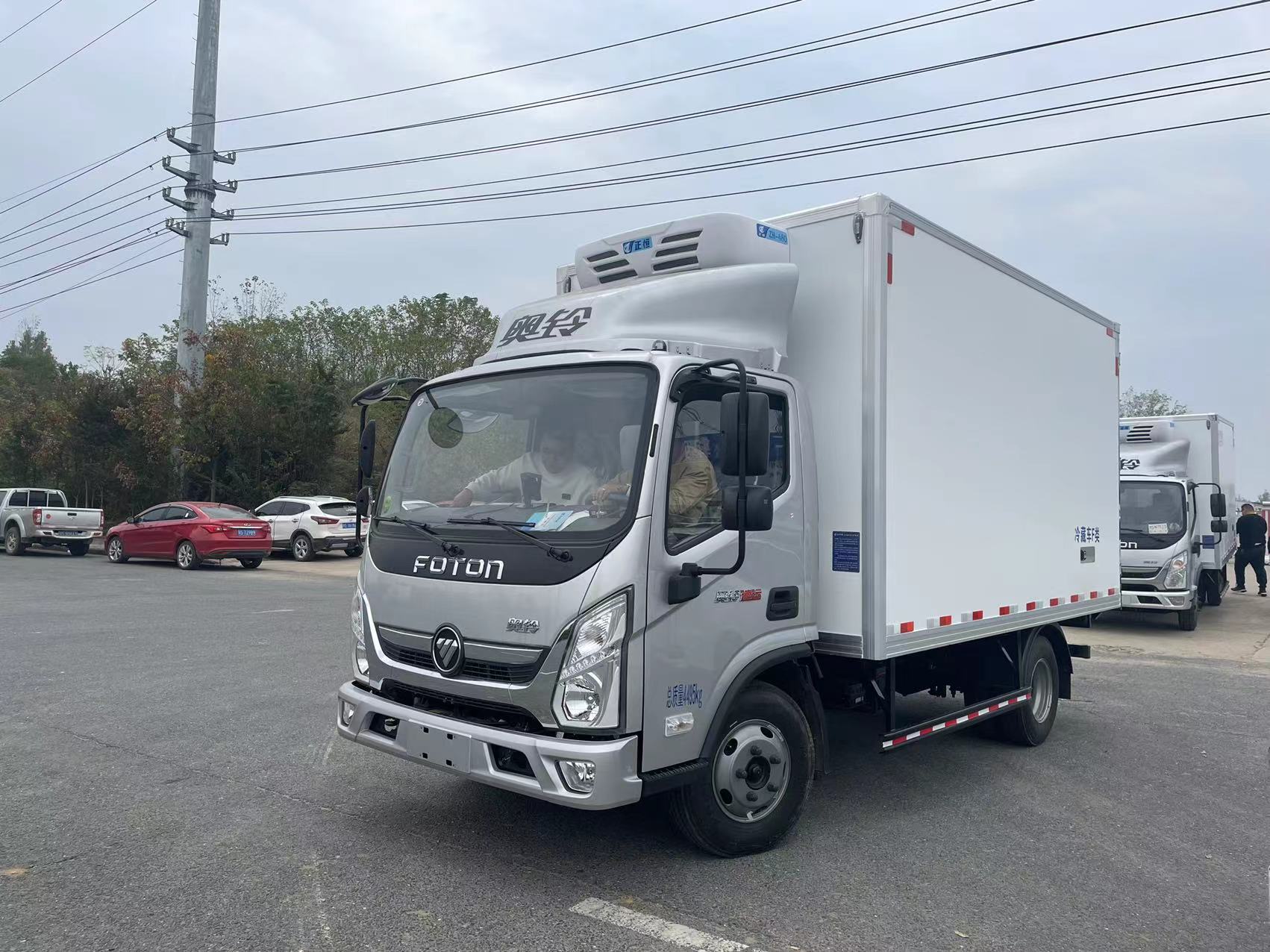
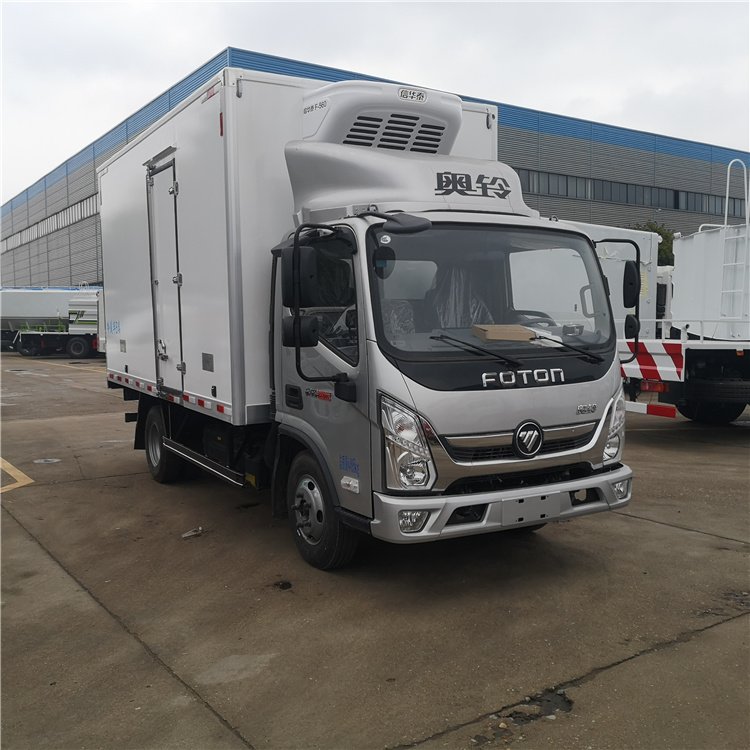
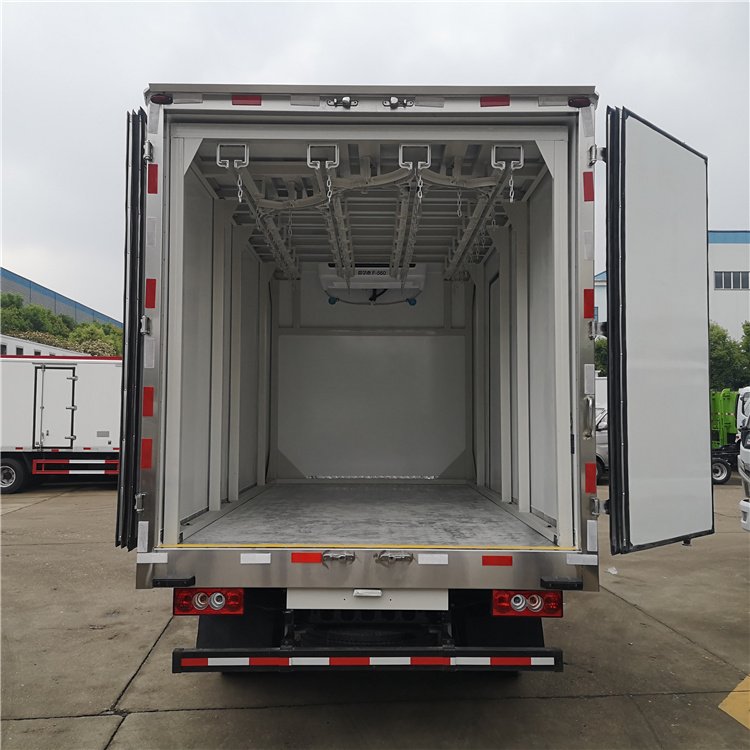

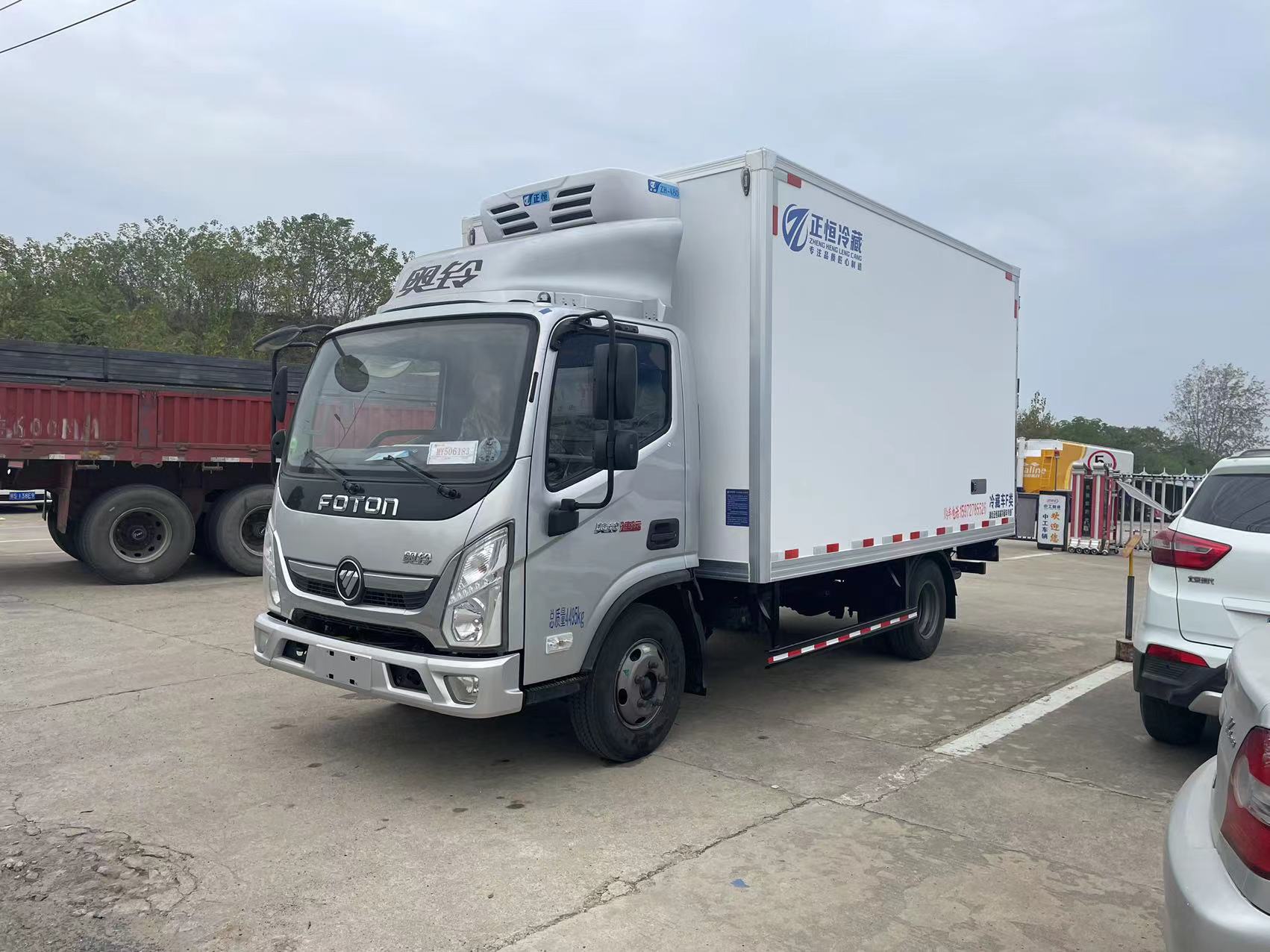

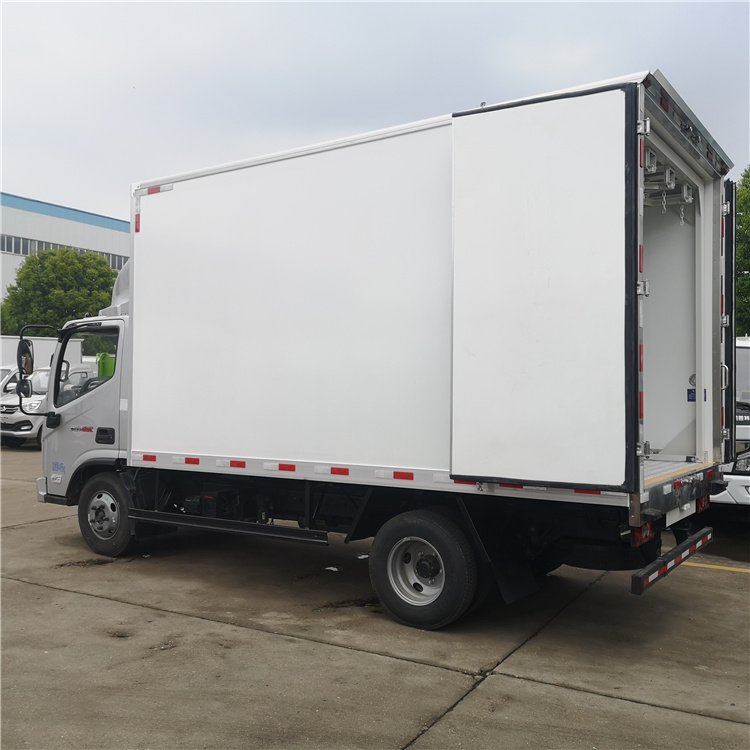
In everyday life, the transportation of many goods requires freezing or refrigeration, so people install refrigeration units in transport vehicles, which are known as refrigerated trucks. The emergence and development of refrigerated trucks have greatly facilitated the freezing and refrigeration process during the circulation of goods.
Nowadays, the transportation of goods in major and medium-sized cities often employs refrigerated trucks. However, the industry's penetration rate is low, and each year, there are still significant losses due to spoilage of foods, meats, fruits, vegetables, medicines, and alcoholic beverages during transportation. This highlights the vast market potential for refrigerated storage facilities, and the cold storage industry still has ample room for expansion in this field.
Refrigerated trucks offer a significant supplement to the storage limitations of traditional cold storage facilities, greatly enhancing the flexibility of cold storage development and opening up new channels and spaces for the cold storage industry. Therefore, while promoting the construction of cold storage facilities, it is also crucial to actively propagate the widespread use of refrigerated trucks to mitigate unnecessary losses incurred during long-distance transportation of goods.
Maintenance and Care for Insulated Vans of Refrigerated Trucks
When it comes to refrigerated trucks, I often emphasize that under the premise of stable operation of the refrigeration unit, providing a stable cooling condition is crucial. Maintaining a consistent temperature is of utmost importance. In the previous section, I mentioned that the insulation material for the refrigerated truck body is mostly chosen to be glass fiber reinforced plastic panels, as these panels offer unique advantages.
Generally, the daily maintenance and care of a refrigerated truck's insulated body mainly involve inspecting the exterior surface, interior surface, edges, internal floor, and internal lighting, as well as the cooling air outlets. Regarding the exterior surface of the refrigerated truck body, I often remind customers picking up their vehicles at our factory not to scratch the body. This not only reduces the glass fiber's ability to withstand pressure, making it more prone to aging and deformation, but also can cause the polyurethane filling inside to leak, affecting the body's insulation performance.
For the maintenance of the interior surface of the refrigerated van, ensure proper temperature control and avoid the interior surface from icing up. If the air humidity is high, package the refrigerated products, especially seafood, as tightly as possible. Good packaging can reduce moisture evaporation into the van, decreasing the chance of ice formation inside. If ice forms on the interior surface, promptly remove it with an ice scraper after each shipment to prevent the ice layer from thickening. This not only affects the storage space but also increases the vehicle's weight and fuel consumption. The same attention should be given to the interior to avoid damage to the surface from sharp goods or packaging boxes.
That is, what I often refer to as the maintenance and care of internal electrical equipment, as the electrical equipment in the refrigerated trailer body is in an environment with relatively high humidity and low temperatures. It is crucial to prevent various short circuits caused by exposed power lines, as well as to avoid unnecessary damage to heat-generating lighting equipment due to the alternation of cold and heat.













