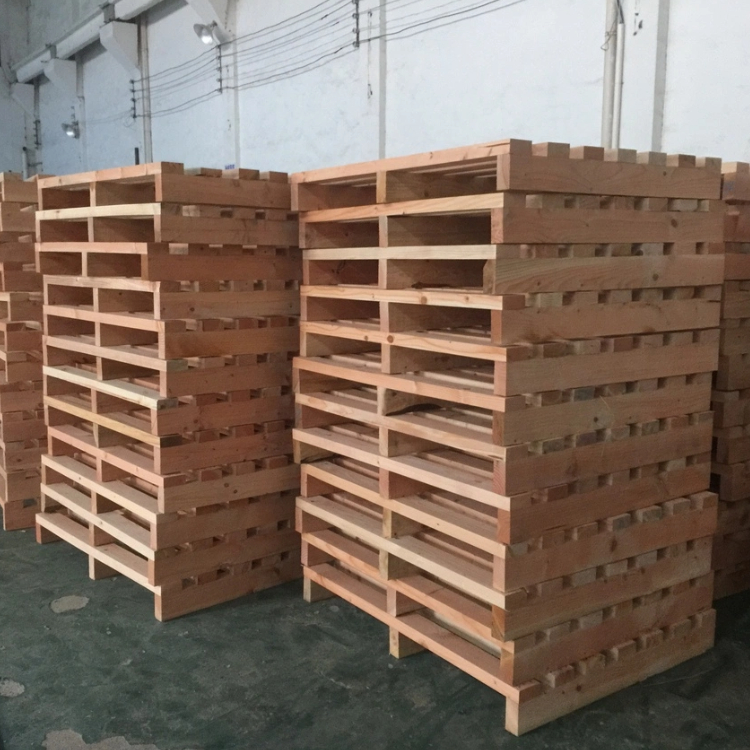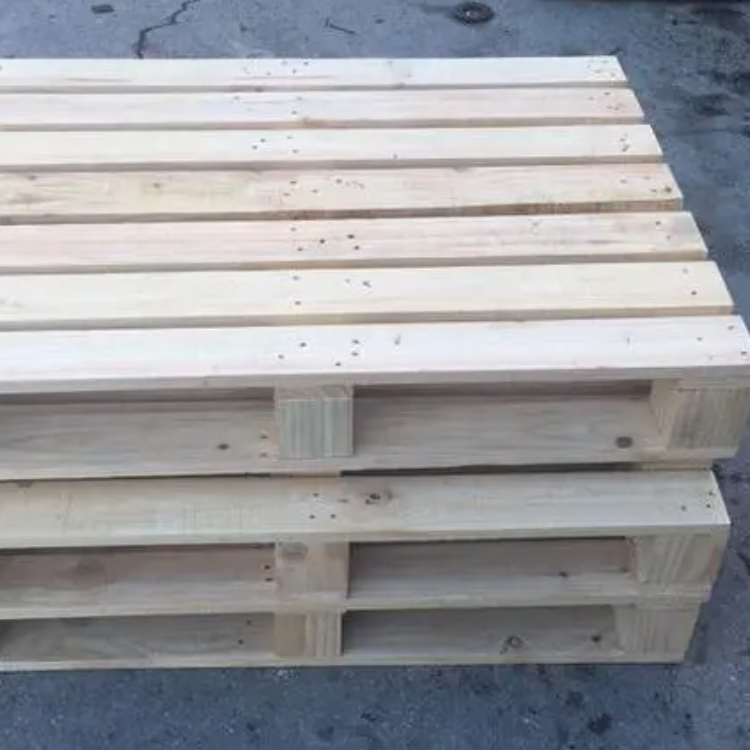

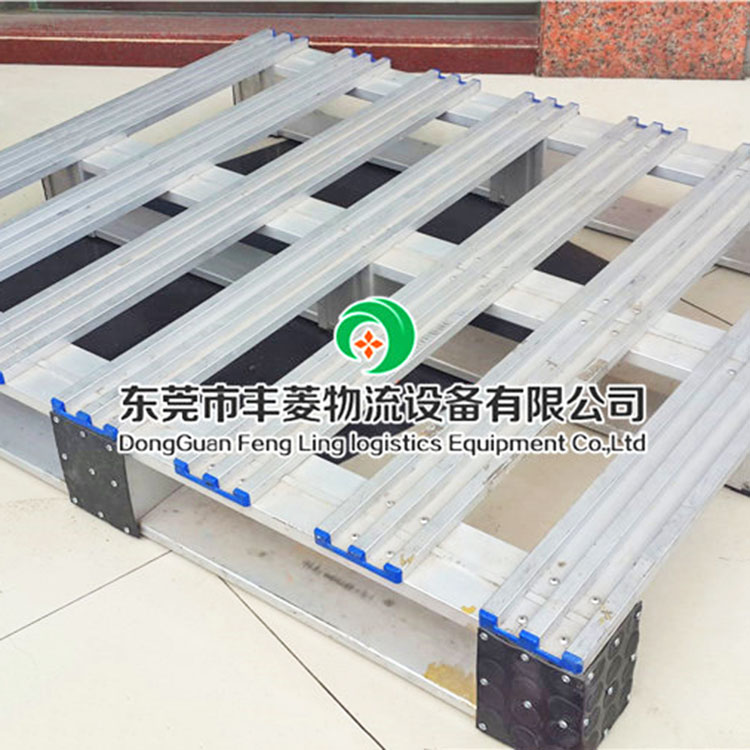

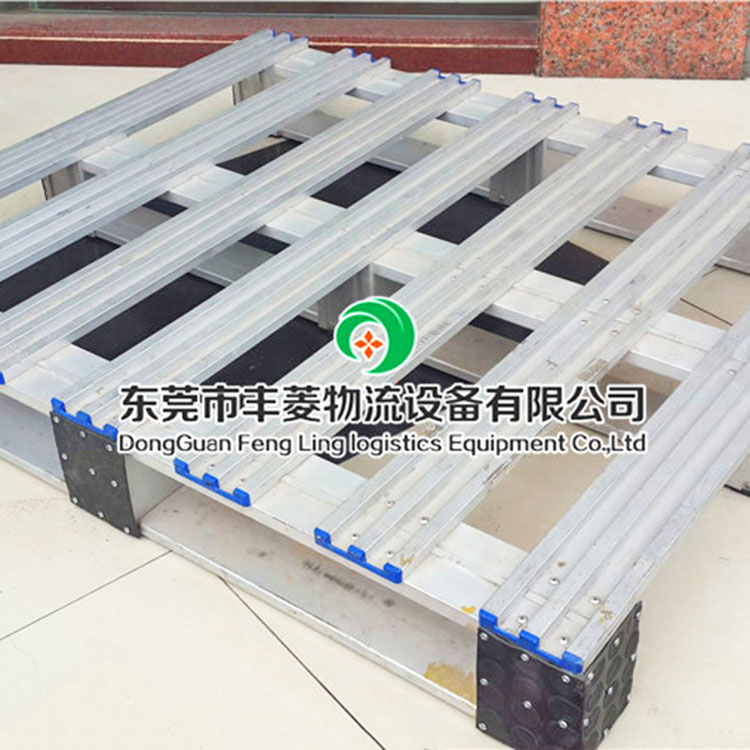
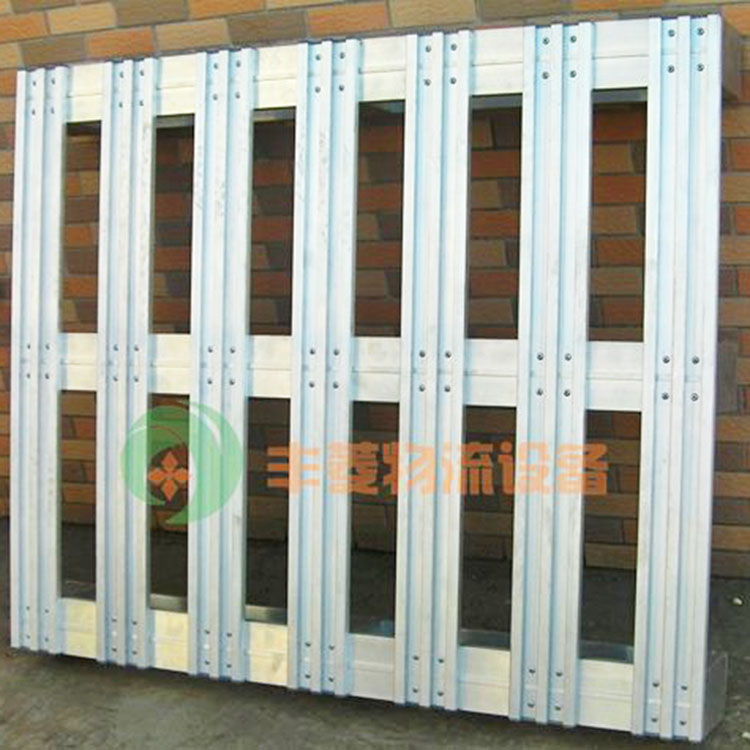


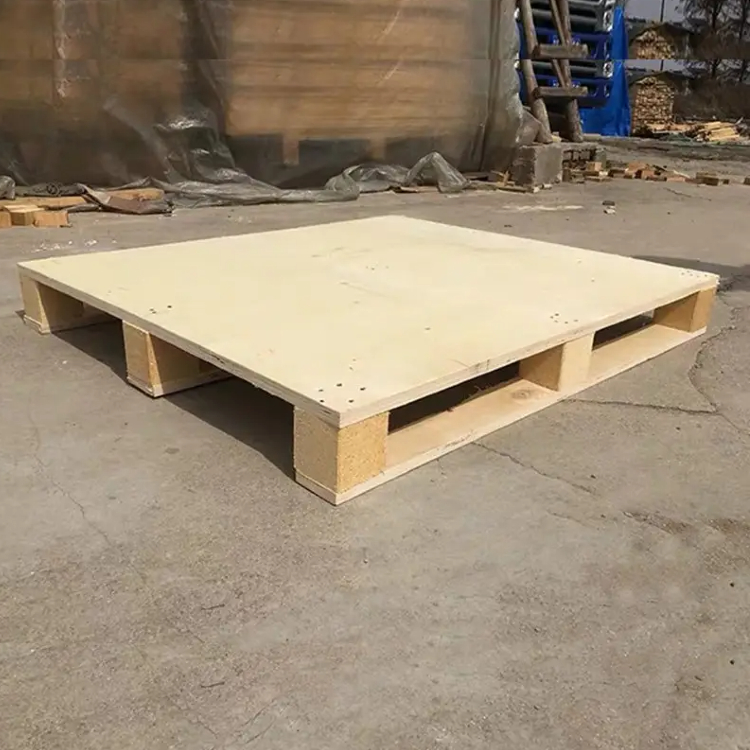
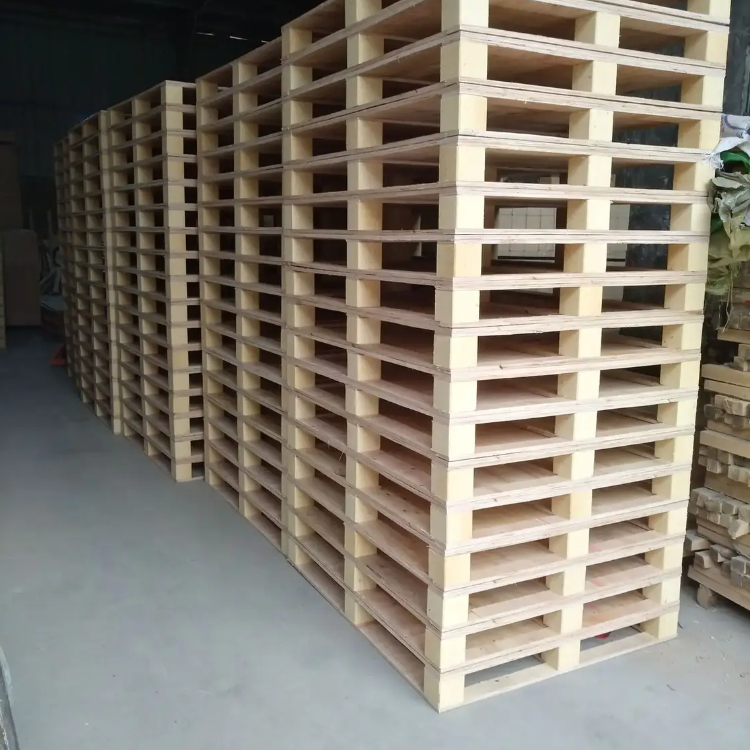
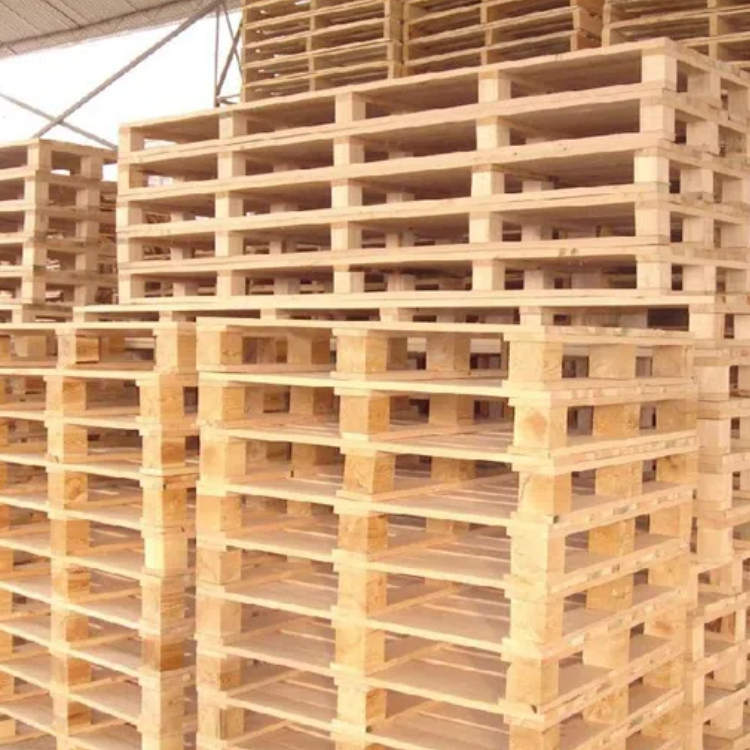





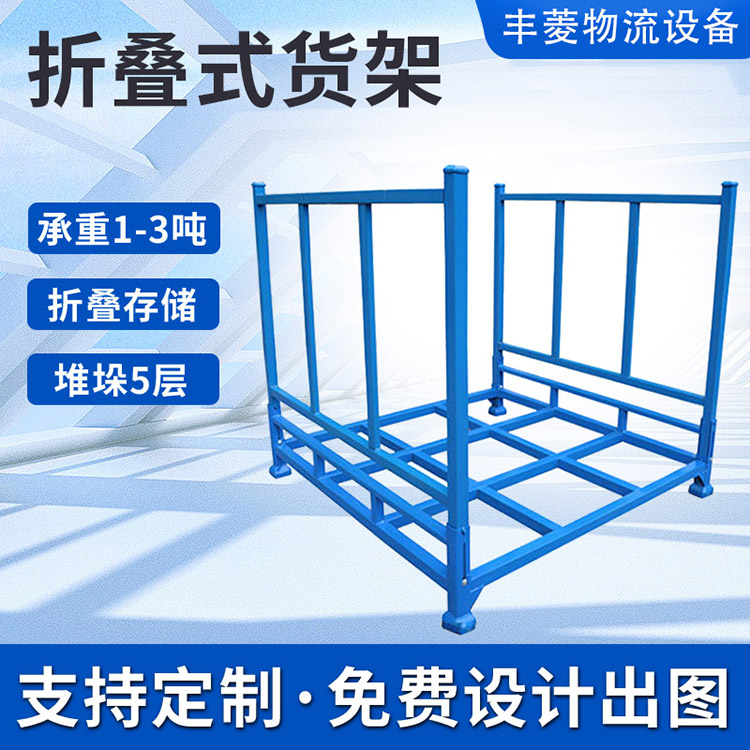
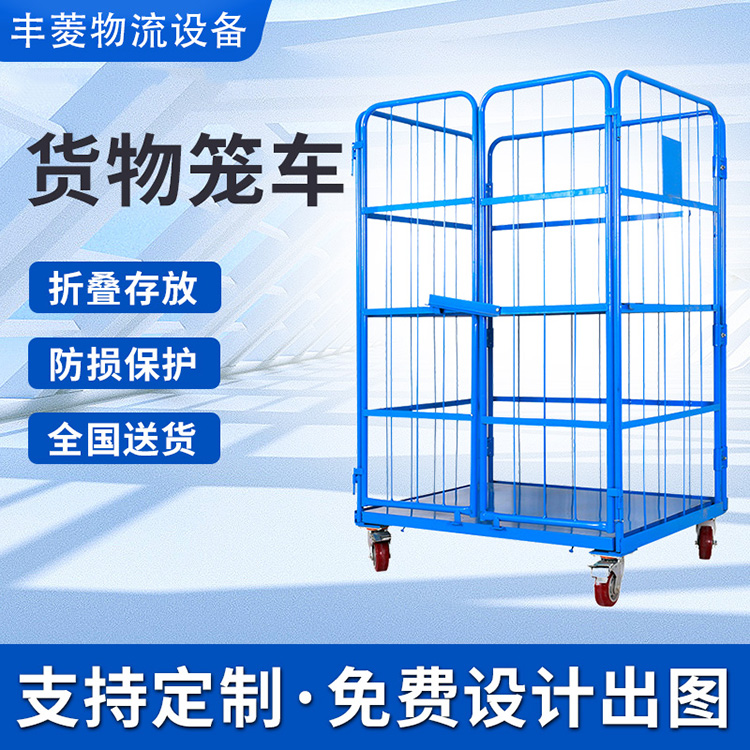
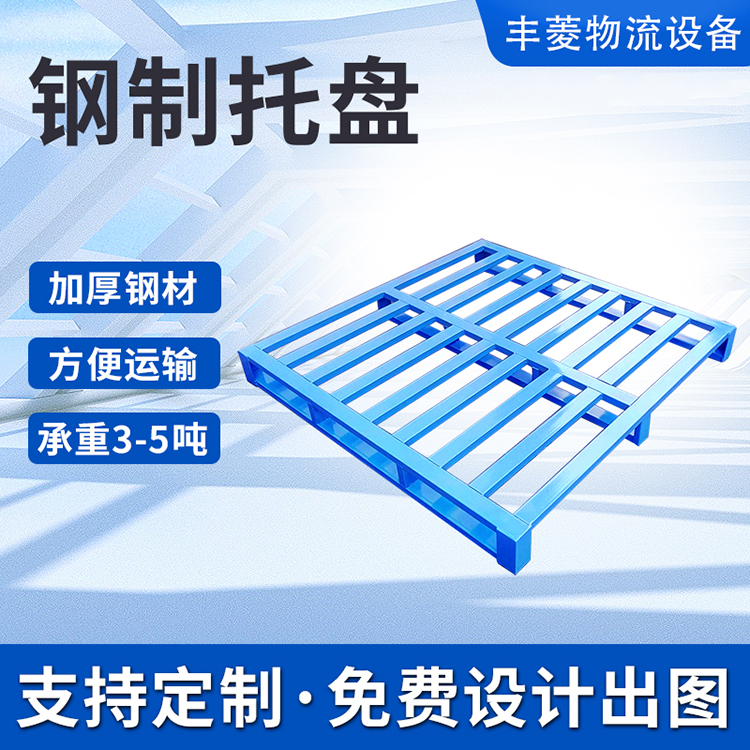
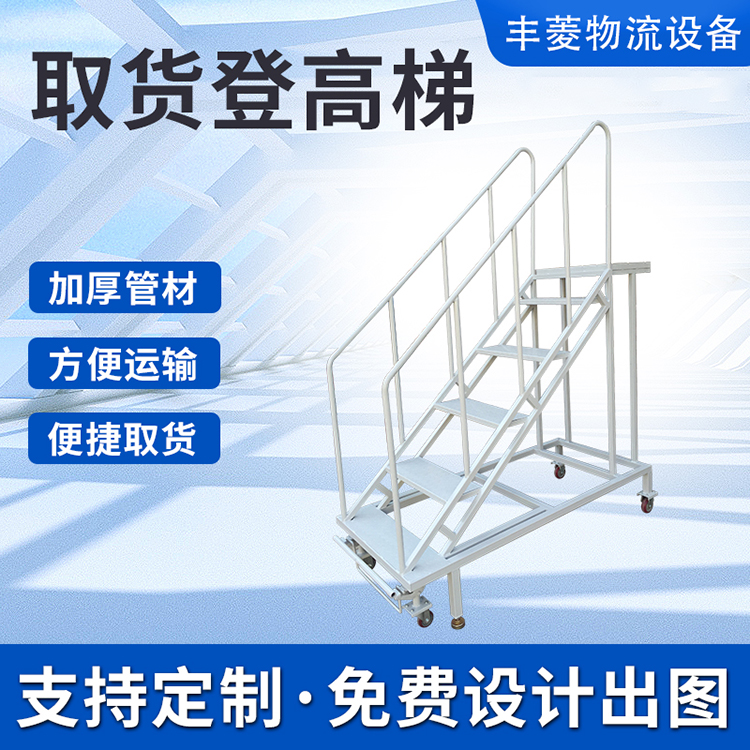
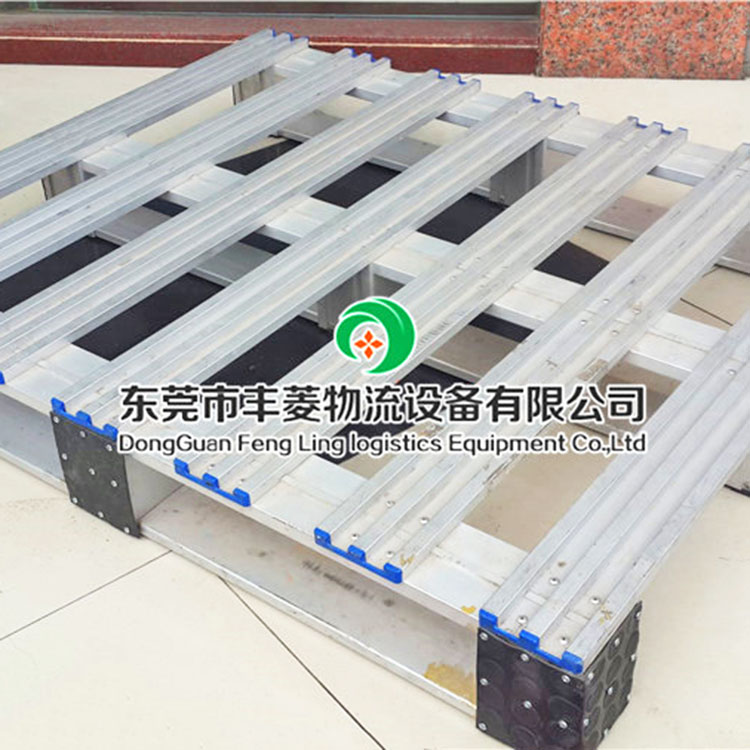
Fengling Pallet Basic Introduction:
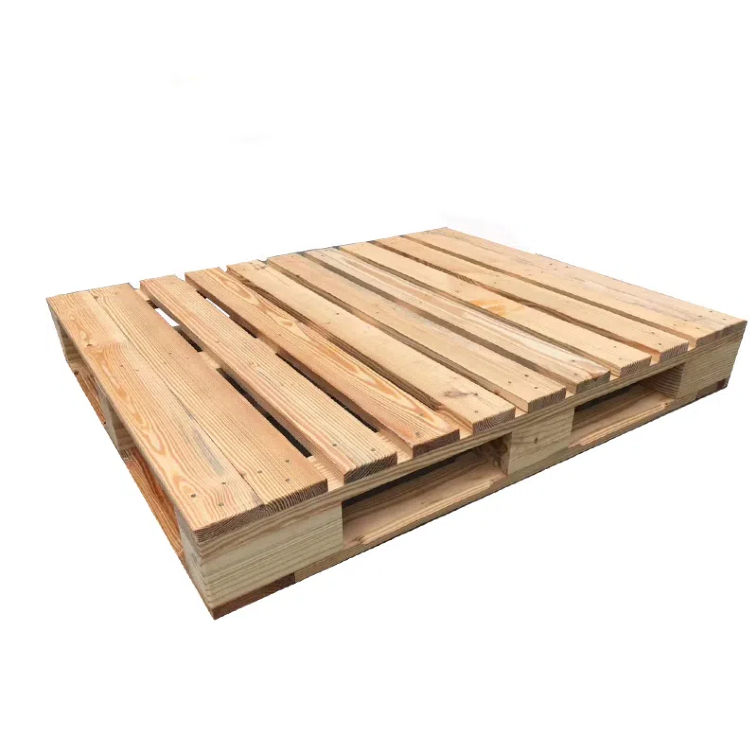
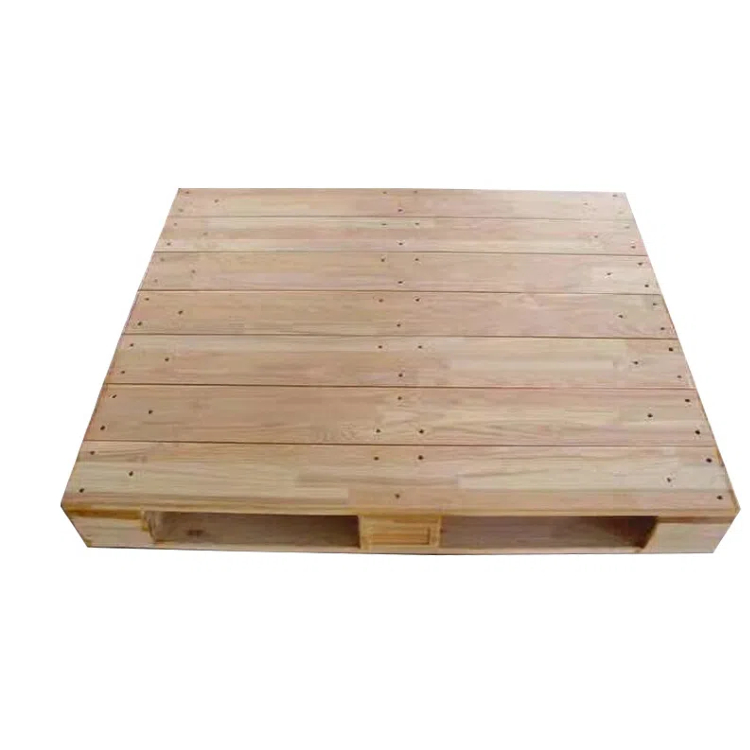
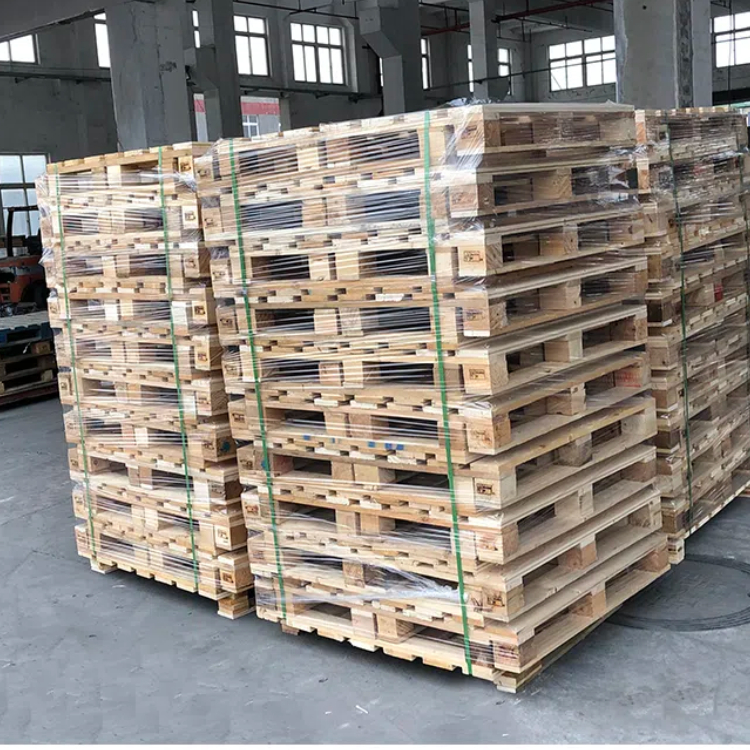
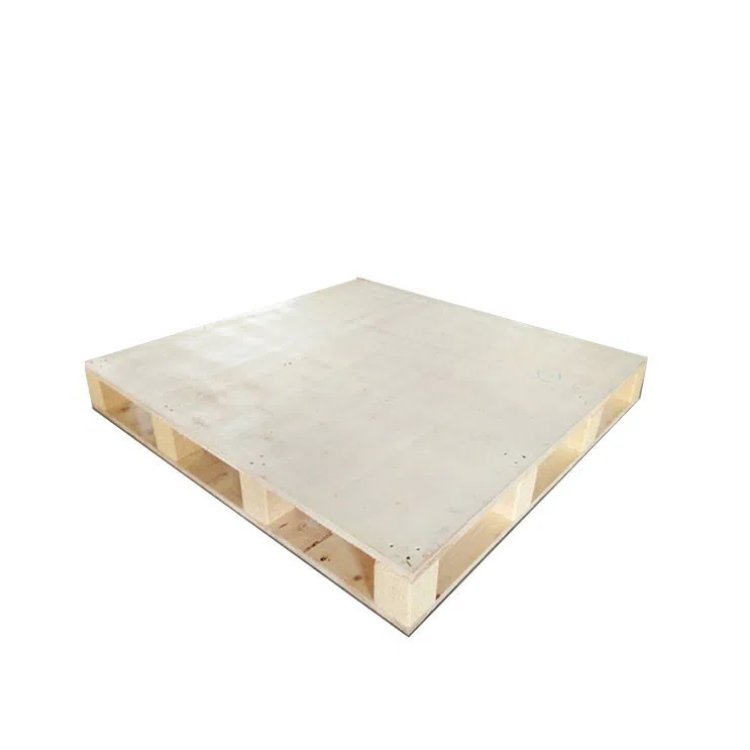
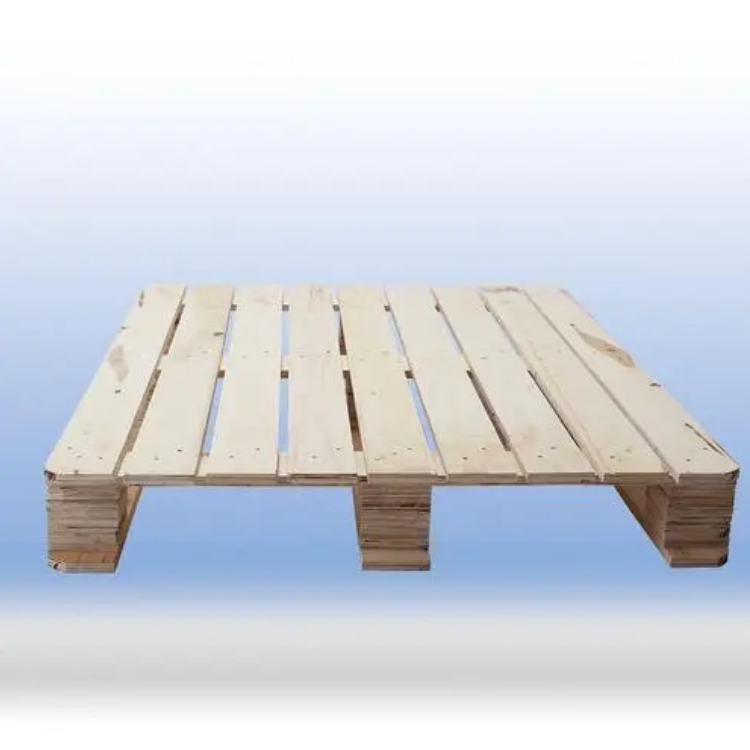
A pallet refers to a flat platform device used for unitizing, stacking, handling, and transporting goods and products. It is a container tool used for automated or mechanized loading, unloading, handling, and stacking of goods. Its basic function is to hold materials, while also being convenient for forklifts and stackers to lift and store them.
To enhance inventory management efficiency and warehouse utilization, and to achieve automated storage operations, the storage method of goods with accompanying pallets is commonly employed, making the pallet a storage tool. To eliminate the processes of loading and unloading, as well as disassembling the pallets, the concept of pallet circulation or co-operation has been proposed. This involves transforming the use of pallets from within ports, stations, and within enterprises to transportation with vehicles, making them a type of transport tool; or from pallet handling to storage to transportation to sales, developing into a continuous pallet logistics system. Pallets have become an essential condition for achieving rationalization in logistics. Therefore, pallets serve not only as handling equipment but also as containerized units, and are widely used as packaging equipment in logistics systems worldwide.
The introduction of pallets has facilitated the formation and development of containers and other packaging methods. Currently, pallets and containers have become the two main pillars of the packaging system. As a lightweight platform for loading, unloading, and storing materials, pallets are convenient for using forklifts, transport vehicles, cranes, and other handling units to move items or small quantities of goods.
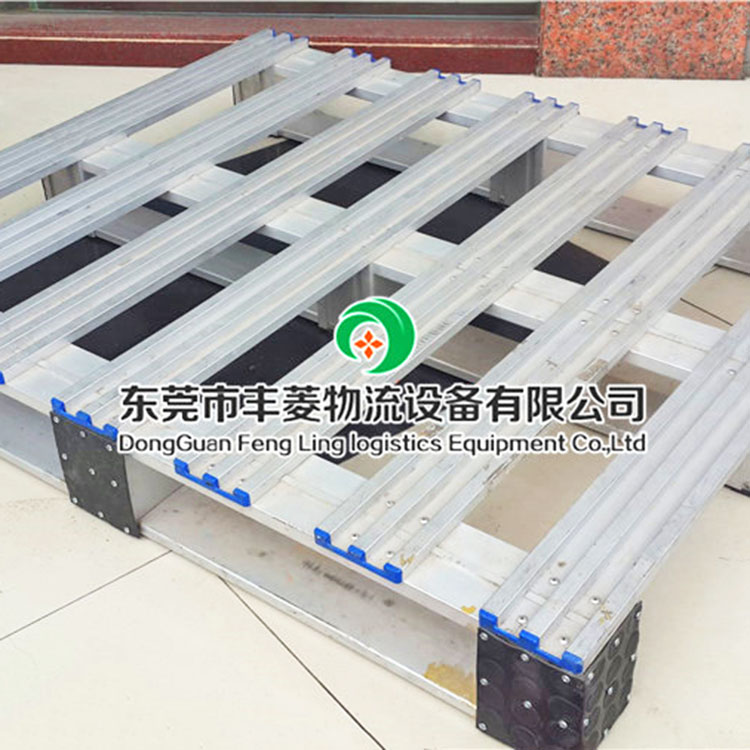
Fengling Aluminum Alloy Pallet Standard Dimensions:
L1200*W1200*H150㎜
L1200*W1000*H150㎜
L1100*W1100*H150㎜
Fengling Aluminum Alloy Pallet Advantages:
1. Light in weight, requiring less labor for handling and transporting the pallet itself, significantly less than transporting shipping containers.
2. Easy to return empty with minimal transportation capacity used. Since the cost of the pallets is not high and they are easily interchangeable, they can be used to offset each other, eliminating the need for a fixed owner like containers. There's no need for empty returns like with containers, and even if there are returns, they are easier than with containers.
3. Easy to load onto a tray. No need to go deep into the container like with a shipping container; after loading, you can use techniques like tight banding for secure handling. Simple to use.
4. Although smaller than containers, it can still concentrate a certain quantity, much larger than the combined volume of general packaging.