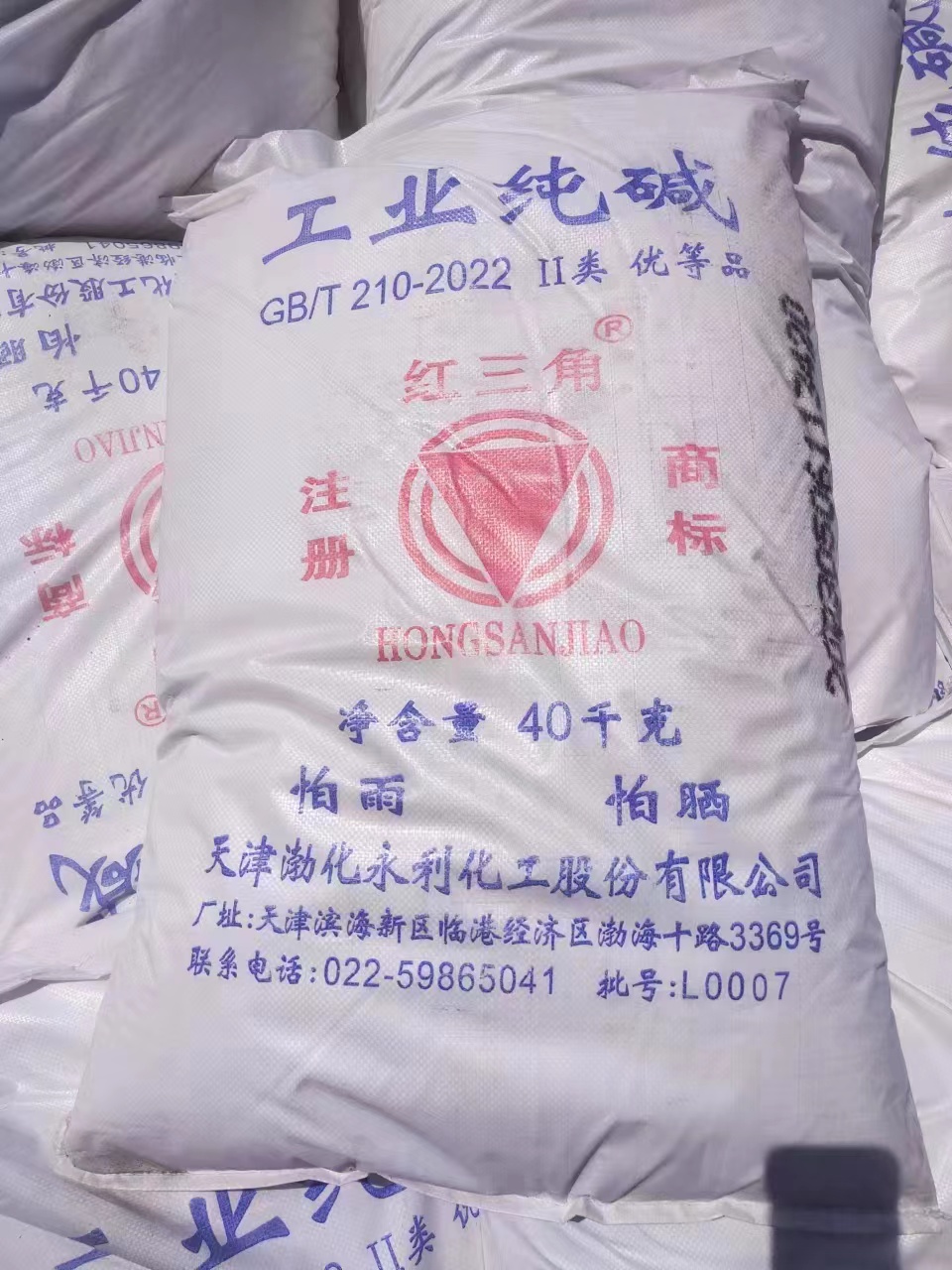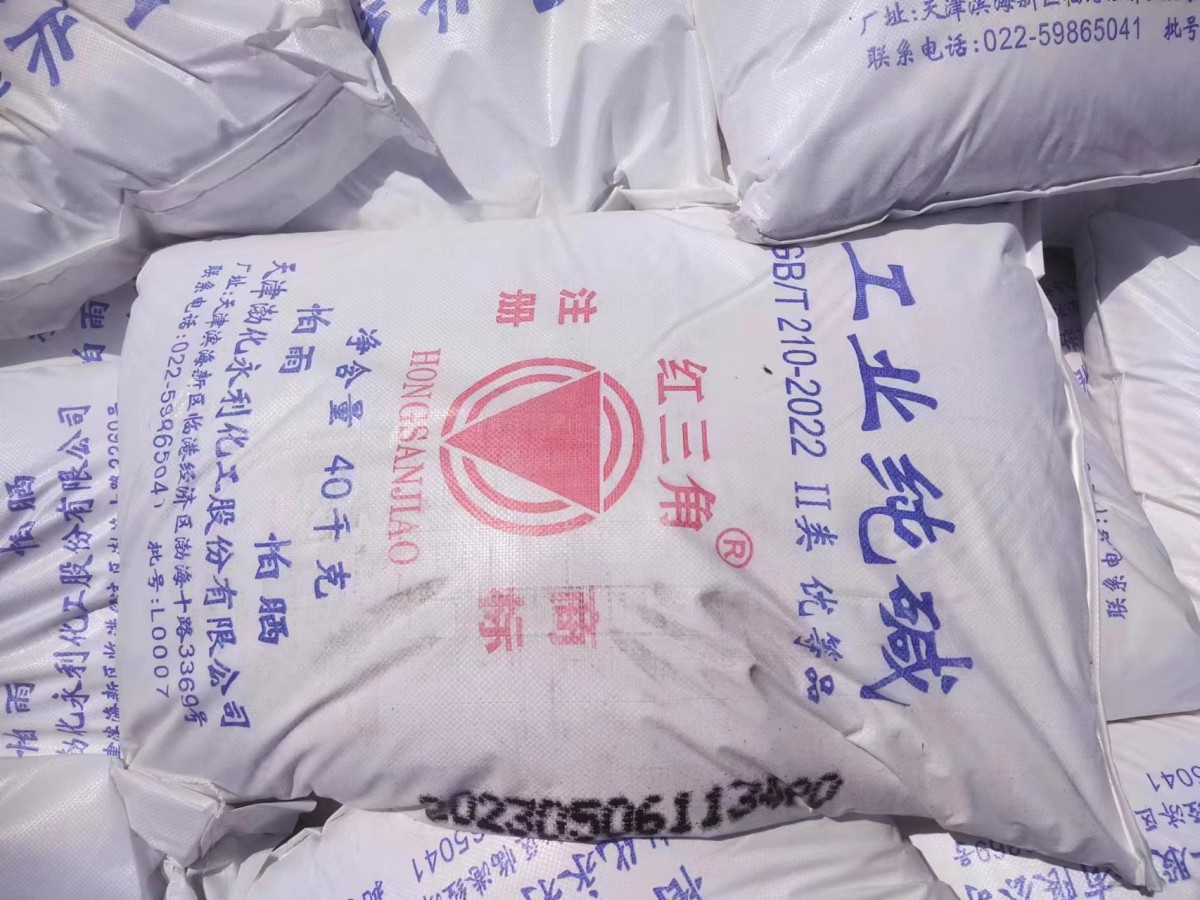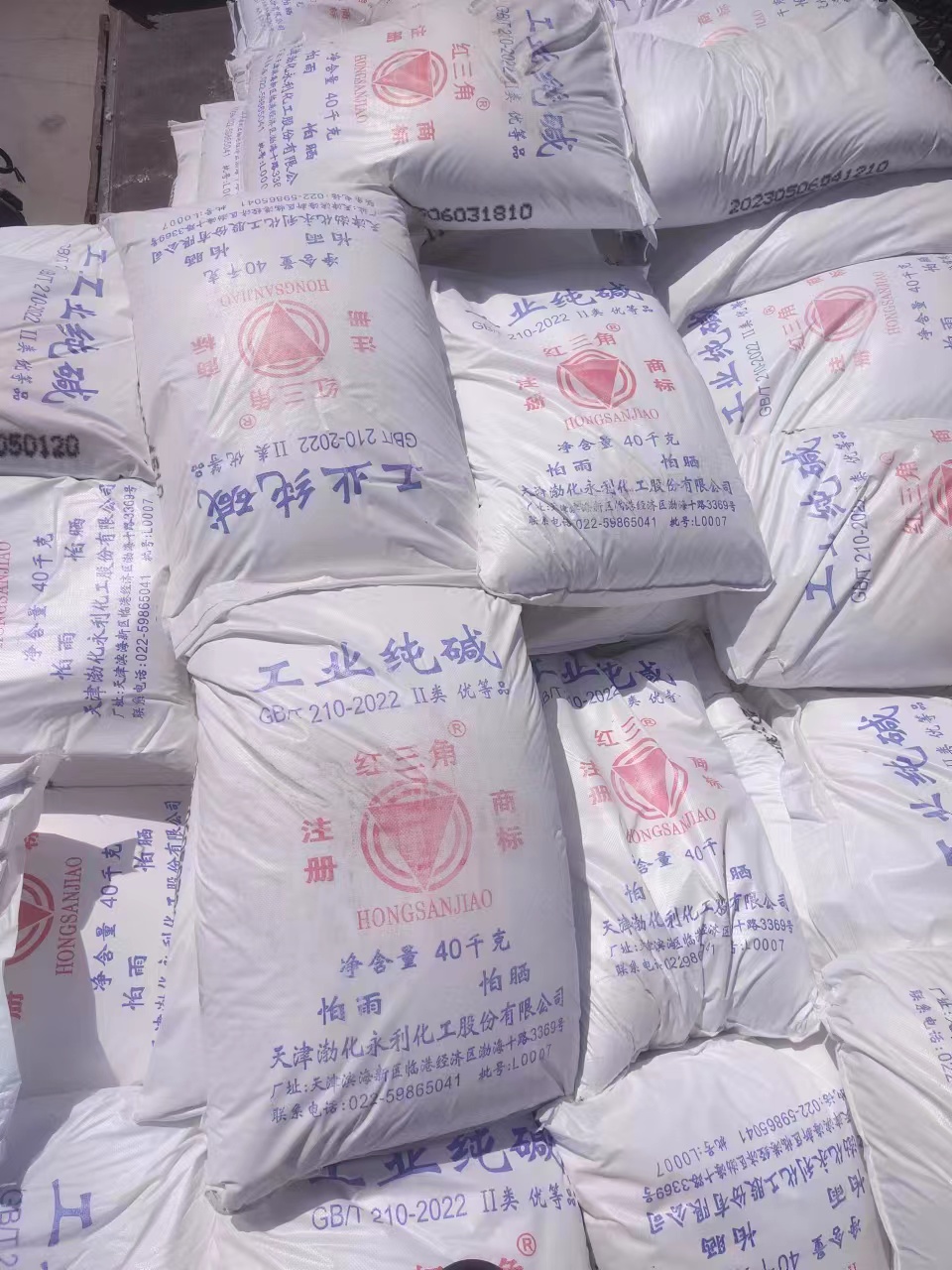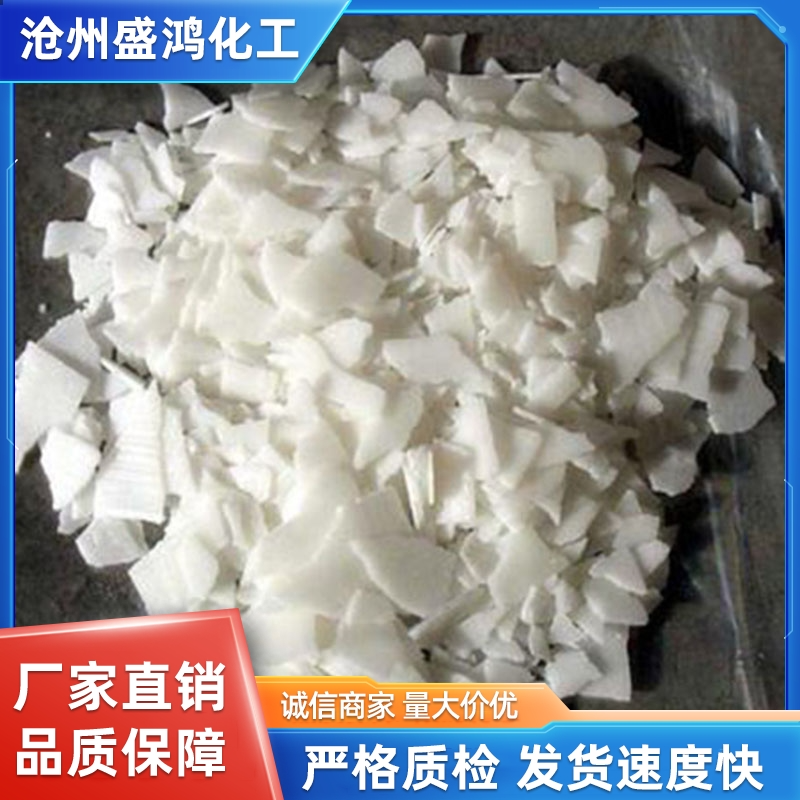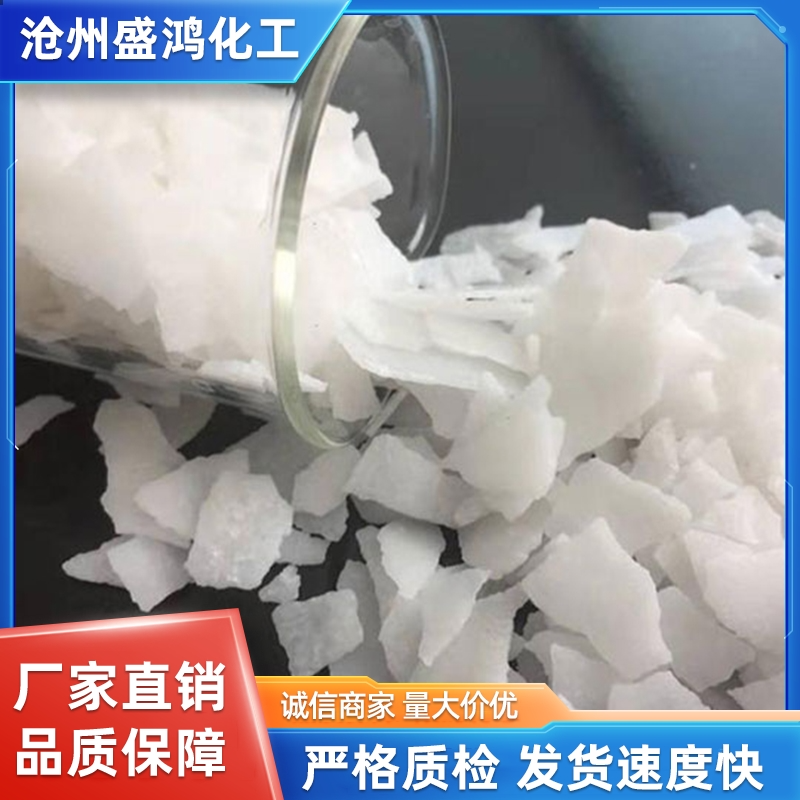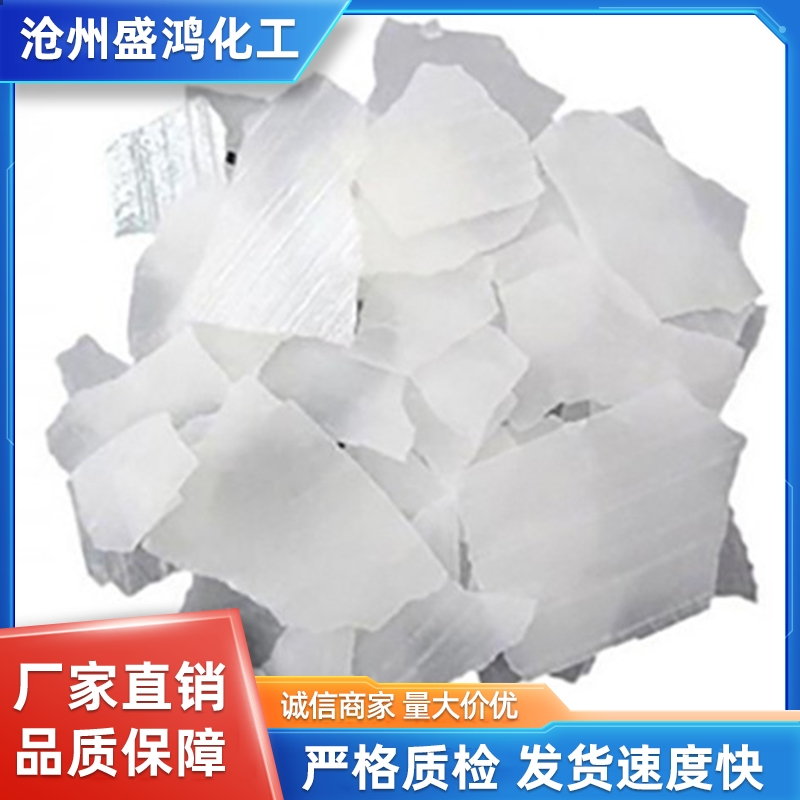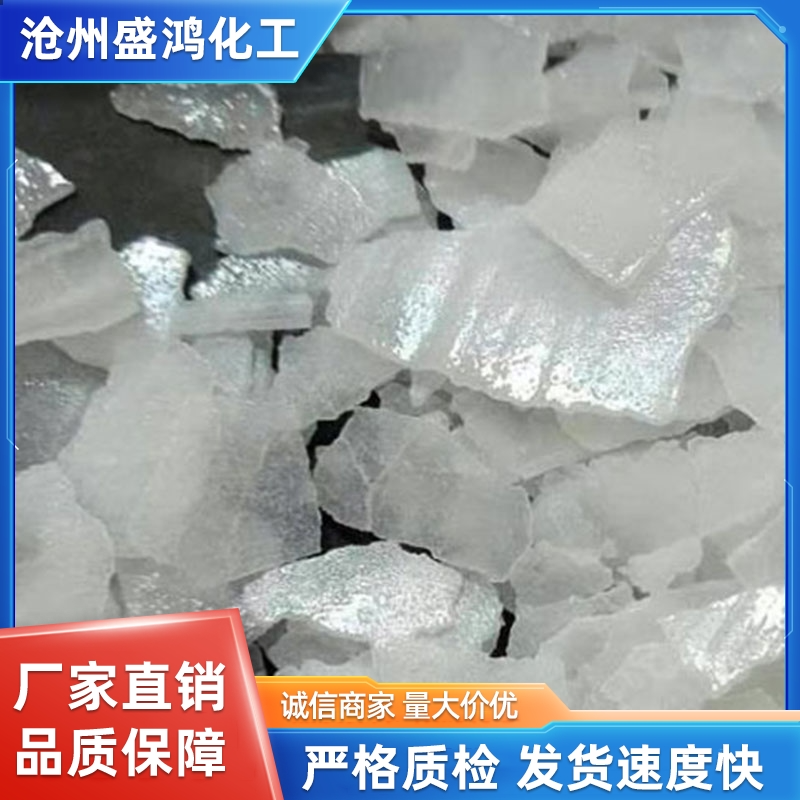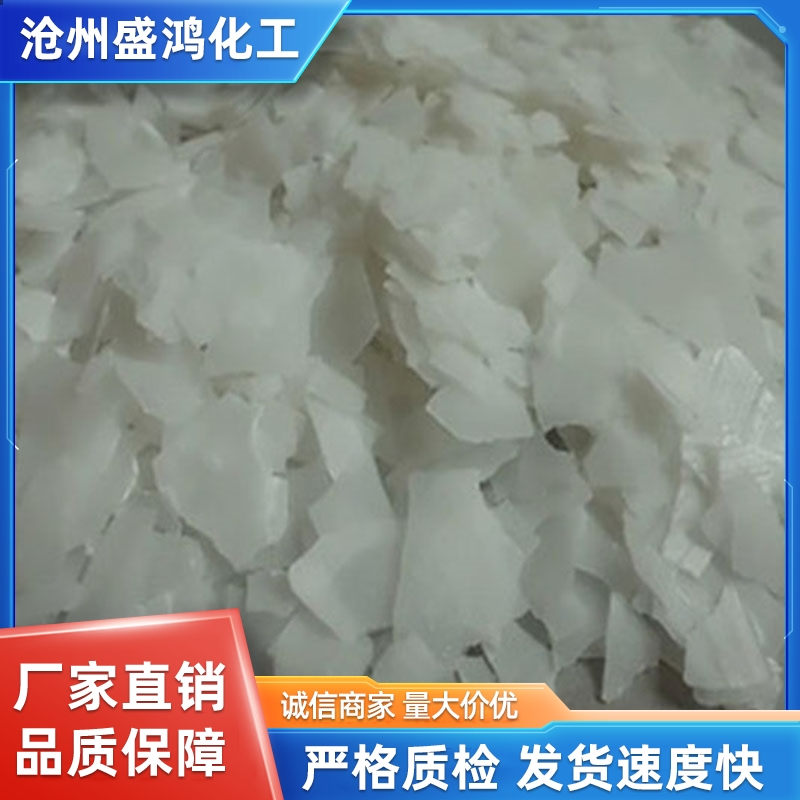

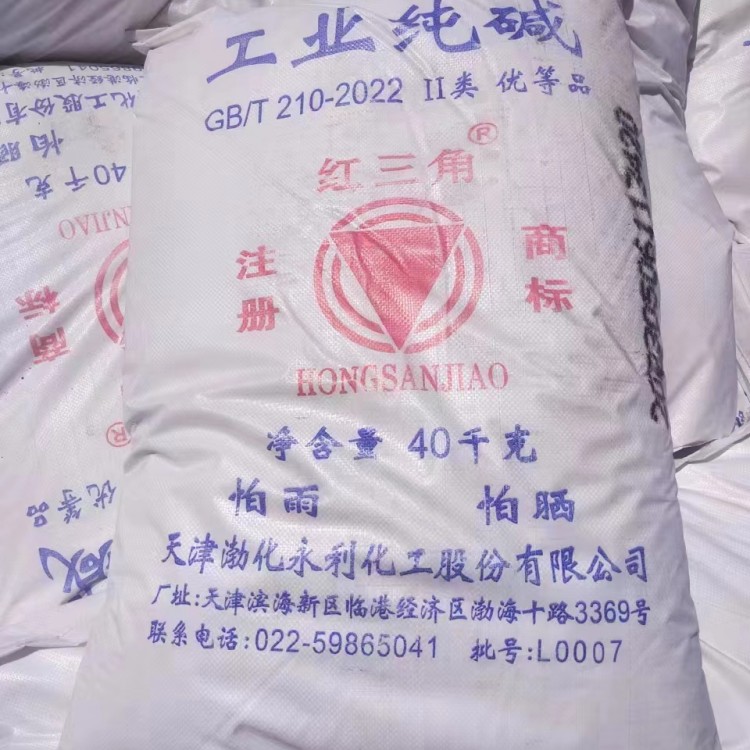

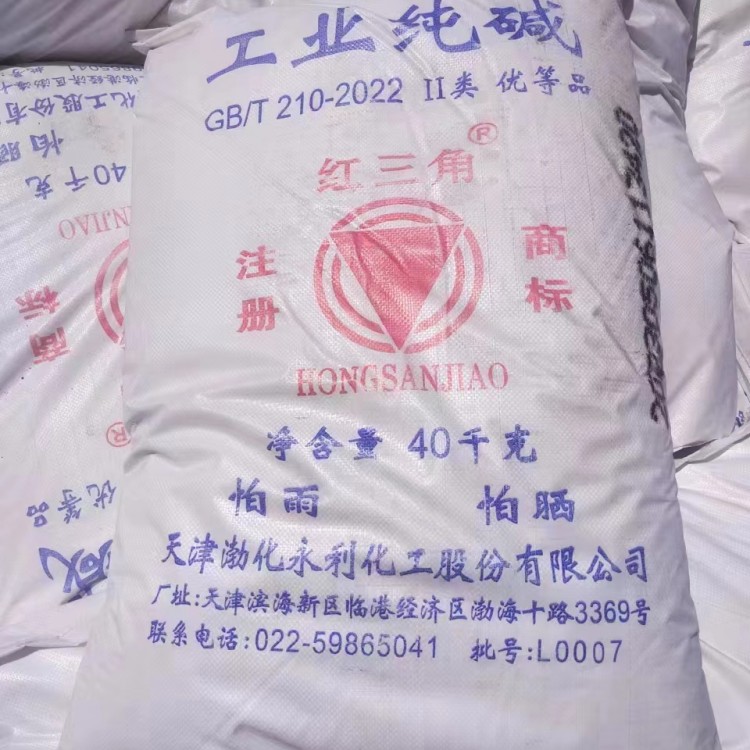

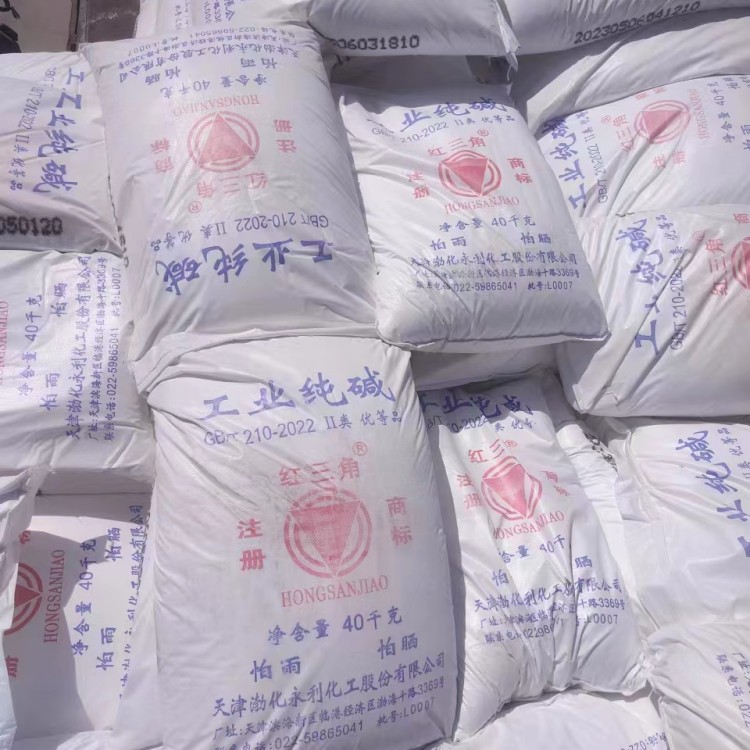


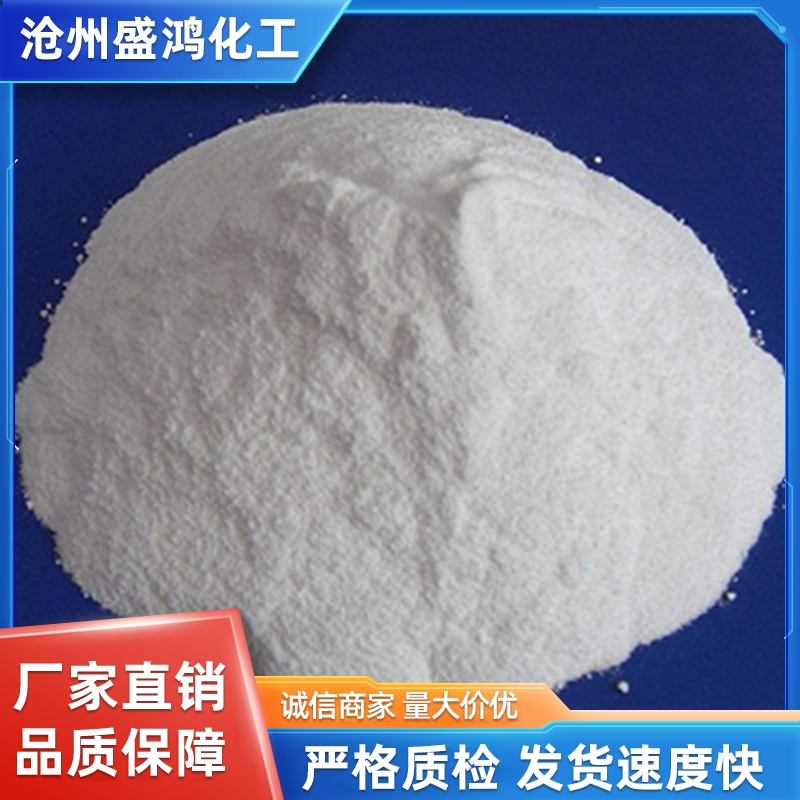
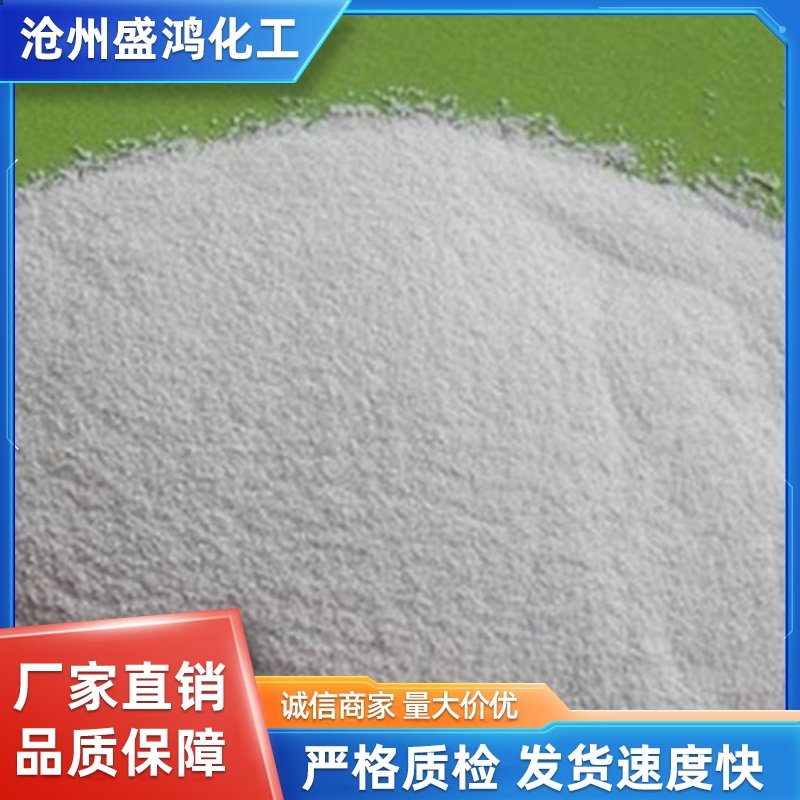
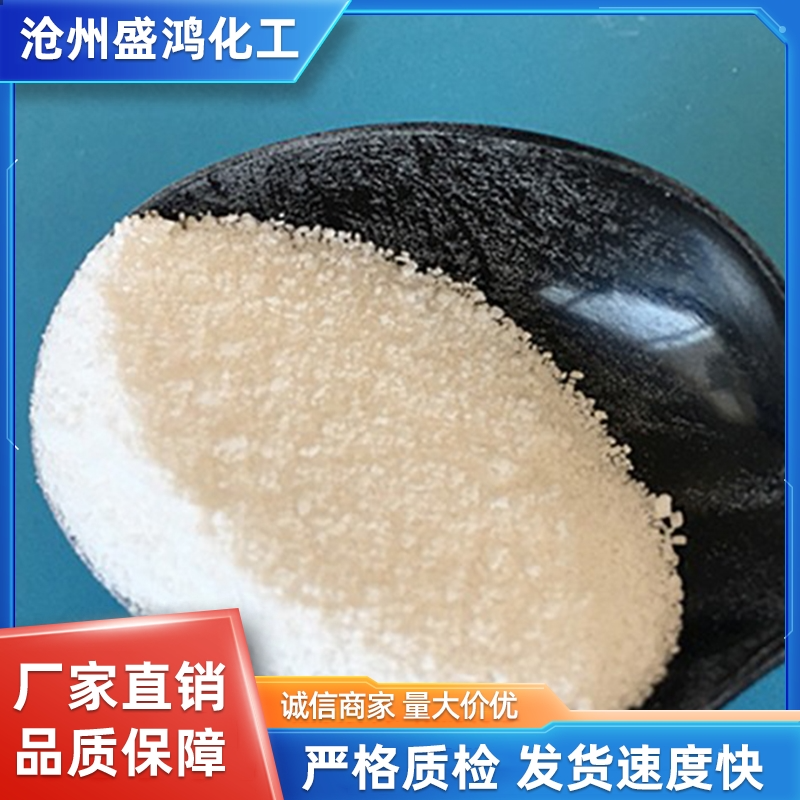
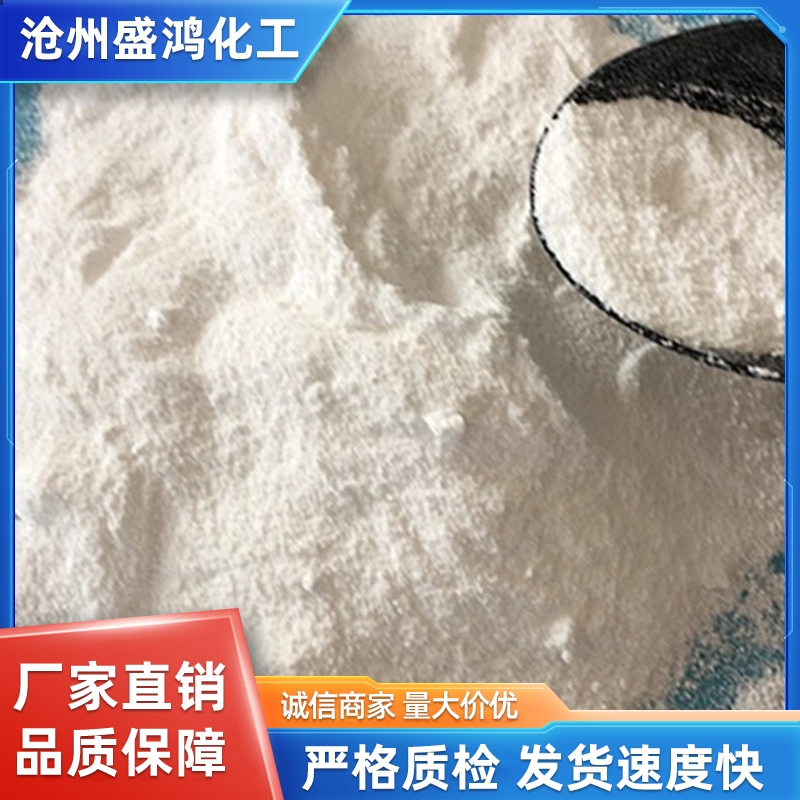





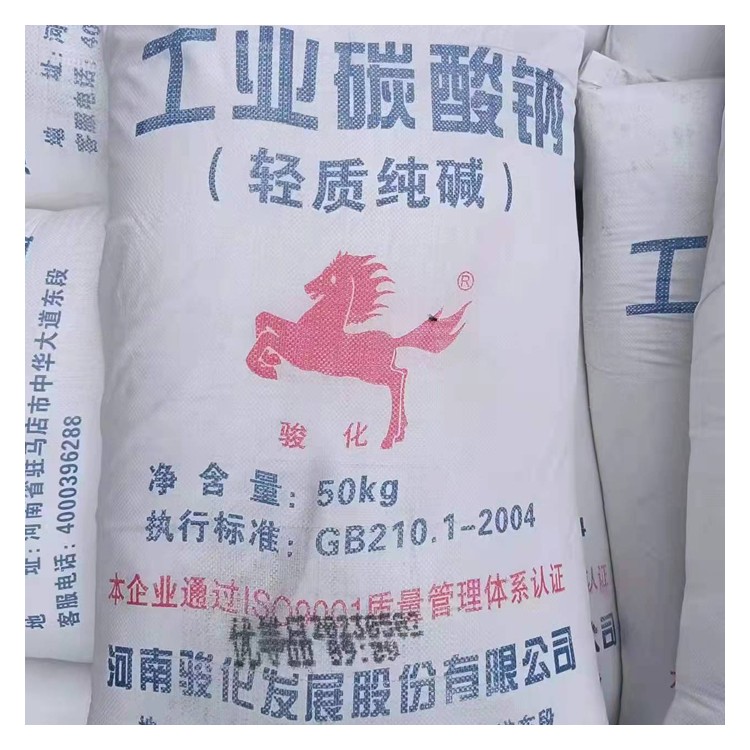
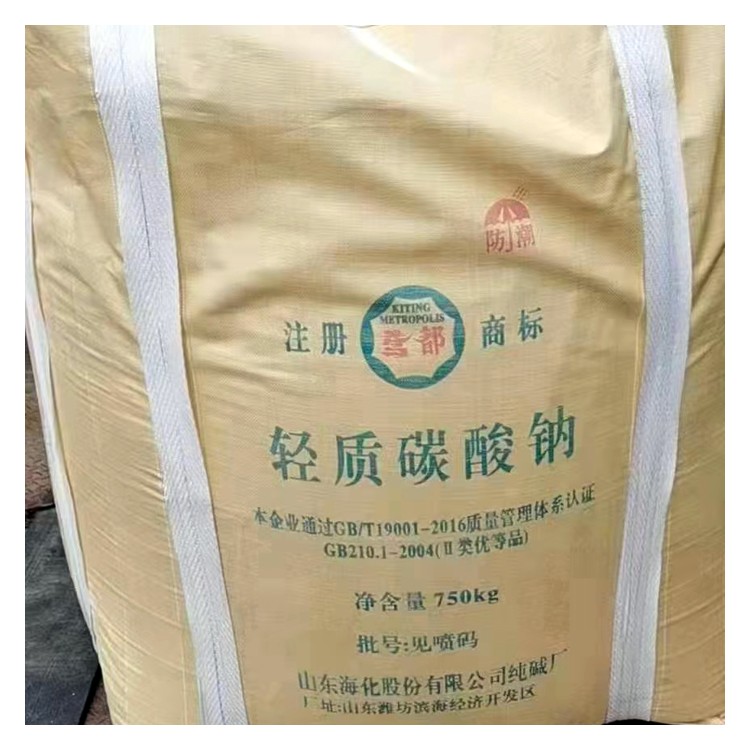
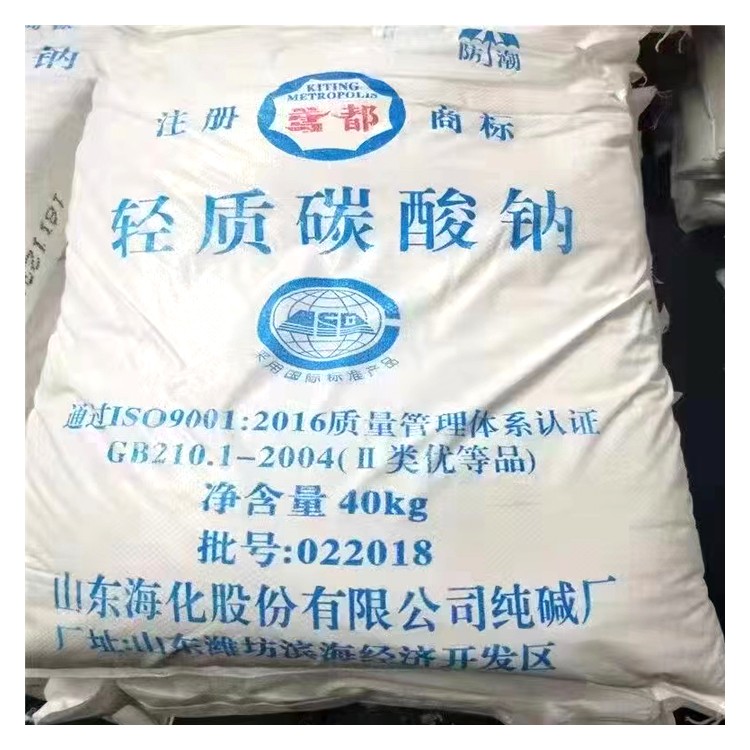
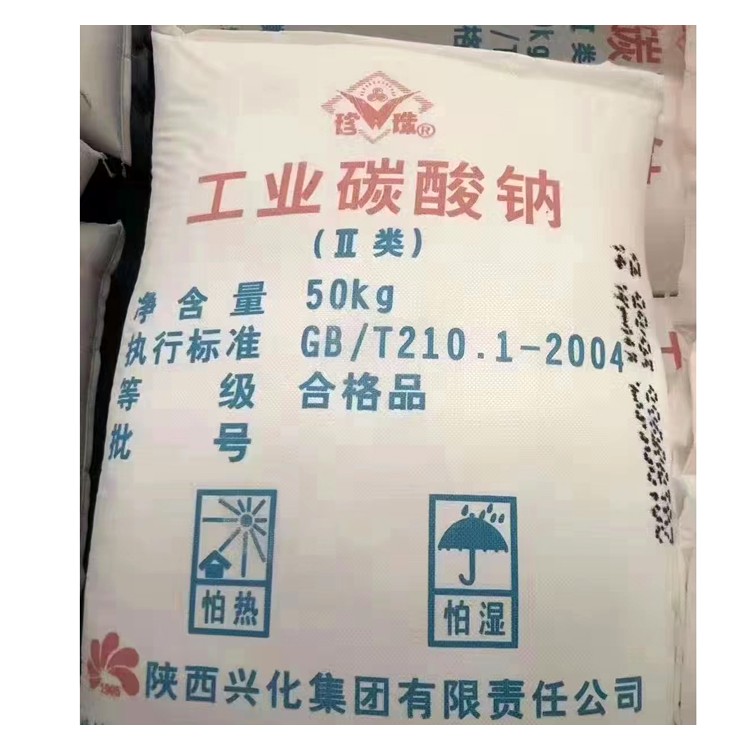
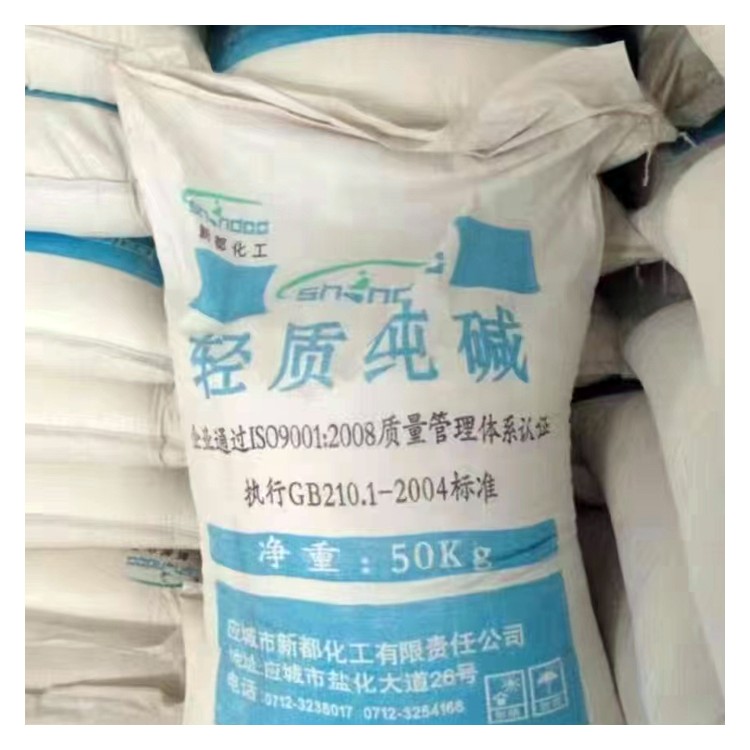
Sodium CarbonateSodium carbonate, commonly known as soda ash, soda lye, or alkali powder, is a white powder and fine crystalline appearance, with an alkaline water solution. It is hygroscopic, readily absorbing moisture from the air and becoming deliquescent. Sodium carbonate can be categorized into industrial-grade and food-grade, and further divided into light-duty and heavy-duty based on bulk density. There are also by-product alkali, ground alkali, and common alkali, etc.
Usage
Industrial-grade:
Glass production is a major industrial consumer of soda ash, widely used in float glass, cathode-ray tube glass shells, optical glass, and can also act as a clarifying agent to remove bubbles from glass melt.
②High-purity soda ash can reduce the scattering of alkali dust, decrease raw material consumption, save costs, and also mitigate the erosion of alkali powder on refractory materials, extending the service life of kilns.
③ Sodium carbonate solution, due to hydrolysis, presents alkalinity and can undergo saponification with oil stains, making it suitable for use in the production of detergents.
④ Fat removal for raw skins in leather processing, neutralization of chrome-tanned leather, and increase in the viscosity of chrome-tanning solution.
⑤ Soda ash is used in papermaking as a buffer to leach out lignin, allowing cellulose to disperse into pulp.
Food-grade:
Food-grade soda ash can be used as a buffering agent, neutralizer, and dough conditioner for bakery and pasta products.
② Lye water, also known as alkali water, is a compound food additive traditionally used as a base ingredient in Cantonese-style pastries.
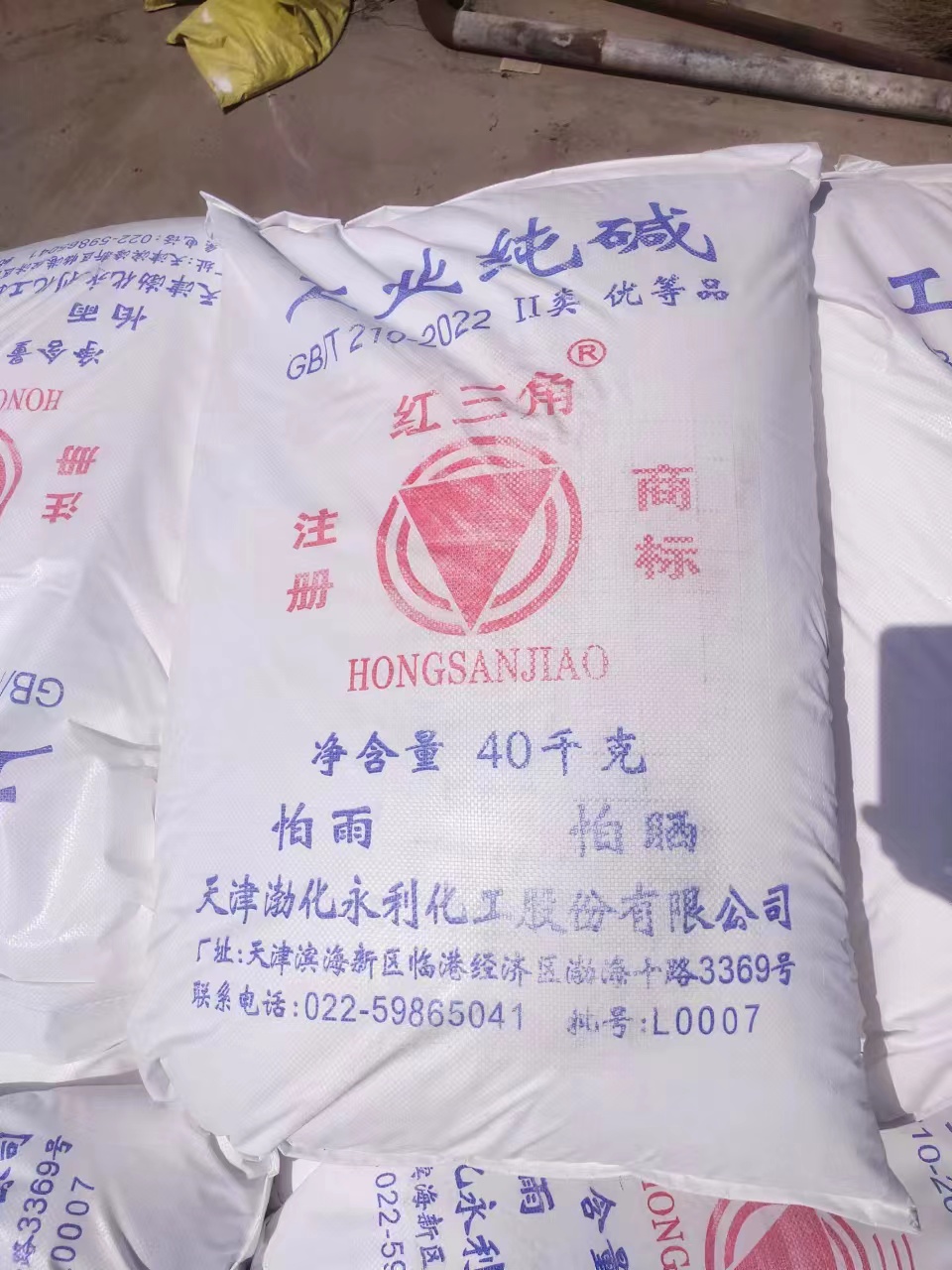
Industrial Sodium Carbonate