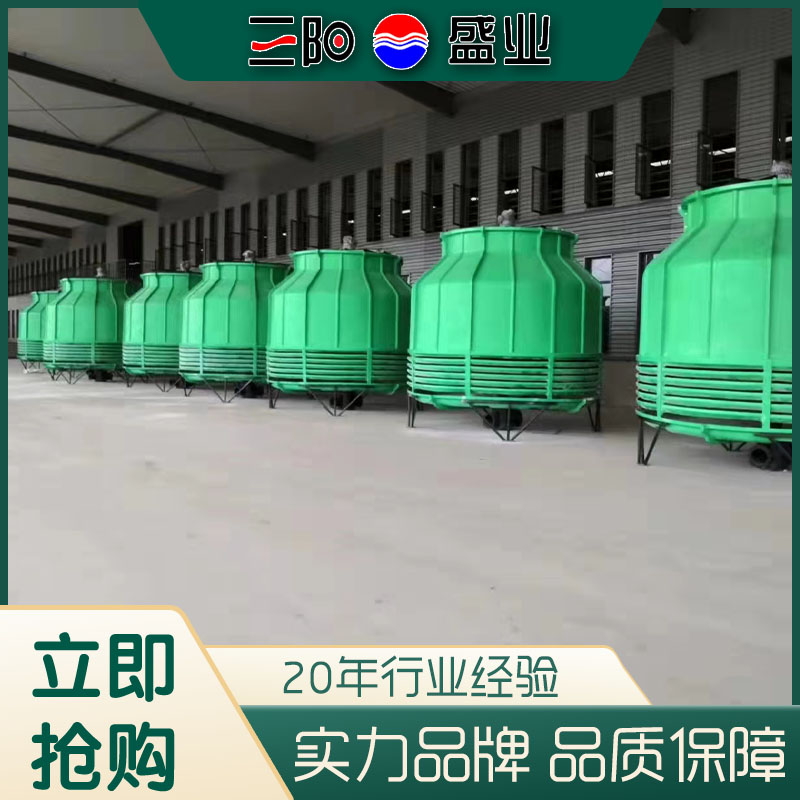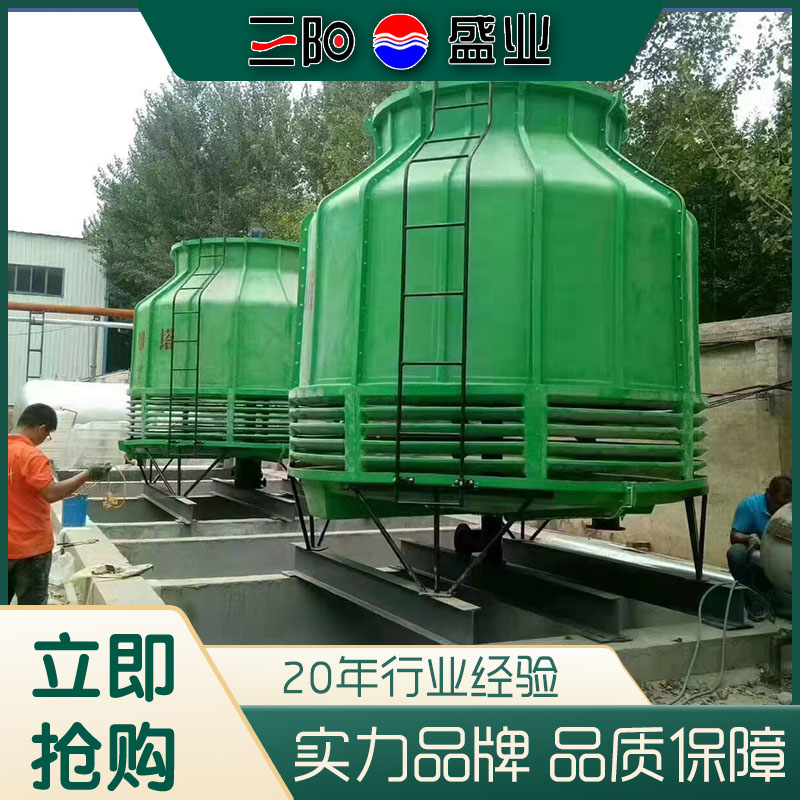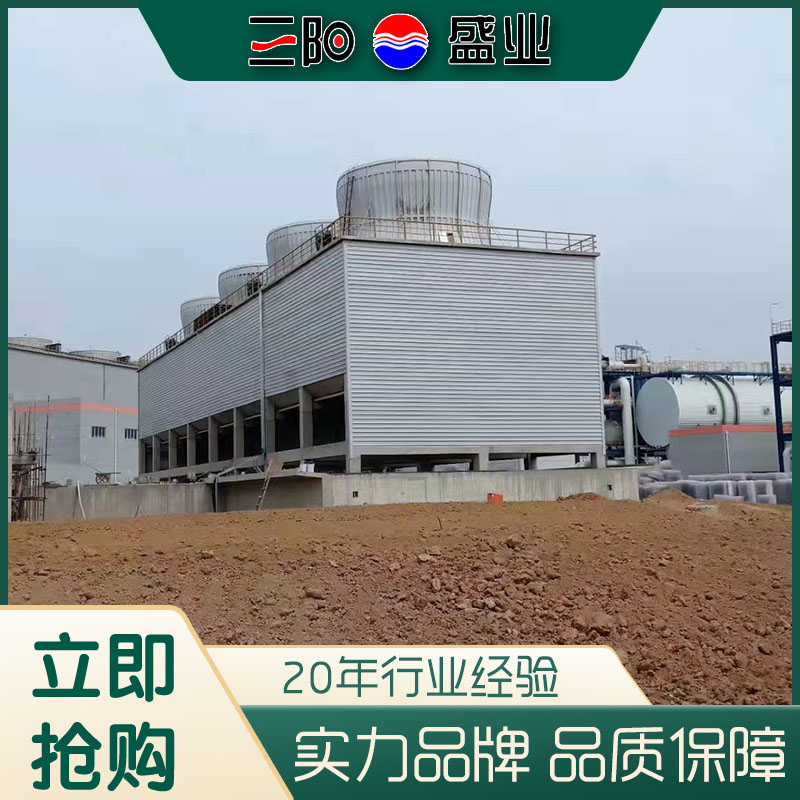

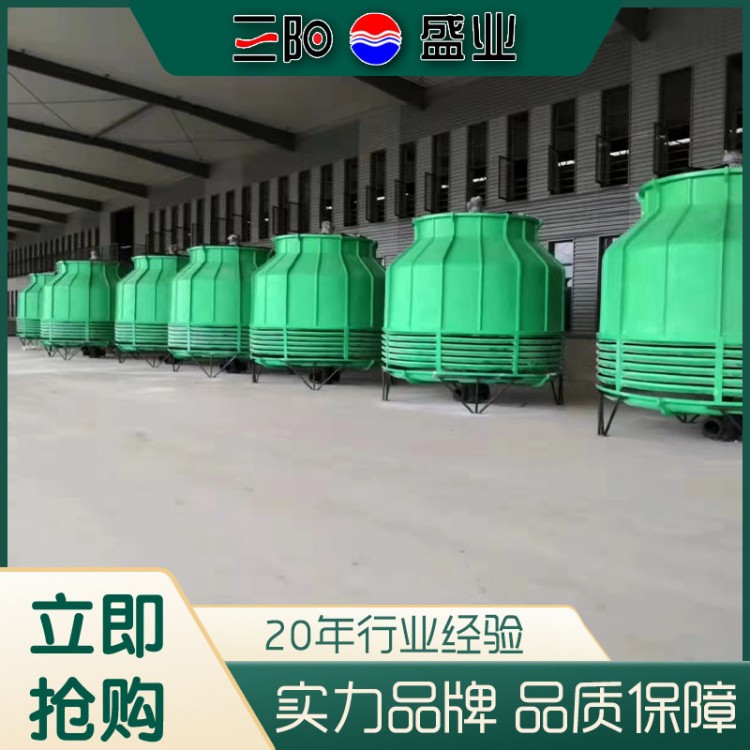

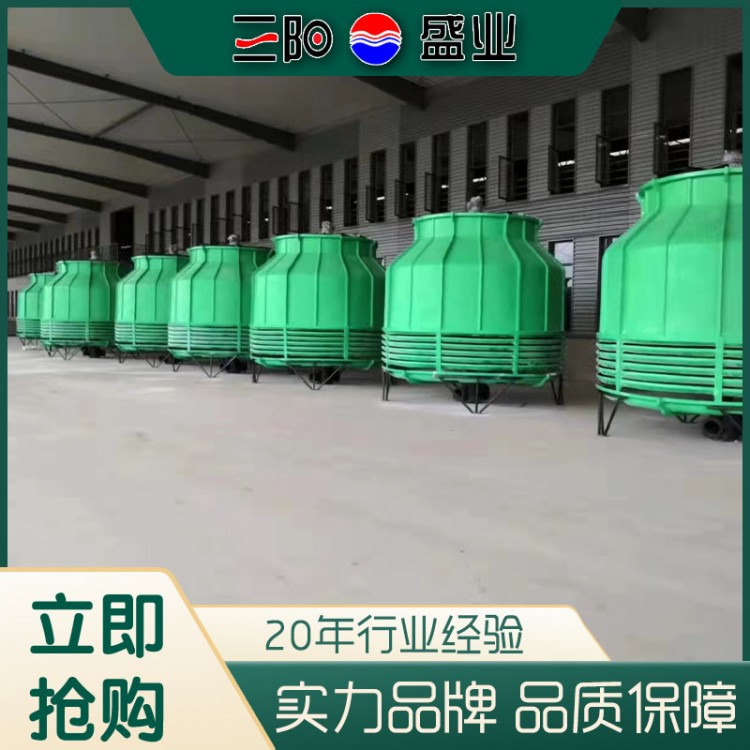

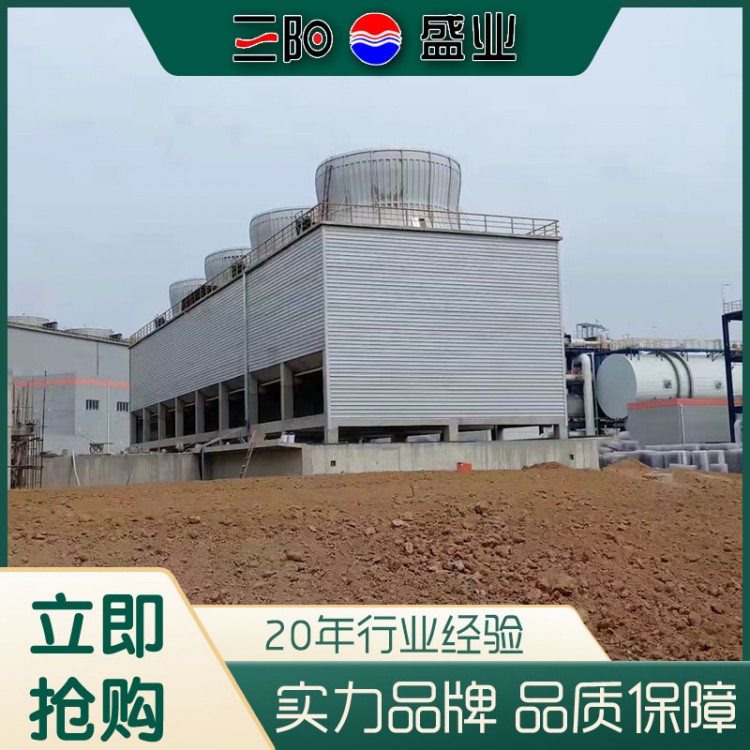












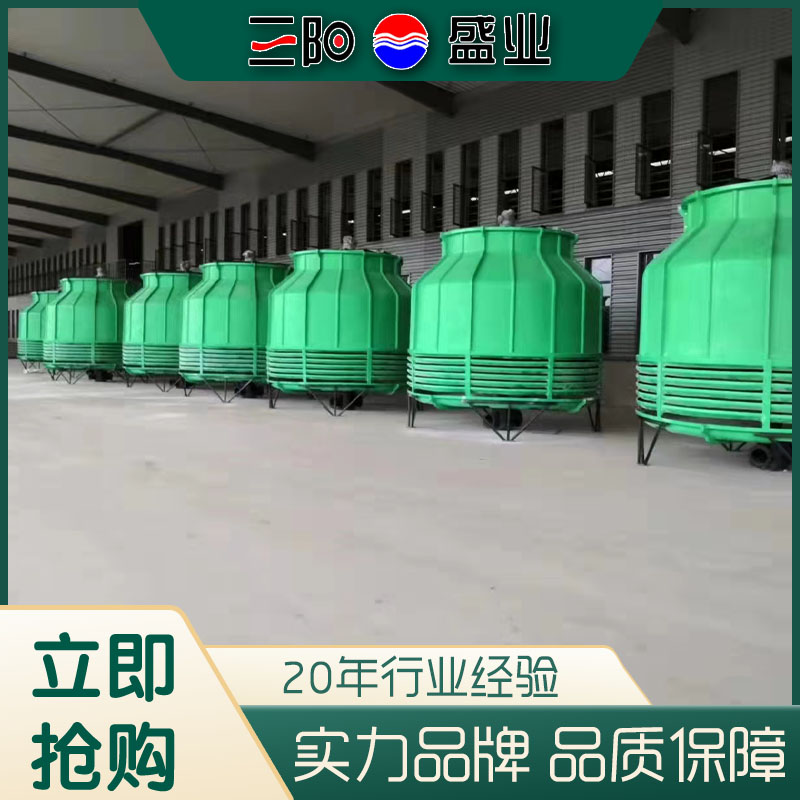
Waste heat generated during industrial production or refrigeration processes is typically transferred using cooling water. The function of a cooling tower is to exchange heat between the cooling water carrying waste heat and the air inside the tower, transferring the waste heat to the air and dispersing it into the atmosphere. For example, in a power plant, the boiler heats water into high-pressure steam, which drives a turbine to generate electricity. After the turbine has done work, the waste steam is released into a condenser, where it undergoes heat exchange with cooling water to condense into water, which is then pumped back to the boiler for recirculation. During this process, the waste heat from the exhausted steam is transferred to the cooling water, raising its temperature. The cooling water carrying the waste heat then transfers its heat to the air in the cooling tower, which is exhausted into the atmosphere through a duct. Applications of cooling towers: Mainly used in air conditioning cooling systems, refrigeration series, injection molding, leather production, foaming, power generation, steam turbines, aluminum profile processing, air compressors, industrial water cooling, and other fields. Most applications are in air conditioning cooling, refrigeration, and plastic chemical industries.