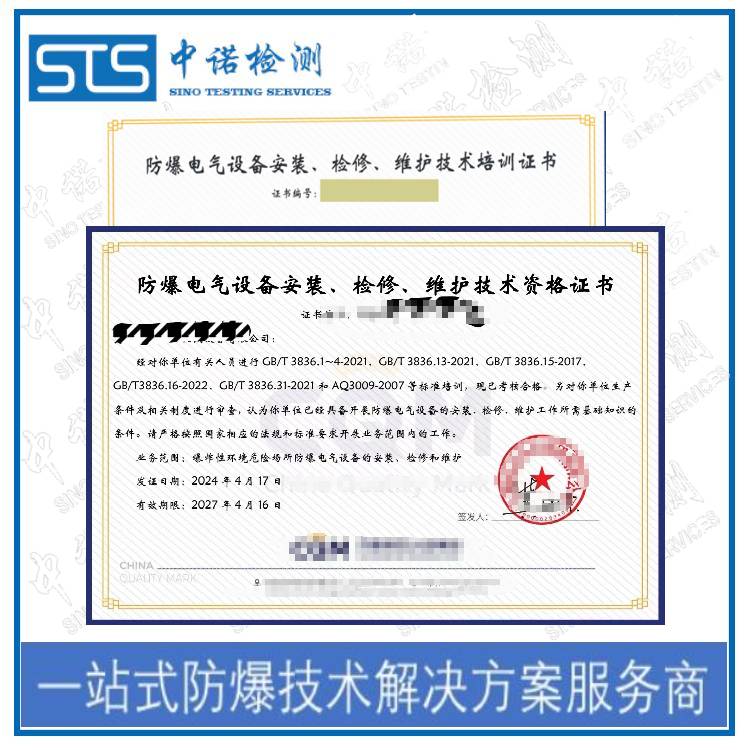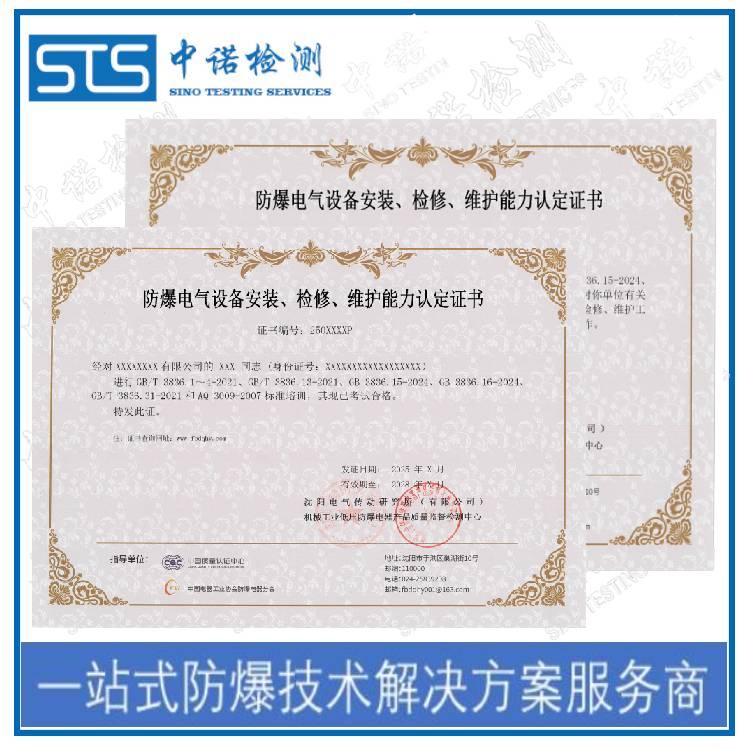
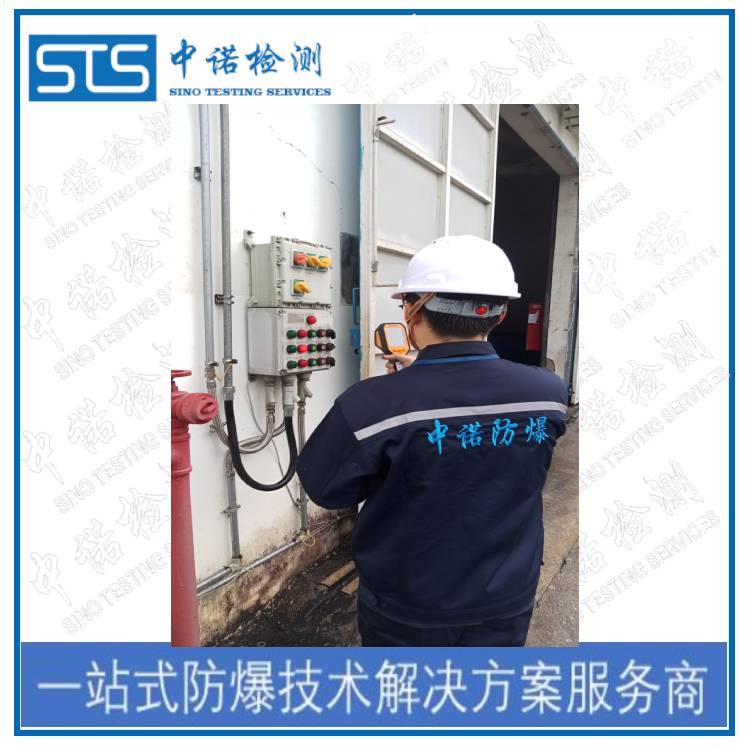
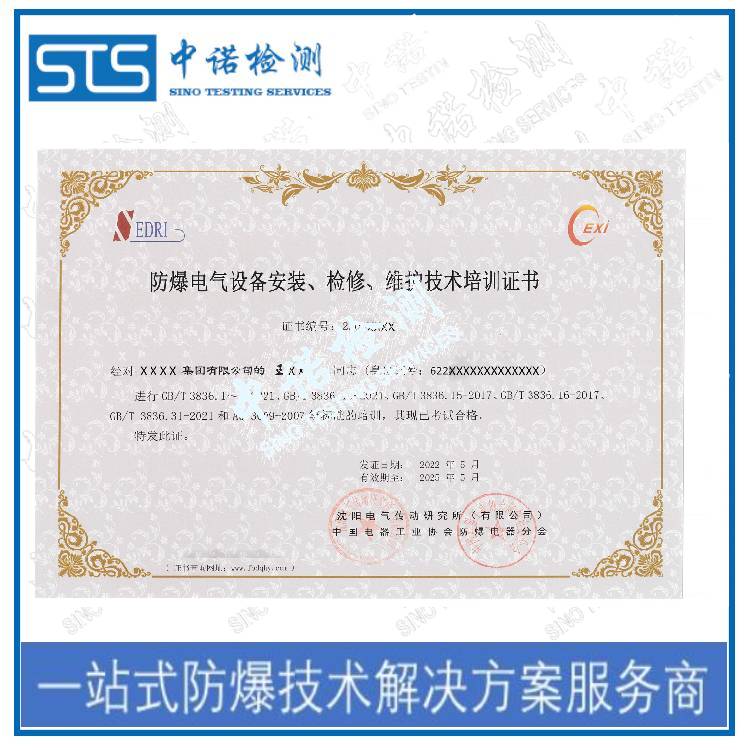
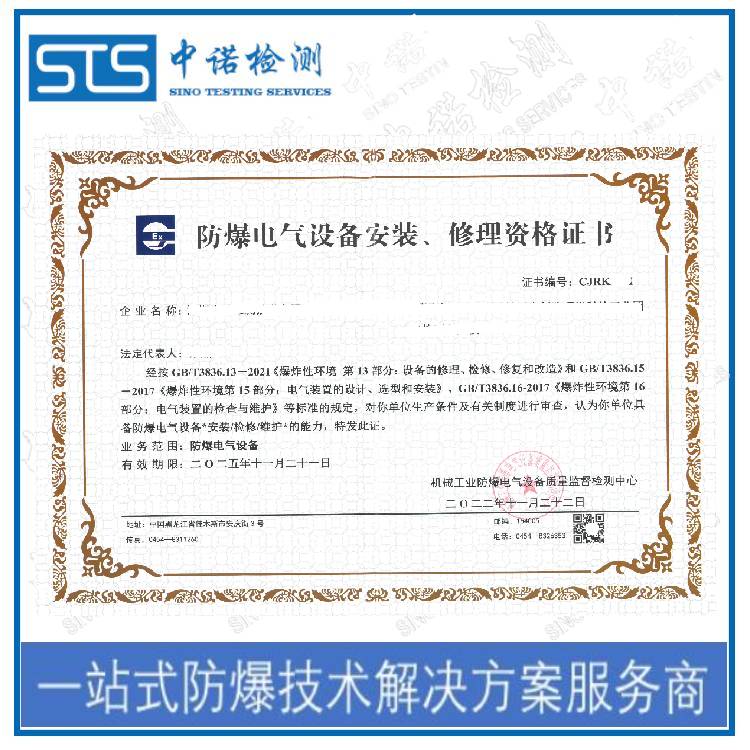
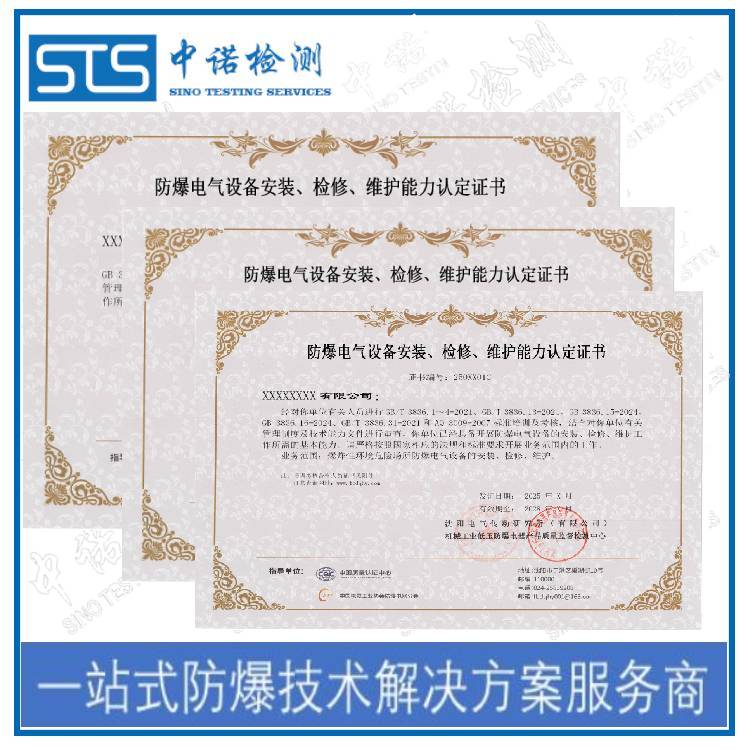





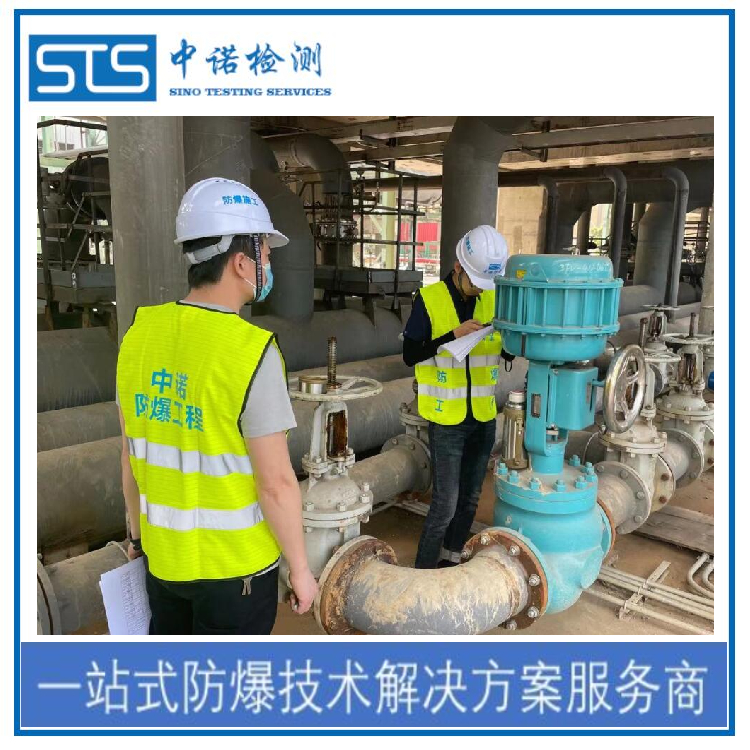
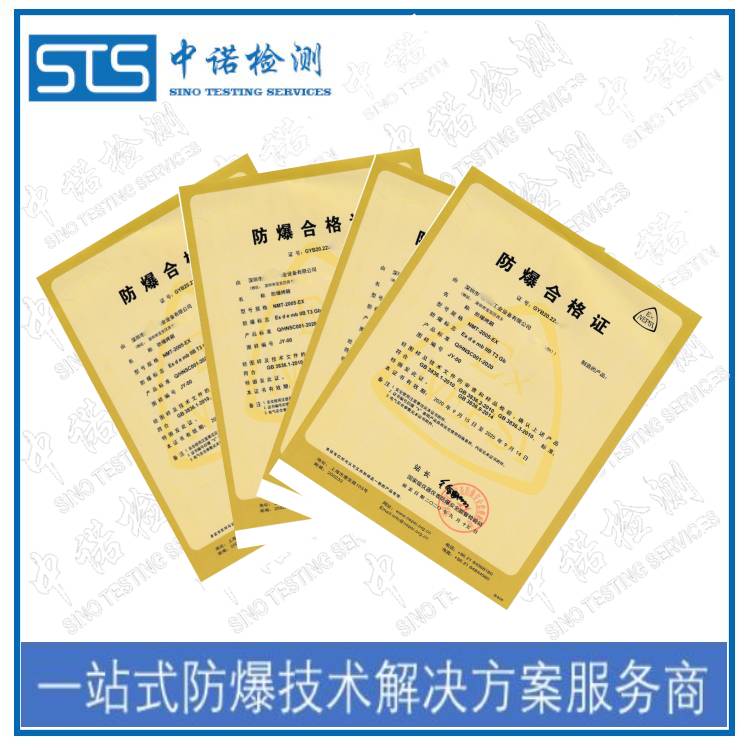
Shenzhen Zhongnuo Testing Technology Co., Ltd. is based in South China and specializes in explosion-proof certification and coal safety certification application consulting services, offering one-stop explosion-proof technology consulting services.
North American Explosion Proof Certification
The North American Explosion-Proof Certification System (hereinafter referred to as NEC system [NEC: National Electrical Code]) differs significantly from our country's explosion-proof certification system under the support of the standard system (hereinafter referred to as GB system) in various aspects, such as the classification and grouping of explosive materials, division of hazardous areas, explosion-proof protection methods, and installation wiring. Currently, North American explosion-proof certification is divided into two major systems: Division and Zone. The Division system uses the explosion-proof symbols native to the United States, while the Zone system adopts explosion-proof standards consistent with the IEC system.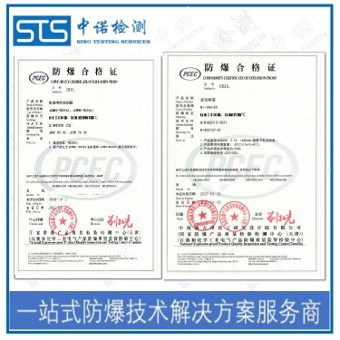
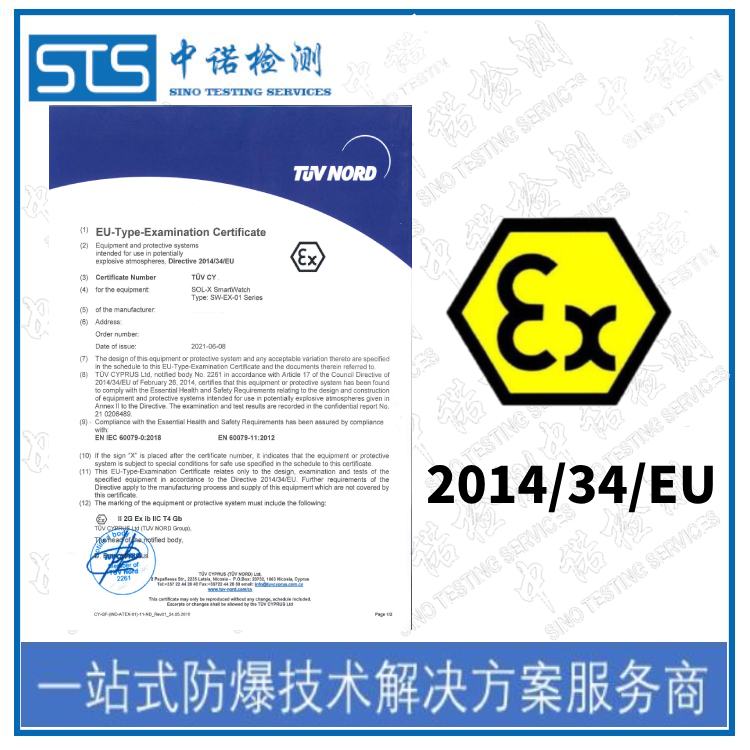
What is the difference between ATEX certification and CE certification?
CE certification is a mandatory certification in the EU market, and all equipment and products entering the EU market must pass the relevant CE directive certification.
For example, there are EMC directives, LVD directives, MD directives, ATEX directives, etc.
Different products are subject to various certification directives; the ATEX directive is specifically for explosion-proof equipment and products.
ATEX certification can be considered as the CE certification for explosion-proof products.
Each directive has different applicable standards; for the ATEX directive, it is the EN60079 series.
Different explosion-proof types apply to different standard series.
For example, EN 60079.1 is the standard for explosion-proof, EN 60079.7 is the standard for increased safety, and EN 60079.11 is the standard for intrinsic safety, etc.
Learn more about ATEX certification and contact Shenzhen Zhongnu Testing Technology Co., Ltd. anytime for detailed information!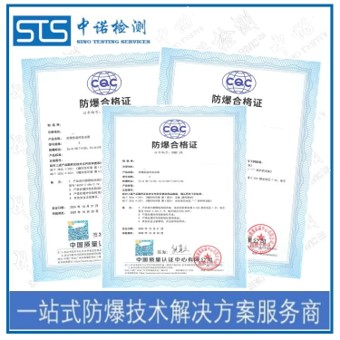
Process for applying for an explosion-proof certification at Shenzhen ZhongNuo Testing Technology Co., Ltd.
1. Conduct product evaluation and initial quotation for the applied product. Evaluate the product based on the company's product specification, electrical schematic diagram, and component list. Determine the suitable type of explosion-proof certification for the product and provide an initial quotation.
2. Provide samples for testing at the lab; the quantity of samples required varies depending on the product category.
3. Provide document list review
Application documents, including the applicant's information and product details
(2) Technical Documents - The submitted technical documents by the company include corporate standards or technical requirements, product drawings, user manuals, etc.
A. Corporate Standards/Technical Requirements: The corporate standards/technical requirements for products should be written in the specified format, including not only performance requirements but also relevant防爆 aspects: such as basic parameters, explosion-proof markings, operating environmental conditions, explosion-proof performance requirements, related tests for explosion-proof performance, and markings related to explosion-proof.
B. Product Drawings - When an enterprise applies for a explosion-proof certification for intrinsically safe electrical equipment, it should provide assembly drawings, circuit diagrams, printed circuit board drawings, silk-screening drawings, component material lists, and label drawings, etc. For non-intrinsically safe electrical equipment, the technical documents submitted for inspection should include drawings that reflect the explosion-proof performance of the sample (including assembly drawings and component drawings). If the assembly drawing can clearly indicate the explosion-proof parameters and structure of the product, only the assembly drawing needs to be submitted for inspection.
C. Instruction Manual - The instruction manual should include basic parameters, explosion-proof symbols, product外形 diagram, installation, maintenance, order instructions, and user warnings to ensure the product's explosion-proof performance during installation and use.
D. Additional Information: For products with adhesive bonding or casting, provide the model names, performance descriptions, and relevant process documents for the adhesives and casting agents. For plastic shell products, provide the material of the plastic and corresponding performance documents.
4. Certificate of Origin
List of Domestic Explosion-Proof Certification Institutions:
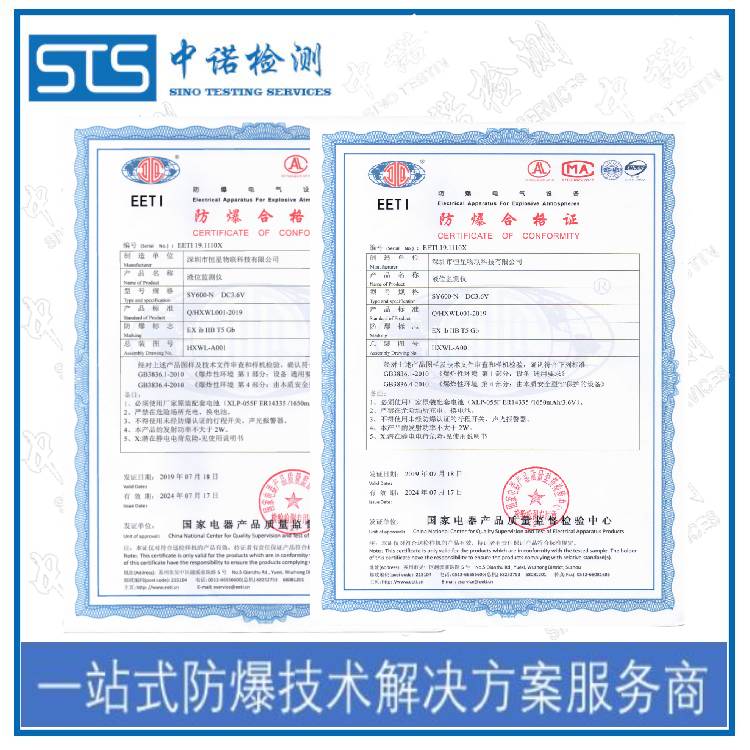
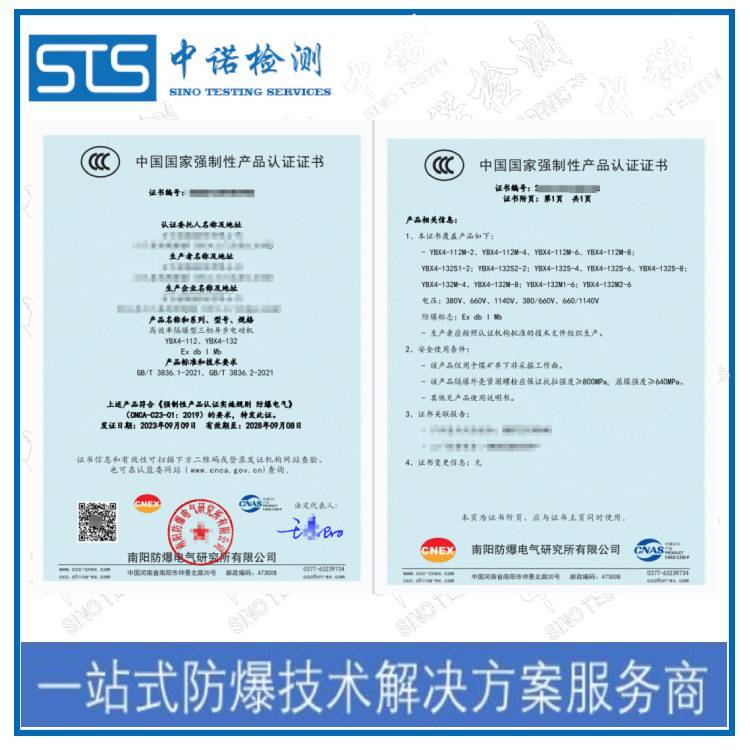
1. Nanyang CNEX
2. Shanghai Coal Research Institute
3. National Electrical Appliance Quality Supervision and Inspection Center
4. Guangdong CQCEx National Explosion-Proof Equipment Quality Supervision and Inspection Center
5. National Coal Mine Explosion-Proof Safety Product Quality Supervision and Inspection Center
6. Jiamusi Explosion-Proof Institute
7. Tianjin PCEC
8. Shanghai NEPSI
9. Beijing Coal Research Institute CCRI, etc.
For applicants, what type of explosion-proof classification to apply for and what level of explosion-proof to choose are essentially the same across all authorized institutions. They are all state-accredited institutions that have undergone authorization, equipped with testing conditions that meet standard requirements, adhere to the same standards, and conduct the same testing. In similar conditions, the trend is inevitable to choose institutions offering services at more affordable prices. This is also a significant reason why emerging explosion-proof companies are gaining popularity.
explosion-proof certification application consulting service - Shenzhen Zhongnuo Testing Technology Co., Ltd.
WeChat Official Account

Scan to follow Official Account