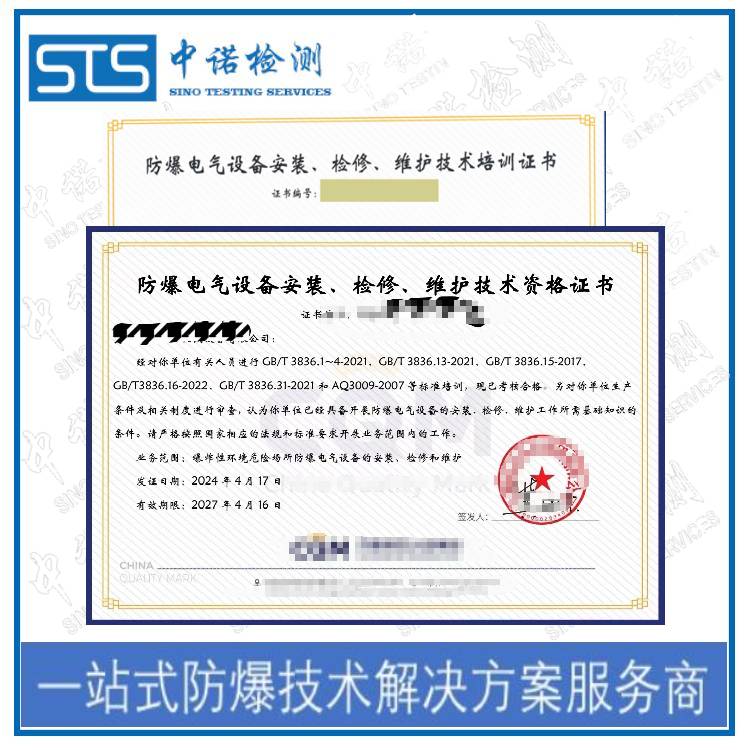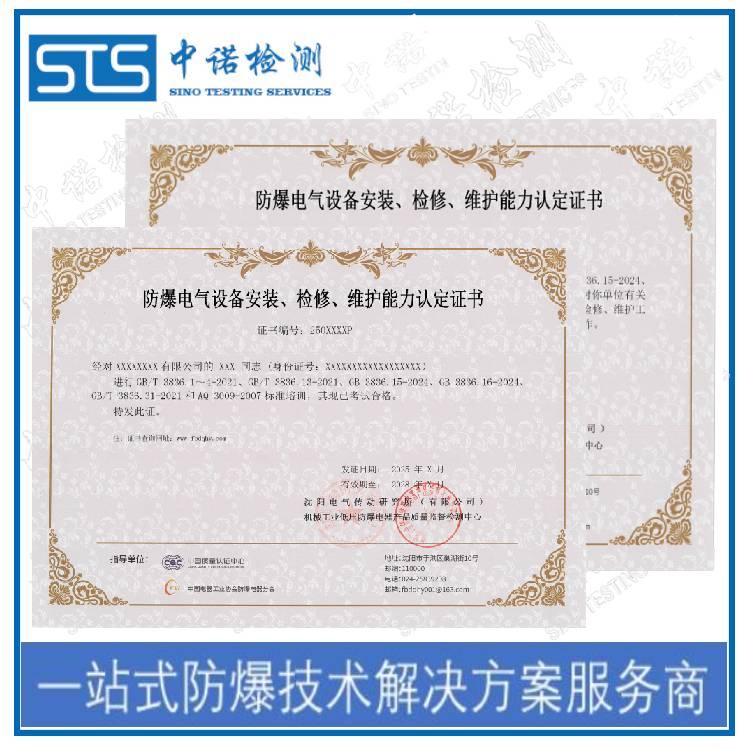
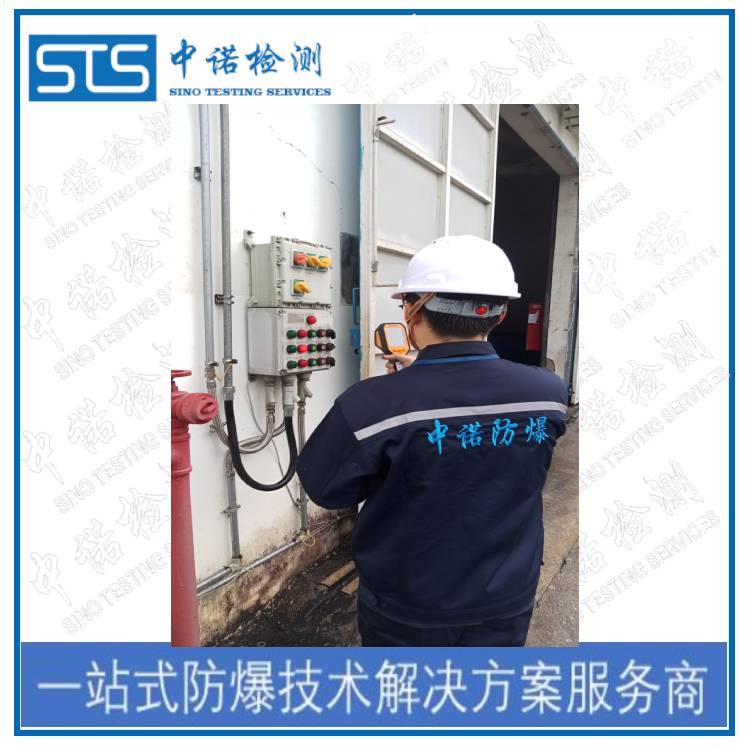
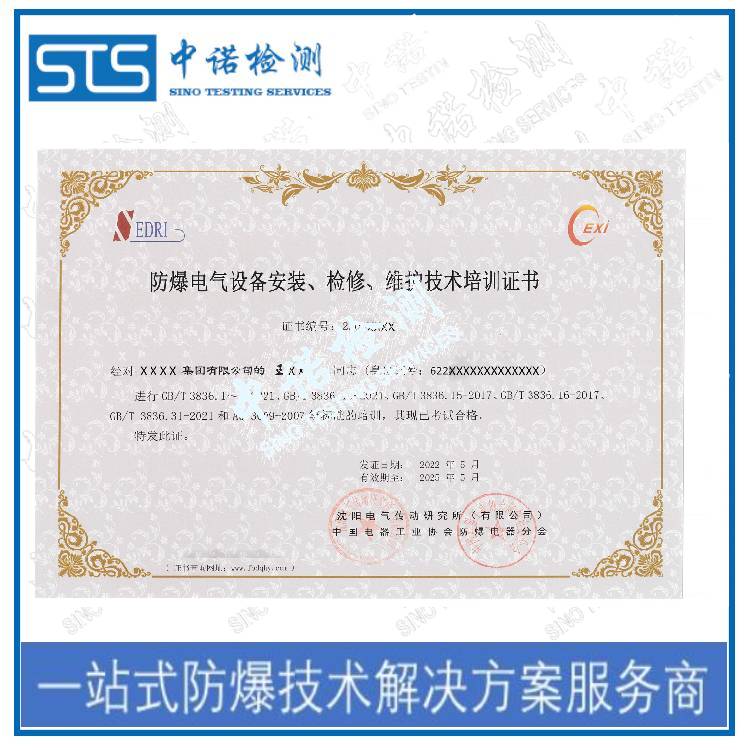
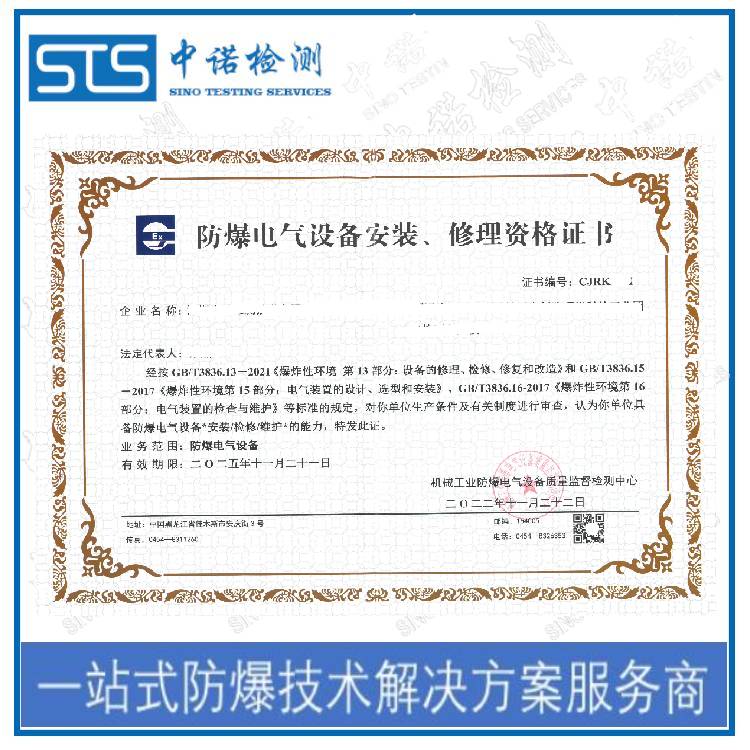
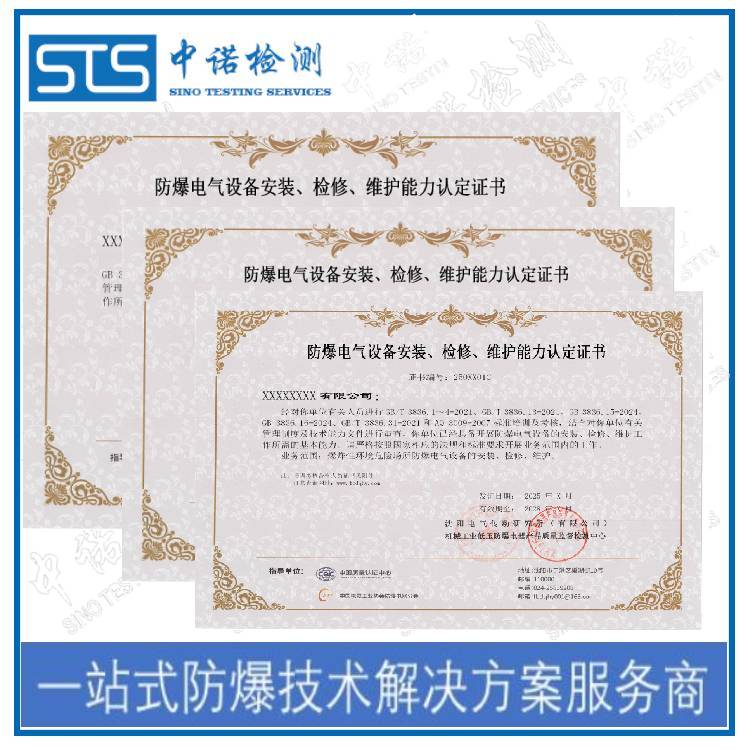





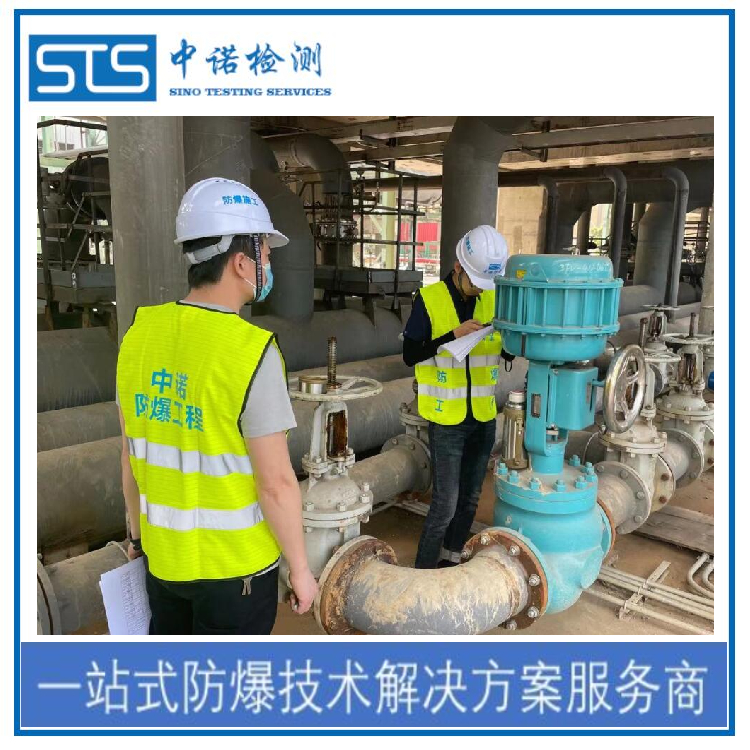
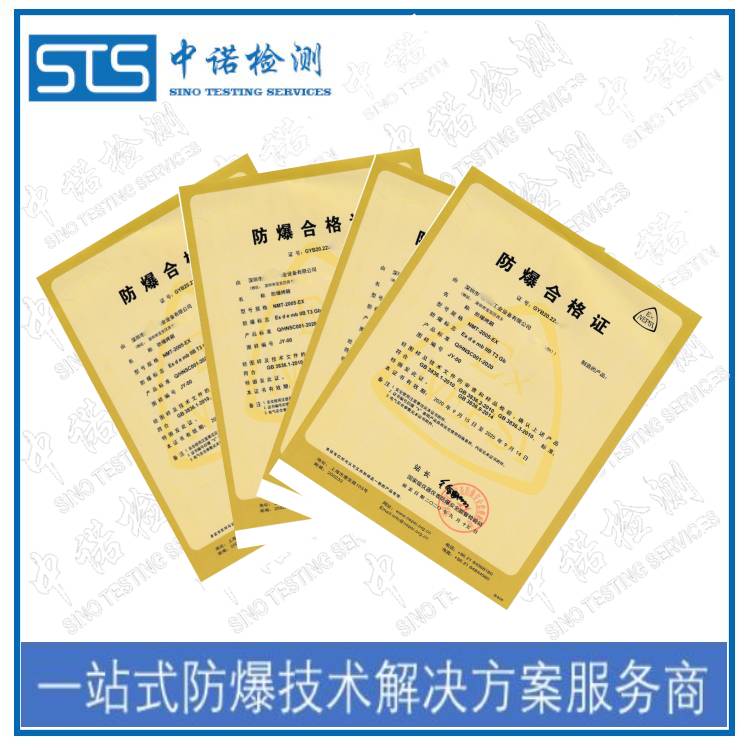
Shenzhen Zhongnuo Testing Technology Co., Ltd. is based in South China and specializes in explosion-proof certification and coal safety certification application consulting services, offering one-stop explosion-proof technology consulting services.
What's the difference between ATEX certification and CE certification?
CE certification is a mandatory certification for the EU market, and all equipment and products entering the EU market must pass the relevant CE directive certification.
For example, there are EMC directives, LVD directives, MD directives, ATEX directives, etc.
Different products are subject to various certification directives; the ATEX directive specifically pertains to explosion-proof equipment and products.
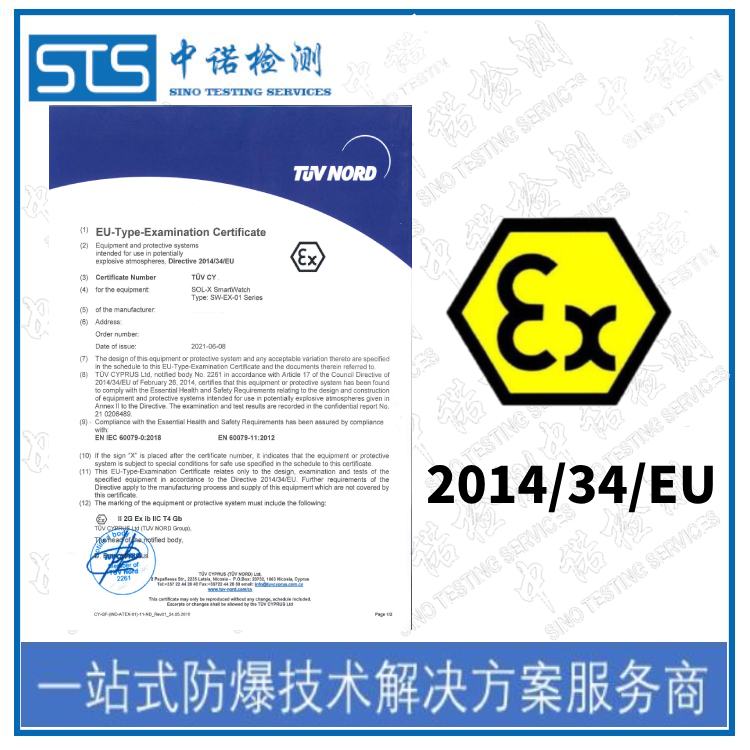
ATEX certification can be considered as the CE certification for explosion-proof products.
Each directive has different applicable standards; for the ATEX directive, it is the EN60079 series.
Different explosion-proof types are applicable to various standard series.
For example, EN 60079.1 is an explosion-proof standard, EN 60079.7 is an increased safety standard, EN 60079.11 is intrinsically safe standard, and so on.
Learn more about ATEX certification and feel free to message us at any time!
North American Explosion-Proof Certification
The North American explosion-proof certification system (hereinafter referred to as NEC system, where NEC stands for National Electrical Code) differs significantly from our country's explosion-proof certification system supported by the standard system (hereinafter referred to as GB system) in aspects such as classification of explosive materials, division of hazardous areas, explosion-proof protection methods, and installation wiring. Currently, North American explosion-proof certification is divided into two major systems: Division and Zone. The Division system uses the explosion-proof marking of the United States, while the Zone system adopts explosion-proof standards consistent with the IEC system.
Limitation requirements for surface resistivity of non-metallic casings of explosion-proof equipment
In hazardous areas with explosive dust or gases/vapors, such as coal dust and flour, static electricity can cause fires or explosions, posing significant danger. Therefore, it is advisable to minimize the use of insulating materials in explosive hazard areas. When selecting electrical insulating materials, consider maintaining a low insulation resistance to prevent discharges when non-metallic components come into contact with charged components. For non-metallic insulating materials, the antistatic capability of the equipment can be assessed by measuring the surface resistance of the equipment's housing.
Surface Resistance, measured in ohms (Ω), refers to the resistance between two electrical contacts on the measuring surface.
In accordance with the requirements of the IEC 60079 series standards:
1. In Class II explosive gas environments, when the surface area of the non-metallic housing of electrical equipment exceeds a certain limit value (as shown in Table 1), a surface resistance test must be conducted on the non-metallic material to ensure that: by selecting the material, the surface resistance meets at least one of the following requirements when measured in accordance with IEC 60079-0 26.13:
At ≤1 GΩ, (505)% relative humidity;
At ≤100 GΩ, (305)% relative humidity.
2. In environments with Category III explosive dust, if the surface area of the non-metallic housing of electrical equipment does not exceed 500 mm², the risk of static electricity can be disregarded; if it exceeds this limit, a surface resistance test must be conducted. The requirements for assessment are the same as those for surface resistance test limits in Category II gas environments. For fixed installation equipment that cannot meet the surface resistance limits, a warning symbol should be added after the "explosion-proof" symbol, and a corresponding warning sign should be placed on the equipment. The user should be informed of this in the user manual.
Why Do Companies Need Explosion-Proof Certification?
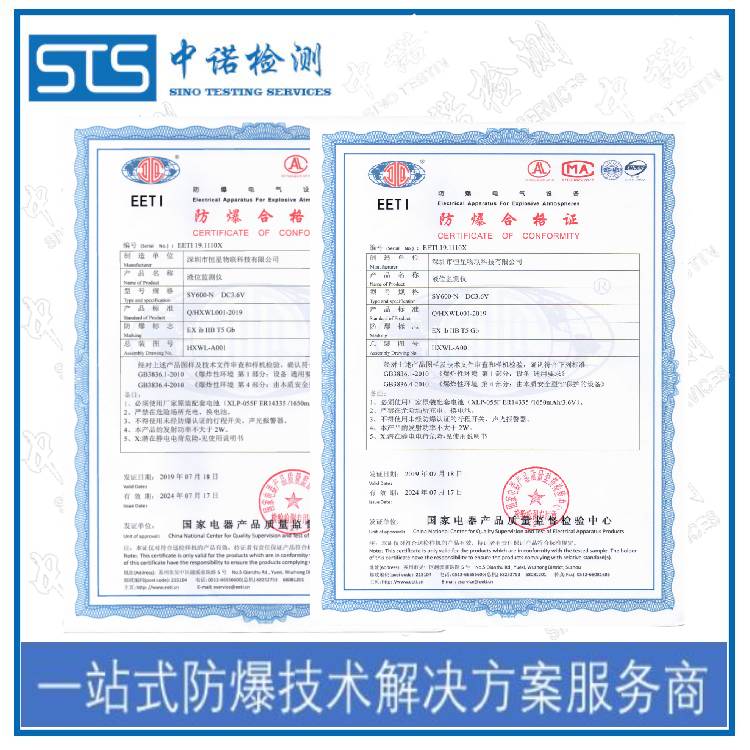
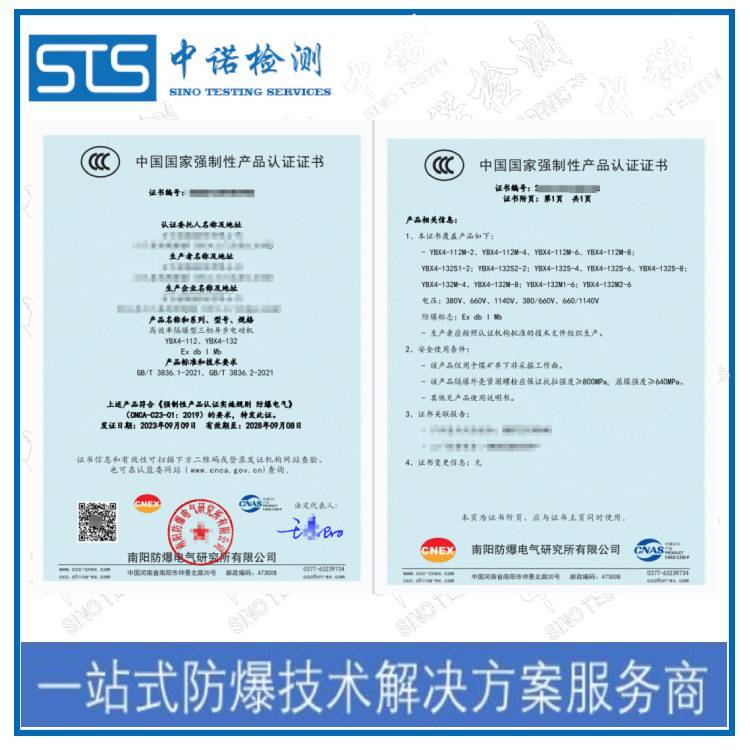
Explosion-proof certification refers to the process of verifying that equipment meets explosion-proof standards, requiring the issuance of relevant qualification certificates based on type testing. It primarily targets Ex equipment or Ex components.
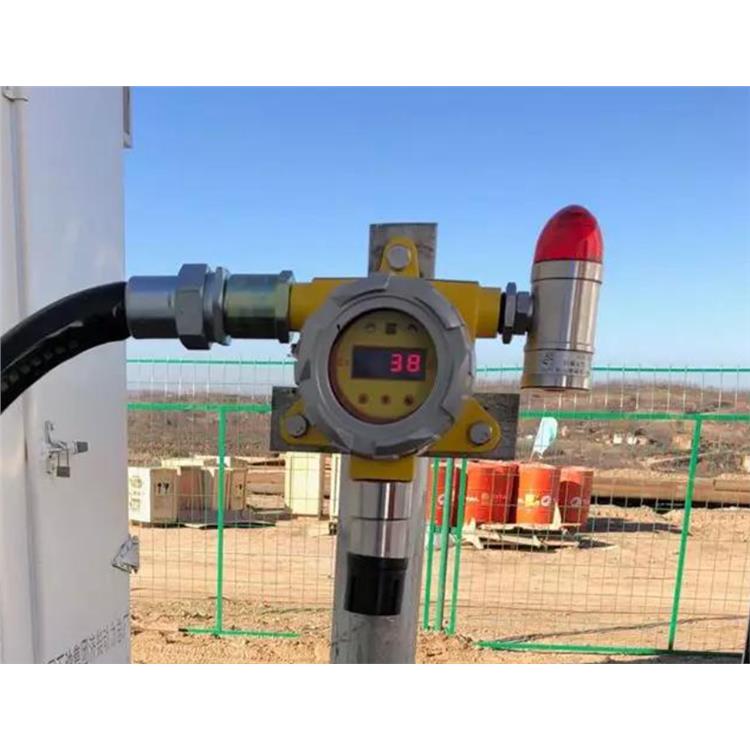
Explosion-proof products generally refer to explosion-proof electrical products: used in environments where explosions of gases or dust may occur.
Electrical products or components with explosion-proof functions that can ignite surrounding explosive environments under specified conditions.
Safety of explosion-proof equipment is closely related to safe production, which is why many countries implement explosion-proof certification systems for explosion-proof electrical products.
Explosion-proof products must obtain explosion-proof certification before they can be used in flammable and explosive hazardous areas.
The #Ex-proof Certification# is essential for ensuring the safe use of explosion-proof electrical products.
Blast-proof certification can boost product exports and further enhance the credibility and reputation of the company and its products.
Enhance market competitiveness by obtaining explosion-proof certification for companies within the country.
Explosion-proof Certification Application Consulting Service - Shenzhen Zhongnuo Testing Technology Co., Ltd.
WeChat Official Account

Scan to follow Official Account