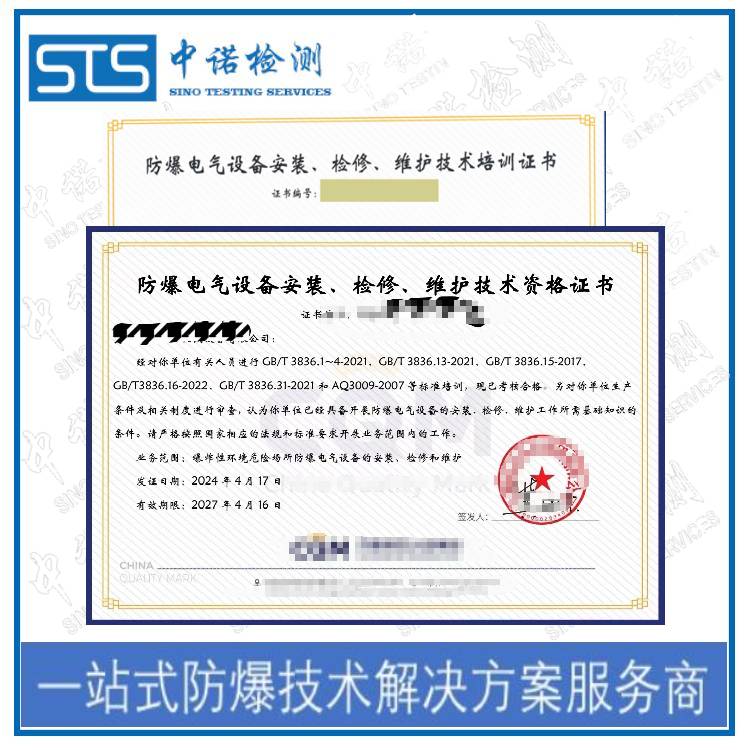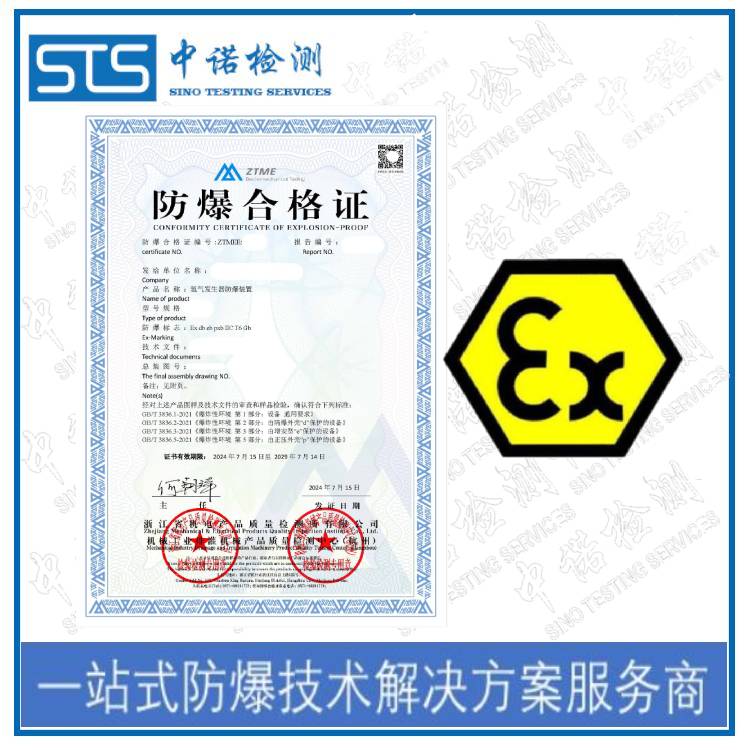

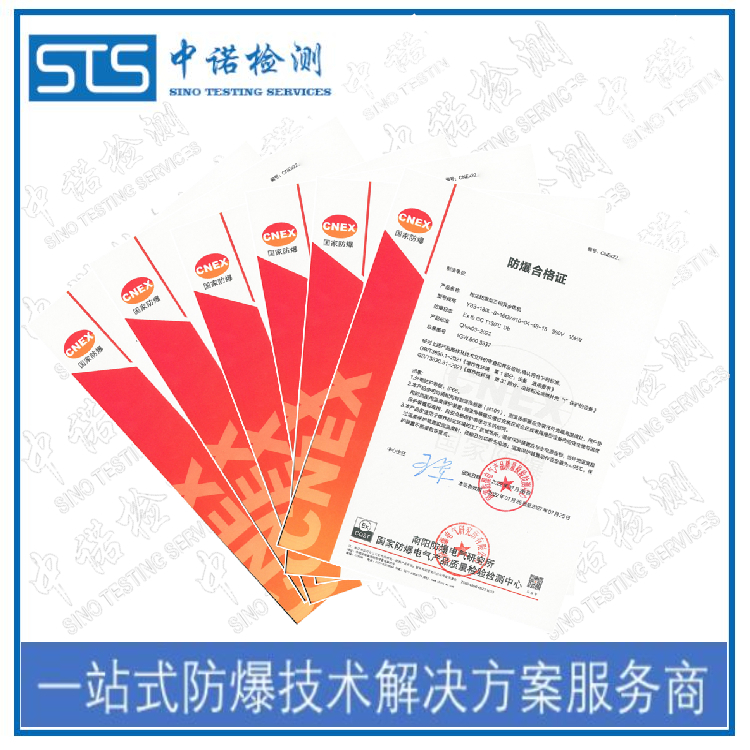
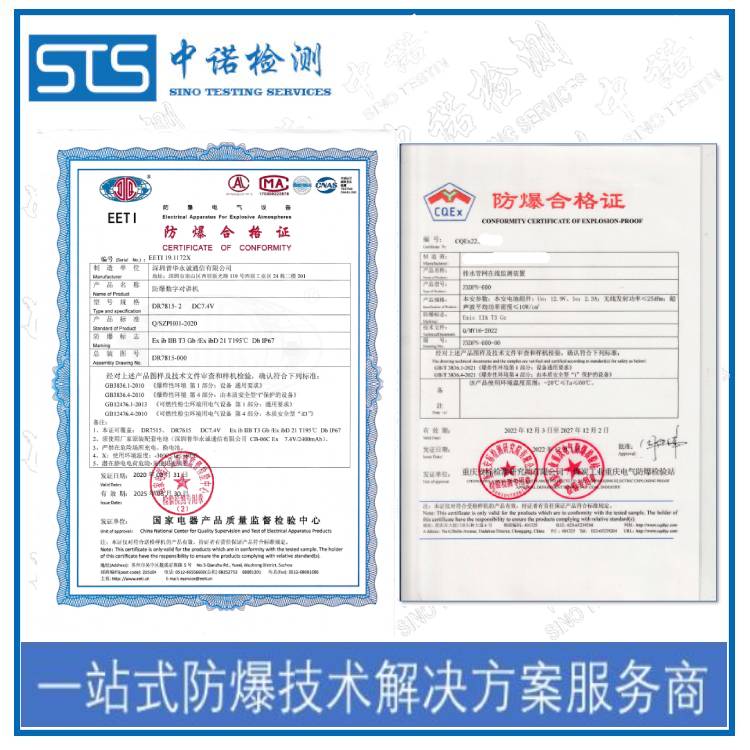


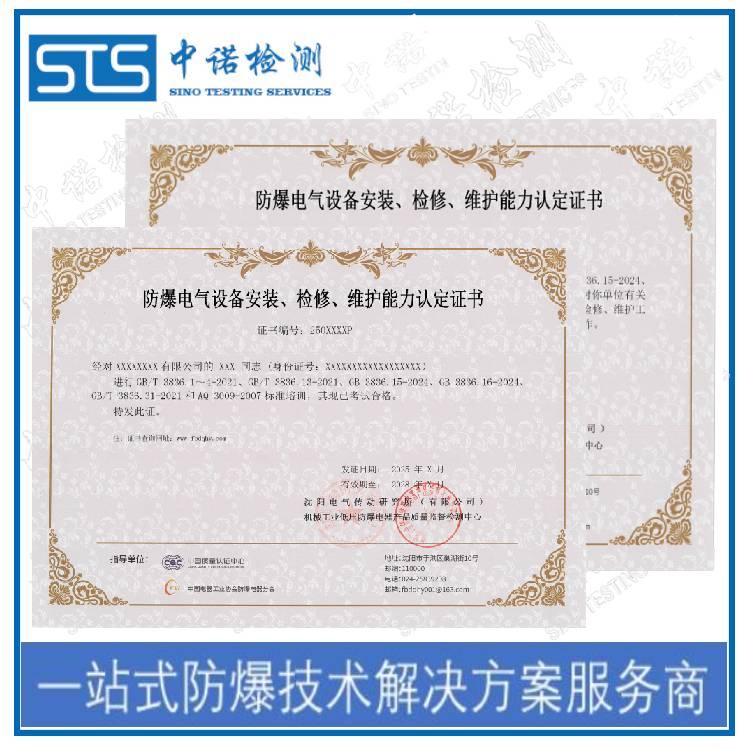
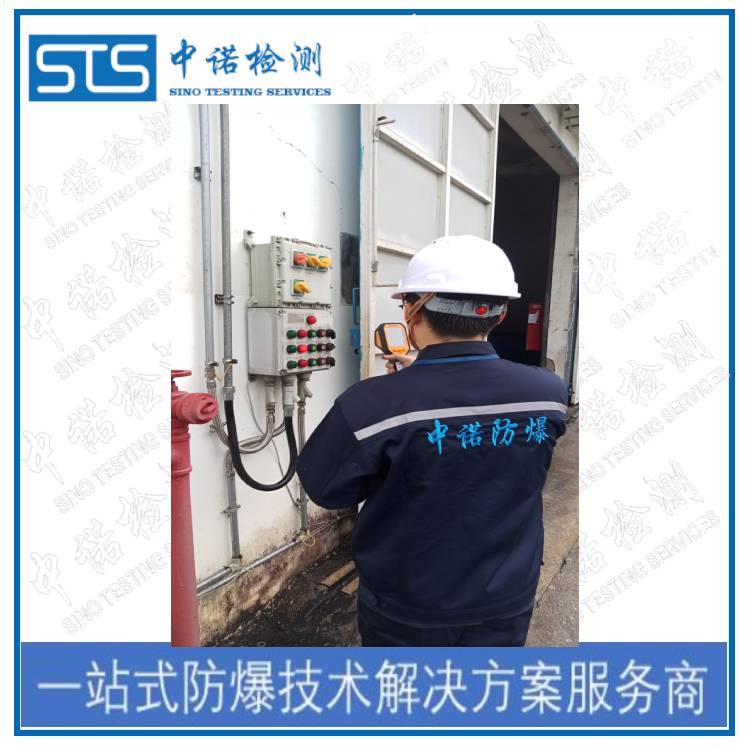
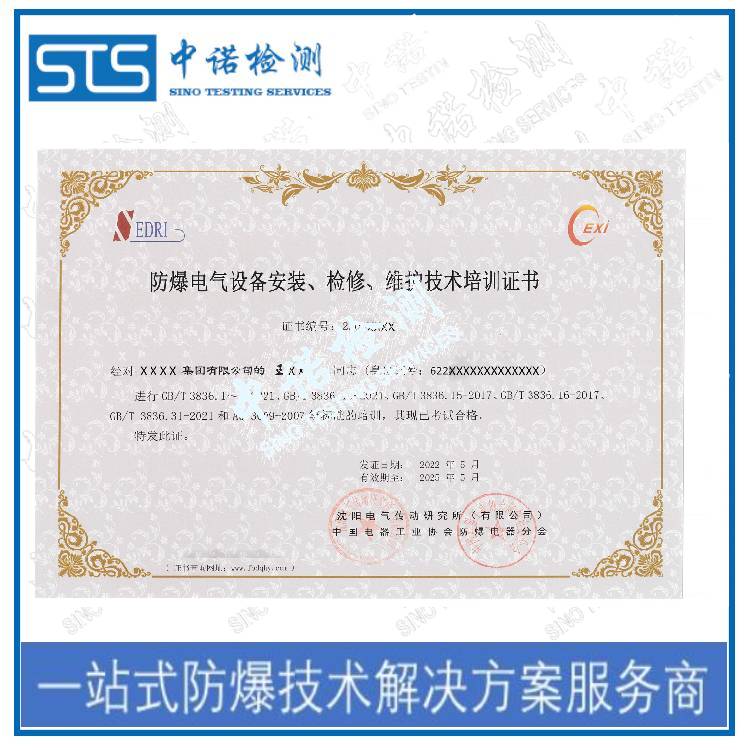
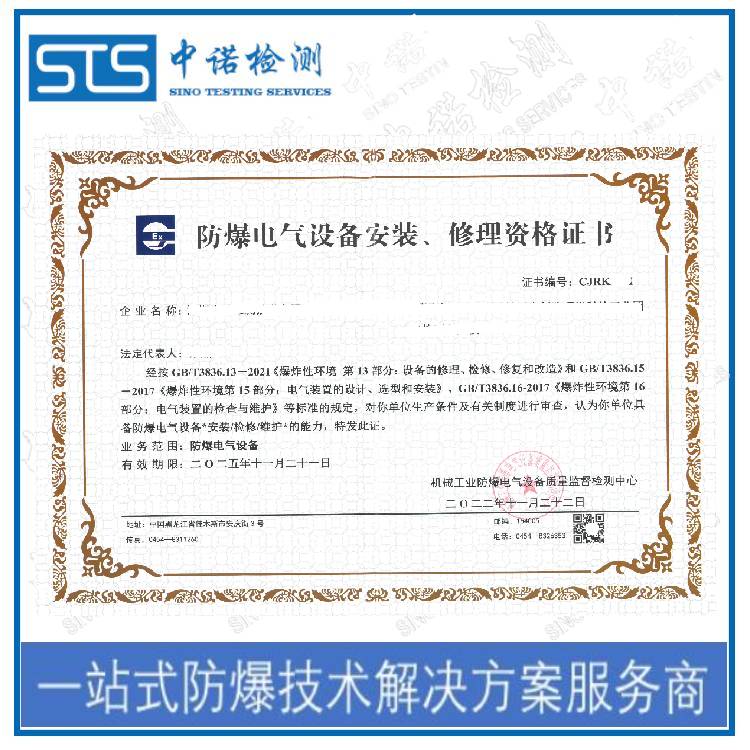
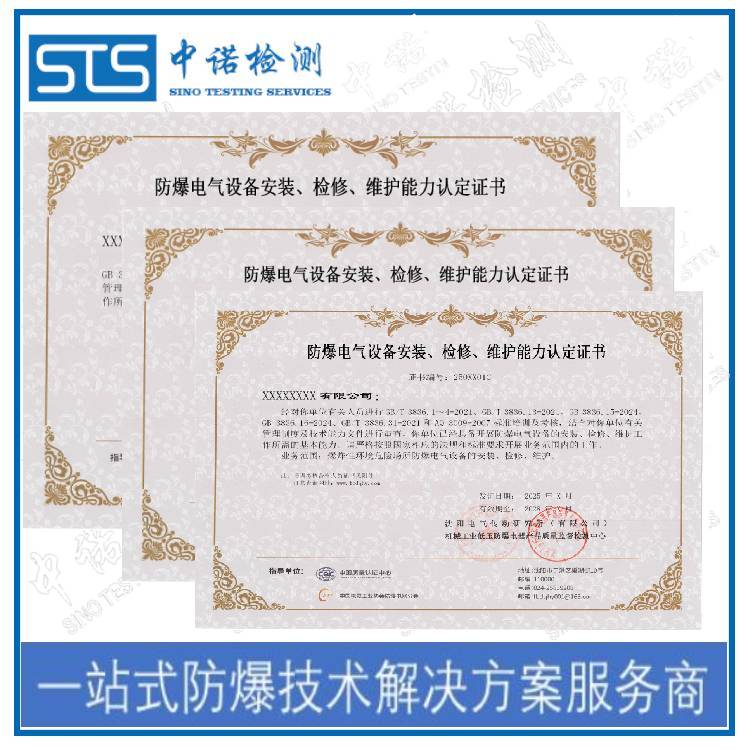





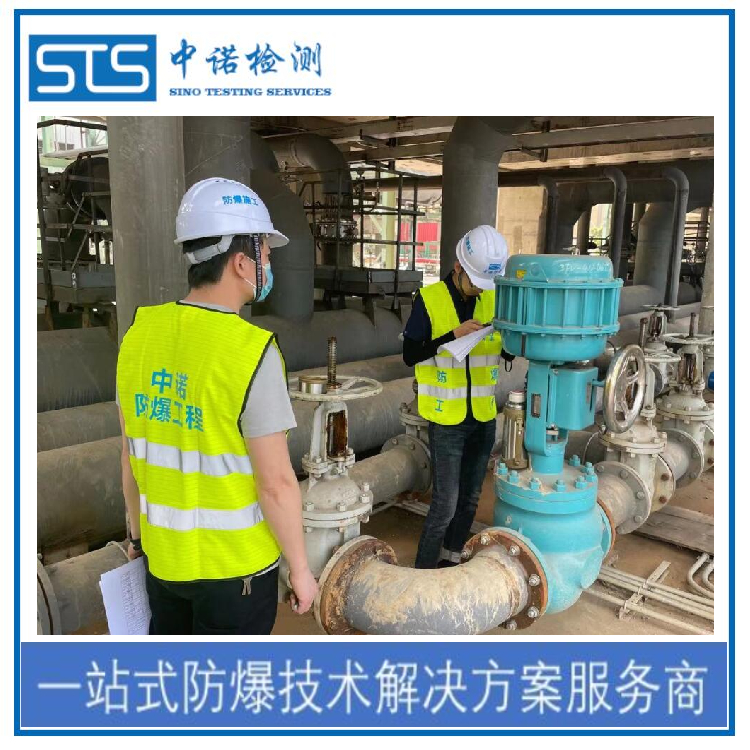
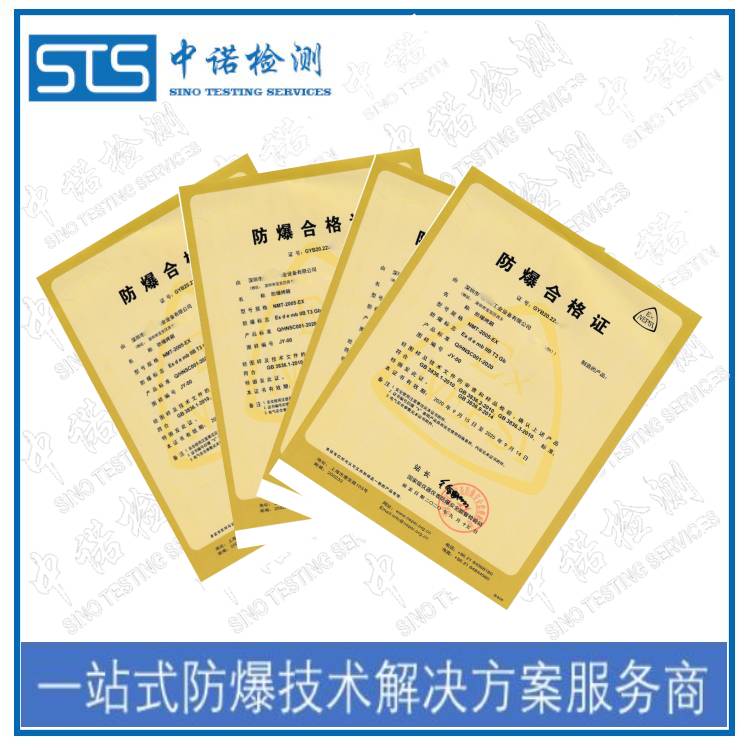
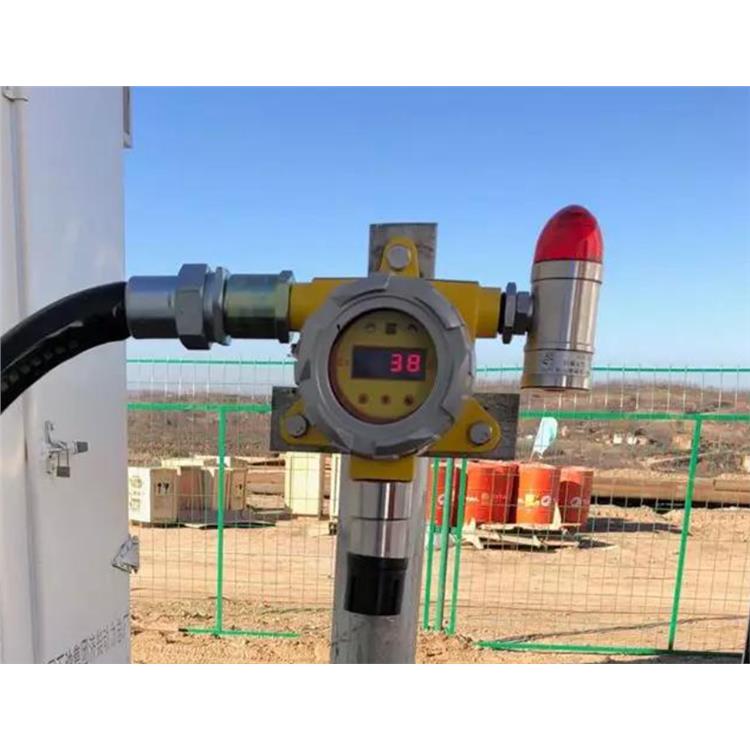
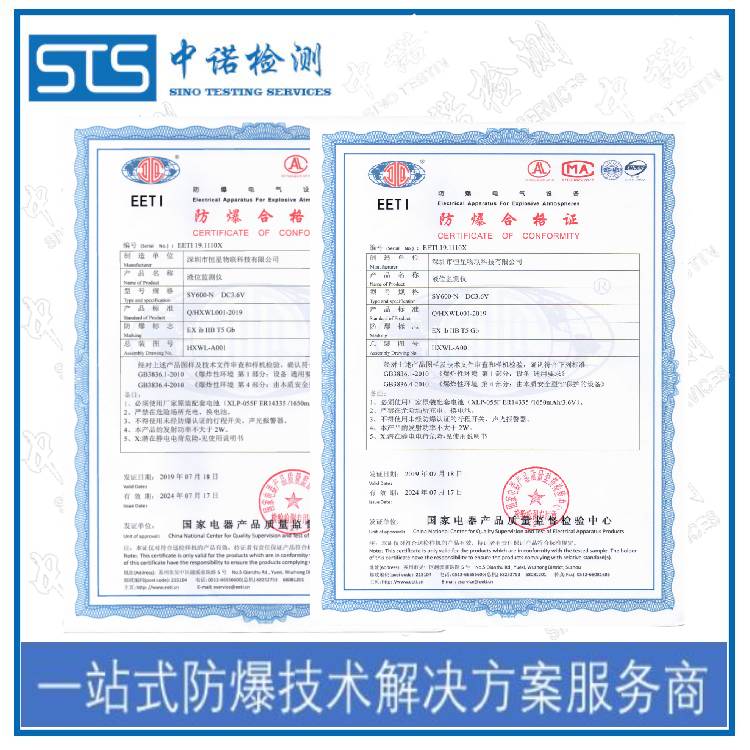
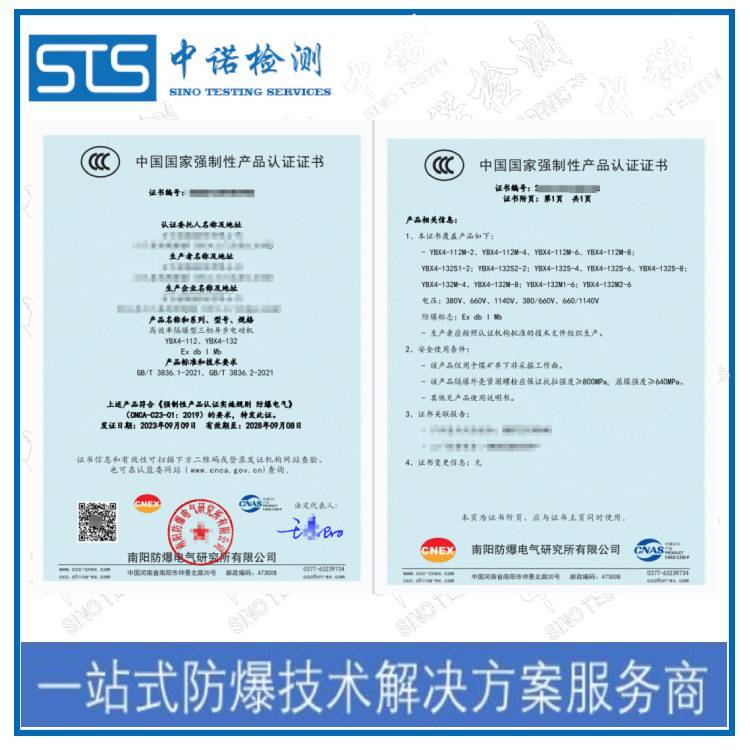
Shenzhen Zhongnuo Testing Technology Co., Ltd. is based in South China and specializes in explosion-proof certification and coal mine safety certification application consulting services, offering a one-stop explosion-proof technology consulting service.
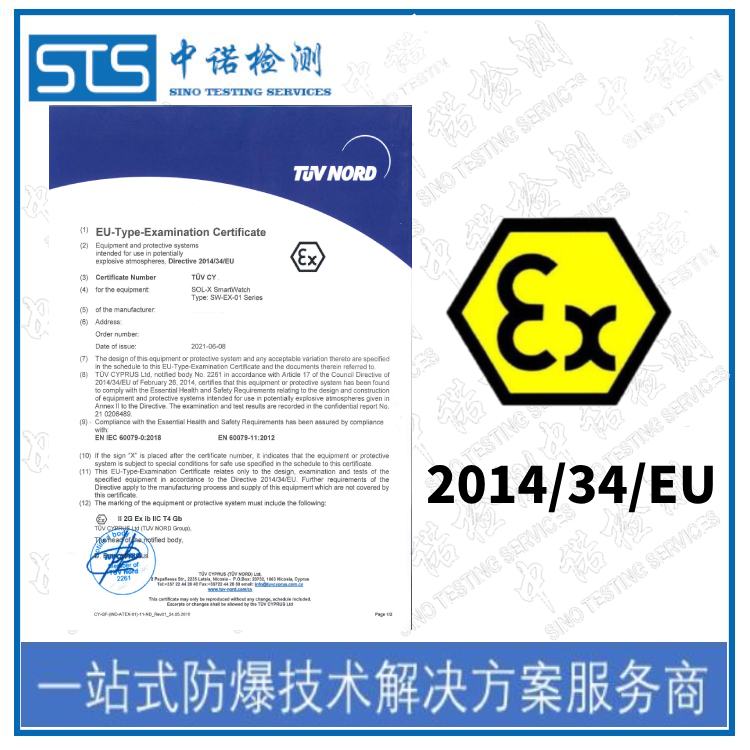
What is the difference between ATEX certification and CE certification?
CE certification is a mandatory certification in the European Union market; all equipment and products entering the EU market must pass the relevant CE directive certification.
For example, there are EMC directives, LVD directives, MD directives, ATEX directives, etc.
Different products require different certification directives, with the ATEX directive specifically targeting explosion-proof equipment and products.
ATEX certification can be likened to the CE certification for explosion-proof products.
Each directive has different applicable standards; the ATEX directive applies to the EN60079 series.
Different explosion-proof types are applicable to different standard series.
For example, EN 60079.1 is the standard for explosion-proof, EN 60079.7 is the standard for increased safety, EN 60079.11 is the standard for intrinsic safety, and so on.
Learn more about ATEX certification and contact Shenzhen ZhongNuo Testing Technology Co., Ltd. for more information at any time!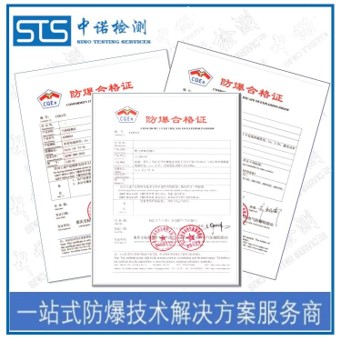
Domestic explosion-proof certification
Domestic explosion-proof certification is a compliance inspection for explosion-proof products used in explosive environments (including electrical and non-electrical products), issuing an explosion-proof certificate to those that meet the GB/T3836 standard. Currently, the domestic explosion-proof certification standards are essentially equivalent to the international IEC 60079 standard system.
Explosion-proof Certification Categories -- Shenzhen ZhongNuo Testing Technology Co., Ltd.
Electrical Equipment for Explosive Gas Environments
Explosion-proof type d
Safety Increased Type e
Type 4P (intrinsically safe)
(4) Positive Pressure Type P
(5) Immersed Type
(6) Sand-filled type q
(7) Molding Sealant
(N) Type
2. Electrical Equipment for Combustible Dust Environments
Dust-Proof Ignition-Proof Housing
(2) Positive Pressure Type
(3) Intrinsically Safe
(4) Casting Sealing Type
3. Intrinsically Safe Type S
4. Composite Type: Explosion-proof type with a combination of two or more of the above-mentioned explosion-proof types.
Division of explosion-proof areas in explosive gas environments
Explosive-proof certifications categorize hazardous areas based on the physical state of substances present at the location, distinguishing between explosive gas environments and combustible dust environments. Based on the duration of presence of hazardous substances in the area, these areas with different physical states are divided into three zones.
That is: for explosive gas environments, Zones 0, 1, and 2.
Areas where explosive gas environments occur continuously or exist for prolonged periods, typically over 1000 hours per year.
Zone 1 - Areas where explosive gas environments may occur during normal operation, typically 10-1000 occurrences/year.
Zone 2 - Under normal operation, explosive gas atmospheres are unlikely to occur or, if they do, they are only present for short periods and infrequently, generally less than 10 hours per year.
explosion-proof certification application consulting service - Shenzhen ZhongNuo Inspection & Testing Technology Co., Ltd.
WeChat Official Account

Scan to follow Official Account