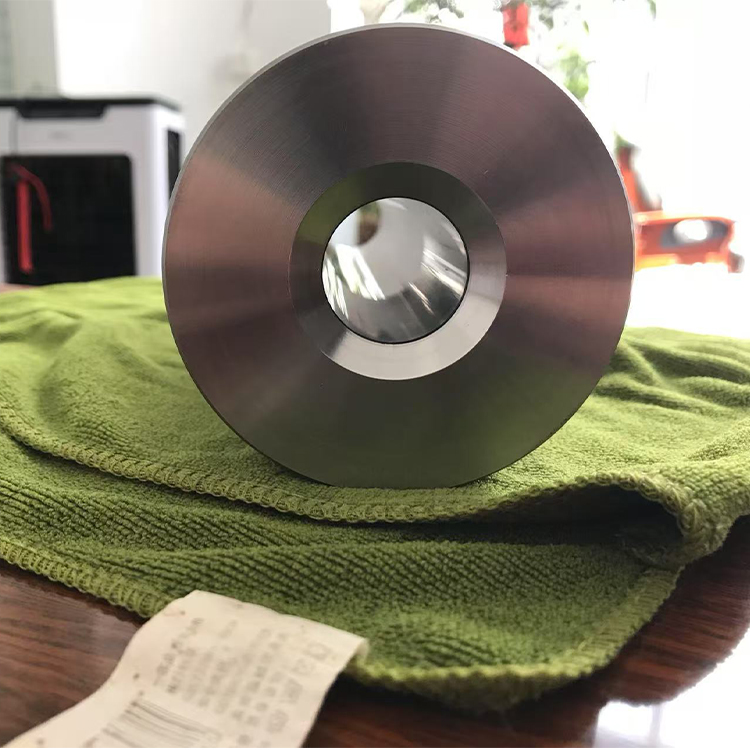







Pneumatic butterfly valves consist of a pneumatic actuator and a butterfly valve. These valves use a circular butterfly plate that rotates with the valve rod to control the opening and closing, enabling pneumatic operation for actuating actions. Primarily used as shut-off valves, they can also be designed with regulating or segment valves that combine regulating functions. Currently, butterfly valves are increasingly used in low-pressure, large and medium-sized pipe applications.
The plate thickness is the resistance when the medium flows through the valve body, thus the pressure drop generated by the valve is minimal, hence it possesses excellent flow control characteristics. The KATUM butterfly valve comes in two sealing types: soft seal and metallic seal. Valves with metallic seals generally have a longer service life than those with soft seals.
If using a butterfly valve for flow control is required, the key is to correctly select the valve size and type. The structural principle of butterfly valves is particularly suitable for manufacturing large-diameter valves. Butterfly valves are not only widely used in general industries such as oil, gas, chemicals, and water treatment but also applied in the cooling water systems of thermal power stations.